Invasive species are plants, animals, insects, and other organisms that spread outside their native habitats and disrupt local ecosystems. Because they often lack natural predators in their new environments, they can reproduce rapidly and outcompete native species.
Many invasive species go unnoticed for years before their effects become obvious. By the time scientists recognize the full scale of the problem, controlling their spread can be extremely difficult and expensive.
Spotted Lanternfly
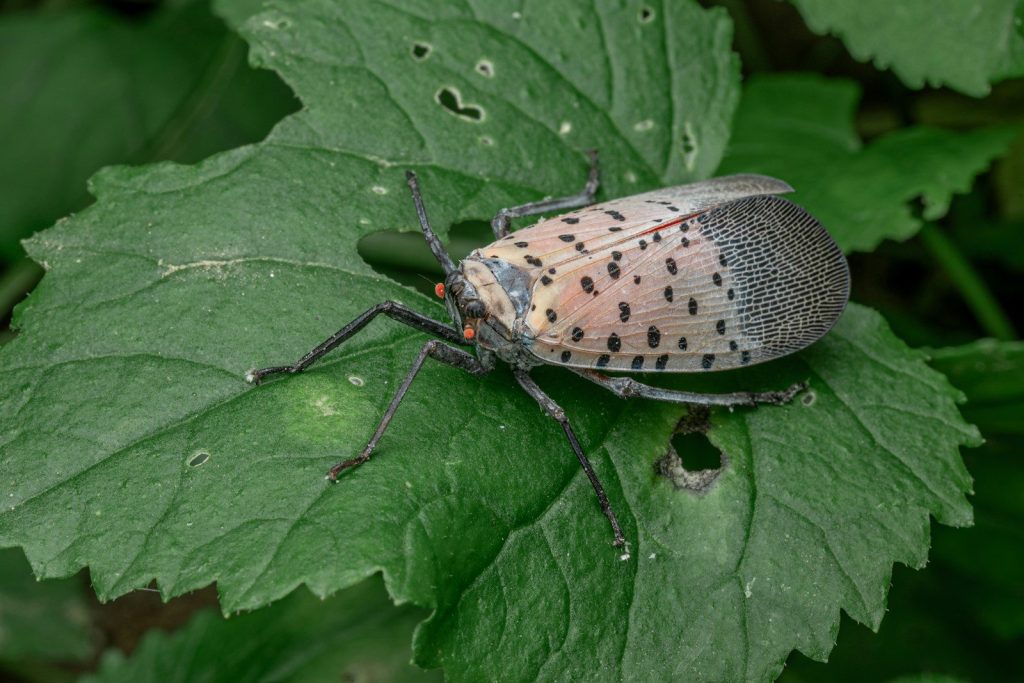
The spotted lanternfly has become one of the most concerning invasive insects in the United States. Originally from Asia, it feeds on a wide range of plants and trees, weakening them and making them more vulnerable to disease.
Scientists warn that the insect continues to expand into new states. Its growing range threatens forests, vineyards, and agricultural crops, creating both ecological and economic challenges.
Asian Carp
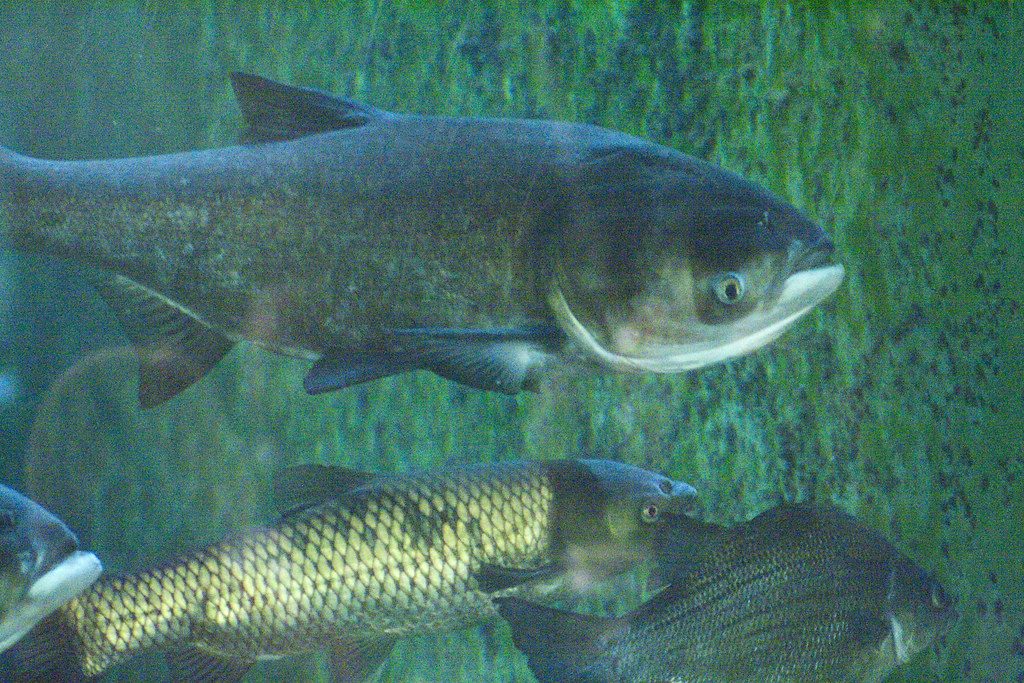
Asian carp were originally introduced to help manage aquatic vegetation and improve water quality. Instead, they spread throughout major waterways and began competing with native fish for food and habitat.
Their rapid population growth has altered ecosystems across large portions of the Mississippi River Basin. Researchers continue searching for ways to limit their spread into additional waterways.
Asian Jumping Worms
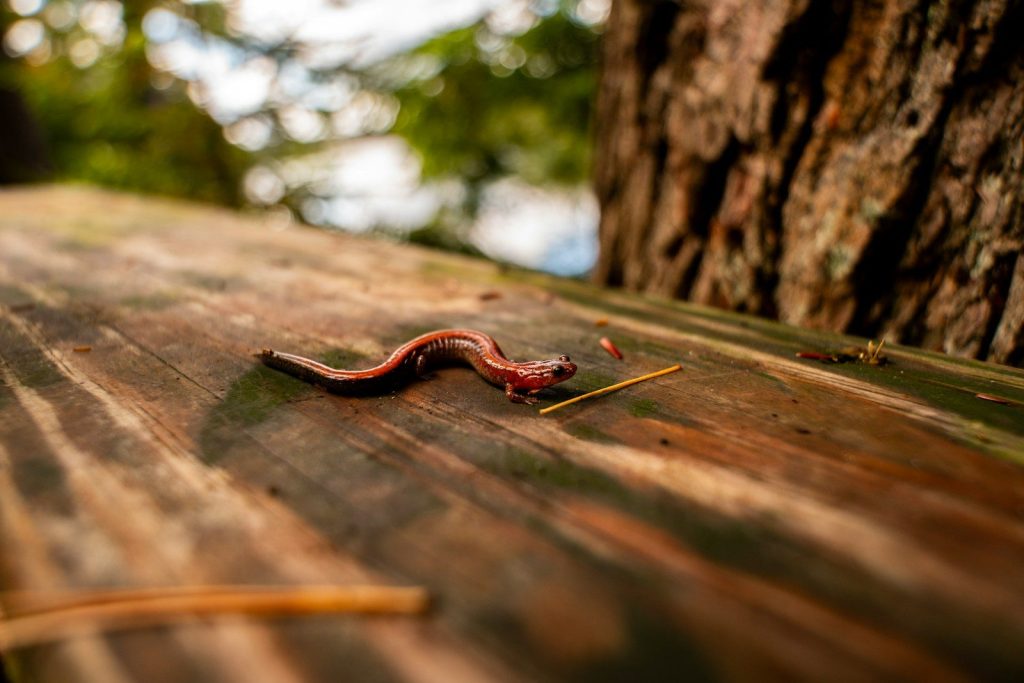
Unlike beneficial earthworms, Asian jumping worms can damage soil quality by rapidly consuming organic matter. Their activity leaves soil loose and nutrient-poor, making it difficult for many plants to thrive.
These worms have spread across dozens of states and continue expanding their range. Gardeners and conservationists increasingly view them as a serious ecological threat.
Kudzu
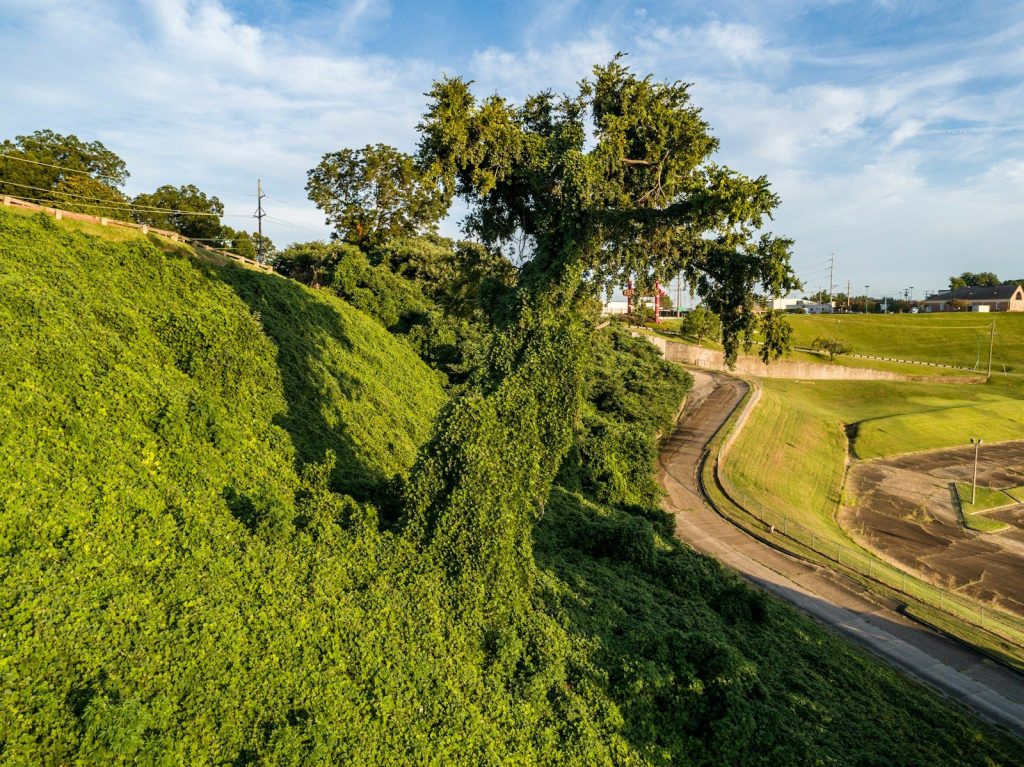
Often called “the vine that ate the South,” kudzu grows at an extraordinary rate and can blanket trees, buildings, and utility structures. It blocks sunlight and crowds out native vegetation.
The plant’s impact extends beyond landscapes. Researchers have linked its spread to broader environmental changes, including effects on local nutrient cycles.
Zebra Mussel
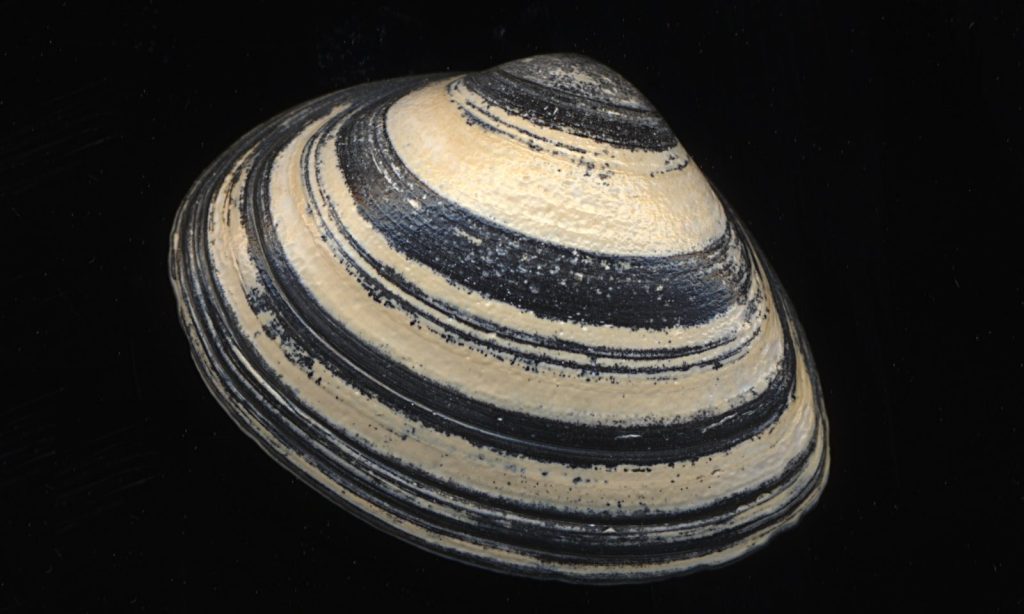
The zebra mussel is a small freshwater mollusk that has become one of North America’s most damaging invasive species. Originally native to Eurasia, it spread through waterways by attaching itself to boats and equipment.
Zebra mussels reproduce rapidly and form dense colonies on pipes, docks, and other structures. They also compete with native species for food, disrupting aquatic ecosystems and causing costly infrastructure damage.
Quagga Mussel
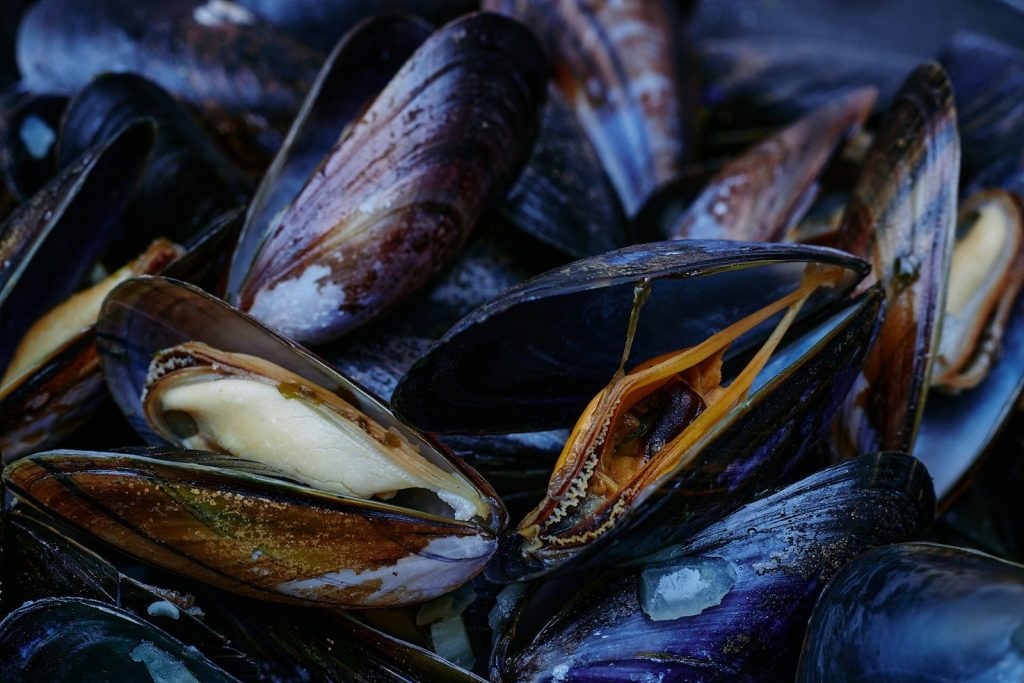
The quagga mussel is closely related to the zebra mussel but has proven even more adaptable in some environments. It can survive in deeper and colder waters, allowing it to spread into habitats that zebra mussels cannot easily colonize.
Like zebra mussels, quagga mussels filter large amounts of water, altering food webs and reducing resources available to native aquatic organisms. Their continued expansion remains a major concern for freshwater ecosystems and water management systems.