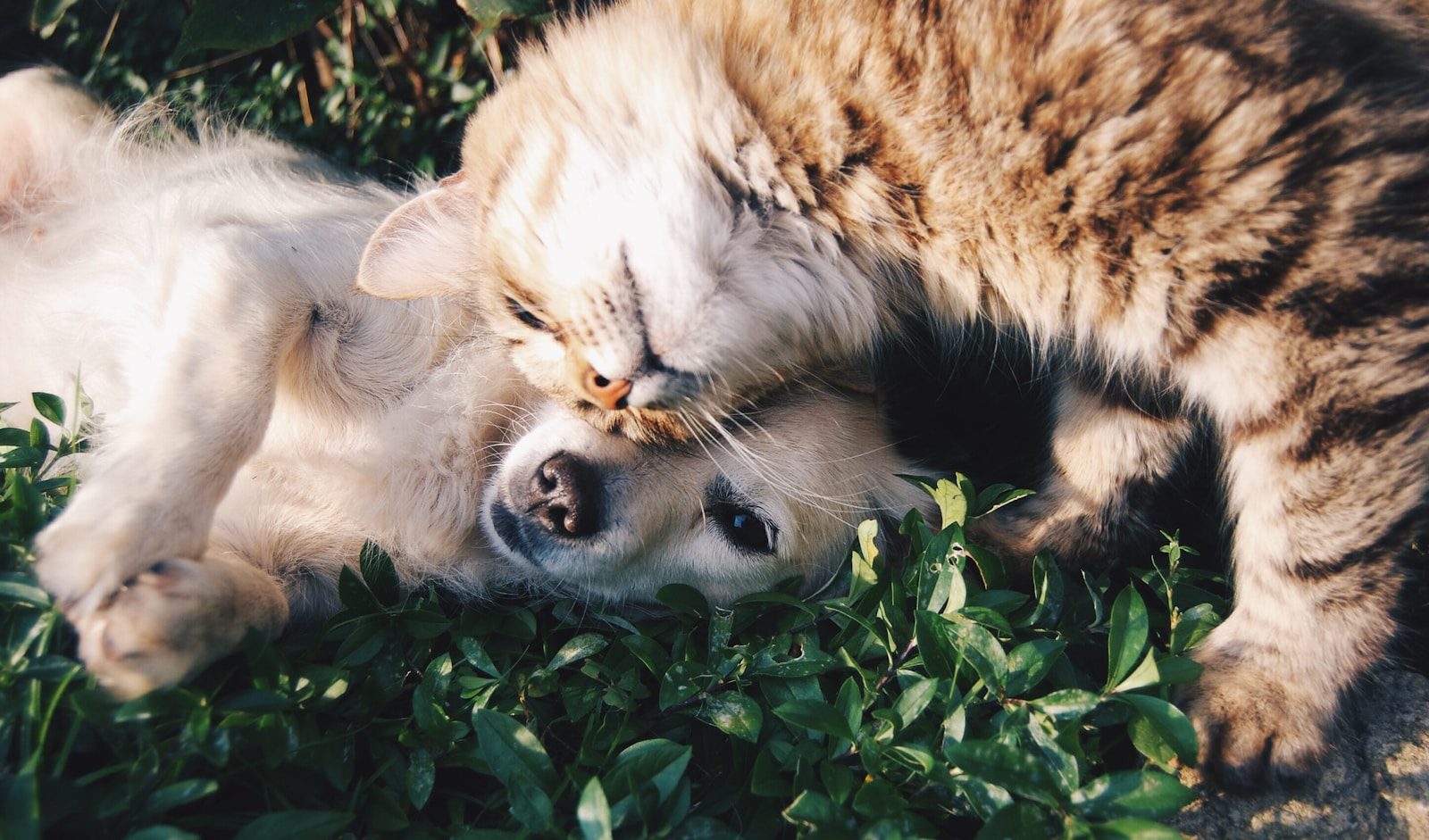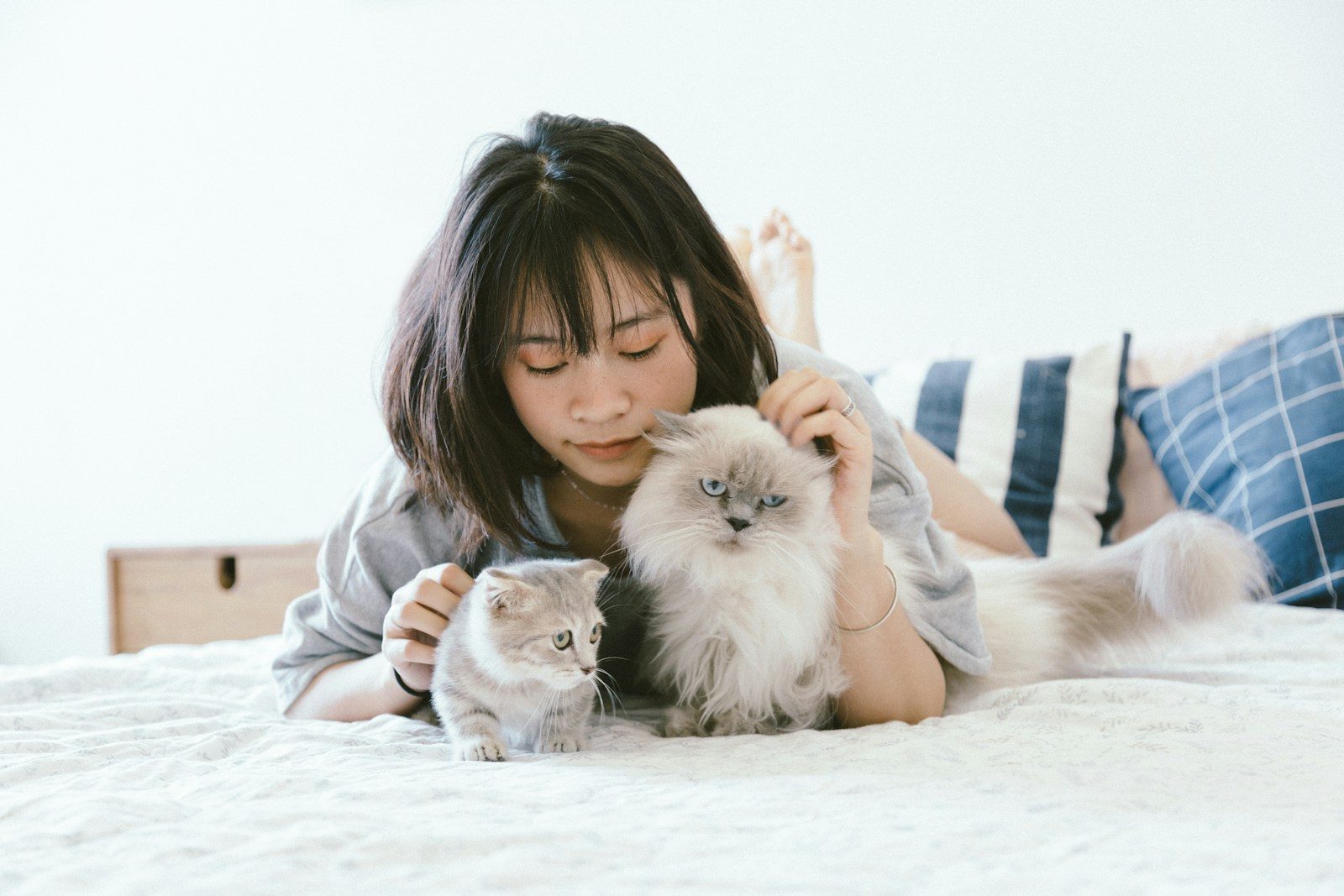
Many people turn to their pets for comfort during difficult moments, believing that cuddling a cat can help reduce stress and improve emotional wellbeing. Cats are often valued for their calming presence, gentle companionship, and ability to provide comfort without demanding much in return.
However, emerging research suggests that the relationship between stress and pet interaction may be more complex than many people realize. In some situations, seeking comfort from a cat while feeling highly stressed could have unexpected effects on both the owner and the pet.
Stress Can Influence How We Interact With Pets
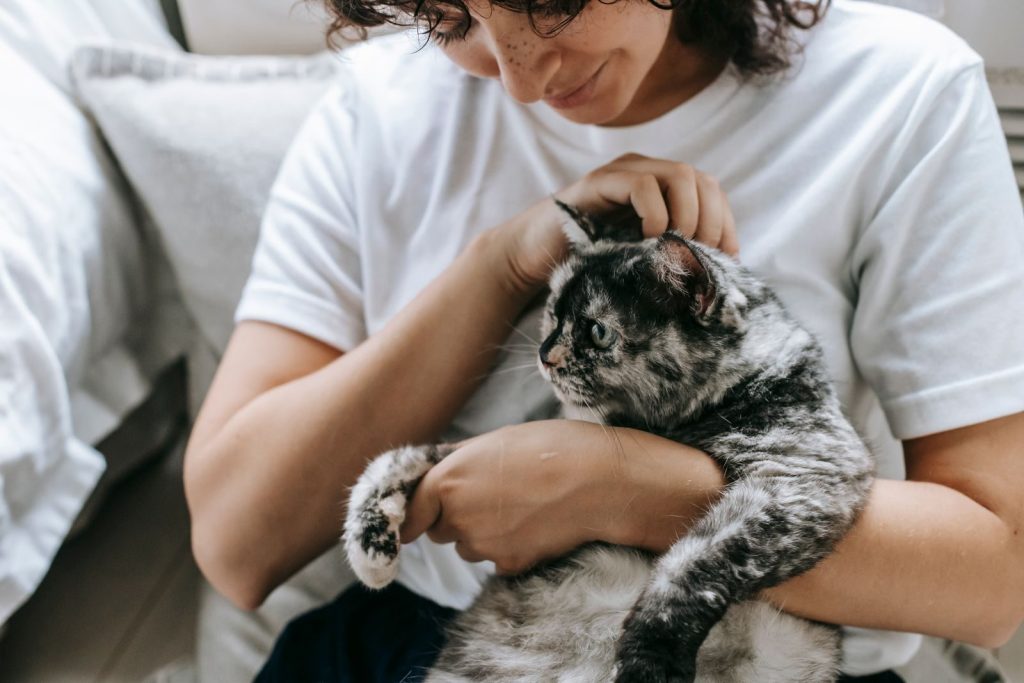
When people feel overwhelmed, they often seek physical closeness and reassurance from their pets. This can lead to increased cuddling, holding, or attention seeking behavior.
While these actions may feel comforting initially, stress can also affect body language, tone of voice, and emotional energy. Pets may respond differently depending on how they perceive these changes.
Cats Are Sensitive to Human Emotions
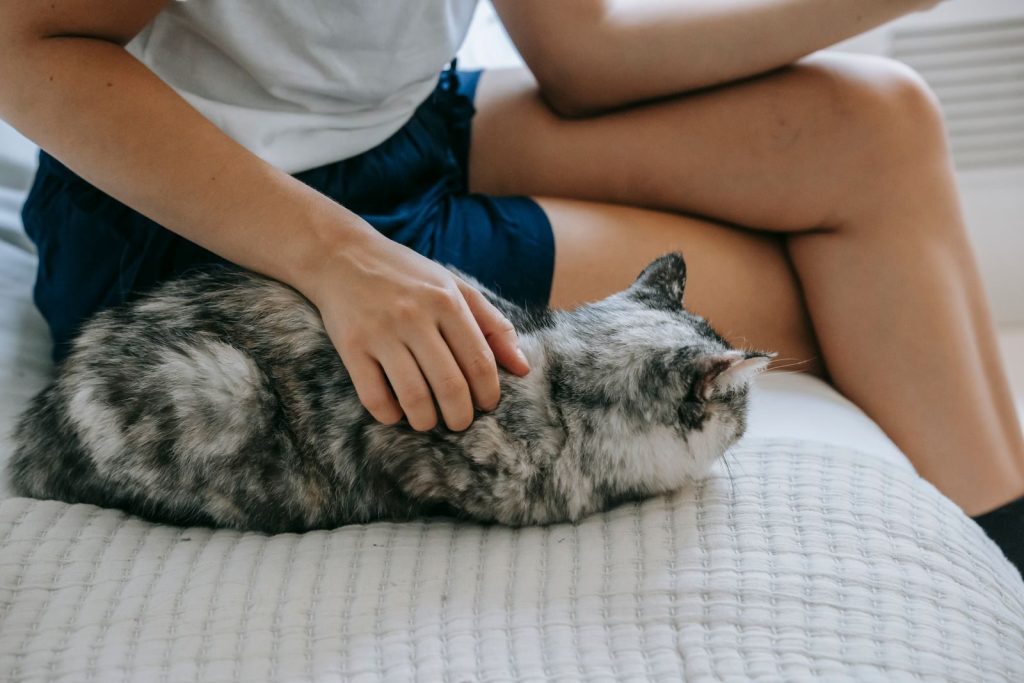
Cats are highly observant animals that can pick up on changes in human behavior and routine. They often notice shifts in mood, activity levels, and emotional states.
Because of this sensitivity, some cats may react to a stressed owner by becoming cautious, withdrawn, or unusually attentive. Their response varies based on personality and past experiences.
Not Every Cat Enjoys Physical Affection
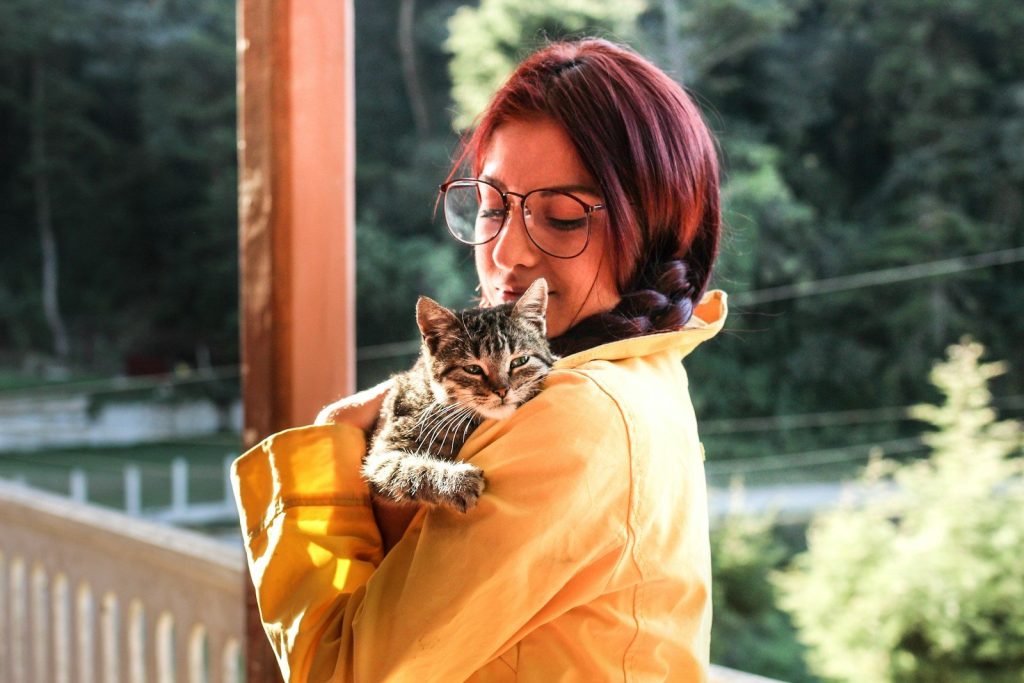
Although some cats love being held and cuddled, others prefer affection on their own terms. Forcing physical contact when a cat is not receptive can create tension rather than comfort.
If a cat shows signs of discomfort, the interaction may become less relaxing for both the pet and the owner. Respecting boundaries is important for maintaining trust.
Expectations Can Affect Emotional Outcomes
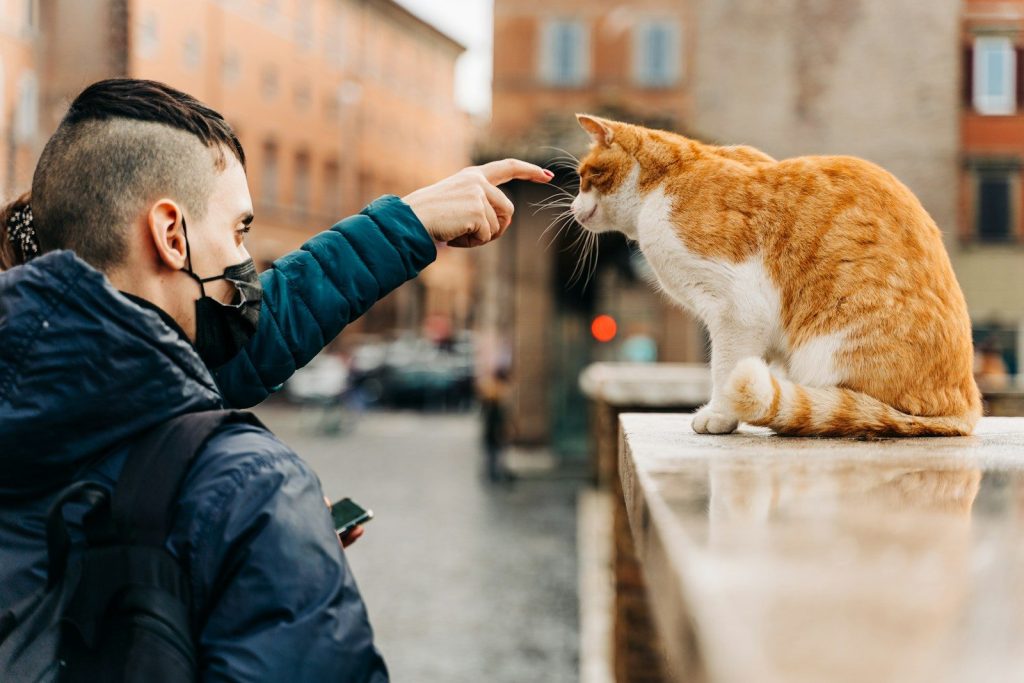
People often expect pets to provide immediate emotional relief during stressful situations. When the interaction does not meet those expectations, feelings of frustration or disappointment can increase.
This can create a cycle where the owner feels even more stressed despite seeking comfort. Emotional wellbeing is influenced by many factors beyond pet companionship alone.
Cats May React to Tension in the Environment
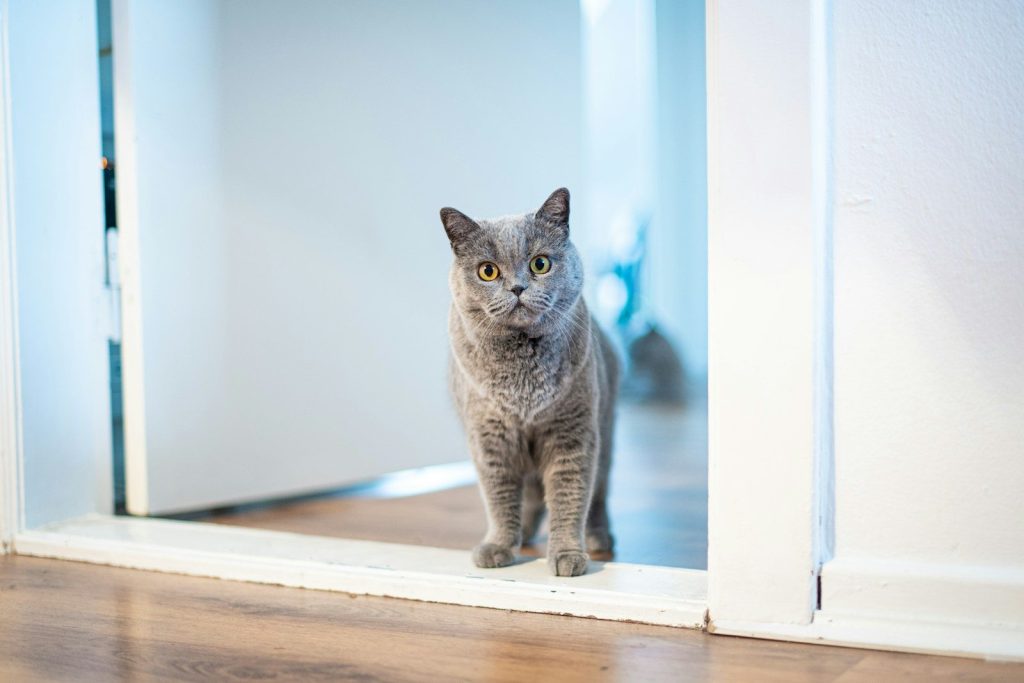
Stress within a household can affect pets as well as people. Changes in routine, increased noise, or emotional tension may alter a cat’s behavior.
Some cats become more affectionate during these times, while others prefer solitude. Understanding individual preferences can help owners respond appropriately.
Gentle Interaction May Be More Effective Than Constant Cuddling
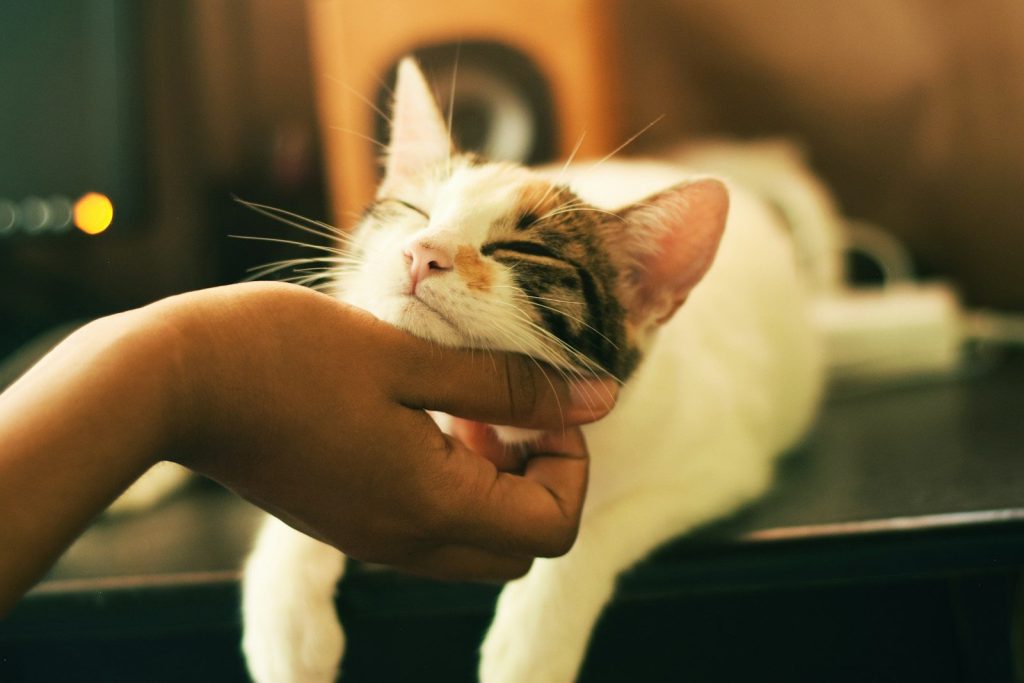
Many cats enjoy quiet companionship more than prolonged physical contact. Sitting near a cat, petting it gently, or engaging in calm play may feel more natural than excessive cuddling.
These low pressure interactions can strengthen the bond between owner and pet. They may also provide emotional benefits without creating discomfort.