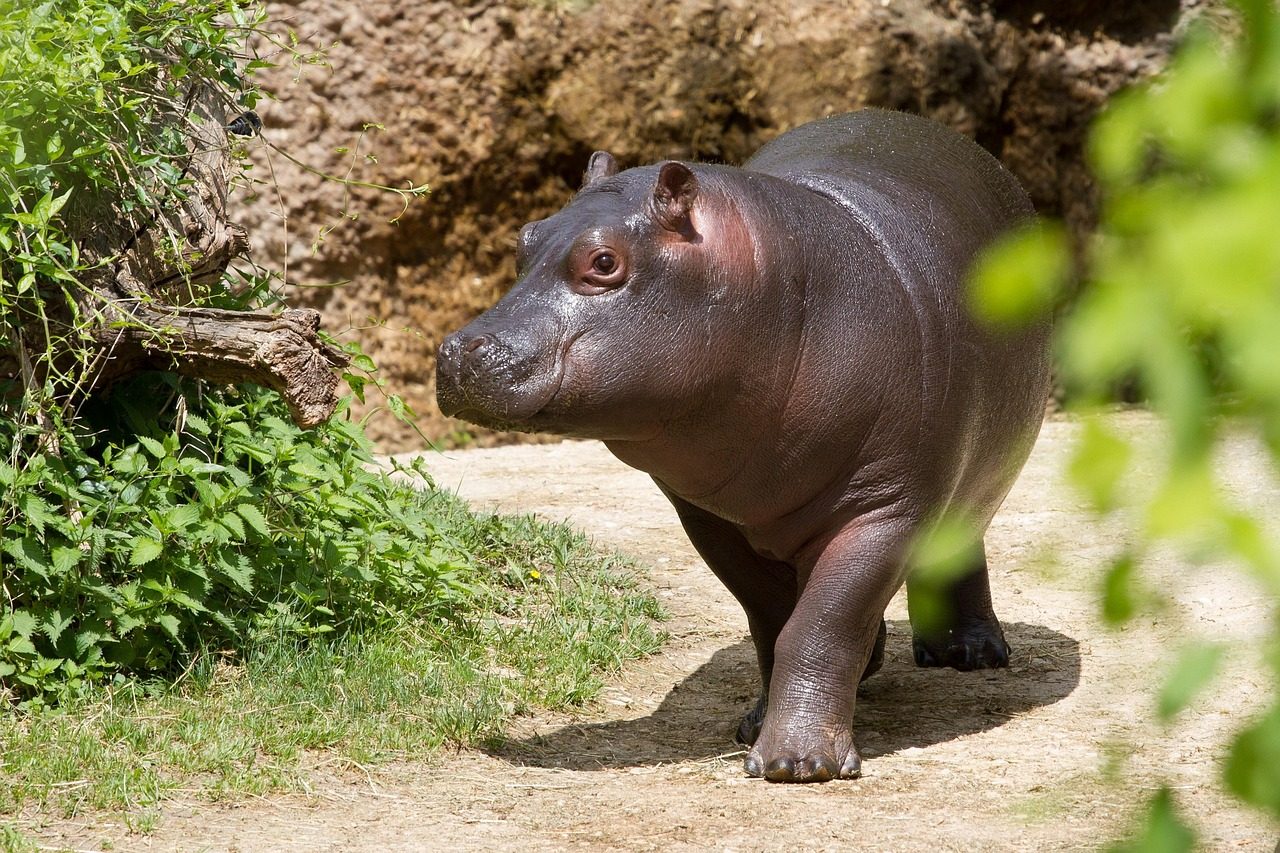
Baby animals are naturally adorable, but some stories are even more touching because they highlight resilience and hope. One such story is that of Bumpy, an orphaned baby hippo who has captured hearts around the world with his sleepy morning routine and remarkable journey to recovery.
After losing his mother in the wild, Bumpy found a second chance thanks to dedicated wildlife rescuers. His story is a reminder of the challenges young wild animals face and the importance of conservation efforts that give them a chance to thrive.
Bumpy’s Unexpected Morning Routine
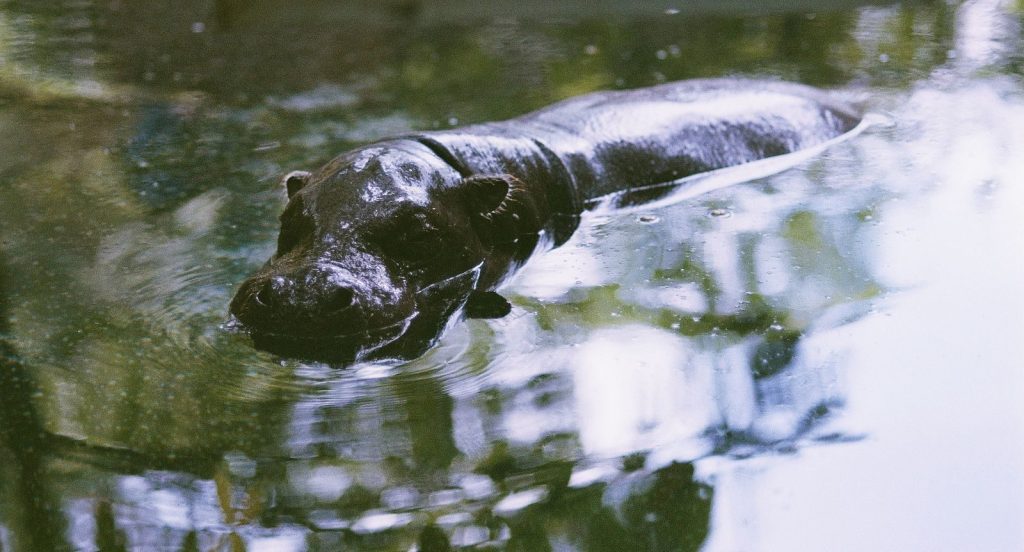
Every morning, Bumpy emerges from his bedroom wrapped in a cozy blanket before making his way to his personal pool. Instead of beginning an energetic day, he quickly settles down for another peaceful nap.
His relaxed routine has delighted animal lovers, showing that recovering orphaned animals need plenty of rest. The playful video has become a favorite among wildlife enthusiasts.
A Difficult Beginning in the Wild
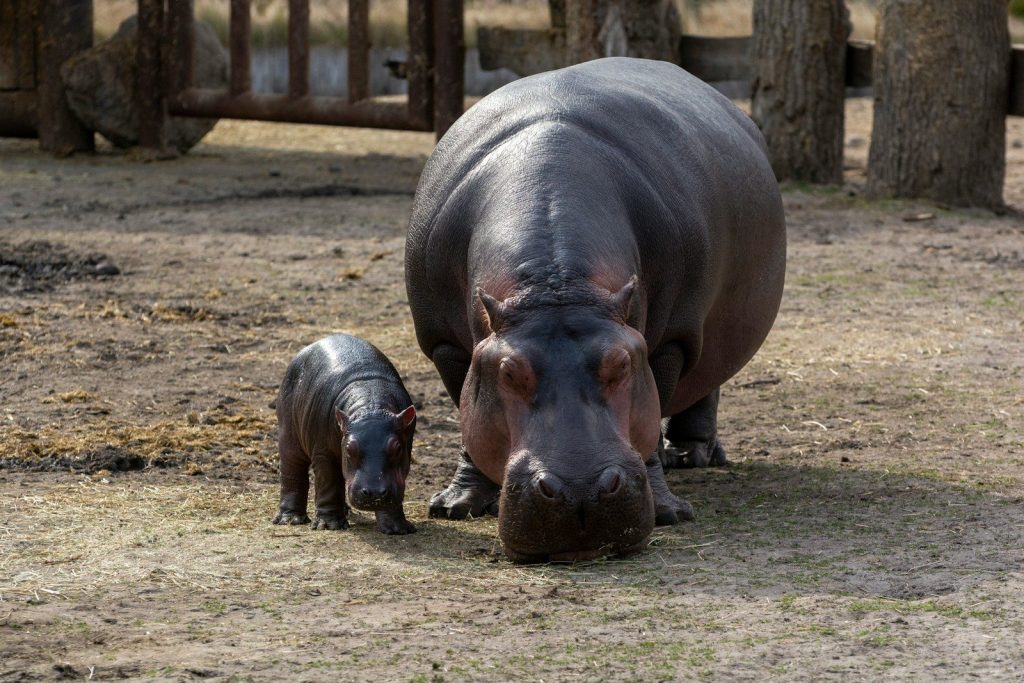
Bumpy’s story began with tragedy after he lost his mother, who is believed to have died while defending him during a territorial fight. The young hippo remained beside her for over a day before rescuers arrived.
Without his mother’s protection and milk, his chances of survival in the wild were extremely low. Fortunately, wildlife authorities safely transported him to a rescue center where expert care could begin.
Why Baby Hippos Depend on Their Mothers
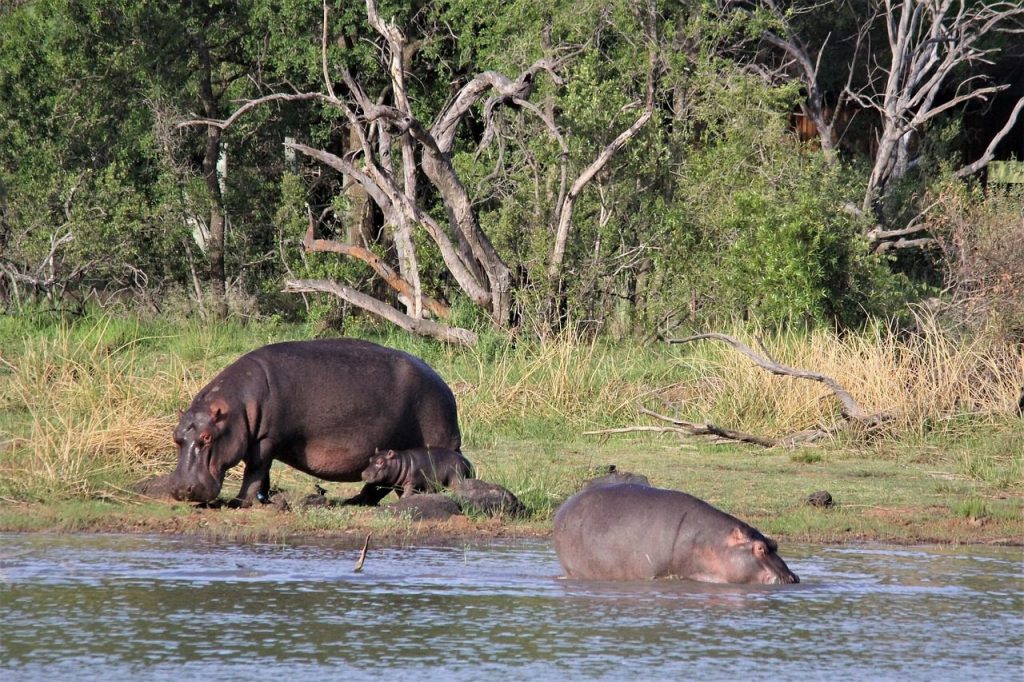
Young hippos rely heavily on their mothers for food, protection, and emotional security during their first years of life. Mothers also teach their calves how to navigate rivers and interact safely within hippo groups.
When calves become orphaned, they face enormous survival challenges. Wildlife rehabilitation centers provide around-the-clock care to replace the support their mothers would normally provide.
The Role of Wildlife Rescue Centers
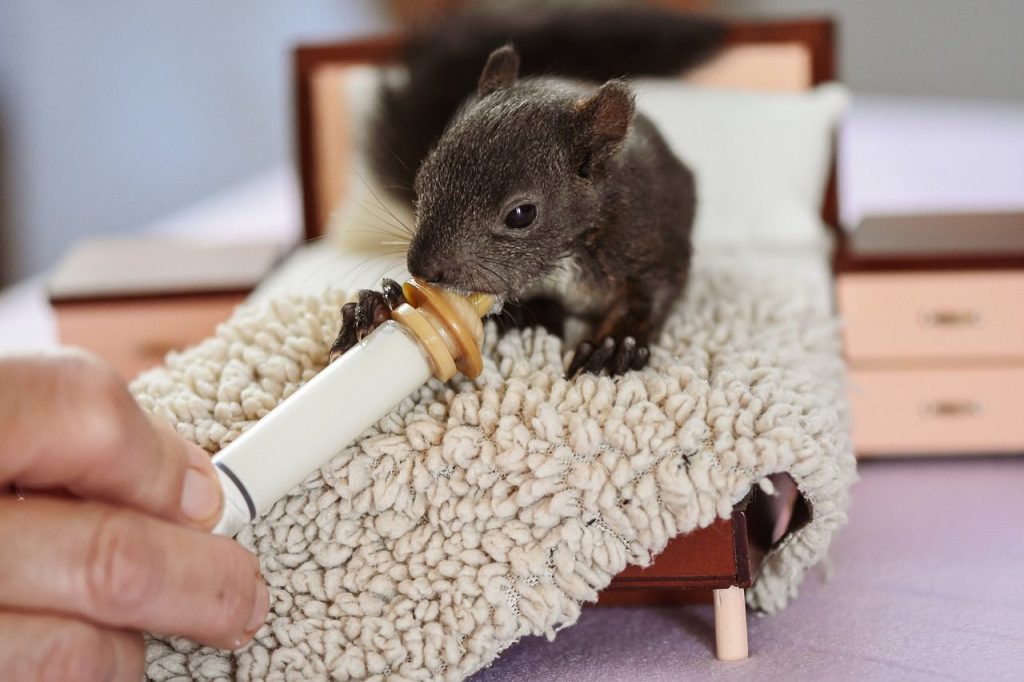
Dedicated wildlife organizations care for orphaned animals by providing proper nutrition, medical treatment, and safe environments. These efforts give vulnerable animals the best possible chance of recovery.
Caregivers also create routines that help young animals feel secure after experiencing trauma. Consistent feeding schedules, gentle interactions, and plenty of rest all contribute to successful rehabilitation.
Why Rest Is Essential for Recovery
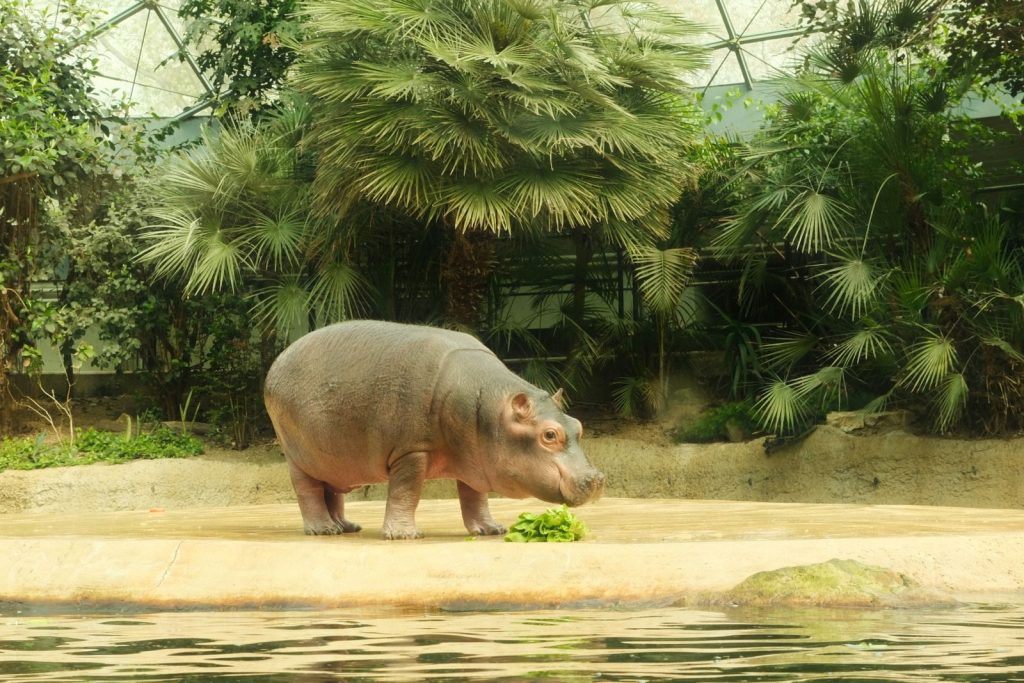
Bumpy’s frequent naps may seem amusing, but they play an important role in his healing process. Sleep allows young animals to recover physically while reducing stress after traumatic experiences.
As orphaned animals gradually regain strength and confidence, they become better prepared for the next stages of rehabilitation. A peaceful environment is often just as important as food and medical care.