Dogs have been humanity’s loyal companions for thousands of years, but new research suggests their journey from wild wolves to domesticated pets began much earlier than previously believed. Scientists now say physical changes associated with domestication started nearly 11,000 years ago.
The findings offer fresh insight into one of history’s oldest human-animal relationships and reveal how environmental changes and close interactions with people shaped the evolution of modern dogs.
Researchers Studied Thousands of Years of Canine Evolution
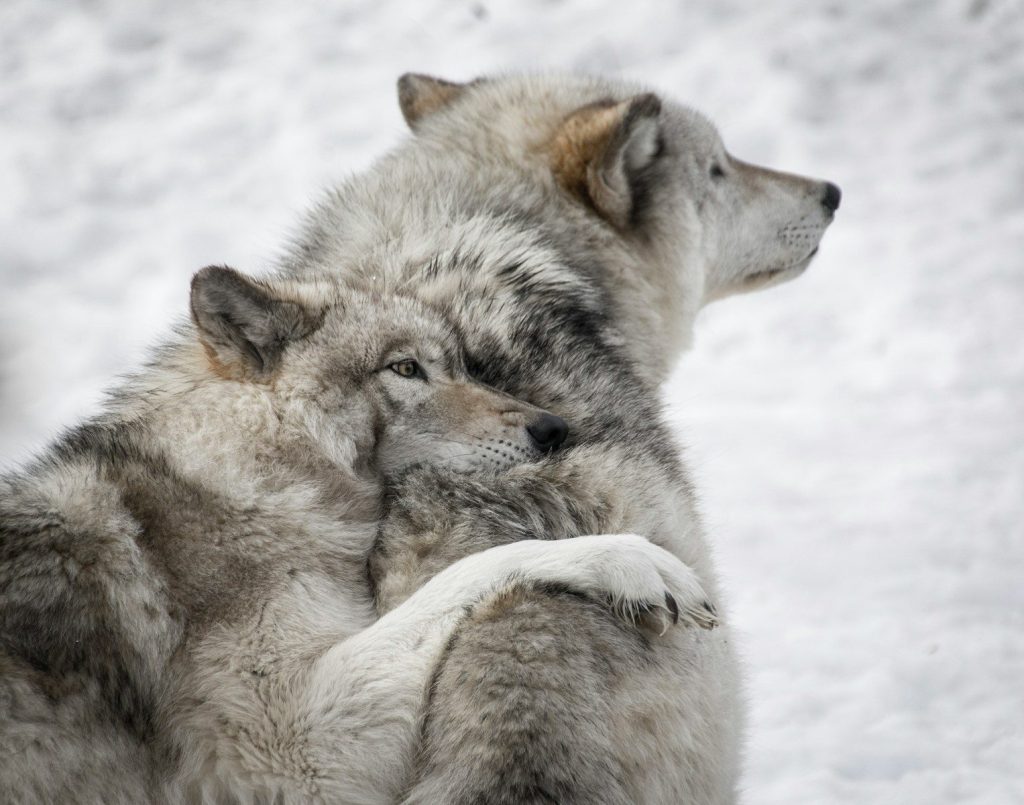
An international team of researchers spent more than a decade analyzing prehistoric canine remains spanning approximately 50,000 years. Using advanced technology, they created detailed 3D models of more than 600 ancient skulls.
By comparing these skulls across different time periods, scientists identified when noticeable physical changes first began appearing in early dogs.
Physical Changes Started After the Last Ice Age
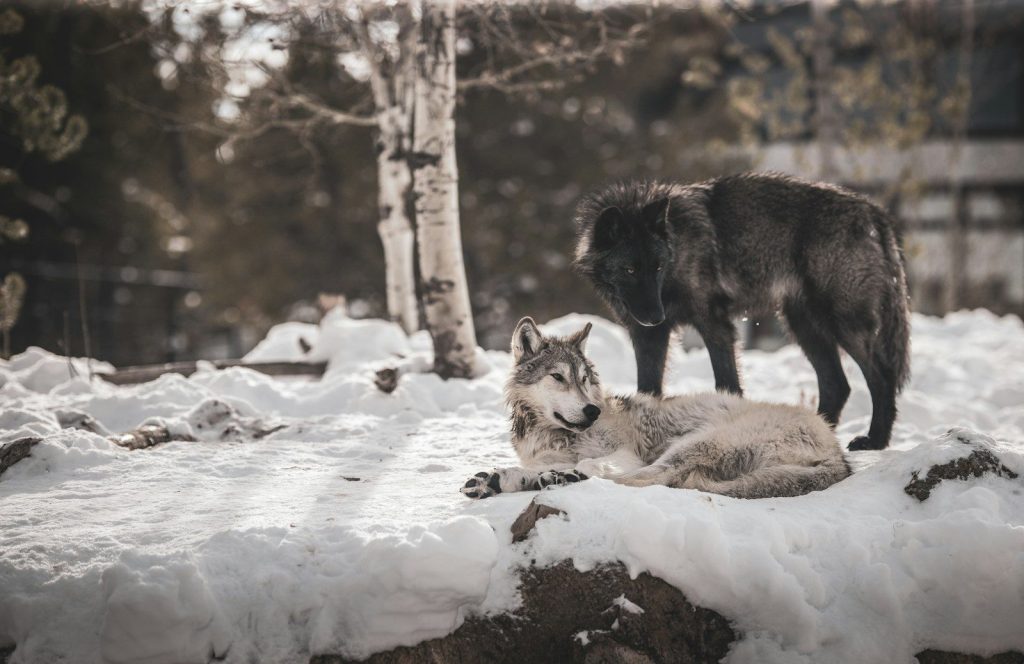
The study found that dog skulls began developing shorter snouts and broader heads around 11,000 years ago. Earlier canines closely resembled wolves, with longer, slimmer skulls suited for life as wild predators.
These gradual physical differences suggest domestication was already underway long before selective breeding became common in later human history.
Early Humans May Have Influenced Dog Evolution
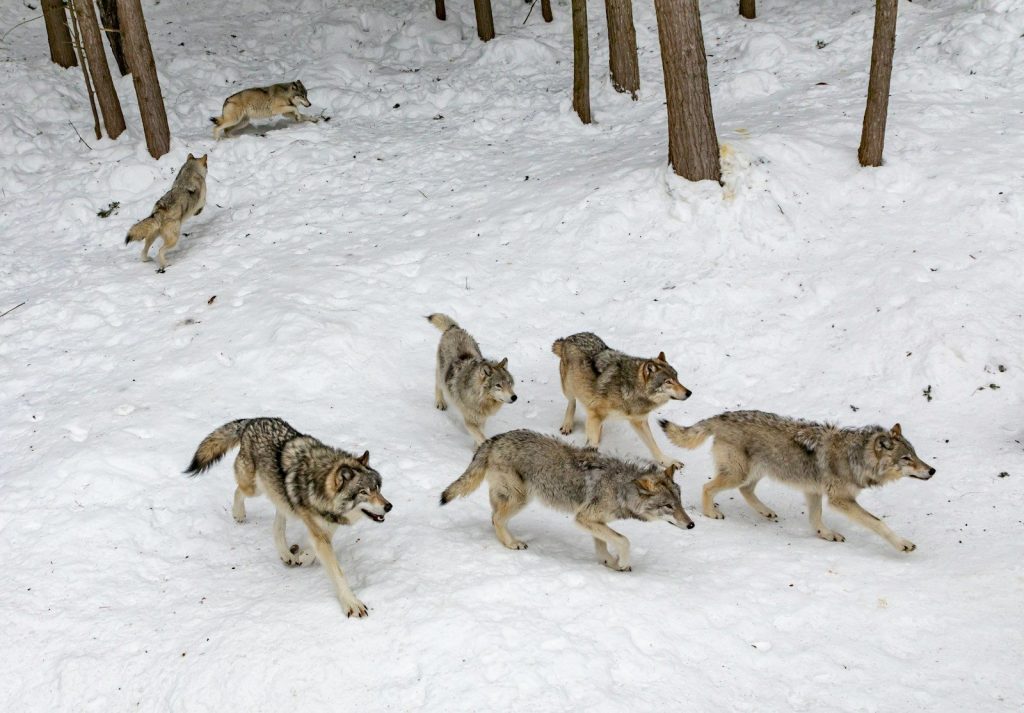
Researchers believe the relationship between wolves and humans likely began when wild wolves scavenged food near hunter-gatherer communities. Animals that were less fearful of people may have gained easier access to food and protection.
Over many generations, these friendlier wolves gradually developed characteristics that distinguished them from their wild relatives while adapting to life alongside humans.
Ancient Burials Reveal a Close Bond
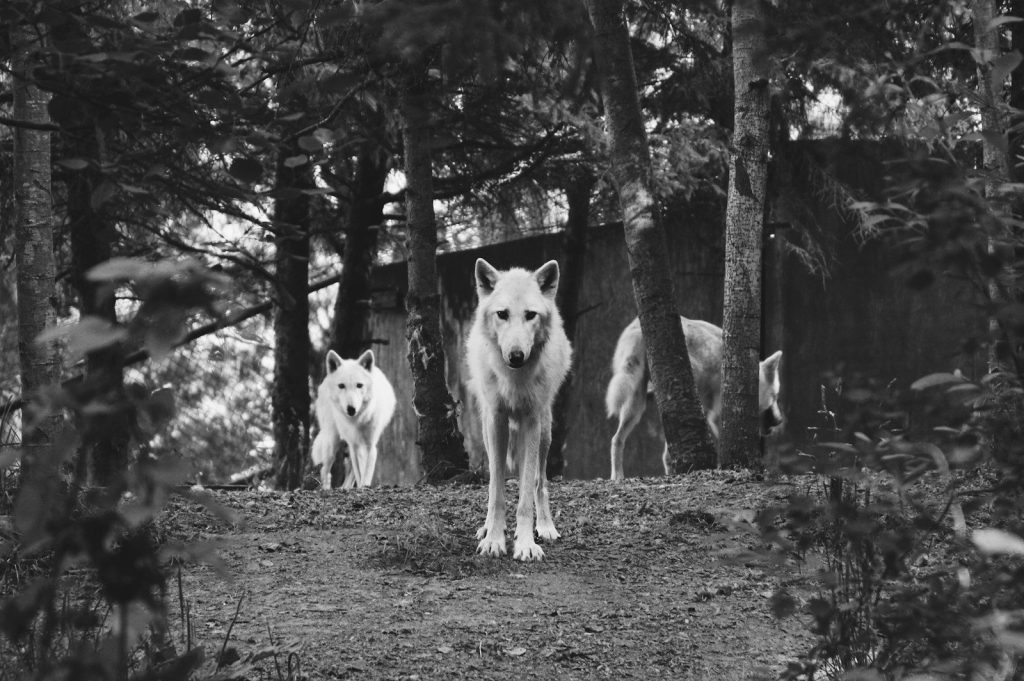
Archaeological discoveries have long hinted at the deep connection between humans and dogs. One notable burial in northern Europe placed a young puppy, an adult canine, and a human together approximately 15,000 years ago.
Such findings suggest dogs were already valued companions rather than simply wild animals living near human settlements.
Dog Evolution Was Shaped by Multiple Factors
Scientists believe no single factor explains dogs’ transformation from wolves. Changes in diet, environment, human interaction, and selective survival likely worked together over thousands of years.
Researchers say the remarkable diversity seen in today’s dog breeds reflects a long evolutionary process that continues to fascinate scientists studying the origins of domestication.
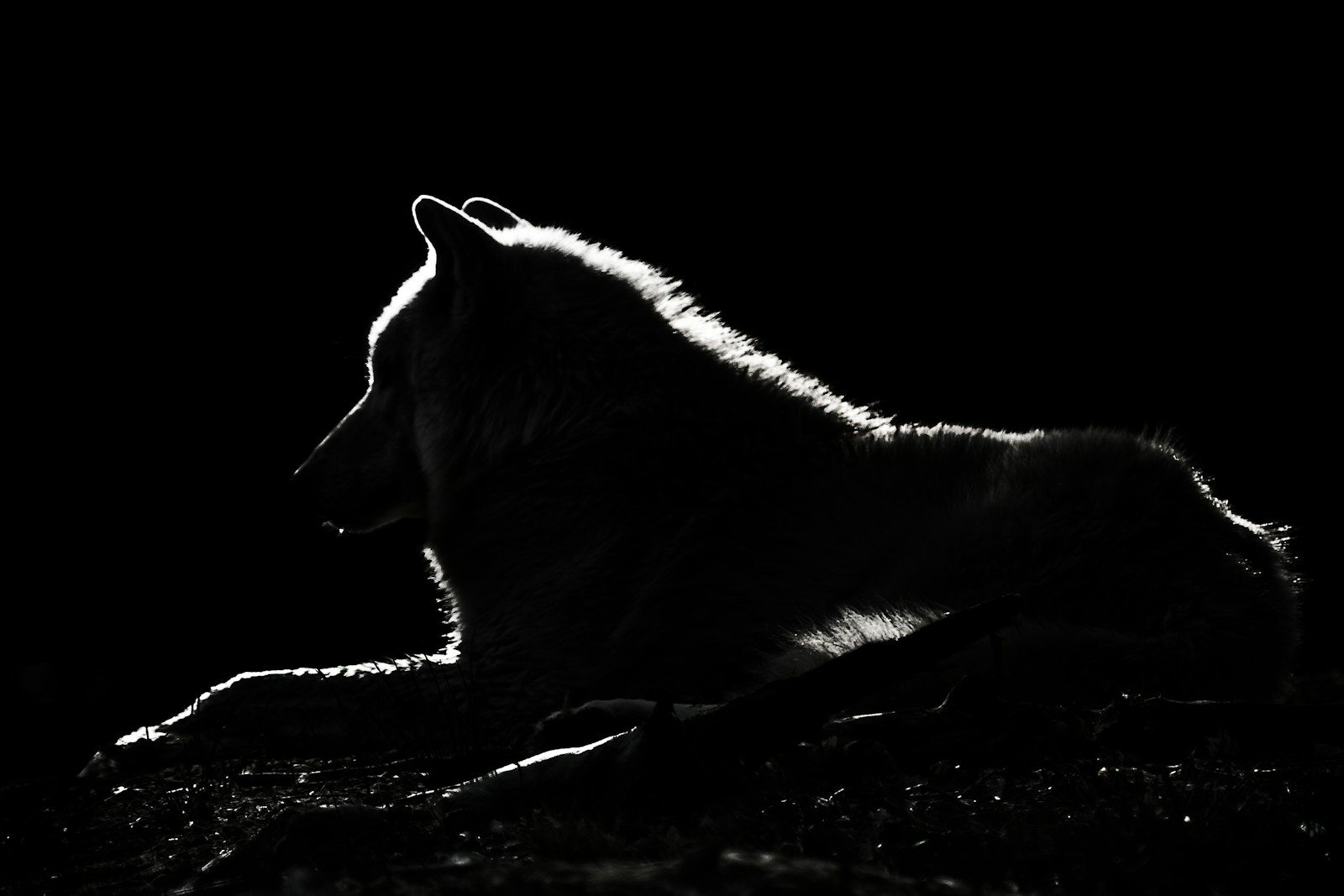
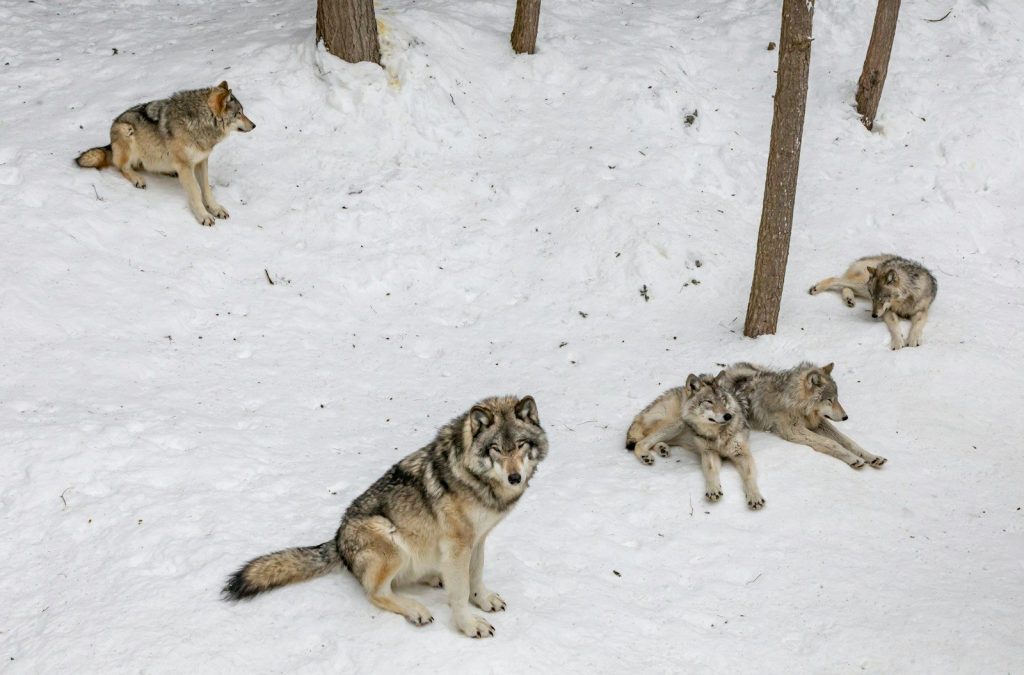
Featured Image: Photo by Fabian Lauer on Unsplash