The record-breaking Freedom 250 fireworks celebration in Washington, D.C., dazzled spectators with an unforgettable display. However, beyond the bright lights and celebrations, wildlife experts and environmental advocates have raised concerns about the event’s impact on birds, water quality, and air pollution.
The massive fireworks show not only attempted to set a Guinness World Record but also triggered a Code Red air quality alert, prompting renewed debate about the environmental cost of large-scale pyrotechnic displays.
Record-Breaking Fireworks Display Drew Attention
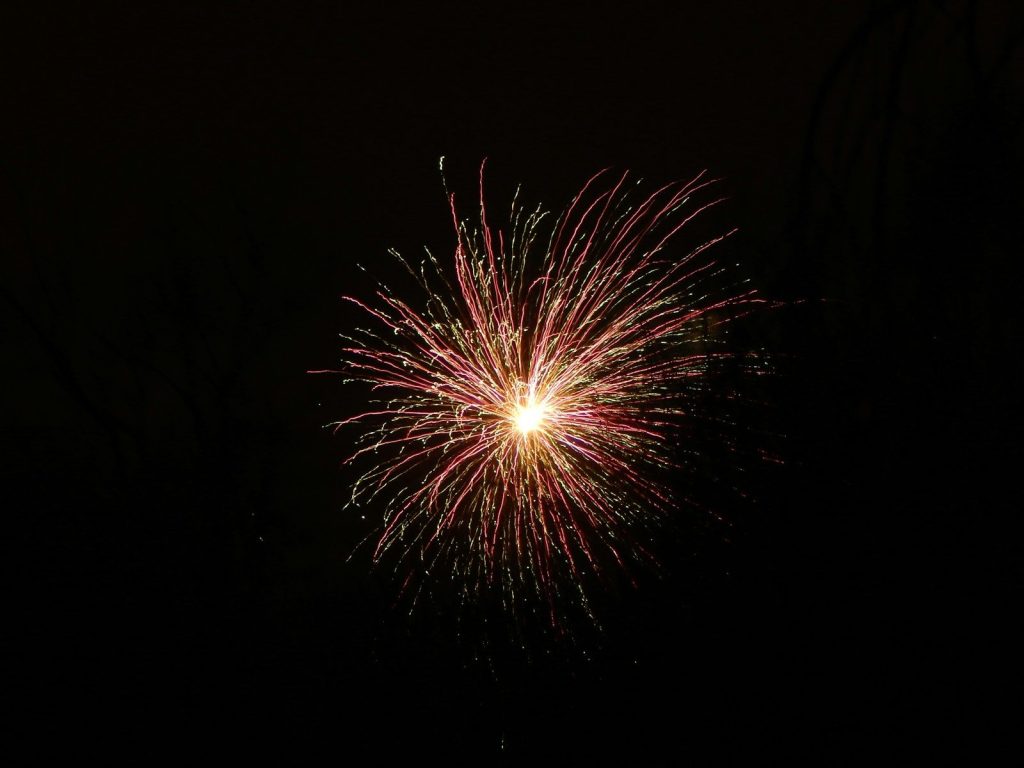
The Freedom 250 celebration featured approximately 850,000 fireworks launched over 40 minutes from ten separate locations. Organizers dramatically expanded the display compared to previous Independence Day celebrations.
At its peak, around 354 fireworks were launched every second. Additional firing sites along the Potomac River and Lincoln Memorial Reflecting Pool created one of the largest fireworks events ever held in the United States.
Wildlife Experts Warned About Bird Disturbance
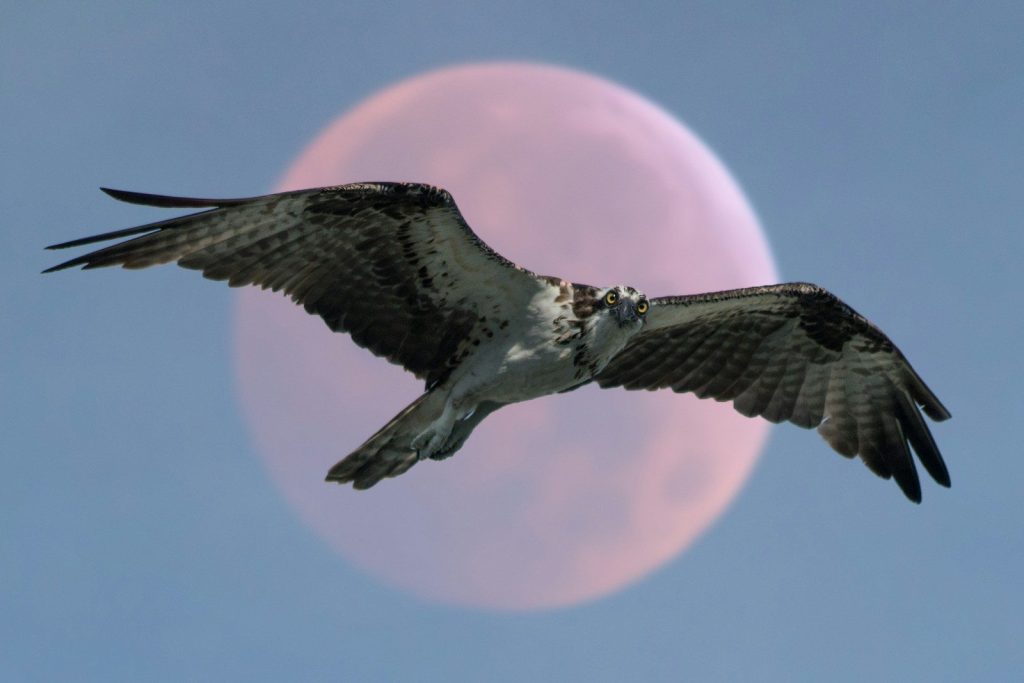
Conservation groups expressed concern about the event’s proximity to important bird habitats, particularly those supporting ospreys, raptors, and songbirds. Loud explosions can trigger panic responses, causing birds to abandon nests or flee into unfamiliar areas.
Researchers warn that frightened birds risk colliding with buildings, trees, and other obstacles. Nesting adults may also leave eggs or chicks vulnerable to predators if they cannot safely return.
Air Quality Reached Dangerous Levels
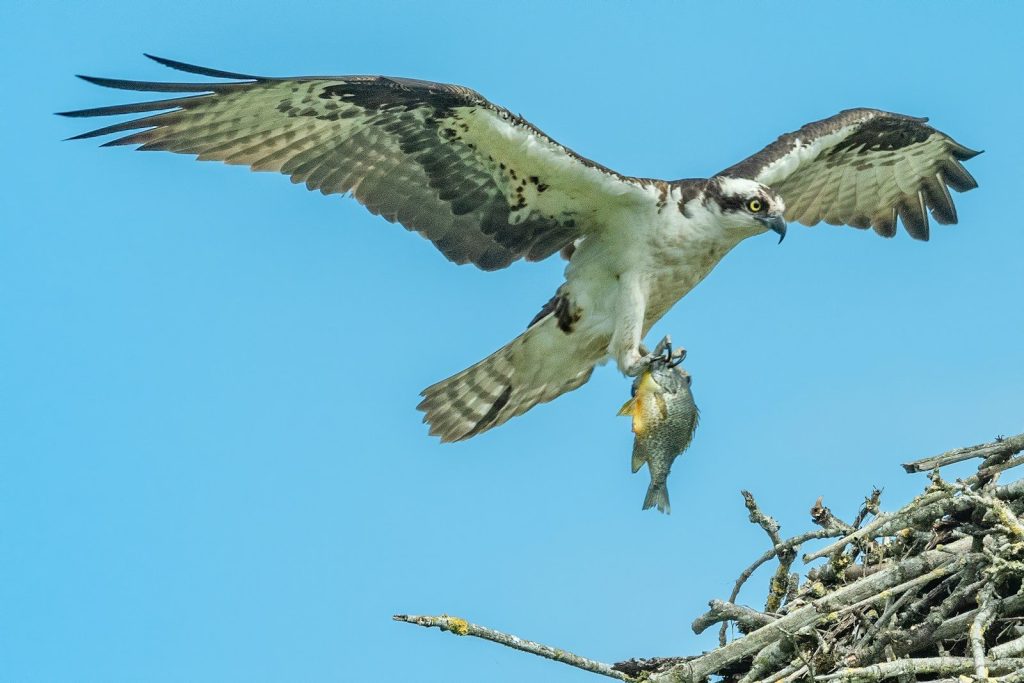
Following the fireworks display, Washington, D.C., experienced a Code Red air quality alert that lasted for several hours. Fine particulate pollution reached levels considered unhealthy for both people and wildlife.
Experts note that tiny airborne particles released during fireworks can enter the lungs and bloodstream of animals. Birds flying through affected areas may experience respiratory stress, especially during prolonged periods of poor air quality.
Waterways and Soil May Face Long-Term Effects
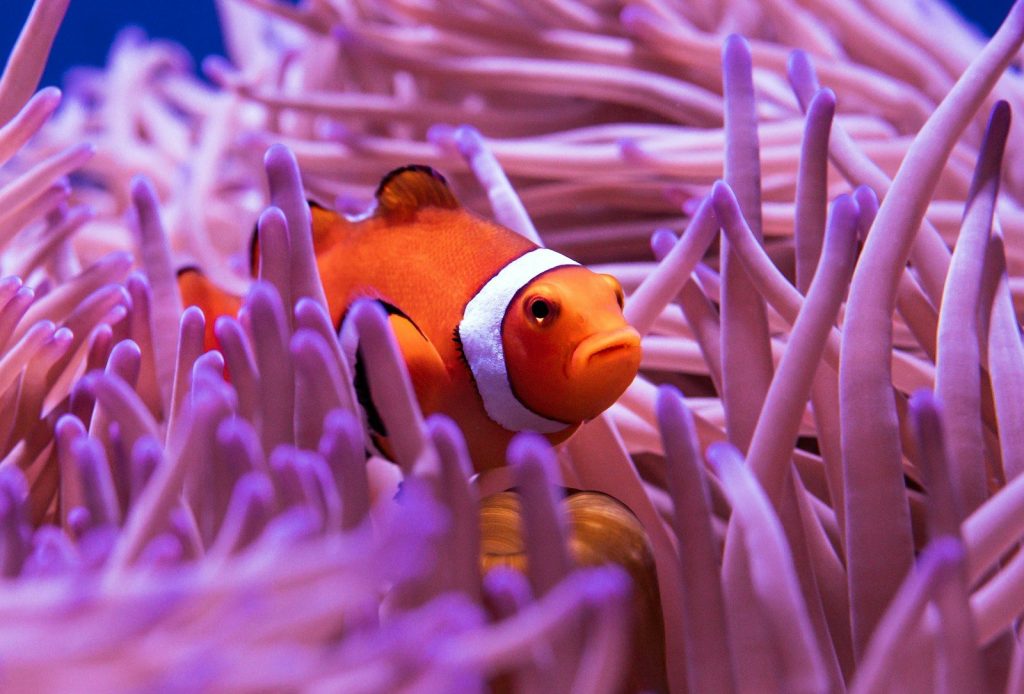
Environmental specialists also raised concerns about chemical residue entering the Potomac River after fireworks were launched from barges. Fireworks release compounds such as perchlorates and heavy metals that can contaminate nearby ecosystems.
Although smoke may disappear within hours, some chemical residues remain in soil and water for much longer. These pollutants can affect aquatic life, plants, and animals that rely on these habitats for survival.
Balancing Celebrations With Environmental Responsibility

Fireworks remain a cherished tradition during national celebrations, but growing evidence continues to fuel discussions about their environmental impact. Many communities are exploring alternatives such as drone light shows and laser displays that create visual spectacles with fewer environmental consequences.
Wildlife advocates encourage organizers to consider event timing, location, and environmentally friendly technologies to reduce risks while preserving public celebrations.
Featured Image: Photo by Jan Meeus on Unsplash