Dogs have lived alongside humans for thousands of years, making them one of the earliest domesticated animals. For decades, scientists believed the story of dog evolution was relatively straightforward, with modern dogs descending from wolves that gradually adapted to life with people. However, recent genetic research has revealed that the process may have been far more complex. New evidence suggests that dog domestication likely involved multiple wolf populations, repeated interbreeding, and migration across different regions of the world. As researchers uncover more ancient DNA, our understanding of how dogs became humanity’s closest animal companions continues to evolve.
Dogs Share a Common Ancestor With Modern Wolves
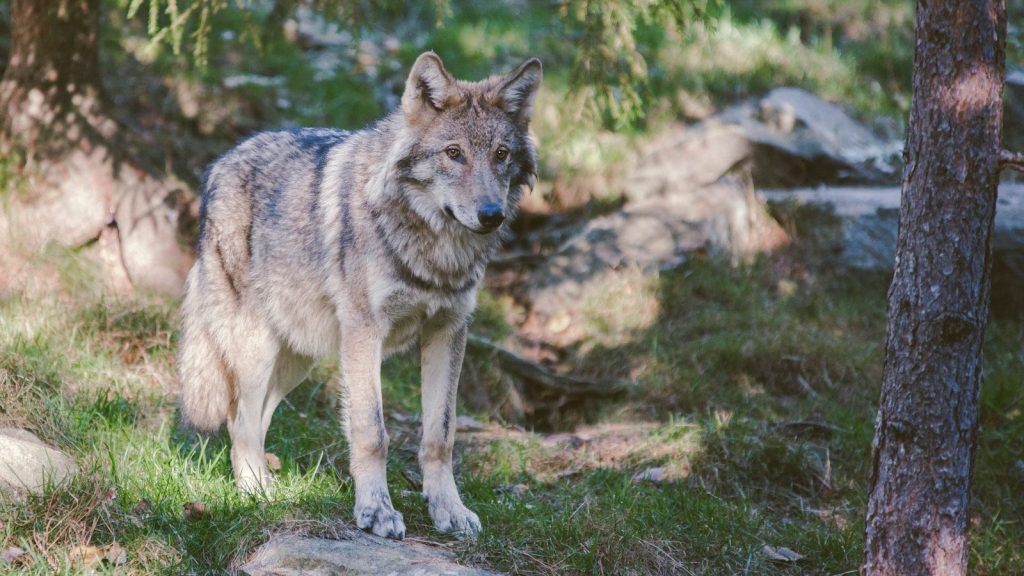
Although dogs and gray wolves are closely related, today’s wolves are not the direct ancestors of modern domestic dogs. Instead, both species descended from an ancient wolf population that no longer exists.
Over thousands of years, the ancestors of dogs gradually diverged from these extinct wolves, eventually developing the physical and behavioral traits associated with domestication.
Domestication Was Likely a Long Process
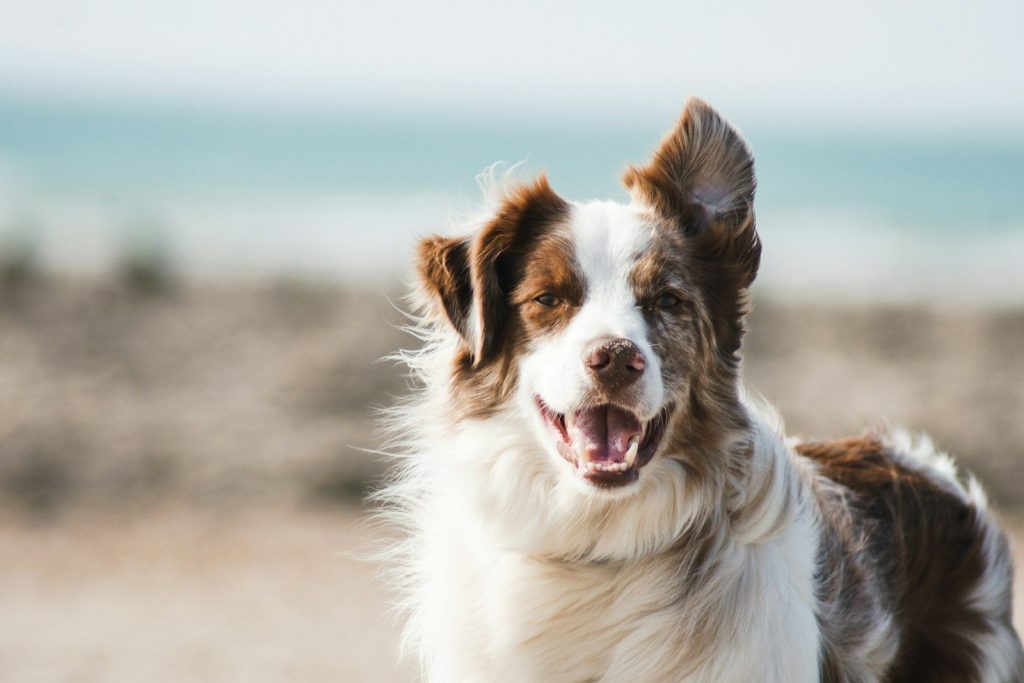
Scientists once believed that humans intentionally domesticated wolves in a single location. Current evidence suggests the process may have occurred gradually over many generations.
Some wolves likely began scavenging near human settlements, benefiting from leftover food. The least fearful individuals had better chances of survival and reproduction, eventually giving rise to populations that became increasingly comfortable around people.
Ancient DNA Is Rewriting the Story
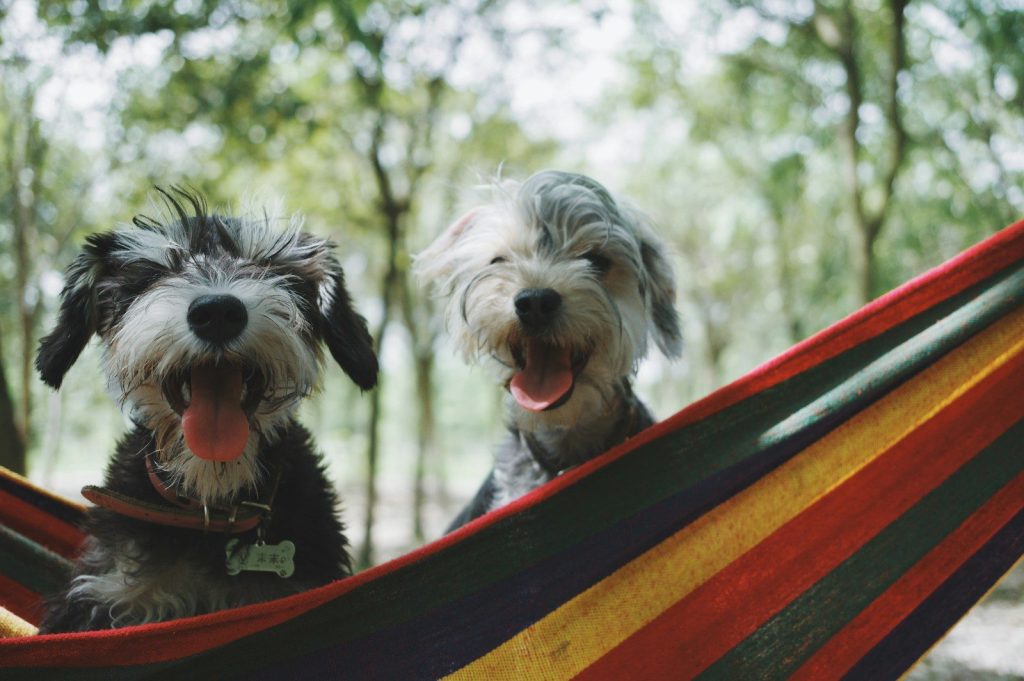
Advances in DNA sequencing have allowed researchers to study the genomes of dogs and wolves that lived thousands of years ago. These ancient genetic samples often reveal unexpected relationships that cannot be detected by studying modern animals alone.
The discoveries suggest that early dog populations mixed with different groups of wolves as humans migrated across continents, making the history of domestication more complicated than previously believed.
Human Migration Influenced Dog Evolution
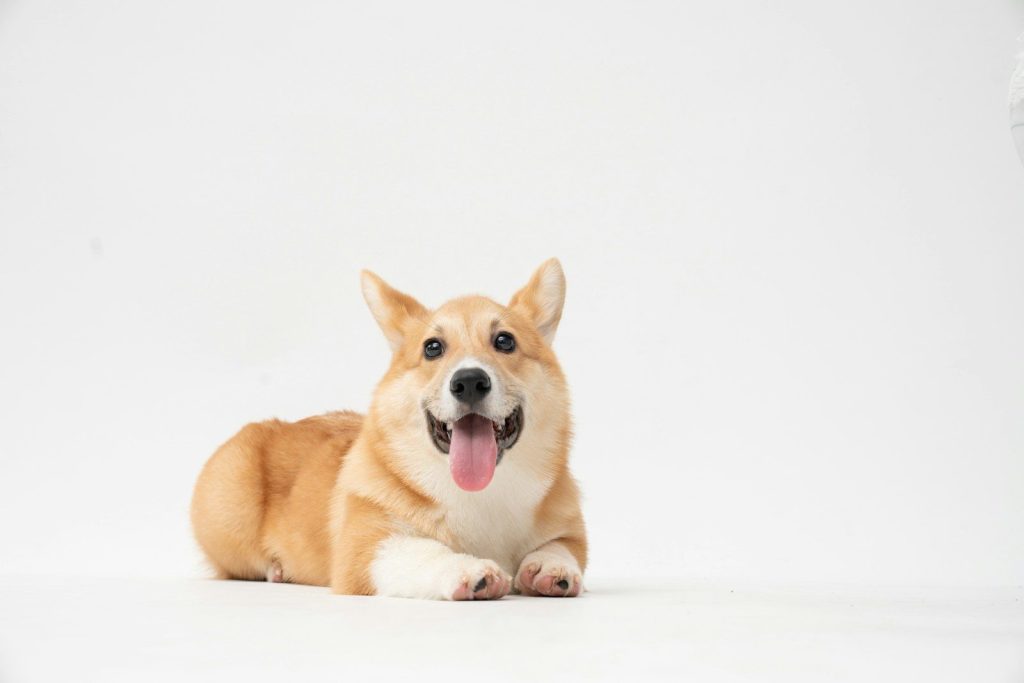
As humans spread into new regions, dogs traveled with them. Along the way, they encountered local wolf populations and other early dog groups, leading to additional genetic mixing.
This close partnership helped dogs adapt to different climates, diets, and lifestyles while allowing humans to benefit from their assistance with hunting, guarding, and companionship.
Selective Breeding Came Much Later
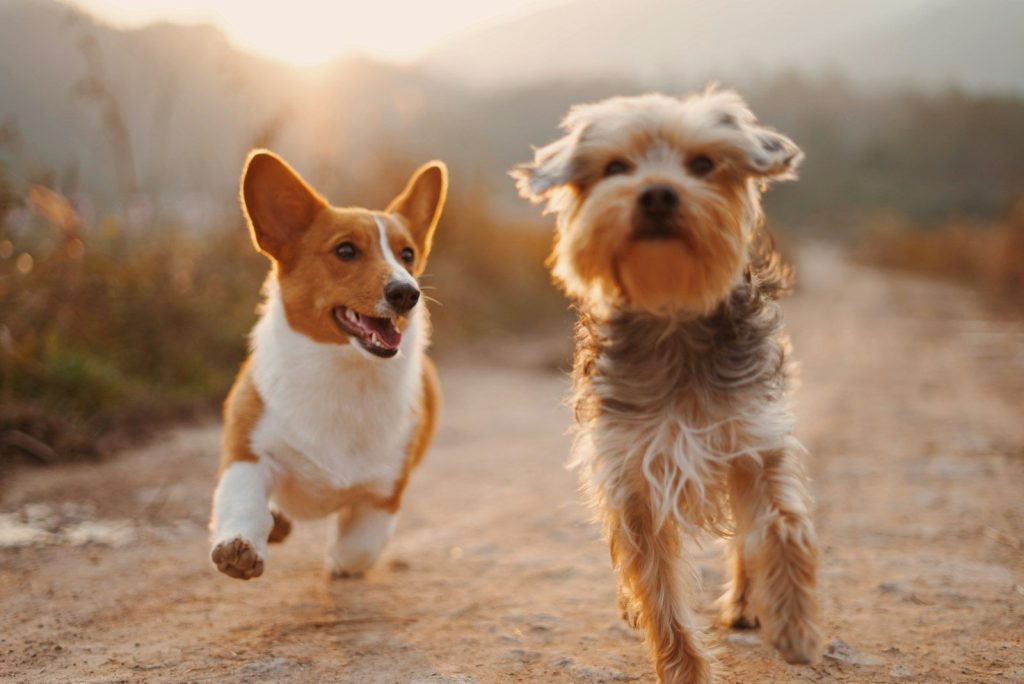
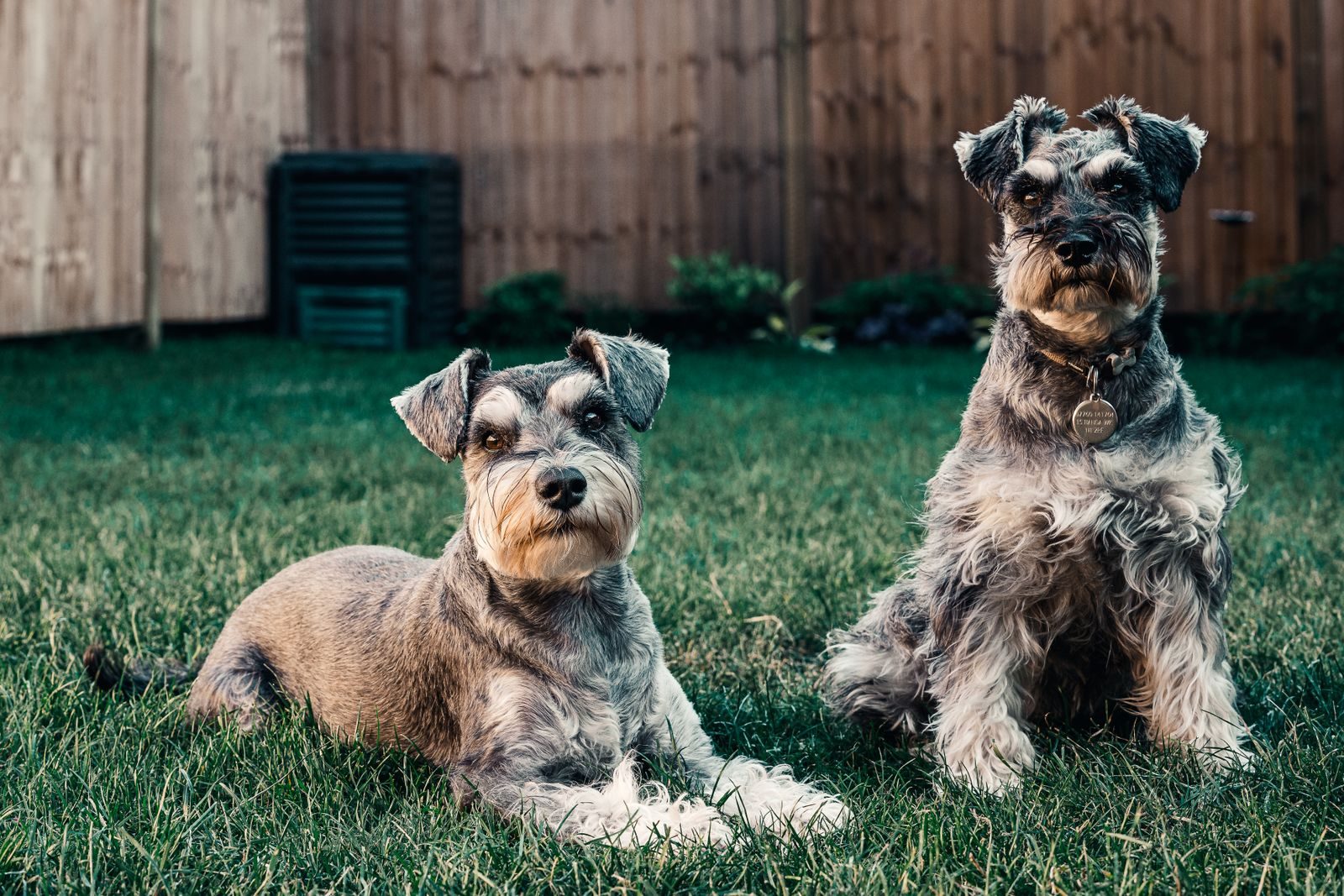
The incredible diversity of modern dog breeds did not appear immediately after domestication. Most of today’s recognized breeds are the result of selective breeding carried out over the past few hundred years.
People intentionally bred dogs for specific traits, such as herding livestock, retrieving game, guarding property, or providing companionship, creating the wide range of sizes, appearances, and personalities seen today.
Scientists Are Still Uncovering New Evidence
The story of dog evolution is far from complete. Each new archaeological discovery and genetic study provides additional clues about where, when, and how dogs first became human companions.
Rather than replacing earlier research, these findings continue to refine our understanding of one of the most important relationships in human history. As more ancient DNA is analyzed, scientists expect the evolutionary history of dogs to become even clearer.
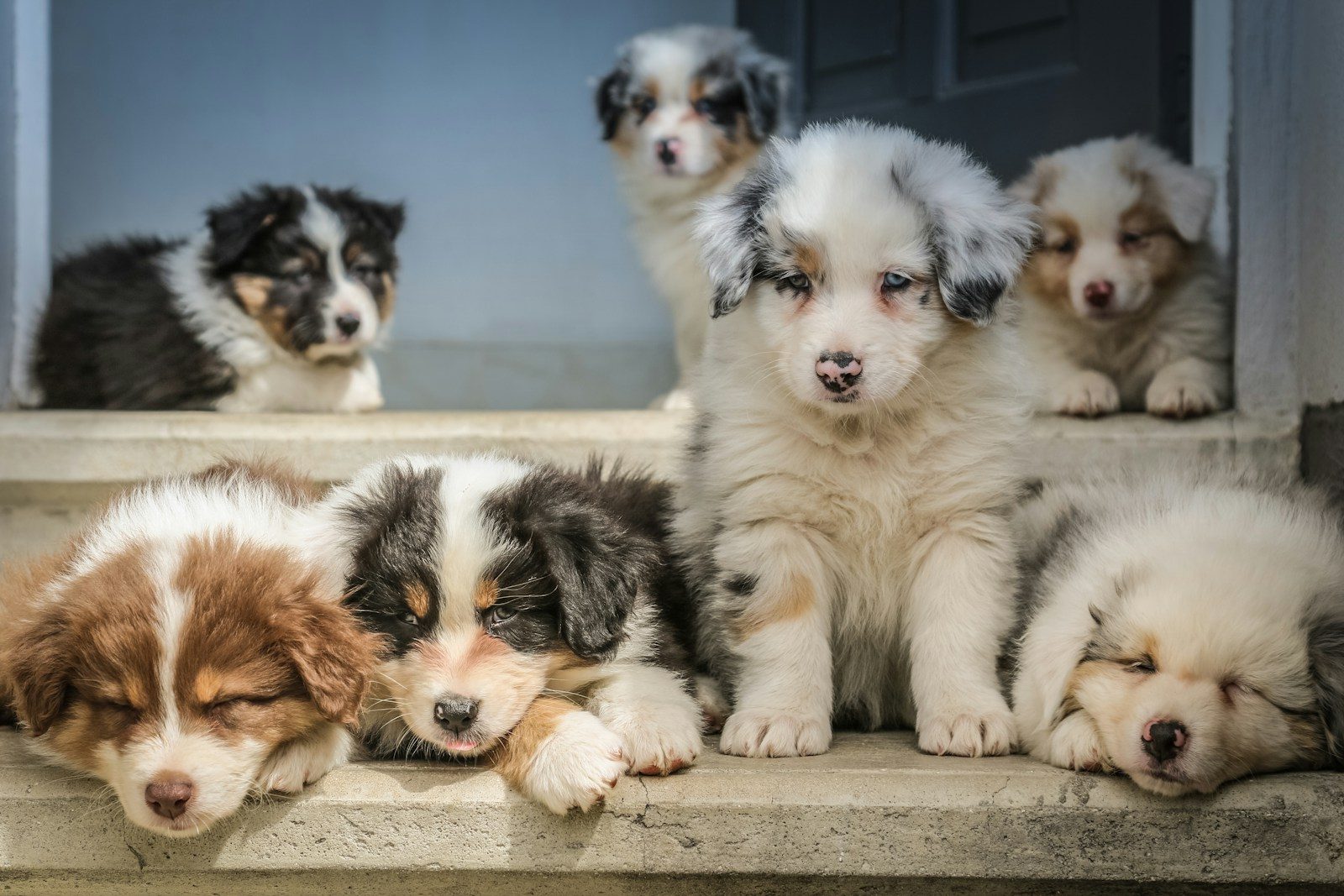
Featured Image: Photo by Jametlene Reskp on Unsplash