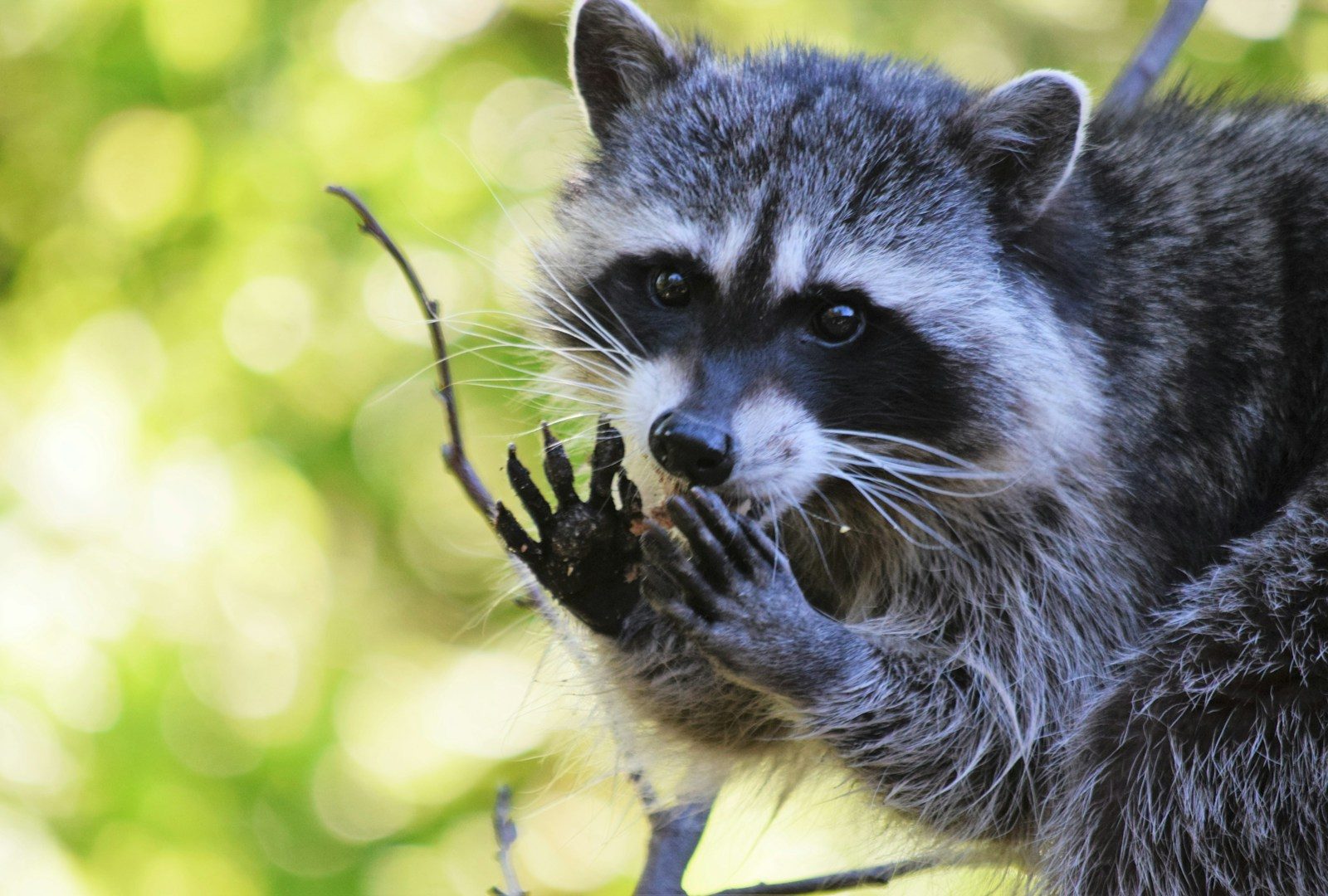
Raccoons are among the most recognizable wild mammals in North America, famous for their black “mask,” ringed tails, and remarkable adaptability. They thrive in forests, wetlands, suburbs, and even busy cities, where their intelligence helps them find food and avoid danger. Although they’re often seen rummaging through trash cans, raccoons possess fascinating abilities that make them far more impressive than many people realize. Their curiosity, dexterity, and problem-solving skills have earned them a reputation as some of the smartest animals in the wild.
They Have Extremely Dexterous Front Paws
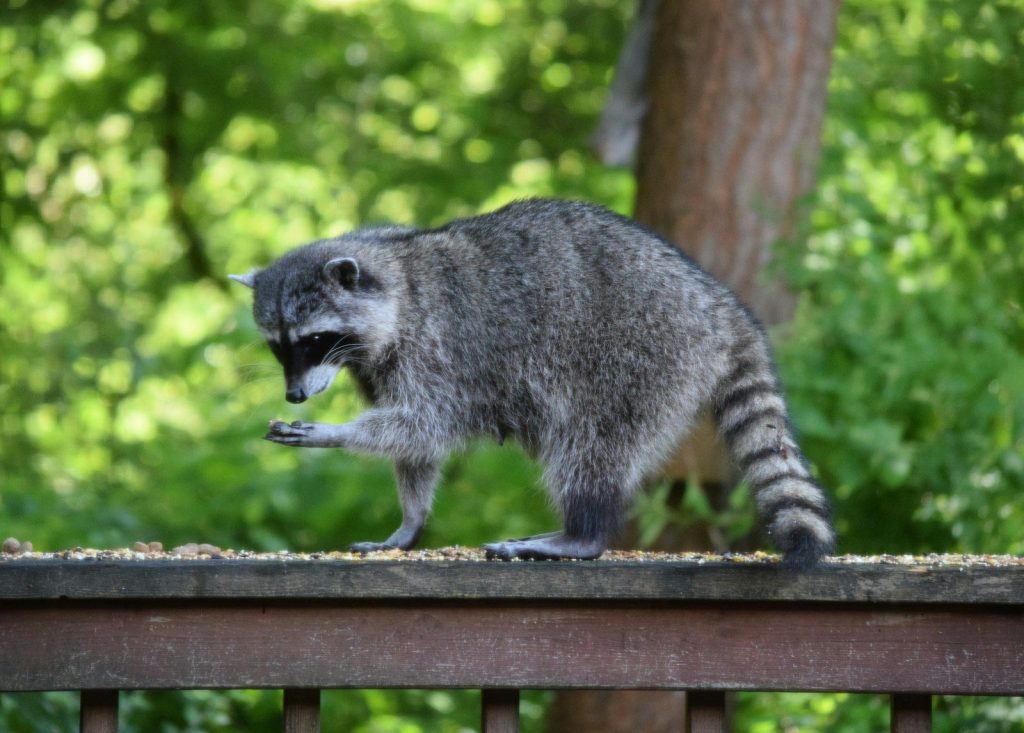
One of a raccoon’s greatest strengths is its highly sensitive front paws. With five flexible fingers on each paw, raccoons can grasp, open, and manipulate objects with surprising precision.
Their sense of touch becomes even more sensitive when their paws are wet, allowing them to identify food and explore their surroundings more effectively, even in low light.
They’re Excellent Problem Solvers

Raccoons are known for their intelligence and ability to solve complex tasks. Studies have shown they can remember solutions to puzzles for years and quickly learn how to open latches, containers, and even some doors.
This impressive problem-solving ability helps them adapt to changing environments, particularly in urban areas where food sources can be difficult to access.
They’re Mostly Nocturnal
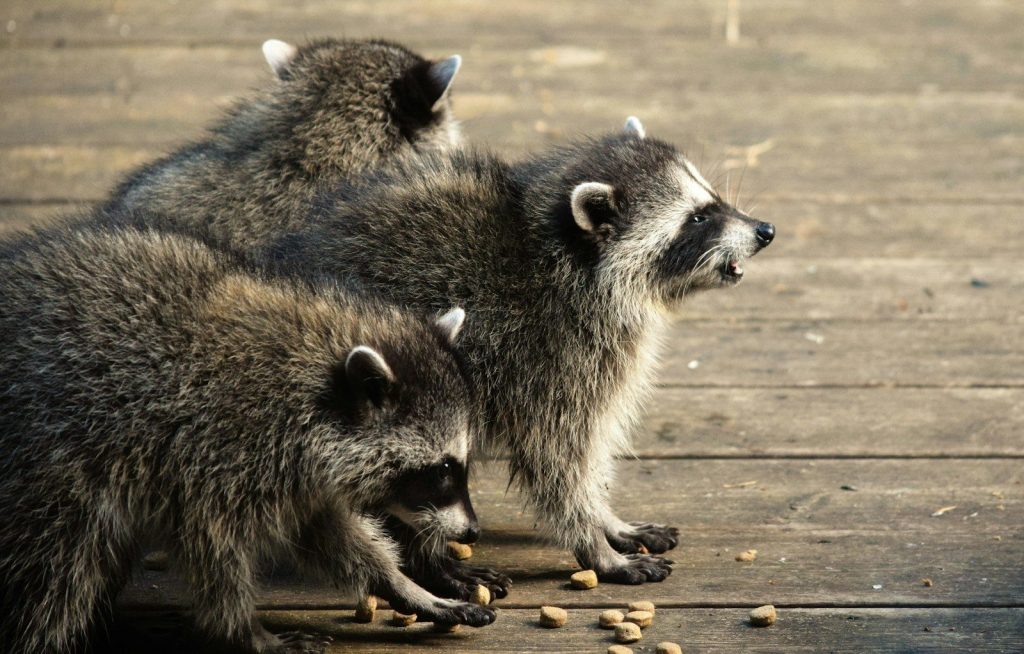
Raccoons are primarily active at night, when they leave their dens to search for food. Their excellent night vision, sensitive hearing, and keen sense of touch make them highly effective nighttime foragers.
Although they occasionally appear during daylight hours, this doesn’t necessarily mean they’re sick. They may simply be searching for food or caring for young.
They’re Omnivores With a Flexible Diet
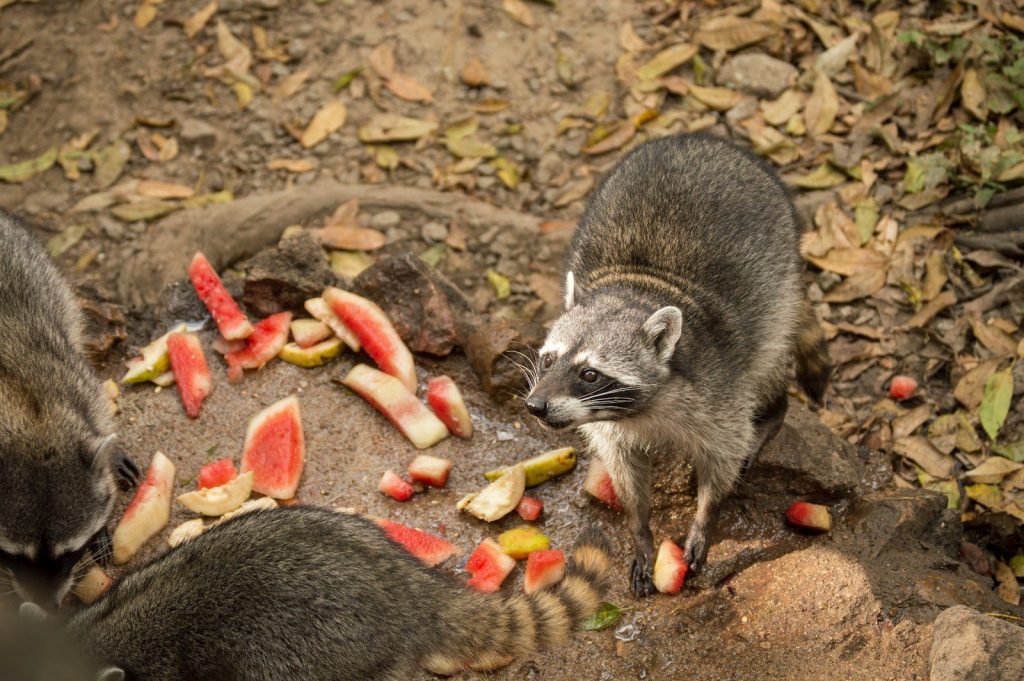
Raccoons aren’t picky eaters. They consume fruits, nuts, insects, fish, frogs, bird eggs, small mammals, and countless other foods depending on what’s available.
Their adaptable diet is one of the main reasons they’ve successfully expanded into cities and suburban neighborhoods, where they readily take advantage of human food waste.
They’re Skilled Climbers and Swimmers
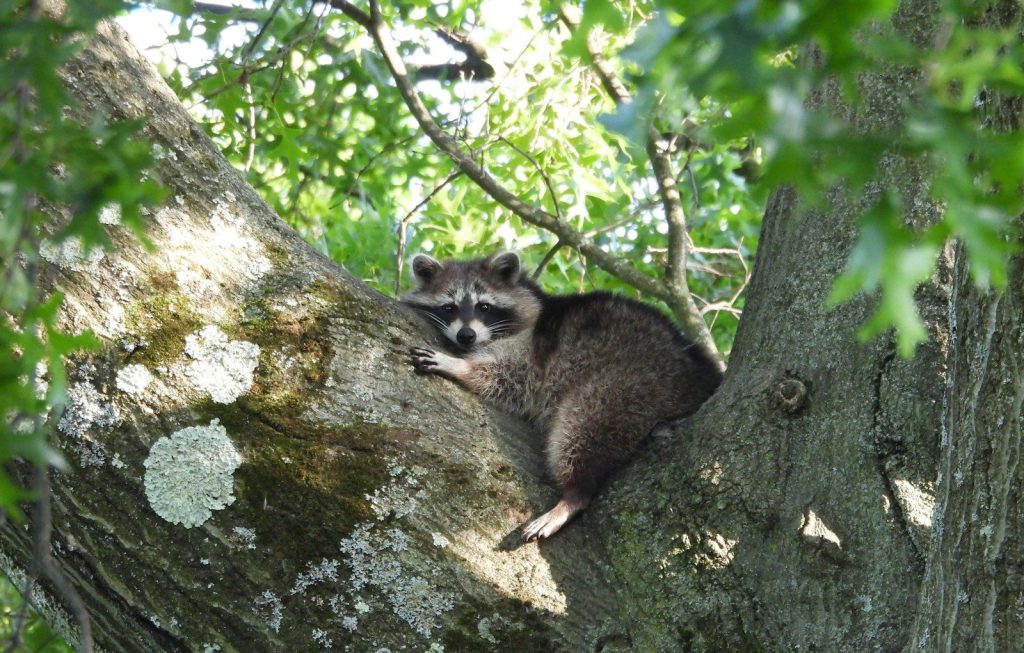
Despite their stocky appearance, raccoons are excellent climbers. Their strong claws and flexible ankles allow them to climb trees headfirst, escape predators, and access nesting sites high above the ground.
They’re also capable swimmers and frequently search streams, ponds, and wetlands for crayfish, frogs, and other aquatic prey.
They Adapt Remarkably Well to Urban Life

Few wild mammals have adjusted to human development as successfully as raccoons. They readily make use of attics, chimneys, storm drains, and hollow trees for shelter while finding food in parks, gardens, and neighborhoods.
Although this adaptability is impressive, experts recommend never feeding wild raccoons. Keeping a respectful distance helps protect both people and wildlife while reducing the risk of unwanted encounters.
Featured Image: Photo by fr0ggy5 on Unsplash