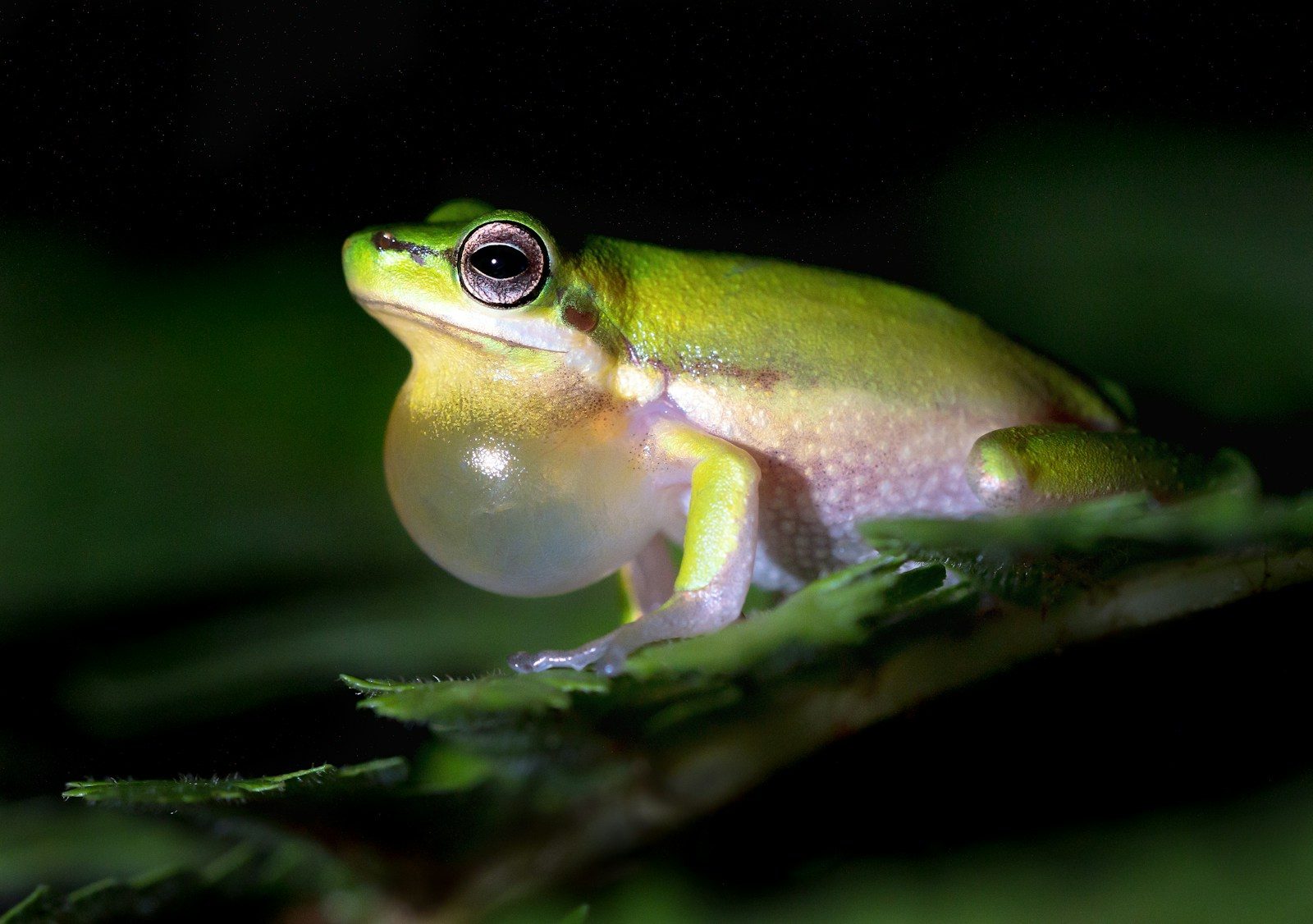
Nature is full of remarkable creatures that challenge our understanding of how animals live, survive, and evolve. From mammals that lay eggs to marine animals with extraordinary camouflage, the natural world is home to species with abilities that seem almost unbelievable. These unique adaptations have developed over millions of years, helping animals thrive in environments ranging from tropical rainforests to the deepest parts of the ocean. Here are six extraordinary animals that showcase just how diverse life on Earth can be.
Platypus
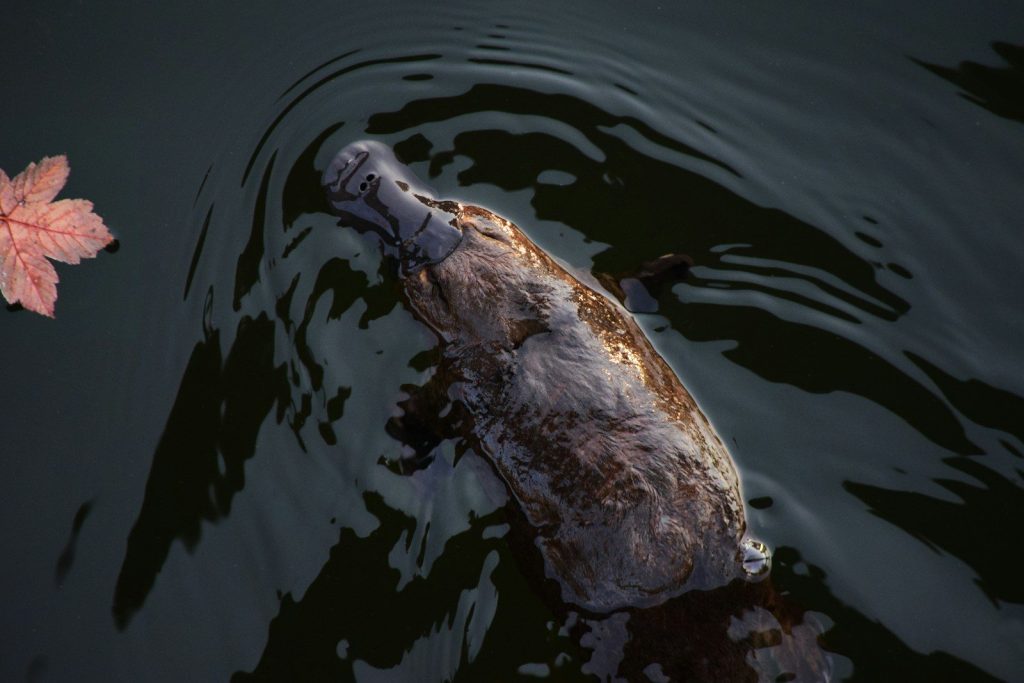
The platypus is one of the most unusual mammals ever discovered. Native to eastern Australia, it has the bill of a duck, the tail of a beaver, webbed feet, and lays eggs instead of giving birth to live young.
Adding to its uniqueness, male platypuses possess venomous spurs on their hind legs. They also use electroreception in their bills to detect the tiny electrical signals produced by prey underwater.
Axolotl
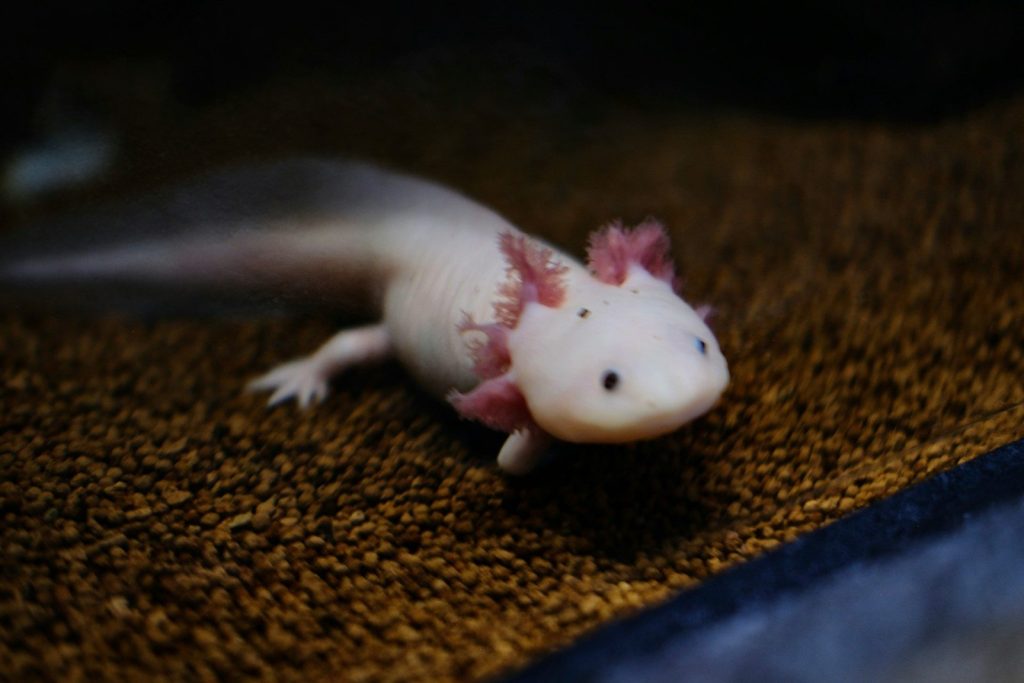
The axolotl is a rare amphibian famous for retaining its juvenile features throughout its entire life. Unlike most salamanders, it remains fully aquatic and keeps its feathery external gills into adulthood.
Perhaps its most remarkable ability is regeneration. Axolotls can regrow limbs, parts of their spinal cord, sections of their heart, and even portions of their brain without significant scarring.
Mimic Octopus
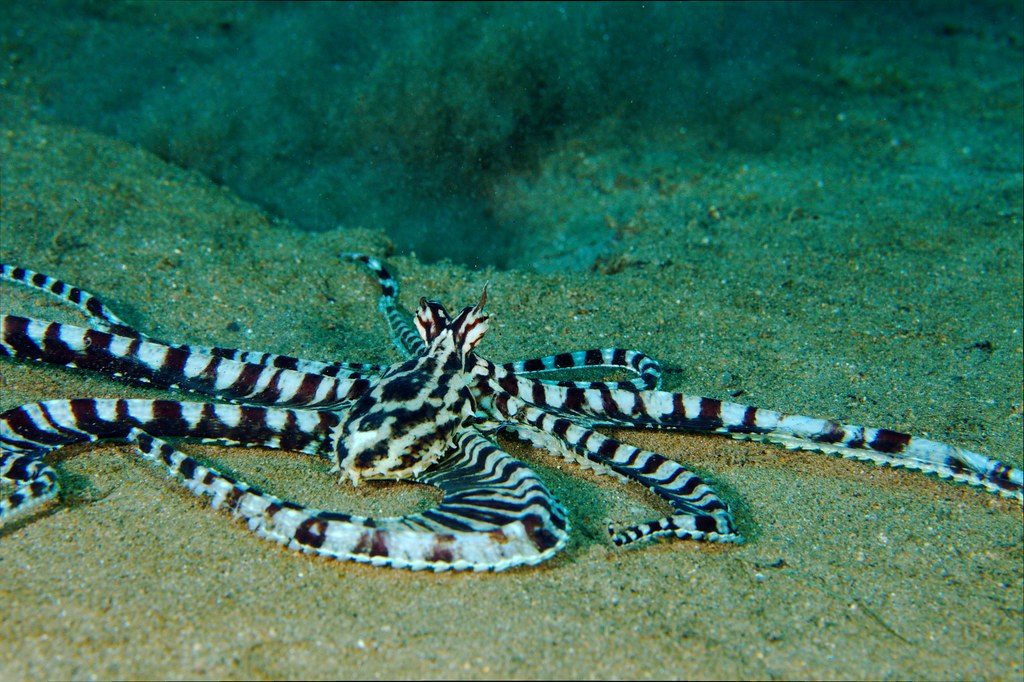
The mimic octopus has one of the most impressive camouflage abilities in the animal kingdom. Instead of simply changing color, it can imitate the appearance and movements of other marine animals.
Depending on the threat, it may resemble a lionfish, sea snake, flatfish, or several other species. This extraordinary behavior helps protect it from predators in the shallow waters of the Indo-Pacific.
Pangolin
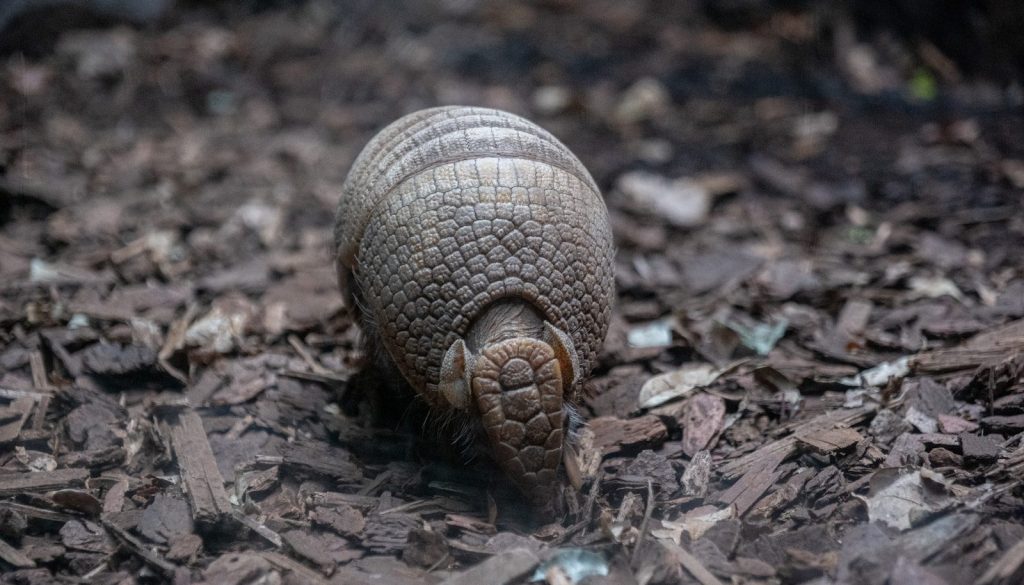
Covered in protective keratin scales, the pangolin is the world’s only scaled mammal. When threatened, it curls into a tight ball, using its tough scales as armor against predators.
Pangolins feed primarily on ants and termites, using their exceptionally long, sticky tongues to reach insects hidden deep inside nests. Despite their unique adaptations, all eight pangolin species face serious conservation challenges due to illegal wildlife trafficking.
Narwhal
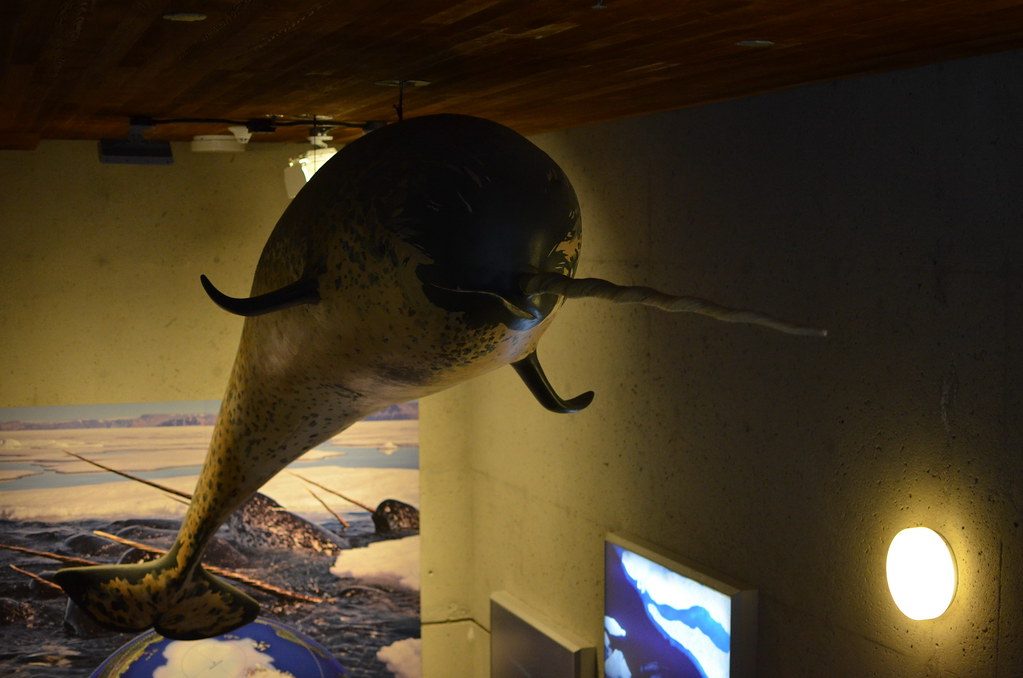
Often called the “unicorn of the sea,” the narwhal is an Arctic whale best known for the long spiral tusk that grows from the upper jaw of most males. This tusk is actually an elongated tooth containing millions of sensory nerve endings.
Scientists believe it helps detect environmental changes and may also play a role in communication and social interactions among narwhals.
Glass Frog
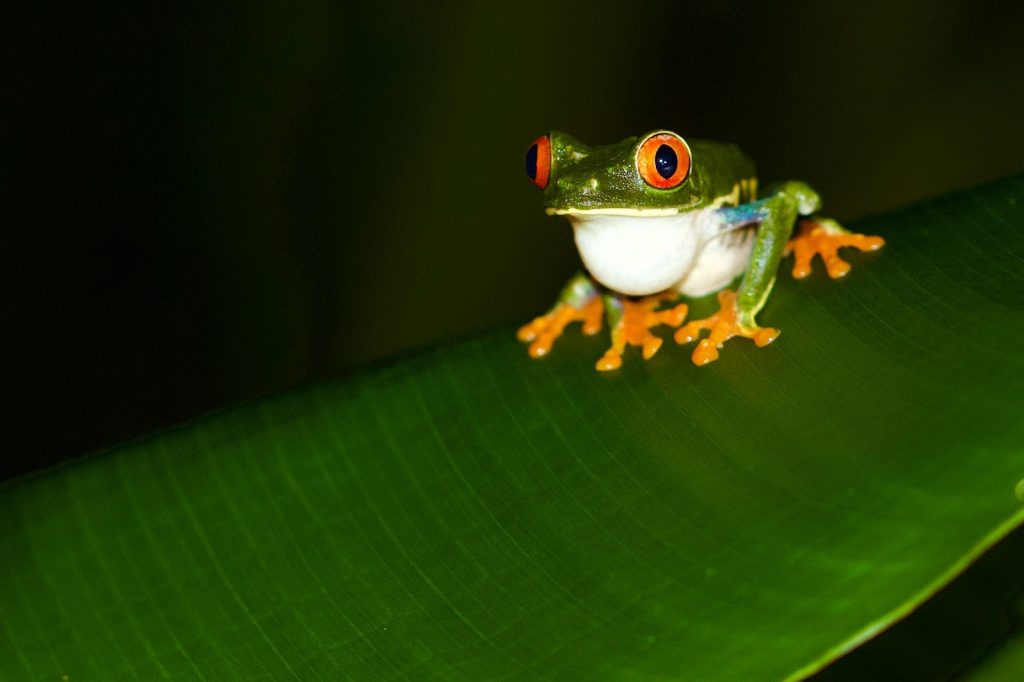
Glass frogs are named for their translucent undersides, through which many of their internal organs can be seen. This remarkable feature helps them blend into leaves while resting beneath vegetation near streams.
Found mainly in Central and South America, these small amphibians are also known for their devoted parenting. In several species, males guard eggs until they hatch, protecting them from predators and dehydration.
Featured Image: Photo by David Clode on Unsplash