
A massive great white shark named Bella is making waves in Atlantic Canada after being tracked through the Gulf of St. Lawrence near Quebec’s Magdalen Islands. The 10-foot-long juvenile shark has captured attention, but experts say her appearance is not a cause for alarm.
Researchers explain that white sharks have always been part of Atlantic Canada’s ecosystem. Their return reflects recovering populations, healthier oceans, and improved conservation efforts that have helped restore this powerful marine predator.
Bella the Great White Shark Makes a Remarkable Journey
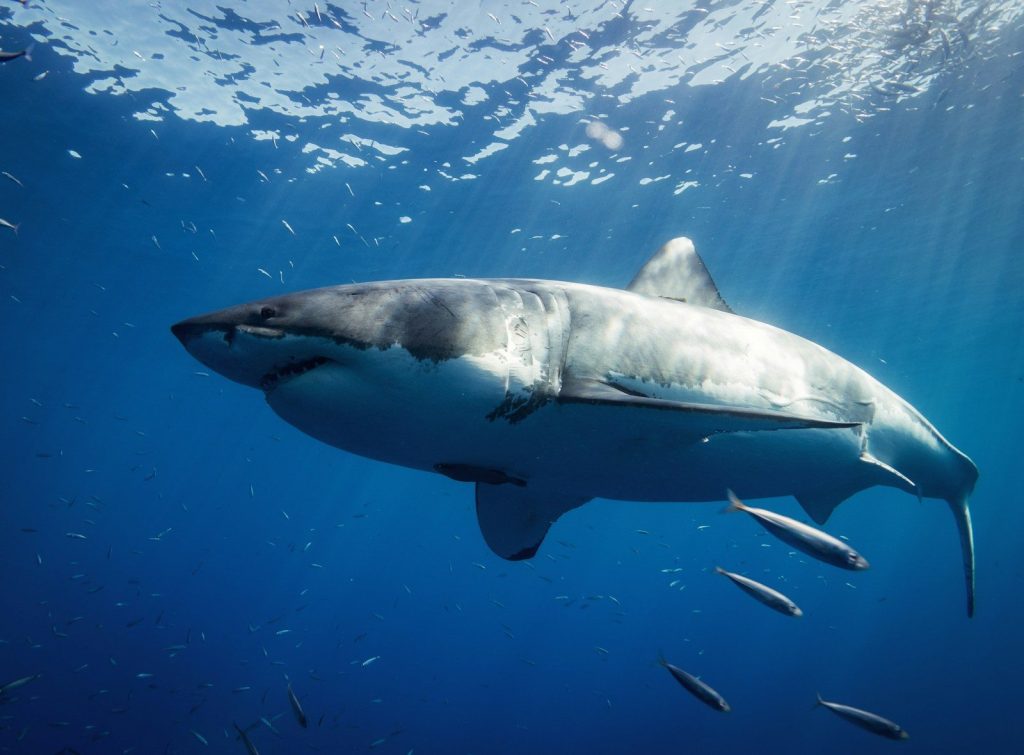
Bella was first tagged in July 2025 near Mahone Bay, Nova Scotia, when she measured about 10 feet long and weighed around 730 pounds. Since then, she has travelled thousands of kilometres through North American waters.
The young shark moved from the Gulf of Mexico back north through Cape Cod, the Gulf of Maine, Nova Scotia, Prince Edward Island, and finally into the Gulf of St. Lawrence.
Scientists Say Shark Sightings Are Becoming More Common
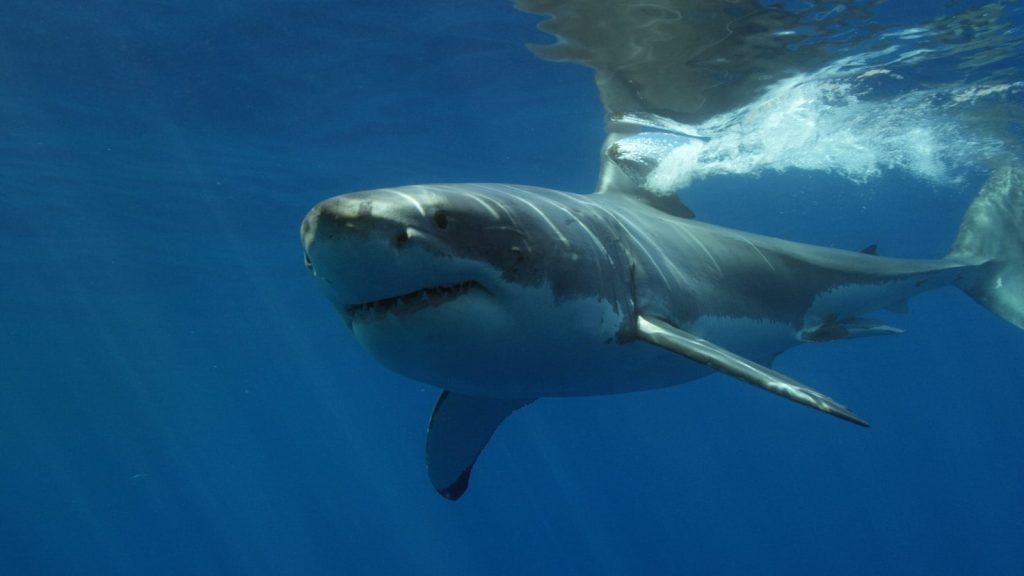
Experts say Bella’s arrival is part of a natural seasonal pattern rather than an unusual event. Great white sharks have been visiting Atlantic Canadian waters for thousands of years.
Improved tracking technology and increased public sightings through phones and cameras have also made shark movements easier to monitor. Researchers now have a clearer picture of their migration routes.
Rising Shark Numbers Show Ocean Recovery
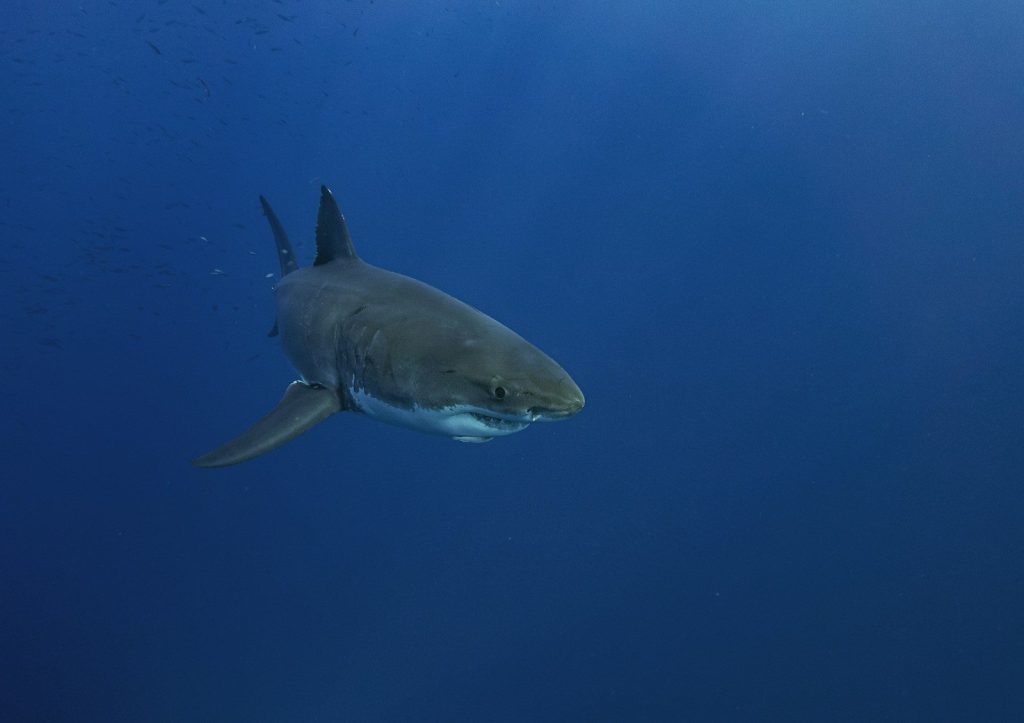
Great white shark populations suffered major declines from the 1960s to the early 1990s due to heavy fishing pressure. Conservation protections later helped these predators begin a slow recovery.
Scientists also point to the return of seal populations, a key food source for white sharks, as another reason more sharks are being seen in Canadian waters.
Should Swimmers Be Worried About Great Whites?
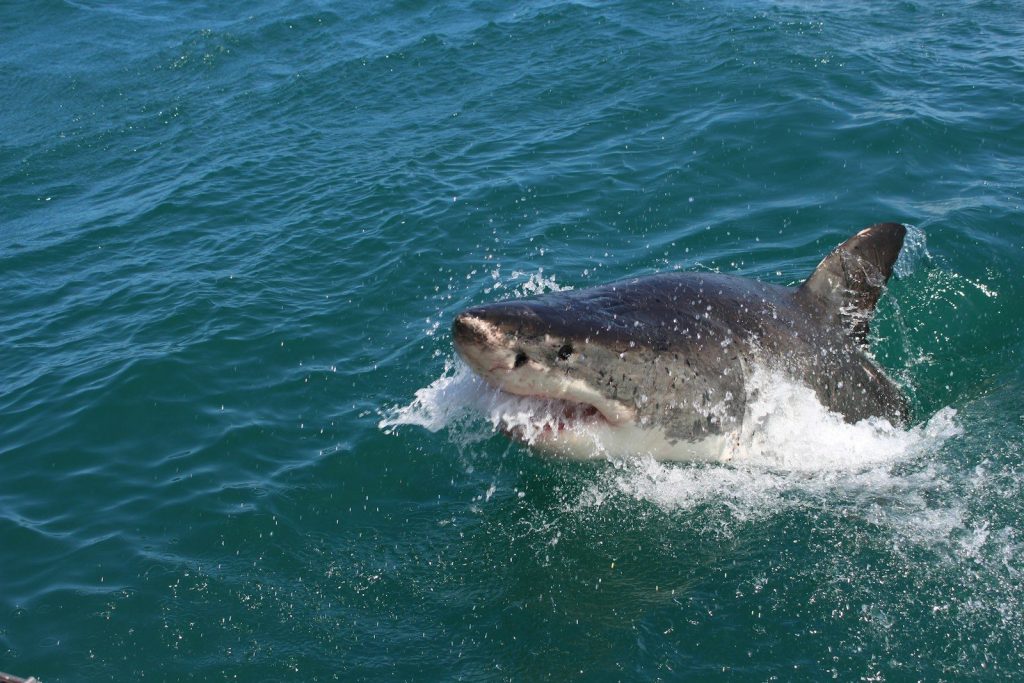
Although great white sharks are powerful predators, experts say they do not actively seek out humans as prey. Shark encounters remain extremely rare in Canadian waters.
Researchers recommend simple precautions, including avoiding swimming near seals, staying out of murky waters, and avoiding early morning or evening swims when visibility is lower.
Bella Highlights the Importance of Protecting Marine Life

Scientists believe the return of great white sharks is a positive sign for ocean health. As apex predators, sharks help maintain balance within marine ecosystems.
Bella’s journey offers a reminder that conservation can help restore wildlife populations. Her presence shows that Canada’s oceans continue to support some of the world’s most fascinating creatures.
Disclaimer: The images used in this article are for illustrative and representational purposes only. They may not depict the actual shark, location, or event described in the story.