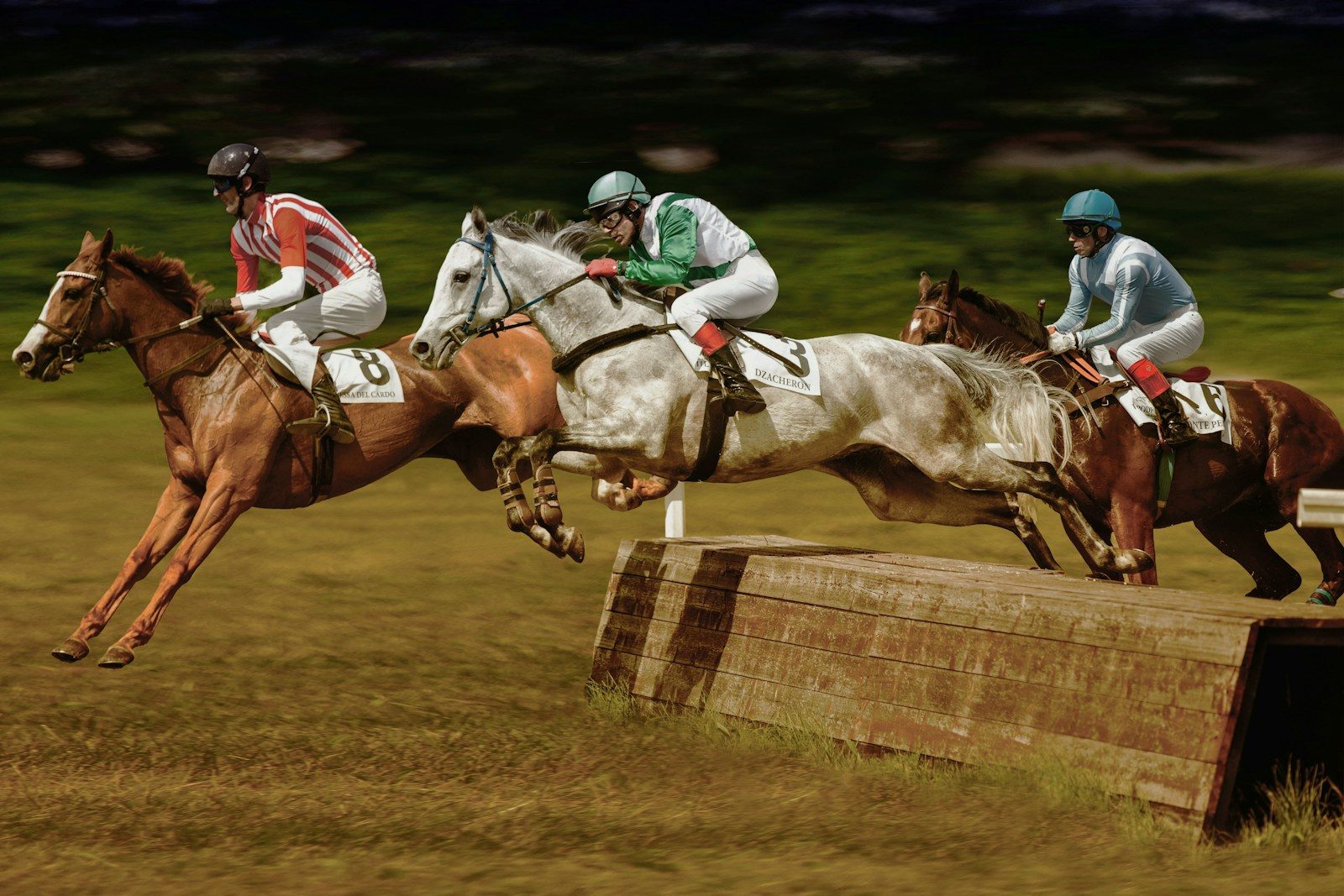
Wild pony racing, a century-old rodeo tradition, is once again facing criticism from animal welfare advocates who question whether the event is entertainment or a form of distress for young ponies. The debate has intensified as the sport returns to rodeo arenas in Saskatchewan.
Supporters say the event celebrates Western heritage and teaches children horsemanship, while critics argue that untrained ponies may experience fear, stress, and long-term behavioural changes.
What Is Wild Pony Racing and Why Is It Controversial?
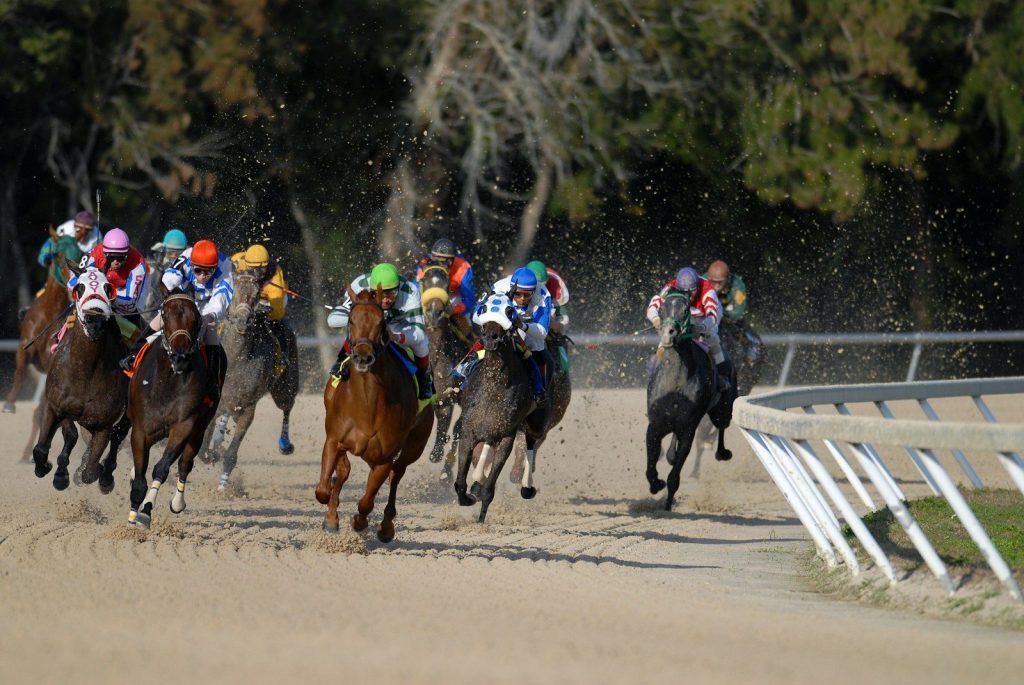
Wild pony racing involves teams of children, usually under the age of 13, attempting to catch, saddle, and ride an untrained pony as quickly as possible. The fast-paced event is a popular attraction at some rodeos.
Animal welfare groups argue that the ponies are placed in overwhelming situations with crowds, noise, and unfamiliar handling. They say the experience may damage the animals’ trust in humans.
Animal Advocates Raise Concerns Over Pony Welfare
Rhonda Stock, who runs a pony and donkey sanctuary in Saskatchewan, says some rescued ponies arrive fearful and difficult to handle. She believes the racing environment can create lasting emotional stress.
Stock argues that these ponies are not truly wild but simply young and untrained animals. She says forcing them into chaotic situations can have consequences lasting for many years.
Riders and Supporters Defend the Rodeo Tradition
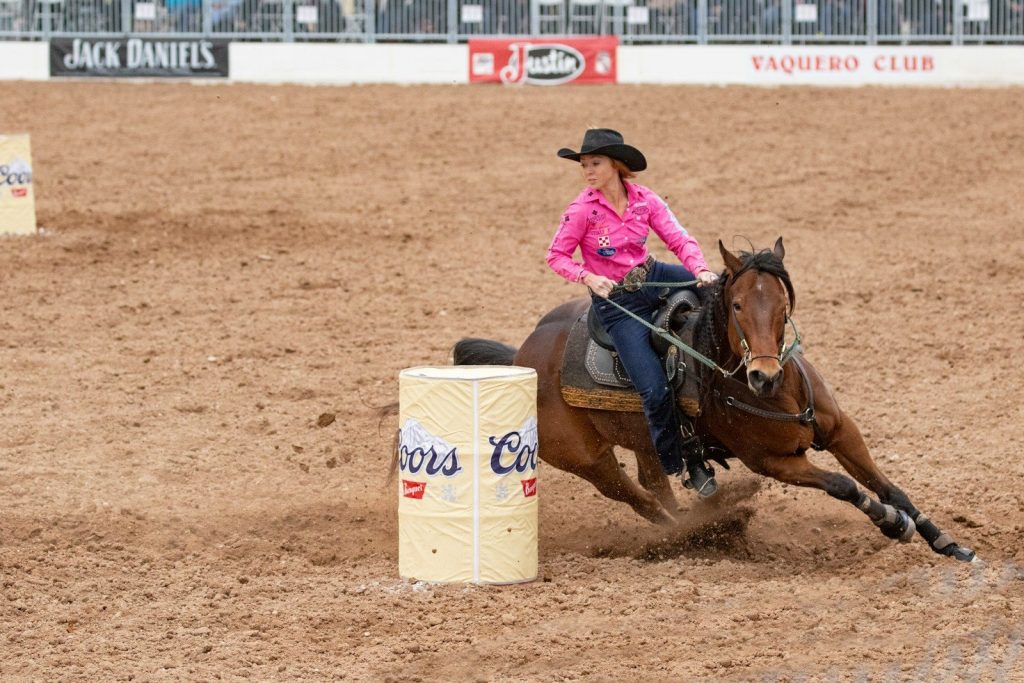
Young competitors involved in wild pony racing say the sport is exciting and teaches valuable skills. Riders believe the ponies are strong animals capable of adapting to the challenge.
Supporters also argue that experienced handlers take care of the ponies and that animals showing signs of distress would not continue participating in events.
Stock Contractors Say Ponies Are Treated Responsibly
Rodeo stock contractors defend the practice, saying they have worked with thousands of ponies and have not seen evidence of long-term harm. They believe the animals become familiar with the routines.
Contractors say many racing ponies live long lives and receive proper care, including regular feeding, training, and veterinary attention.
The Future of Wild Pony Racing Remains Uncertain
The growing debate highlights a wider conversation about balancing cultural traditions with modern animal welfare expectations. Many people are asking whether historic practices should evolve.
As rodeos continue to attract audiences, organizers may face increasing pressure to improve safety standards and address concerns surrounding the treatment of animals.