A family day at a zoo in Cambridgeshire, England, turned into a heartbreaking incident after a three-year-old boy was reportedly thrown into a crocodile enclosure. The child suffered serious injuries before being rescued by zoo staff and family members. Following a temporary closure, the zoo has now reopened, while investigations into the incident continue. The tragedy has also sparked discussions about zoo safety and the instinctive behavior of crocodiles.
The Zoo Has Reopened to Visitors
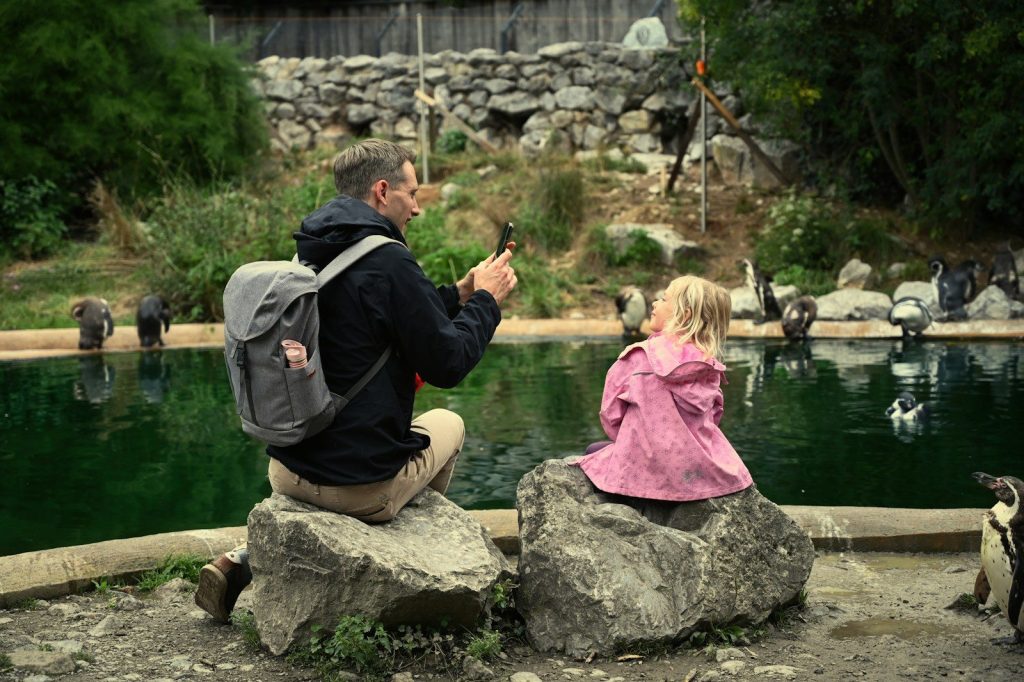
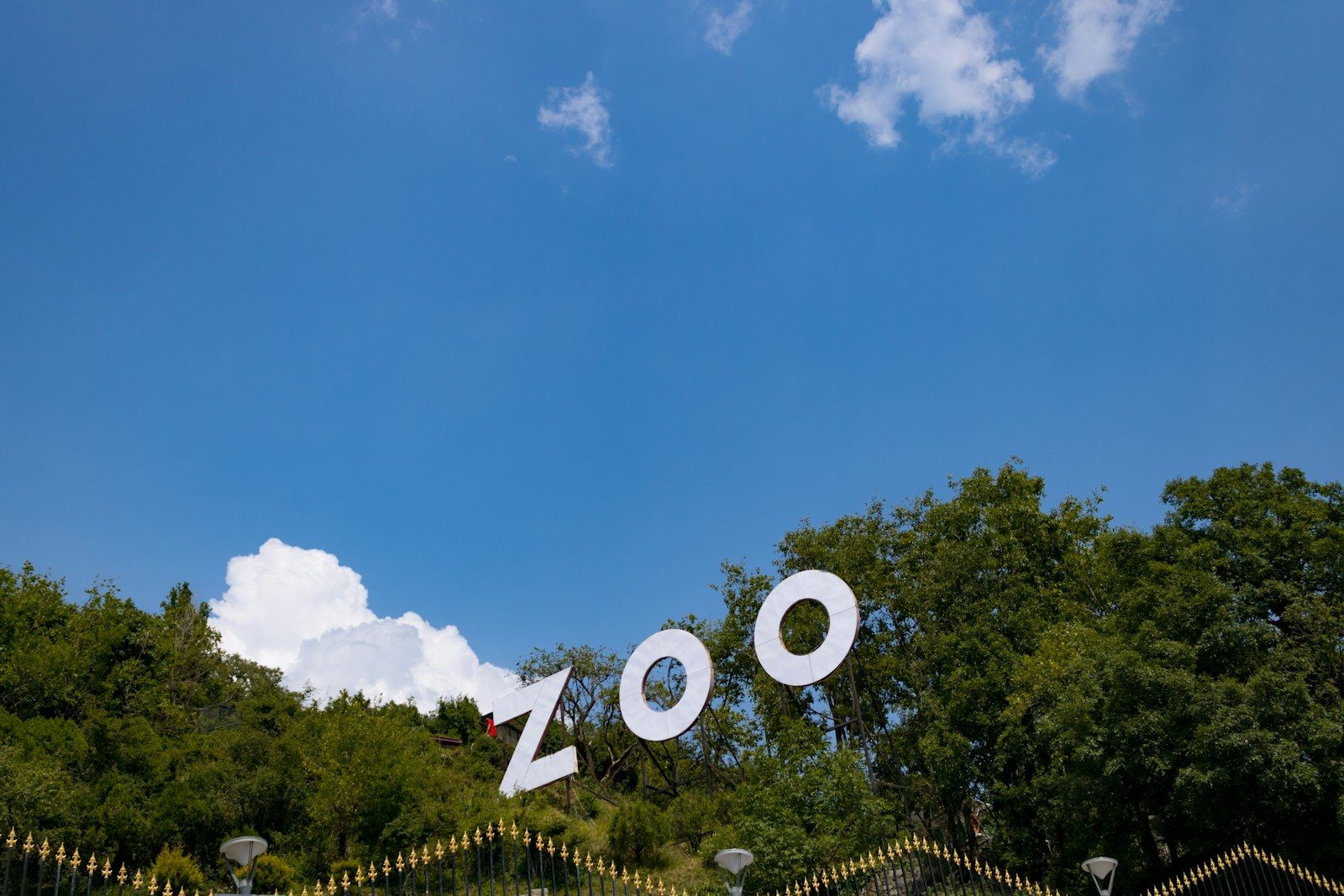
Johnsons of Old Hurst zoo announced that its entire site, including the crocodile exhibit, has reopened after temporarily closing part of the attraction following the incident.
Zoo officials stated that they remain focused on supporting the injured child and his family while resuming normal operations. The reopening comes as police investigations continue.
What Happened During the Incident
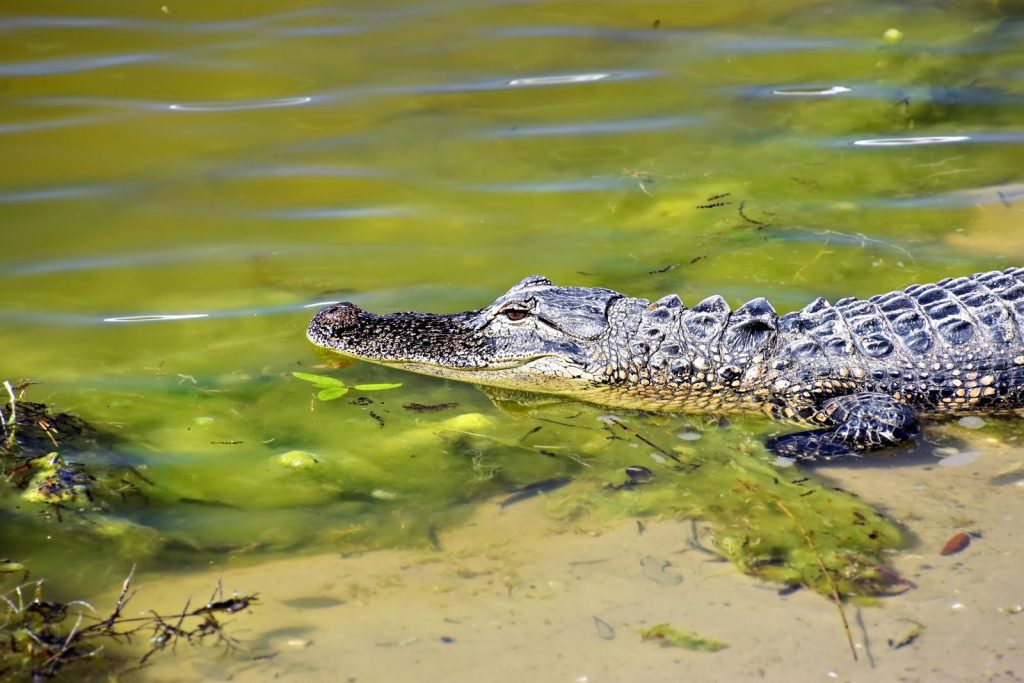
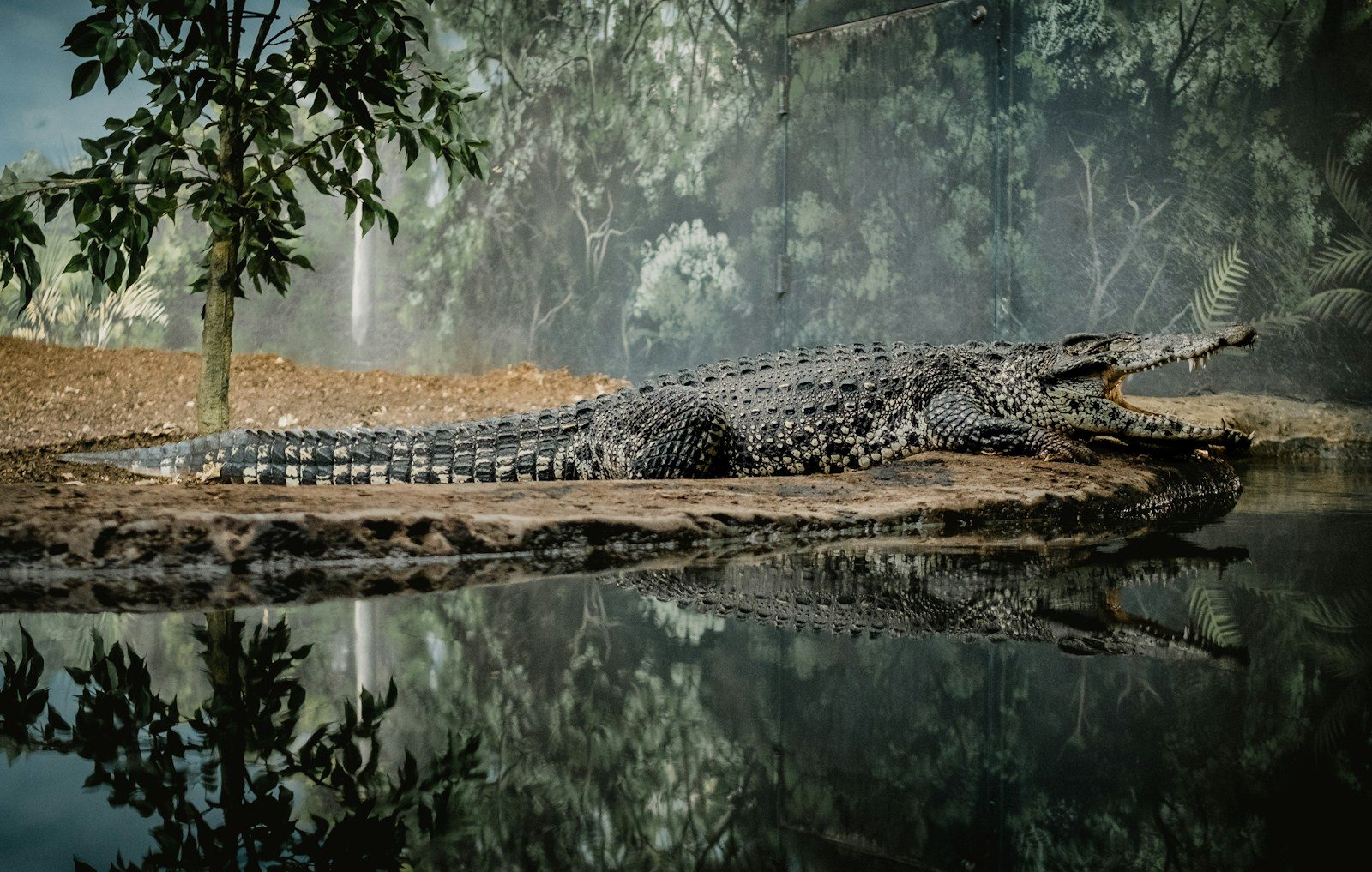
According to reports, the three-year-old boy fell approximately 15 feet into a crocodile enclosure after allegedly being thrown by another visitor who was unknown to the family.
The child suffered serious injuries and was rescued by the zoo owner’s family, who entered the enclosure despite the danger. He was later taken to the hospital, where he remains under medical care.
Investigation Into the Alleged Attack
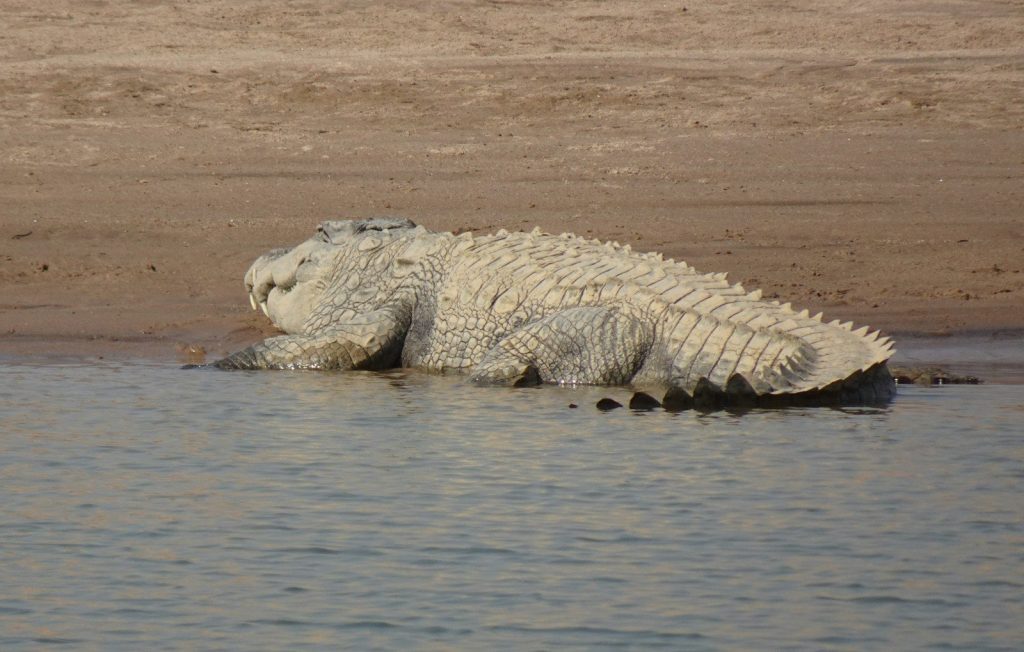
Police arrested a 30-year-old man on suspicion of attempted murder shortly after the incident. Authorities later released him on bail after determining he was medically unfit for an interview.
Investigators continue examining the circumstances surrounding the case while collecting witness statements and reviewing available evidence before any legal decisions are made.
Why Crocodiles React So Quickly
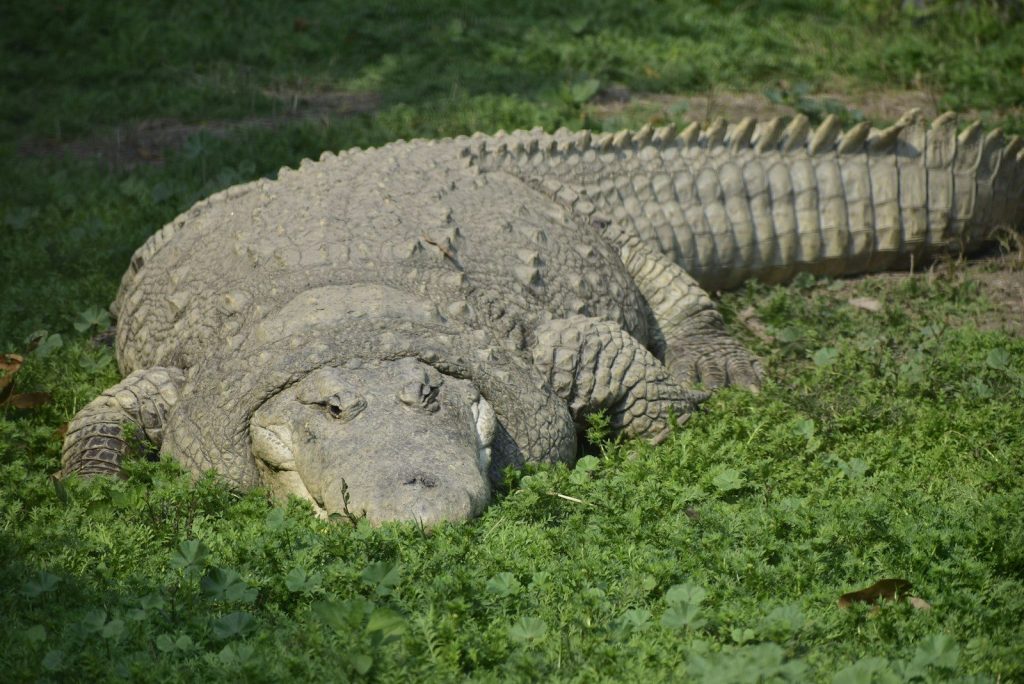
Wildlife experts explain that crocodiles are highly instinctive predators that respond immediately to movement or splashing in the water. These reactions are part of their natural survival behavior rather than deliberate aggression.
Even crocodiles living in zoos retain these powerful instincts. An unexpected object or person entering the enclosure can trigger an automatic bite or defensive response within seconds.
How Zoos Protect Visitors and Animals
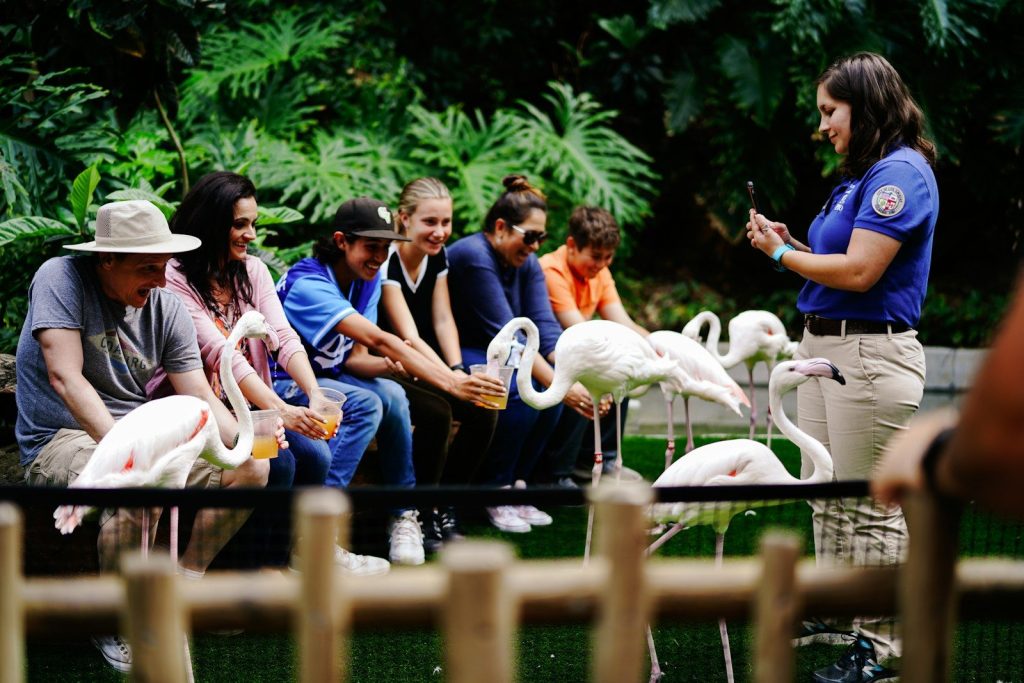
Modern zoos use barriers, secure viewing areas, warning signs, and trained staff to keep visitors safely separated from dangerous animals. These systems are designed to prevent accidents while allowing people to observe wildlife.
However, experts emphasize that no enclosure can completely eliminate risks caused by unexpected human actions. Visitor safety ultimately depends on respecting barriers and following zoo rules at all times.