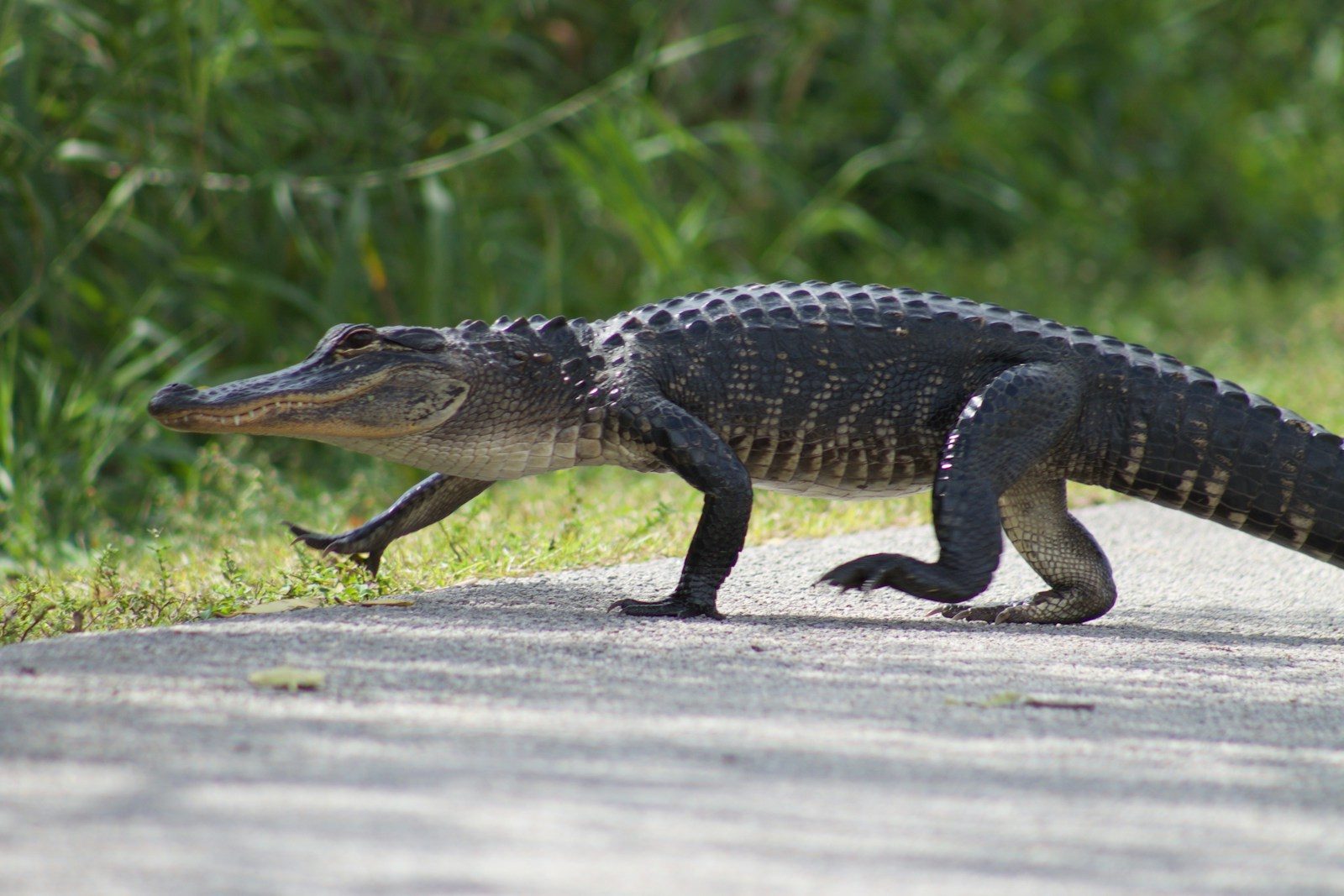
Two separate alligator attacks in Central Florida over the same weekend have renewed discussions about staying safe around freshwater habitats. While one incident resulted in a tragic fatality, another left a child injured, reminding residents and visitors that alligators are powerful wild animals that should never be underestimated.
Although serious alligator attacks remain uncommon, experts say following basic safety precautions can greatly reduce the risk of dangerous encounters.
Fatal Alligator Attack in the Econlockhatchee River
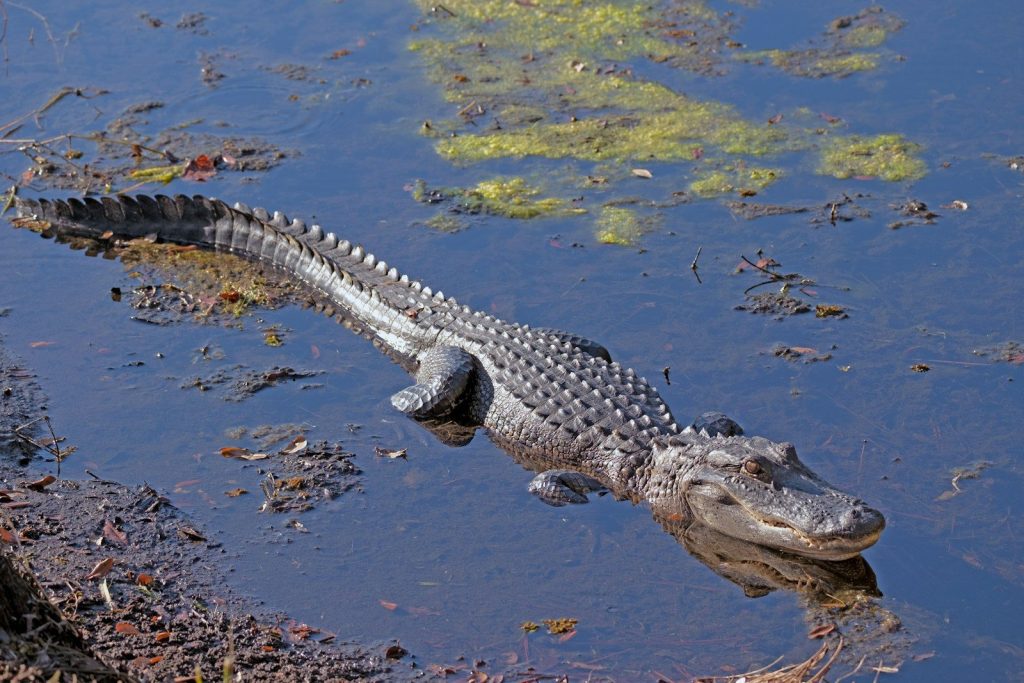
The first incident occurred at the Econlockhatchee River in Central Florida, where a woman was swimming with friends when she was attacked by an alligator. Emergency responders rushed her to a nearby hospital, but she later died from her injuries.
Wildlife officials launched an investigation immediately after the attack. Professional nuisance alligator trappers were also called to the area to locate the animal involved.
Child Injured While Fishing Along the Shore
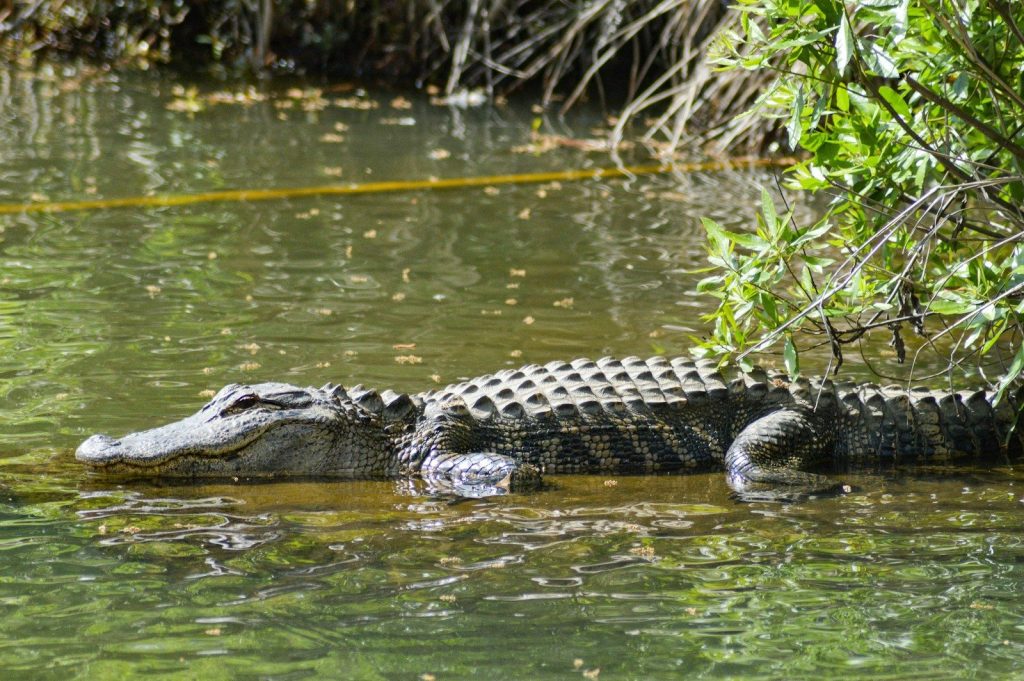
A day earlier, another alligator attacked a child who was fishing from the shoreline at a local fish camp in Marion County. The child suffered injuries to the hand and was transported to a hospital for medical treatment.
Wildlife officers later located and euthanized the alligator, which measured over eight feet in length. Officials continue to remind the public that alligators may approach shorelines where people fish or clean their catch.
Why Alligator Encounters Can Become Dangerous
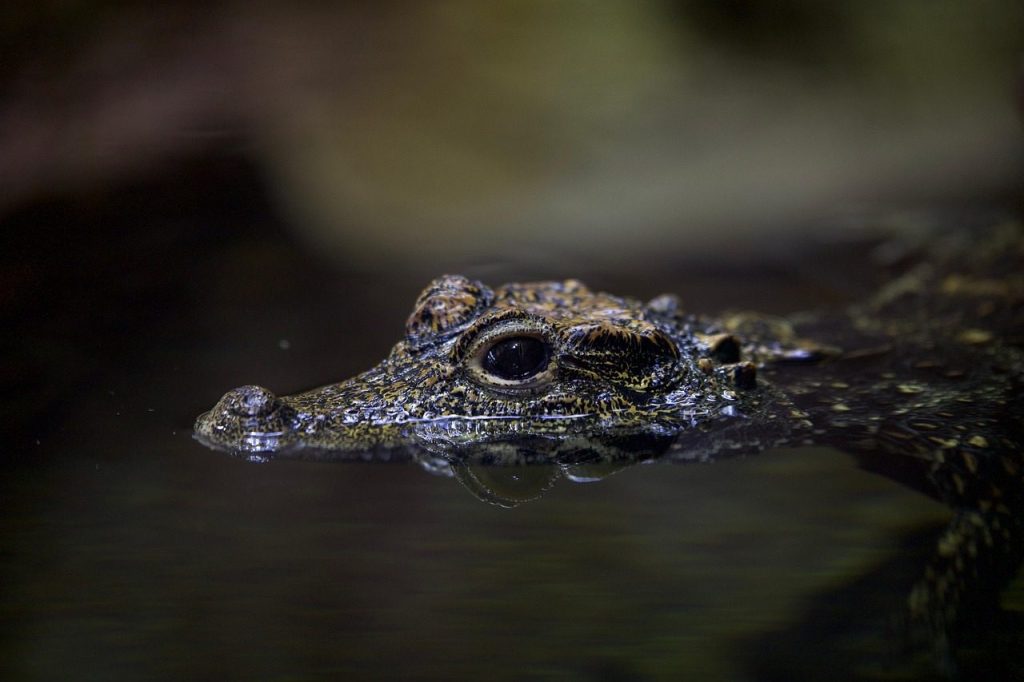
Florida is home to more than a million alligators, many of which live in rivers, lakes, ponds, marshes, and canals. While they generally avoid humans, they can become aggressive if they feel threatened or mistake movement for prey.
Swimming in natural waterways, especially during warmer months, increases the likelihood of unexpected encounters. Young children and pets are particularly vulnerable near the water’s edge.
Never Feed Wild Alligators
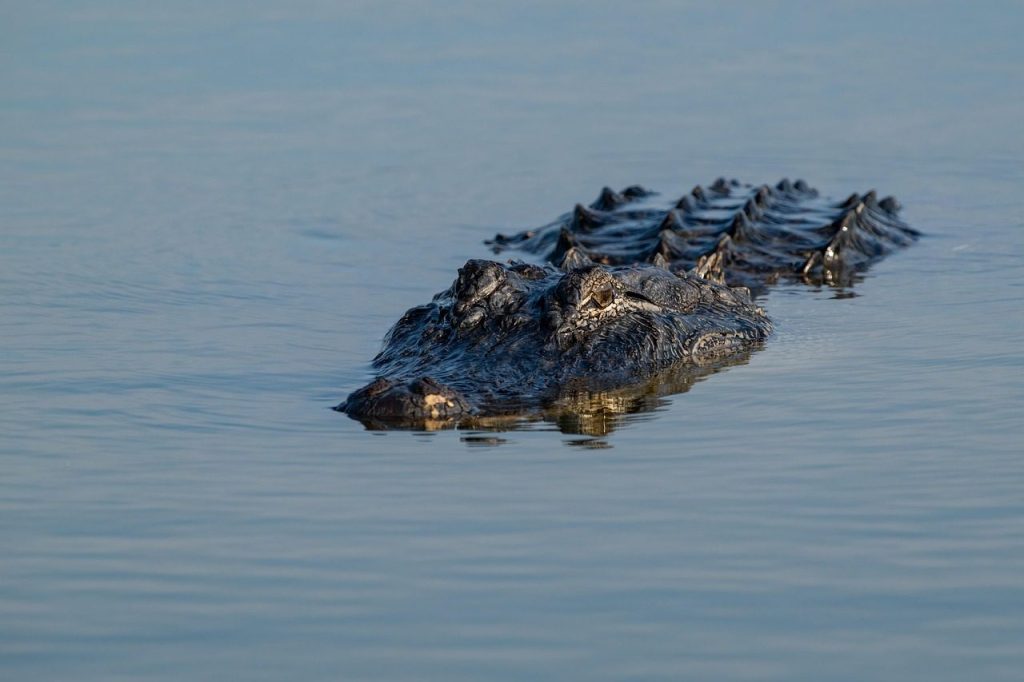
Wildlife experts strongly discourage feeding alligators under any circumstances. When alligators receive food from people, they begin associating humans with easy meals instead of avoiding them.
This loss of natural fear often causes alligators to approach boats, docks, parks, and swimming areas. Animals that repeatedly seek out people frequently become safety risks and may eventually need to be removed.
Simple Safety Tips Around Alligator Habitats
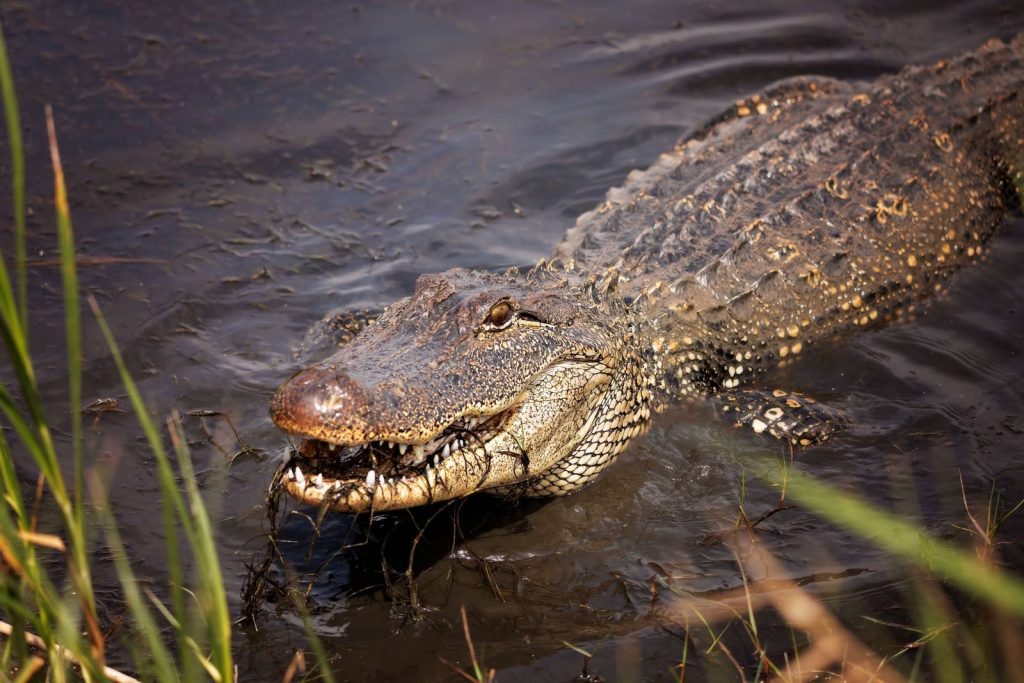
Anyone visiting areas where alligators live should remain alert and maintain a safe distance from the water whenever possible. Swimming should only take place in designated areas during daylight hours.
Pets should always remain on a leash and away from shorelines, as they can resemble natural prey. Parents should also closely supervise children whenever they are near lakes, rivers, or ponds.
Respecting Wildlife Helps Prevent Tragedies
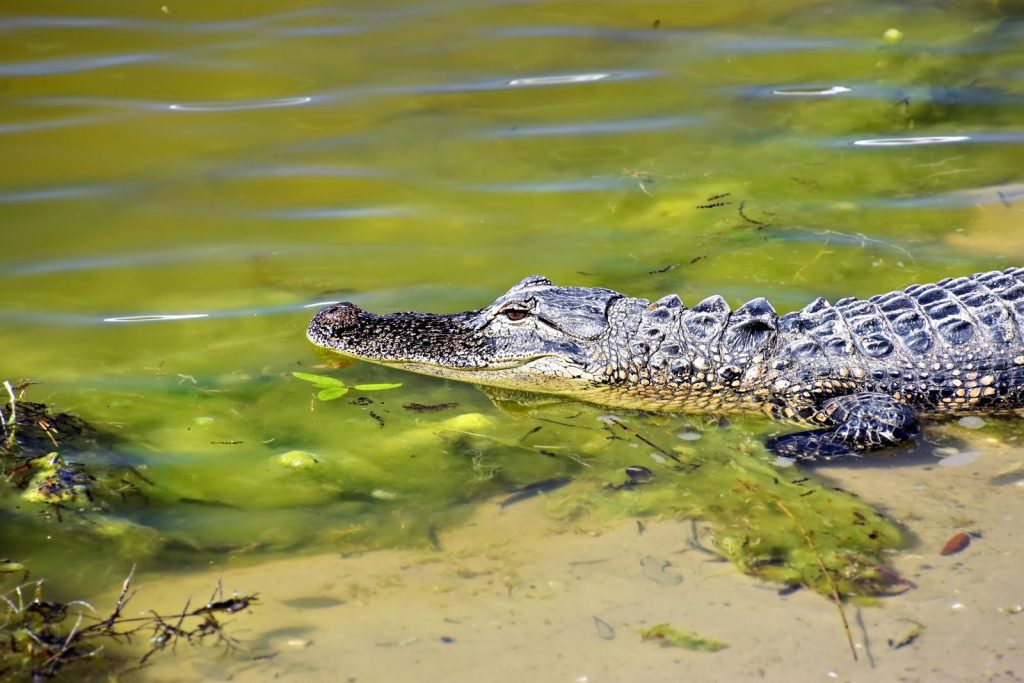
Although fatal alligator attacks are rare, these recent incidents serve as a reminder that wild animals deserve both caution and respect. Most alligators prefer to avoid human contact, but risky behavior can lead to dangerous outcomes.
By understanding alligator behavior and following wildlife safety guidelines, people can continue enjoying Florida’s natural beauty while helping reduce the chances of future encounters. Staying aware, respecting warning signs, and giving wildlife plenty of space remain the best ways to protect both people and animals.