Cats are masters at hiding discomfort, which means small problems in their daily routine can go unnoticed for a long time. While most owners have the best intentions, certain everyday habits may unintentionally affect a cat’s physical health, emotional wellbeing, or sense of security.
Understanding your cat’s natural instincts can help you create a safer and more comfortable home. By making a few simple adjustments, you can reduce stress, prevent health issues, and strengthen the bond you share with your feline companion.
Skipping Daily Litter Box Cleaning

Cats are naturally clean animals and generally prefer a fresh litter box. Allowing waste to accumulate can discourage them from using it and may even lead to inappropriate elimination elsewhere in the home.
Scooping the litter box at least once a day and performing regular deep cleanings helps maintain hygiene while encouraging healthy litter box habits.
Not Providing Enough Mental Stimulation
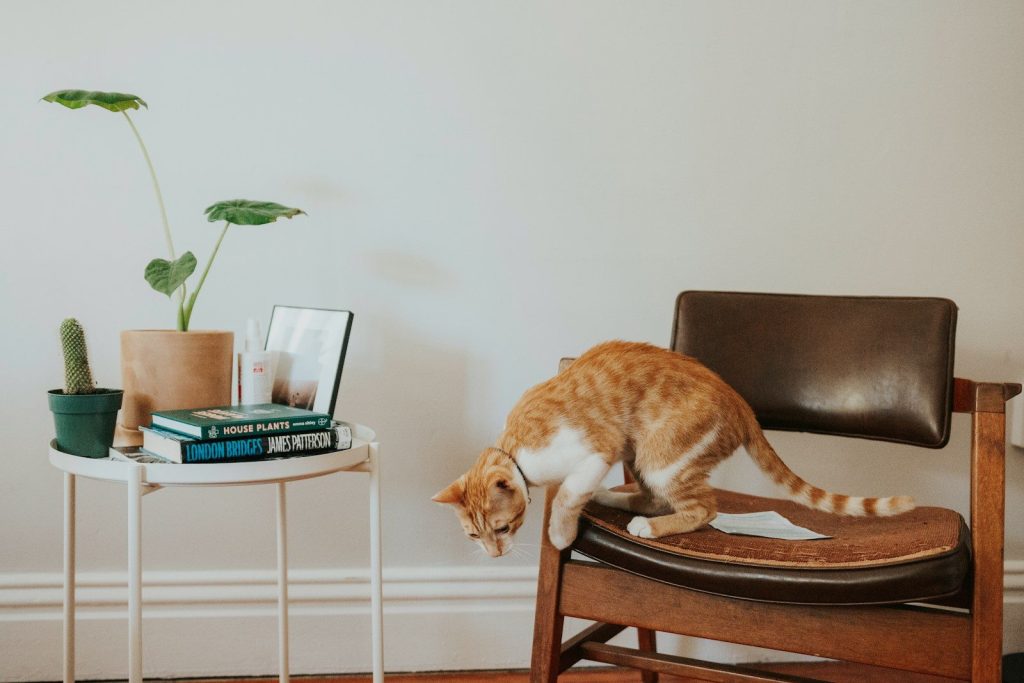
Indoor cats still retain their natural hunting instincts and need opportunities to explore, climb, and play. Without sufficient enrichment, they may become bored, anxious, or destructive.
Interactive toys, puzzle feeders, scratching posts, climbing trees, and regular play sessions help keep both the body and mind active.
Overfeeding Treats

Treats are a great way to reward good behavior, but too many can contribute to weight gain and nutritional imbalance. Obesity increases the risk of several health conditions, including diabetes, arthritis, and heart disease.
Treats should only make up a small portion of your cat’s daily calorie intake. A balanced diet remains the foundation of good health.
Ignoring Changes in Behavior

Cats often communicate illness through subtle behavioral changes rather than obvious symptoms. Reduced appetite, hiding more often, excessive grooming, or changes in litter box habits may all indicate an underlying problem.
Seeking veterinary advice early can help identify health issues before they become more serious.
Skipping Regular Veterinary Checkups

Even healthy-looking cats benefit from routine veterinary examinations. Preventive care allows veterinarians to detect medical conditions early, often before visible symptoms appear.
Regular vaccinations, dental care, parasite prevention, and health screenings contribute to a longer and healthier life.
Neglecting Dental Health
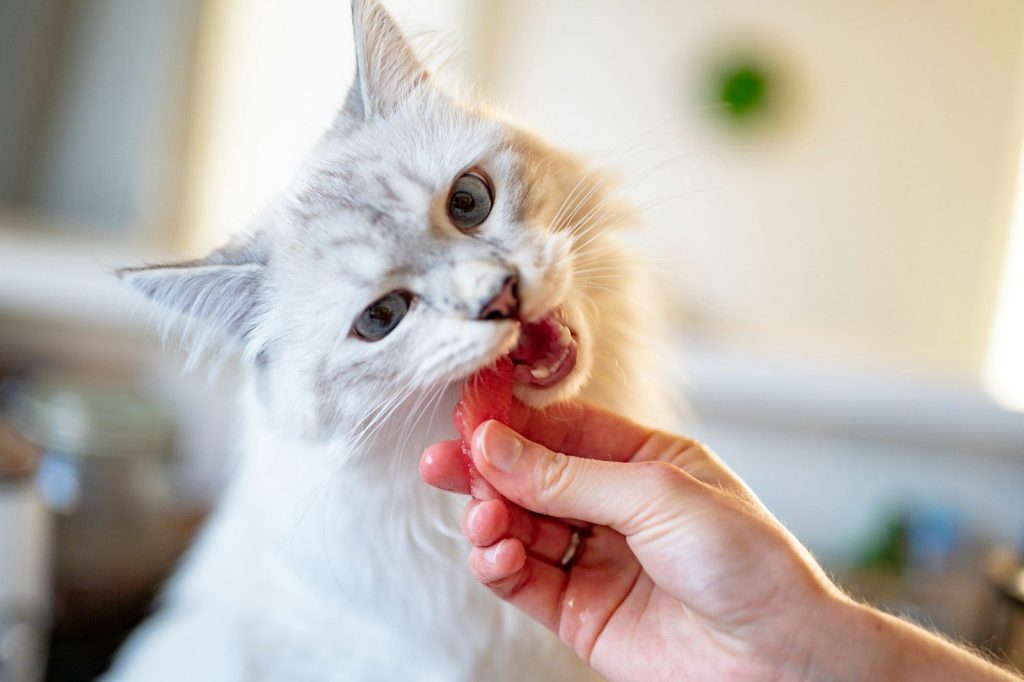
Dental disease is one of the most common health problems in domestic cats. Without proper care, plaque and tartar buildup can lead to painful infections and tooth loss.
Regular dental checkups, veterinarian-approved dental treats, and tooth brushing when possible can help maintain good oral health.