Nature is full of remarkable transformations, and some of the most dramatic occur as animals grow from infancy to adulthood. While many young animals resemble miniature versions of their parents, others undergo such striking physical changes that they seem like entirely different species.
These transformations are often linked to survival. Different colors, body shapes, or behaviors can help young animals avoid predators, adapt to changing diets, or prepare for life in their adult habitats. Here are some fascinating examples of baby animals whose appearance changes dramatically as they mature.
Tapir Calves Wear Nature’s Camouflage
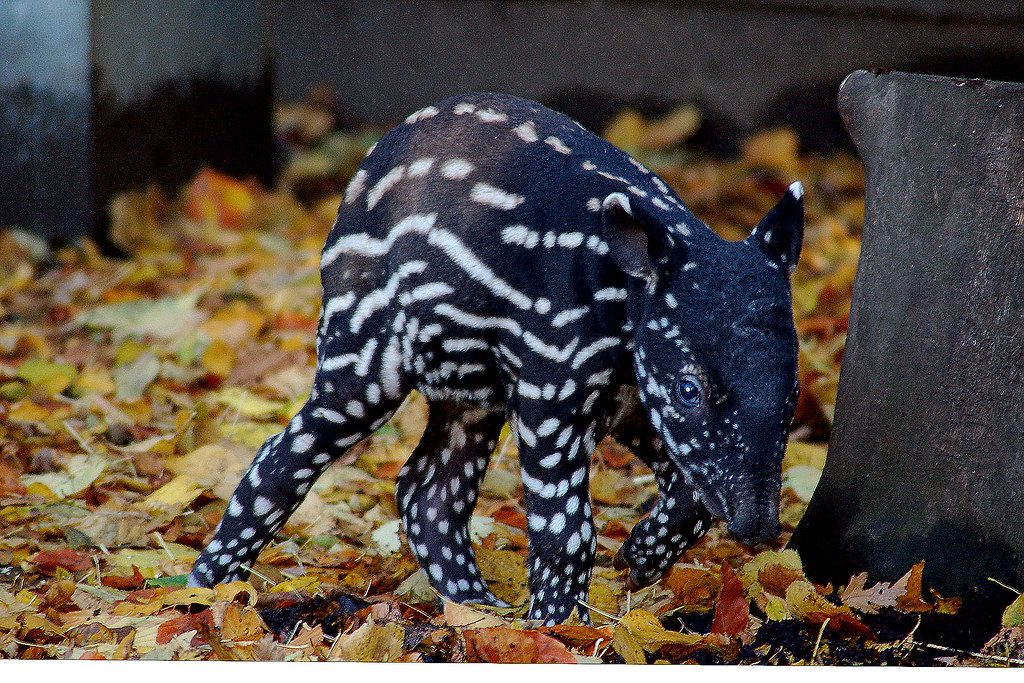
Baby tapirs are born with brown coats covered in white stripes and spots. This striking pattern helps them blend into the dappled light of forest vegetation, making it harder for predators to spot them.
As they grow, these markings gradually disappear, giving way to the solid-colored coat typical of adult tapirs. The camouflage is no longer needed once they become larger and more capable of defending themselves.
Harp Seal Pups Begin Life in Snow White
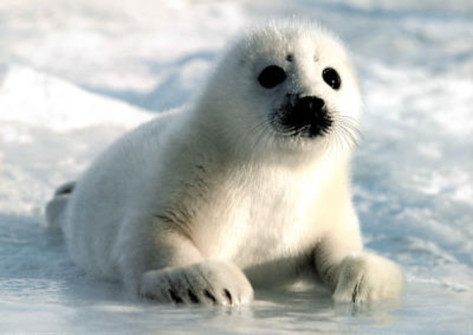
Newborn harp seals are famous for their fluffy white fur, which helps them stay warm while resting on Arctic ice. Their soft coats also provide excellent camouflage against snowy surroundings.
Within a few weeks, they shed this white fur and develop the gray, silver, and black markings seen in adults. The new coat is better suited for life in cold ocean waters.
Cygnets Transform Into Elegant Swans
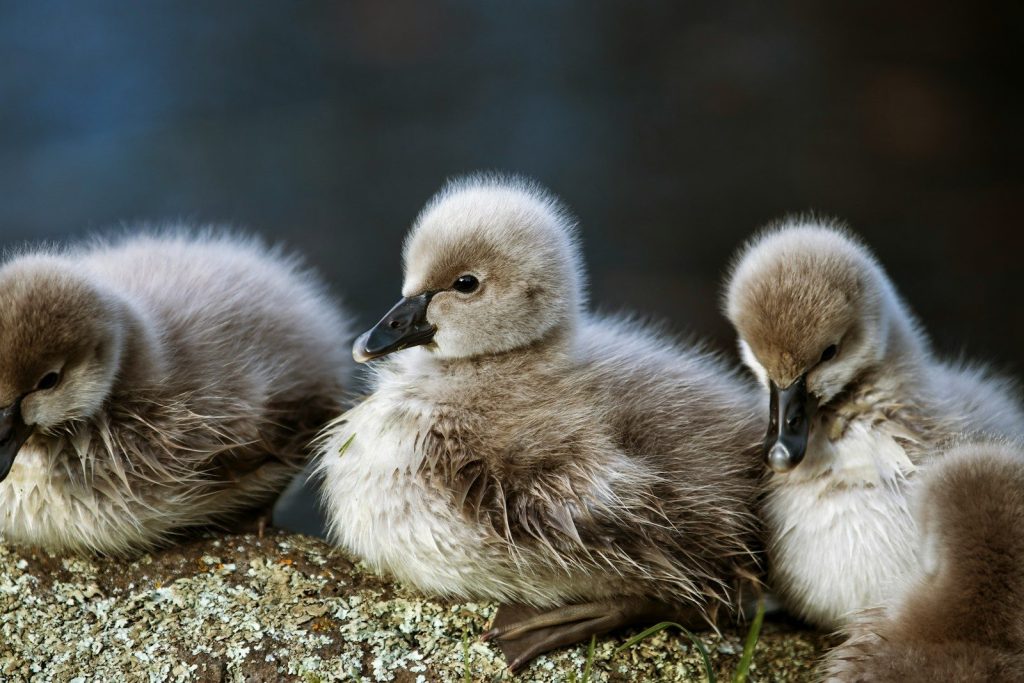
Baby swans, known as cygnets, hatch with soft gray or brown feathers that look nothing like the brilliant white plumage of many adult swans. Their dull coloring provides better camouflage while they are young and vulnerable.
Over time, the juvenile feathers are replaced as the birds mature, revealing the graceful appearance for which swans are famous.
Flamingo Chicks Aren’t Born Pink
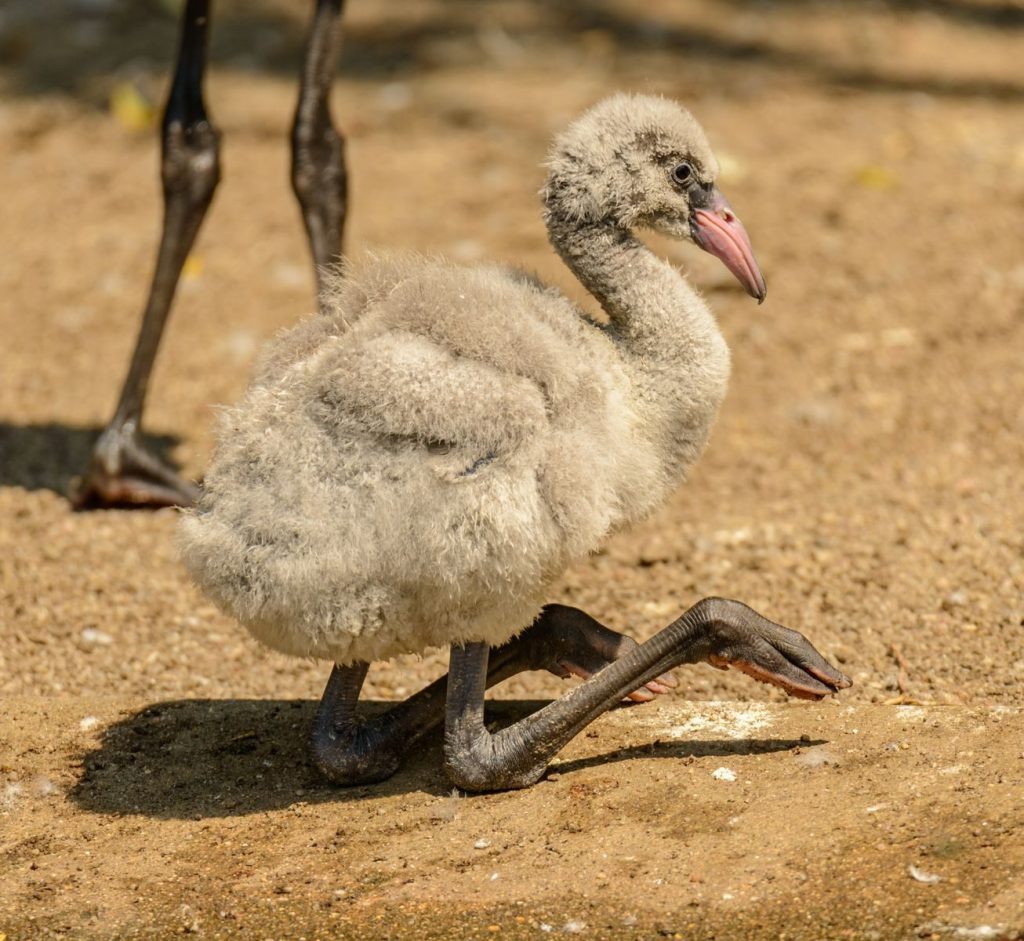
Despite their parents’ vibrant appearance, flamingo chicks hatch with gray or white feathers. Their straight beaks also differ noticeably from the curved bills of adults.
As flamingos mature, pigments called carotenoids in their diet gradually turn their feathers shades of pink, orange, or red. Their beaks also develop their characteristic downward curve.
Bald Eagles Take Years to Develop Their Famous Look
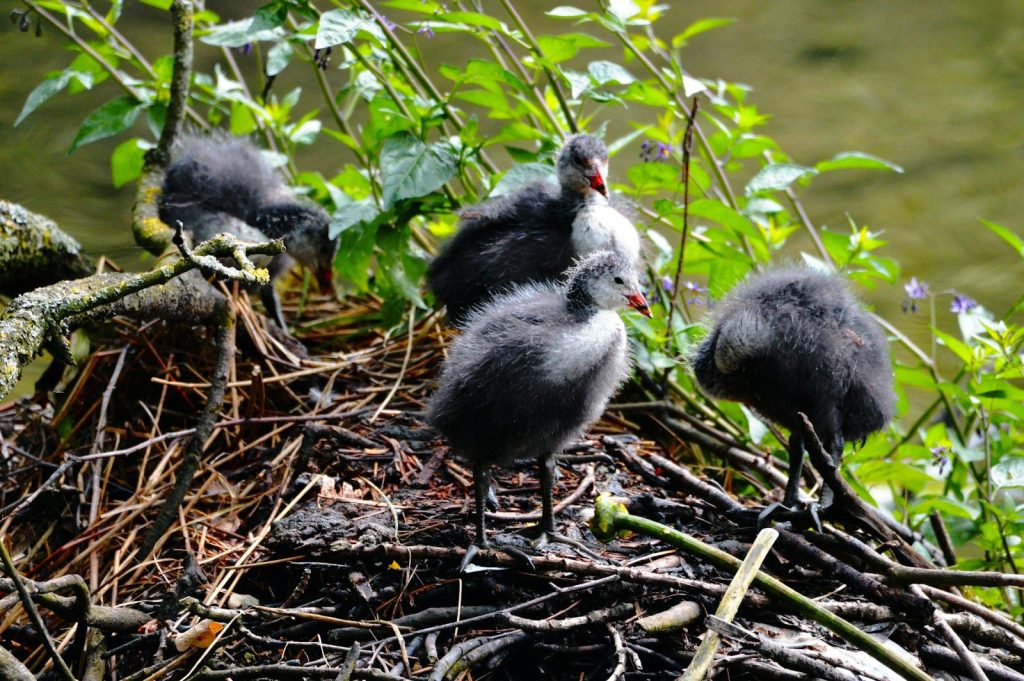
Young bald eagles are mostly dark brown with mottled white markings and lack the iconic white head and tail of adults. This juvenile plumage often surprises people expecting the familiar national symbol.
It usually takes four to five years before they develop the distinctive adult coloration associated with mature bald eagles.
Emperor Penguin Chicks Look Soft and Fluffy
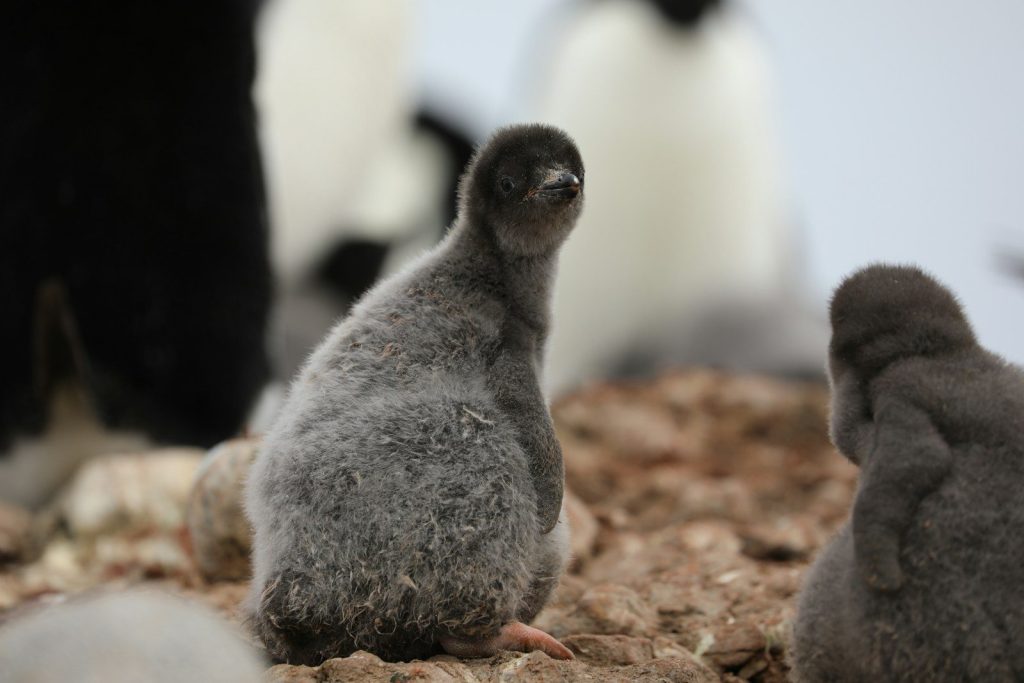
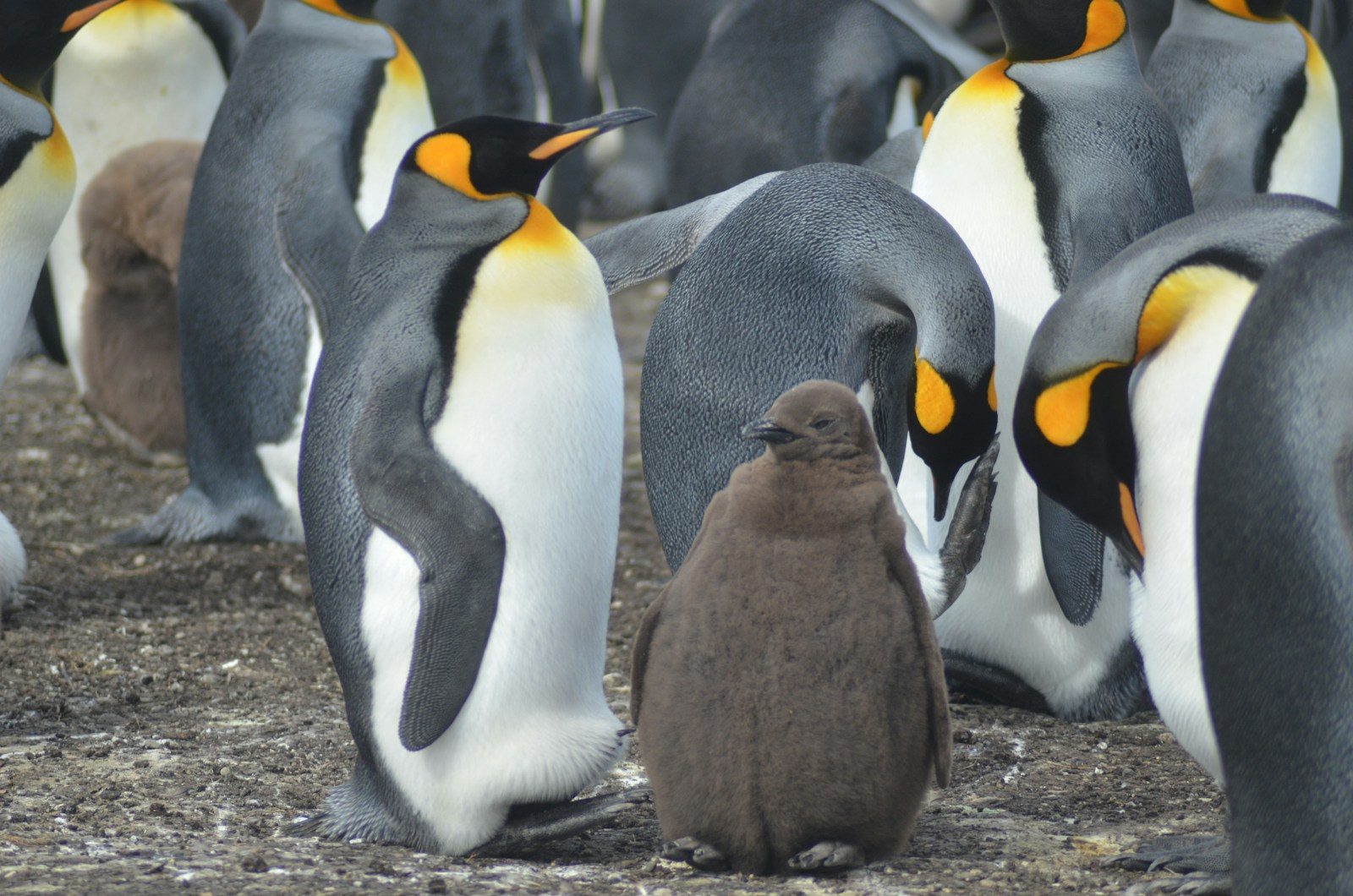
Adult emperor penguins have sleek black, white, and yellow feathers, but their chicks are covered in thick gray down with black and white faces. This fluffy insulation keeps them warm during Antarctica’s harsh winters.
As they mature, they molt into waterproof adult feathers that allow them to swim and hunt efficiently in icy waters.