Bioluminescence is one of nature’s most spectacular phenomena, allowing living organisms to produce their own light through a chemical reaction. While glowing creatures are relatively uncommon on land, they are remarkably abundant in the ocean, particularly in the deep sea where sunlight never reaches. Scientists estimate that a large proportion of animals living hundreds of meters below the surface are capable of producing light.
These natural light displays serve many purposes, including attracting mates, luring prey, communicating, and confusing predators. From tiny plankton to deep-sea fish, bioluminescent species showcase some of the most fascinating adaptations in the animal kingdom.
Fireflies Turn Summer Nights Into Light Shows
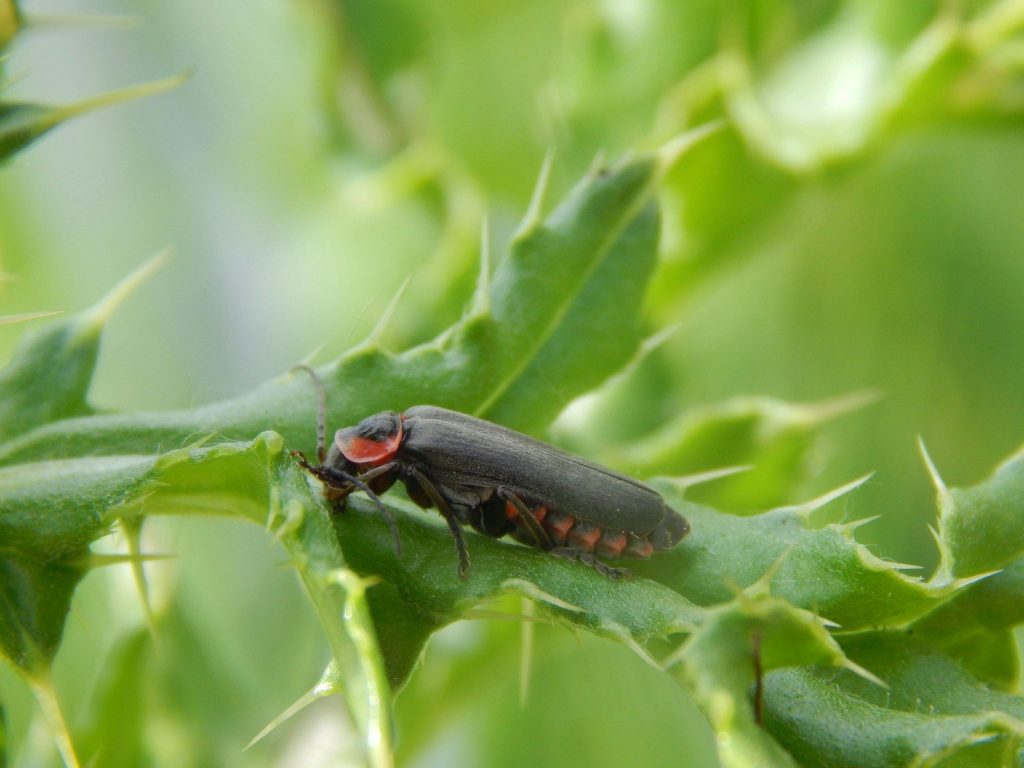
Fireflies are among the best-known bioluminescent insects. They produce flashes of light from specialized organs in their abdomen, using unique blinking patterns to communicate with potential mates.
Their glow is highly efficient, producing very little heat compared to artificial light sources. Different firefly species use distinct flash patterns to identify members of their own species.
Anglerfish Carry Their Own Glowing Lure
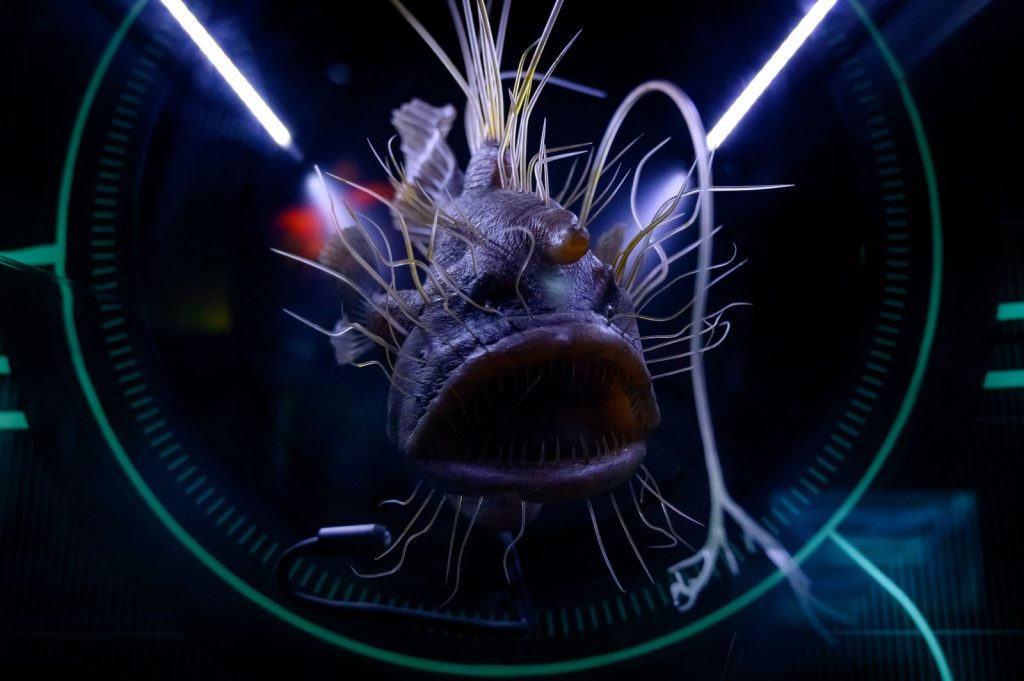
Deep-sea anglerfish possess a modified dorsal fin that acts like a glowing fishing rod above their mouths. This bioluminescent lure attracts curious prey in the darkness of the deep ocean.
Once prey moves close enough, the anglerfish strikes with remarkable speed. This adaptation allows them to survive in an environment where food can be extremely scarce.
Jellyfish Create Stunning Displays
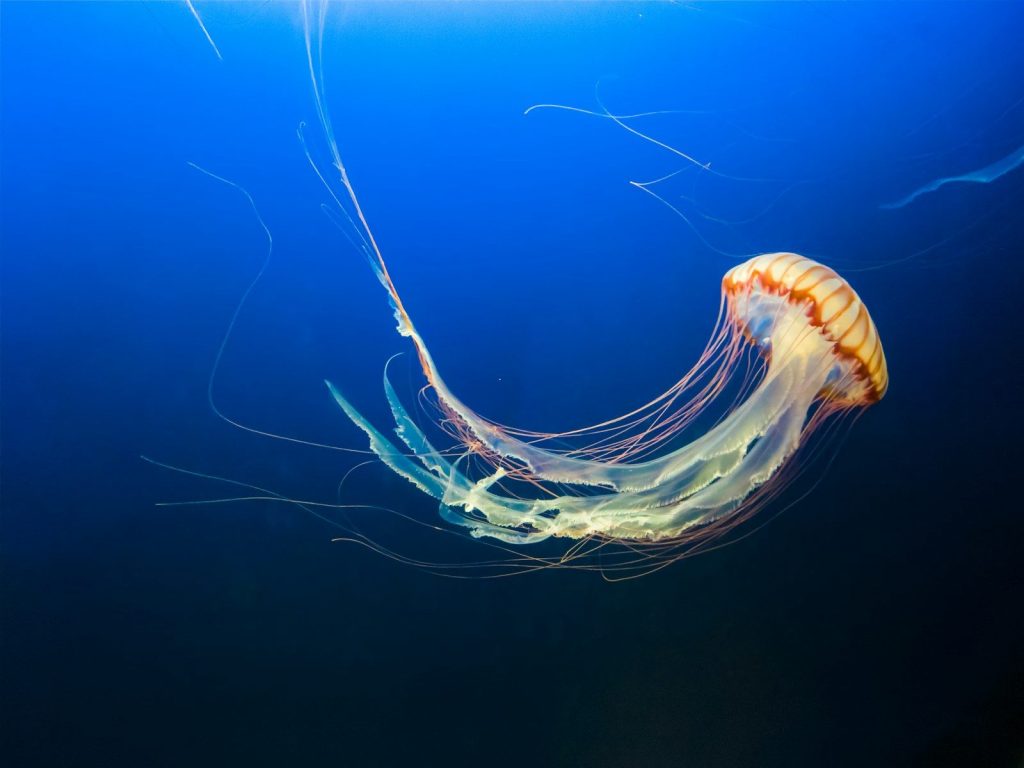
Many jellyfish species produce beautiful blue or green light as they drift through the ocean. Their glowing displays may help startle predators, communicate, or attract other organisms.
Scientists have also studied glowing proteins from jellyfish extensively, leading to important advances in biological and medical research.
Glowing Plankton Make the Ocean Sparkle
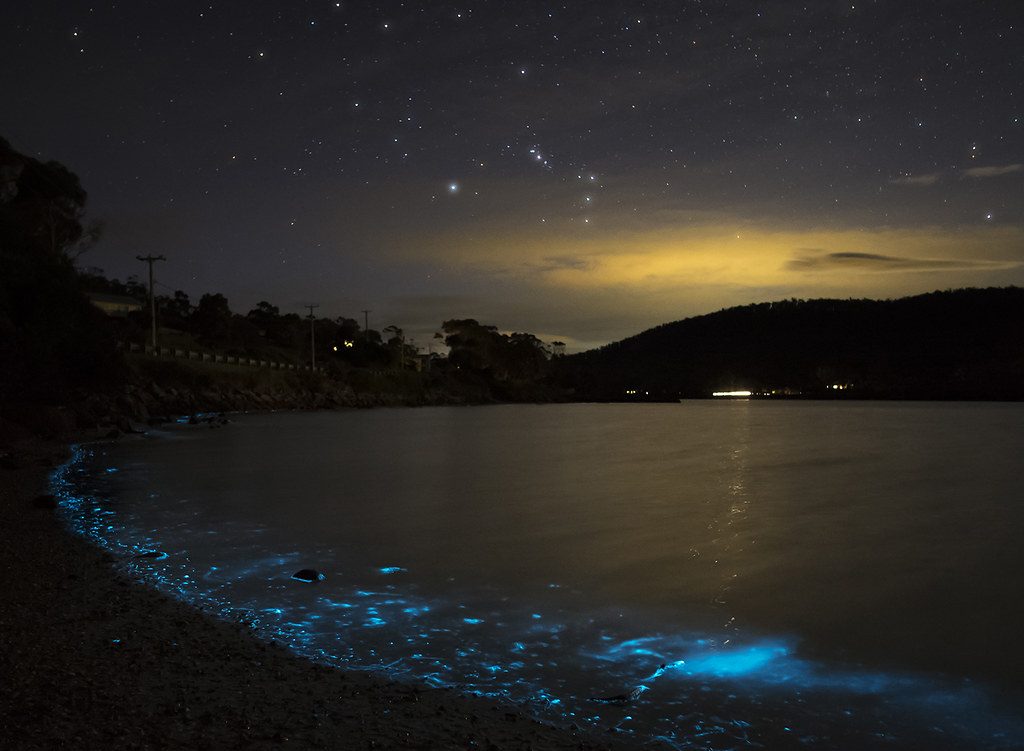
Microscopic plankton called dinoflagellates can produce brilliant blue flashes when disturbed by waves, swimming fish, or passing boats. This phenomenon creates the breathtaking glowing beaches seen in some coastal regions around the world.
The light is believed to help discourage predators by startling them or attracting even larger predators to the area.
Vampire Squid Uses Light for Defense
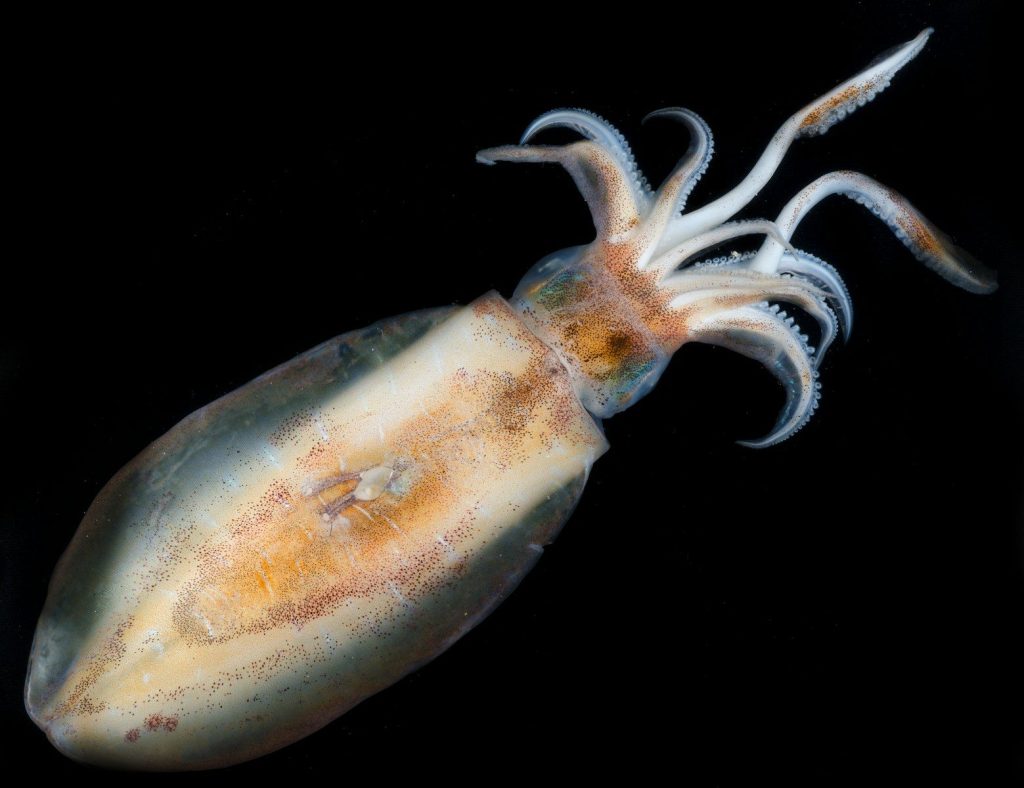
Despite its intimidating name, the vampire squid feeds mainly on organic debris drifting through the deep sea. When threatened, it releases glowing clouds of bioluminescent mucus that distract predators while it escapes.
This unusual defense mechanism is highly effective in the dark waters where the species lives.
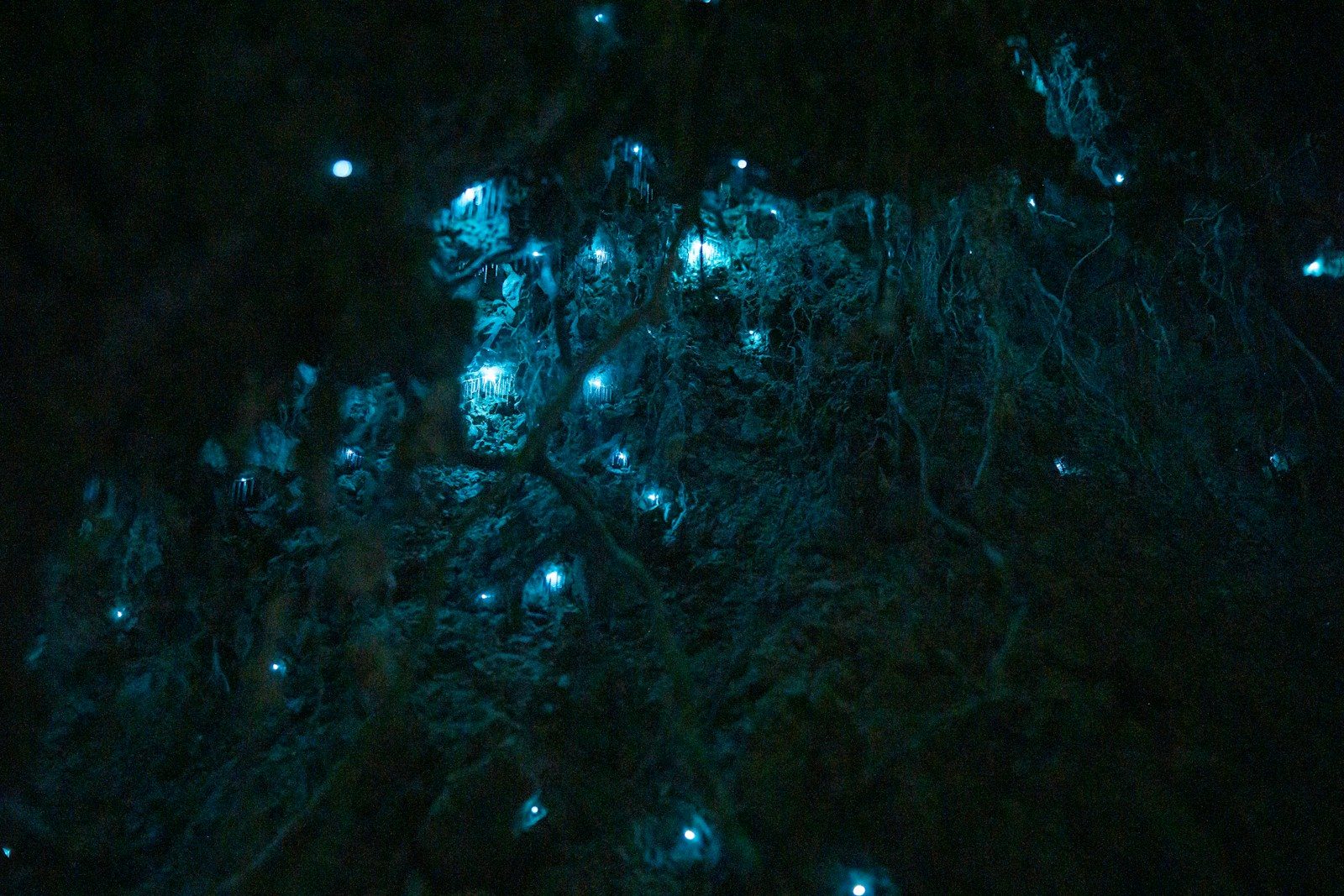
Glowworms Transform Dark Caves Into Starry Skies
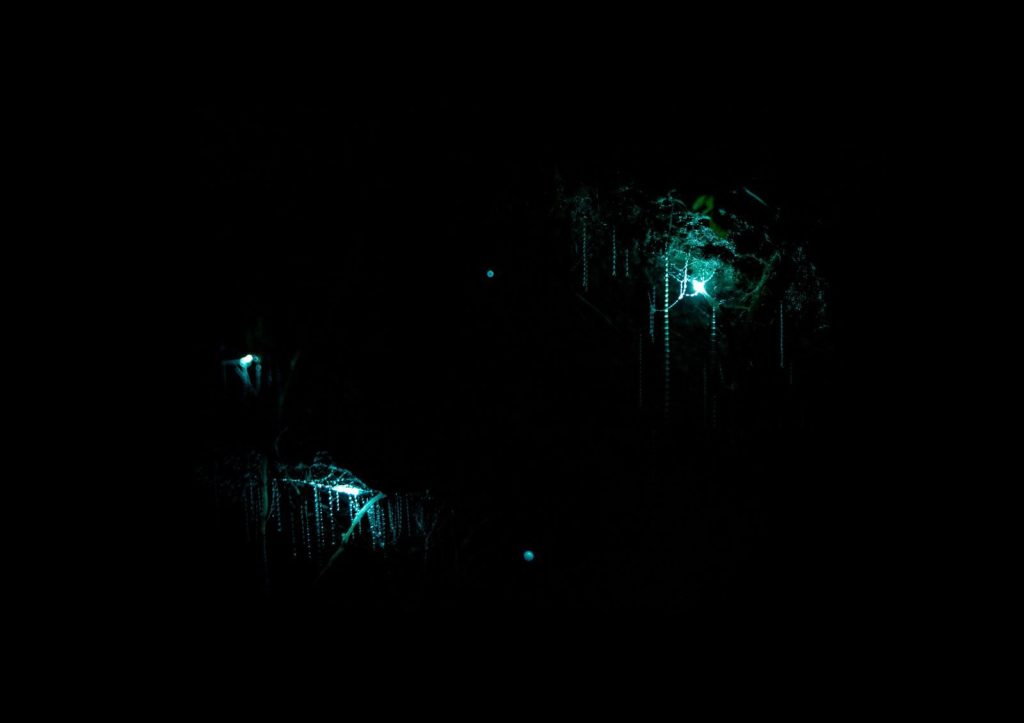
Glowworms produce soft blue-green light to attract insects into sticky silk threads that function like fishing lines. Large colonies create breathtaking displays inside caves, making cave ceilings resemble a star-filled night sky.
This natural light serves as both a hunting strategy and one of nature’s most beautiful spectacles.