
A remarkable scientific breakthrough has shed new light on the mysterious extinction of the woolly rhinoceros. Researchers have successfully extracted woolly rhino DNA from the stomach contents of a 14,400-year-old Ice Age wolf discovered in Siberia, marking the first time an entire genome has been sequenced from prey preserved inside another ancient animal.
The discovery suggests that woolly rhinos remained genetically healthy until shortly before their extinction, pointing to a sudden population collapse driven by climate change rather than gradual decline or overhunting.
Ancient Wolf Preserved a Rare Scientific Treasure

The discovery began with the remains of an Ice Age wolf found near the village of Tumat in Siberia. During an autopsy, researchers recovered a preserved piece of tissue from the wolf’s stomach, initially believing it belonged to a cave lion.
Genetic testing, however, revealed a surprising truth—the tissue came from a woolly rhinoceros. The exceptionally well-preserved sample became one of the youngest known woolly rhino specimens ever identified, dating back approximately 14,400 years.
World-First DNA Extraction From a Predator’s Stomach

Scientists from Cardiff University and several international research institutions successfully sequenced the entire genome of the woolly rhinoceros from the stomach contents of the ancient wolf.
Researchers described the work as extremely challenging due to the unusual nature of the sample, making it the first time complete DNA from an Ice Age prey animal has been recovered from the digestive remains of another prehistoric species.
Climate Change, Not Humans, May Have Driven Extinction
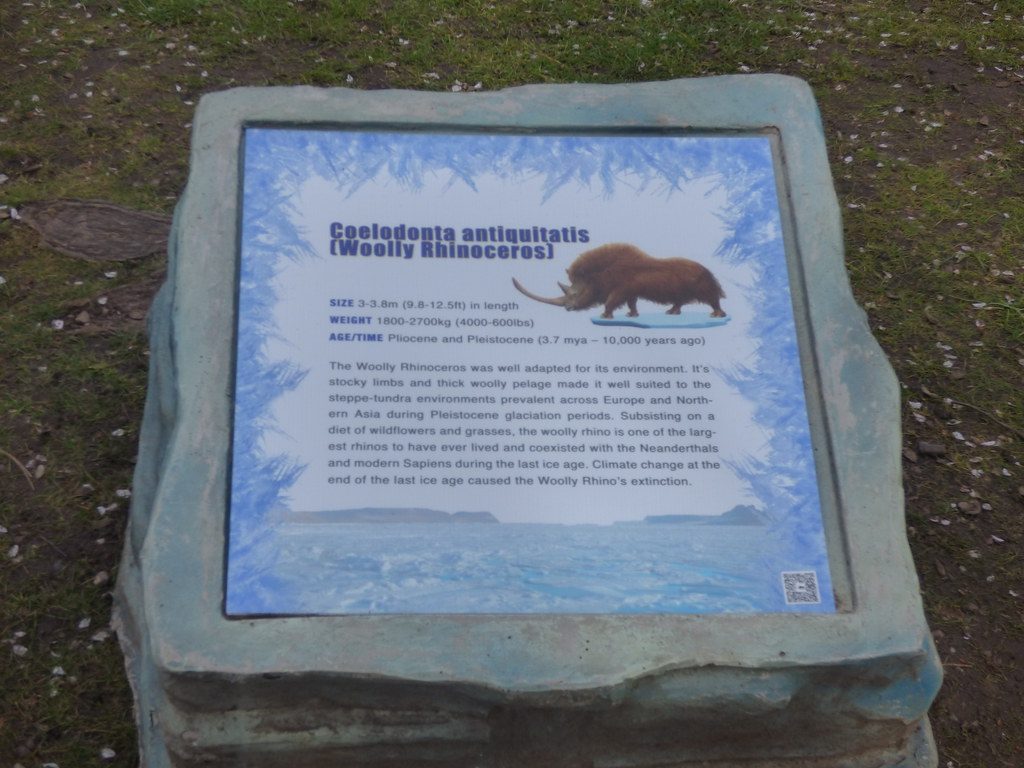
The findings challenge the long-held belief that human hunting played the biggest role in wiping out woolly rhinos.
Researchers found that the species maintained healthy genetic diversity and showed no signs of increasing inbreeding or harmful mutations before disappearing. Since woolly rhinos coexisted with humans in northeastern Siberia for roughly 15,000 years, scientists believe rapid climate warming was likely the primary cause of their sudden population collapse.
Comparing Ancient Genomes Revealed a Stable Population
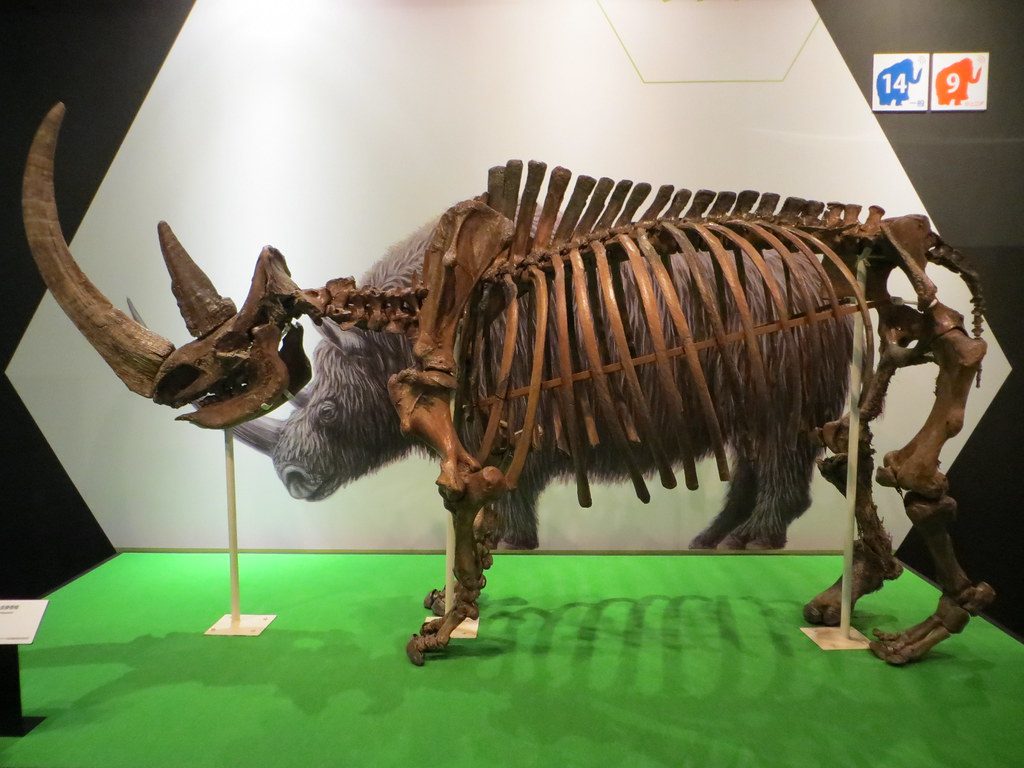
The team compared the newly recovered genome with two older woolly rhinoceros genomes dating between 18,000 and 49,000 years ago.
The analysis showed little genetic deterioration over time, suggesting the animals remained part of a large, stable population until shortly before they vanished rather than slowly declining over thousands of years.
Discovery Could Help Protect Modern Wildlife
Beyond solving an Ice Age mystery, researchers believe the study could help modern conservation efforts.
Understanding how healthy populations can collapse rapidly in response to environmental change may offer valuable lessons for protecting today’s threatened species as climate change continues to reshape ecosystems worldwide.