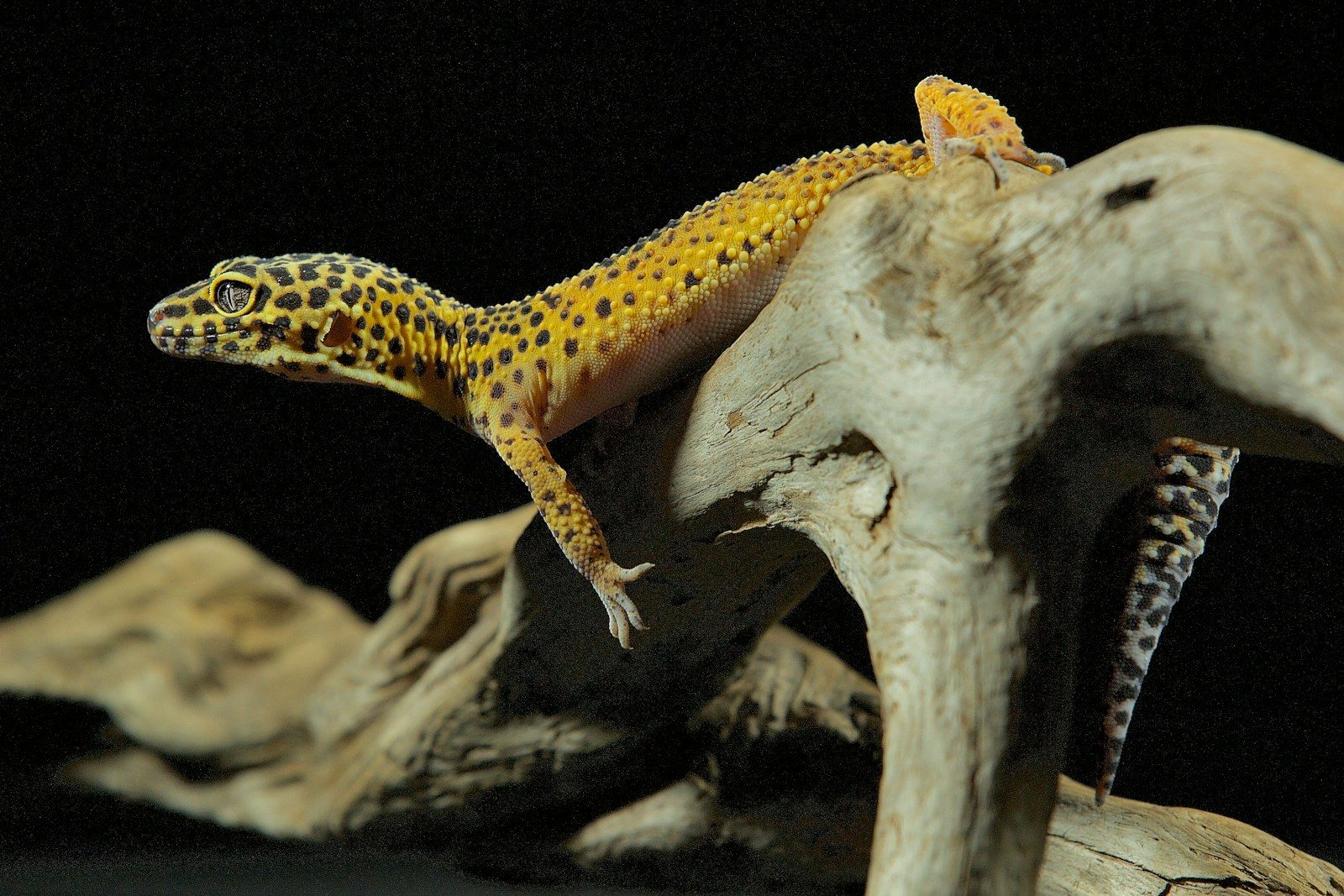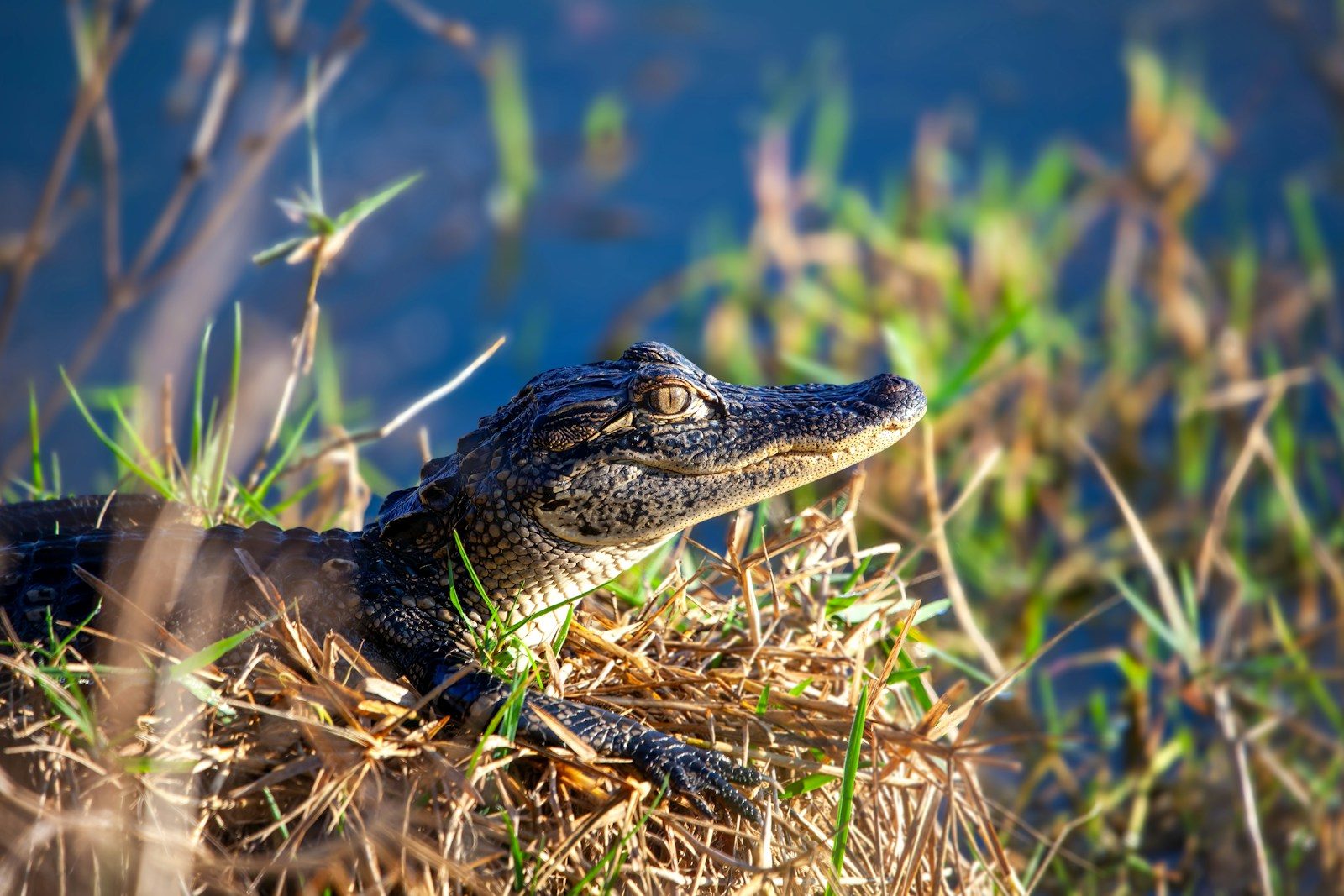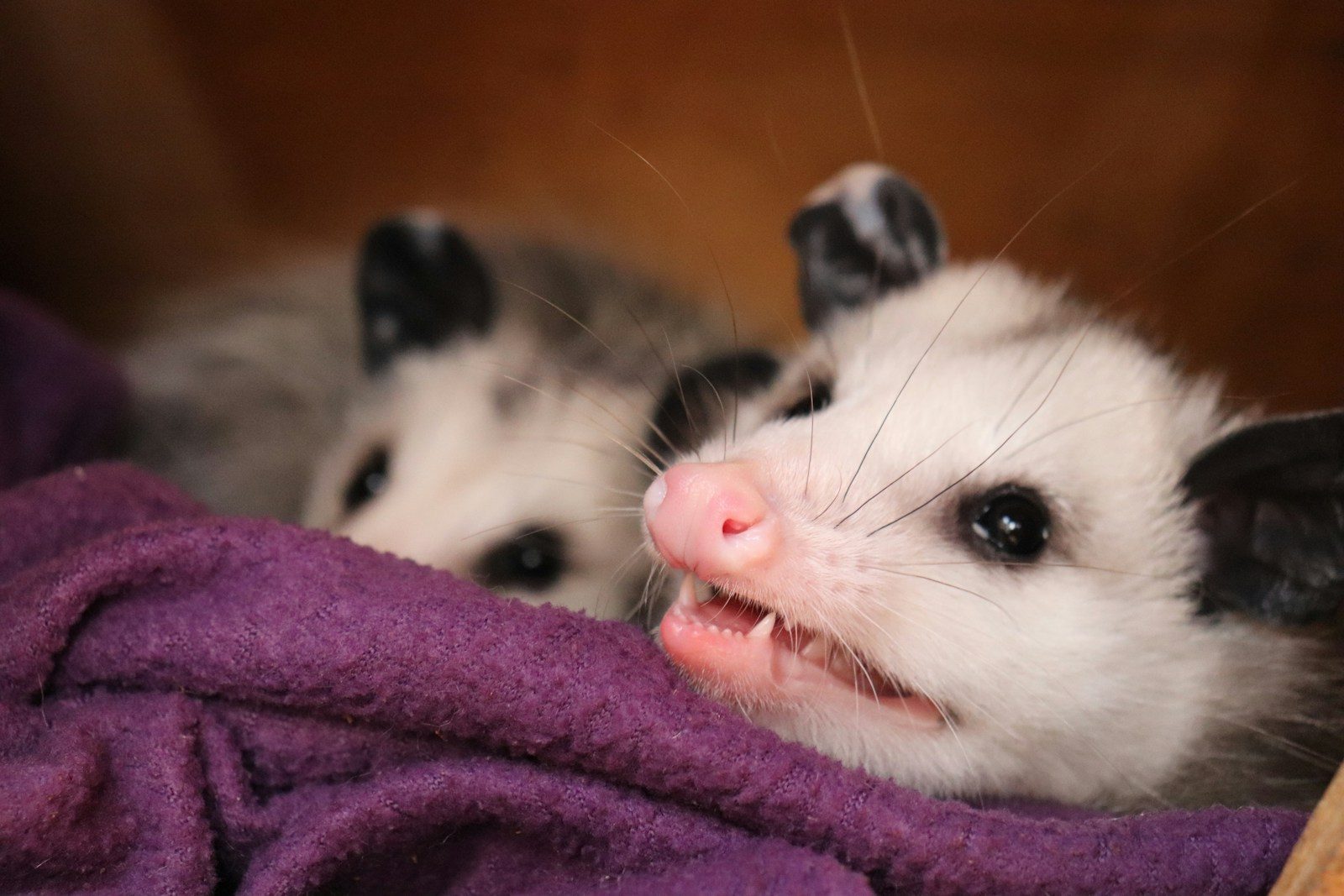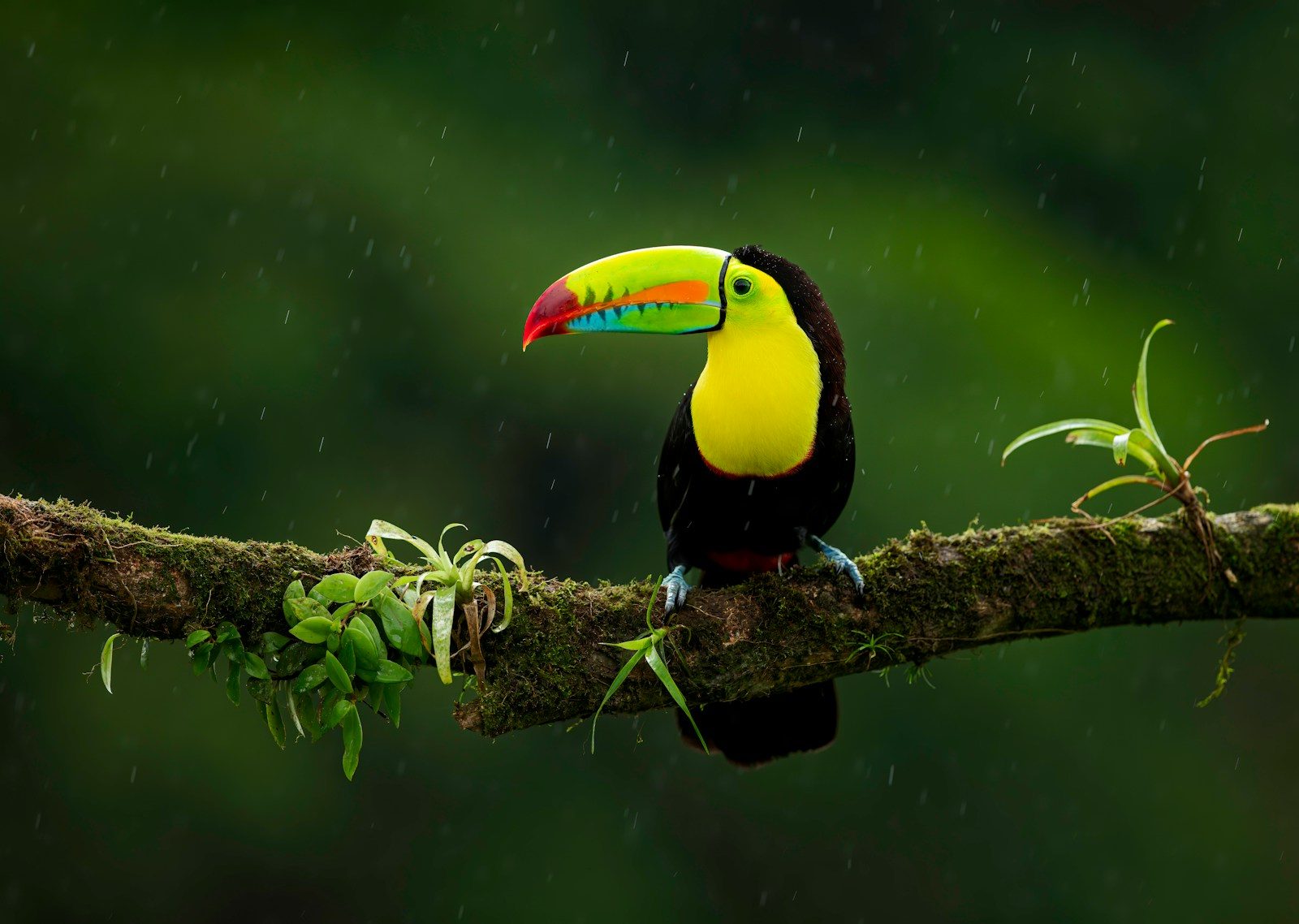
Exotic pets can be fascinating because of their unusual appearance, unique behaviors, and rarity. From reptiles and primates to large birds and exotic mammals, these animals often attract people looking for something different from a traditional cat or dog.
However, owning an exotic pet comes with responsibilities that many first time owners underestimate. Specialized care, legal restrictions, high costs, and complex welfare needs mean these animals are often far more challenging to keep than people expect.
Exotic Animals Have Specialized Care Requirements
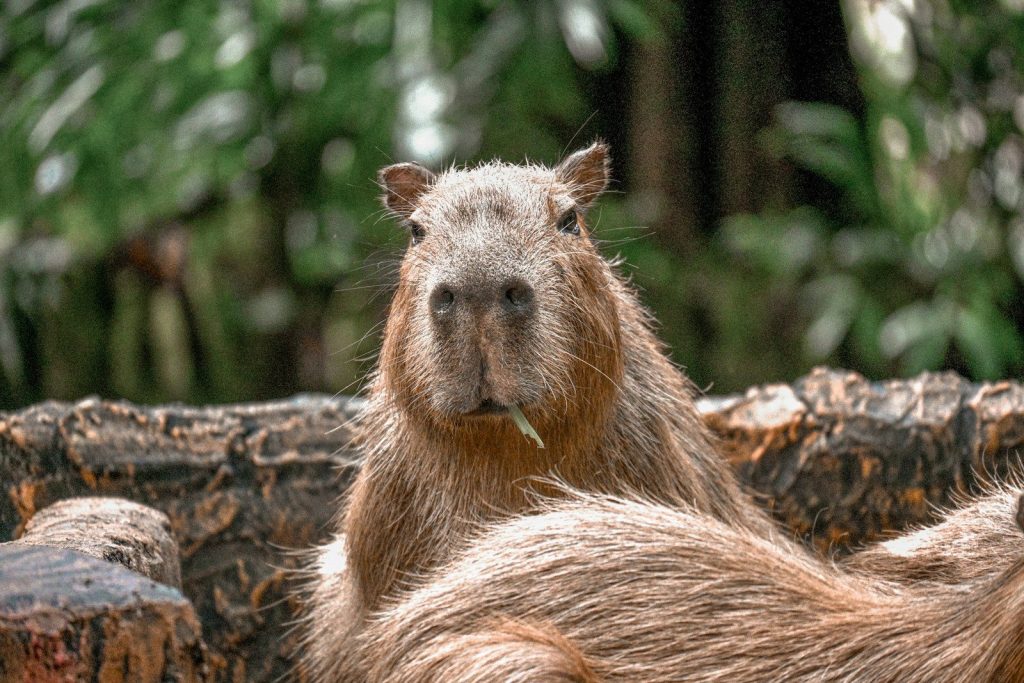
Many exotic species require carefully controlled temperatures, humidity levels, lighting, and diets to remain healthy. Even small mistakes in habitat setup can lead to serious health problems that are difficult to reverse.
Unlike cats and dogs, these animals often need custom enclosures that closely mimic their natural environments. Providing proper care requires extensive research before bringing the animal home.
Veterinary Care Can Be Difficult to Find
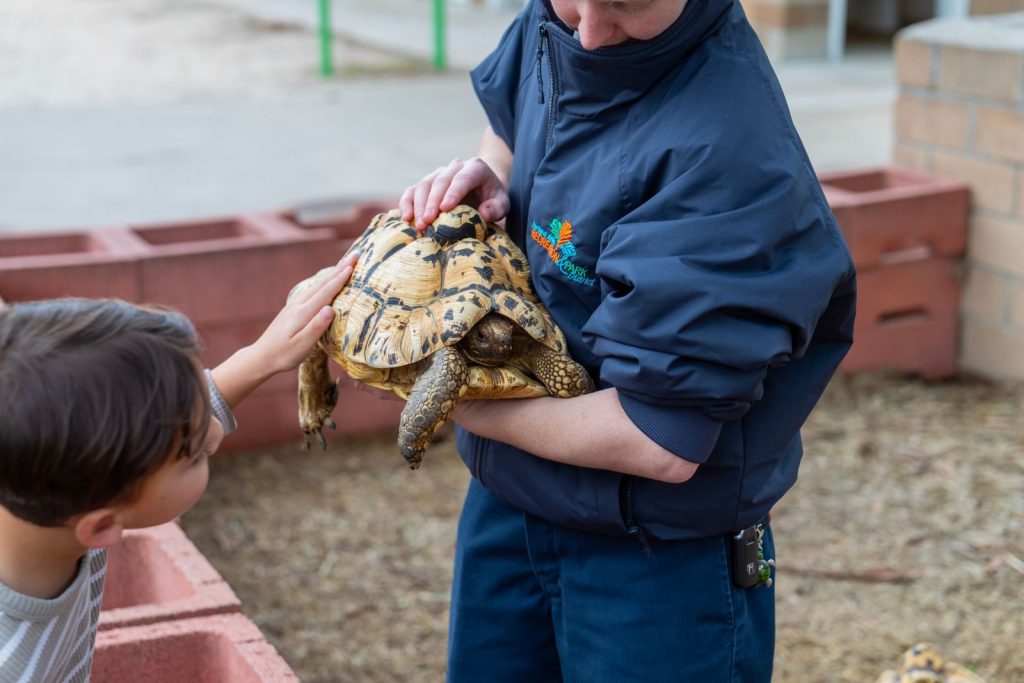
Not every veterinarian is trained to treat reptiles, amphibians, exotic birds, or unusual mammals. Owners may need to travel long distances to find specialists with the necessary expertise.
Medical treatment for exotic pets is also frequently more expensive than routine care for common household pets. Emergency situations can become especially stressful if specialized veterinary services are unavailable.
Legal Restrictions Vary by Location
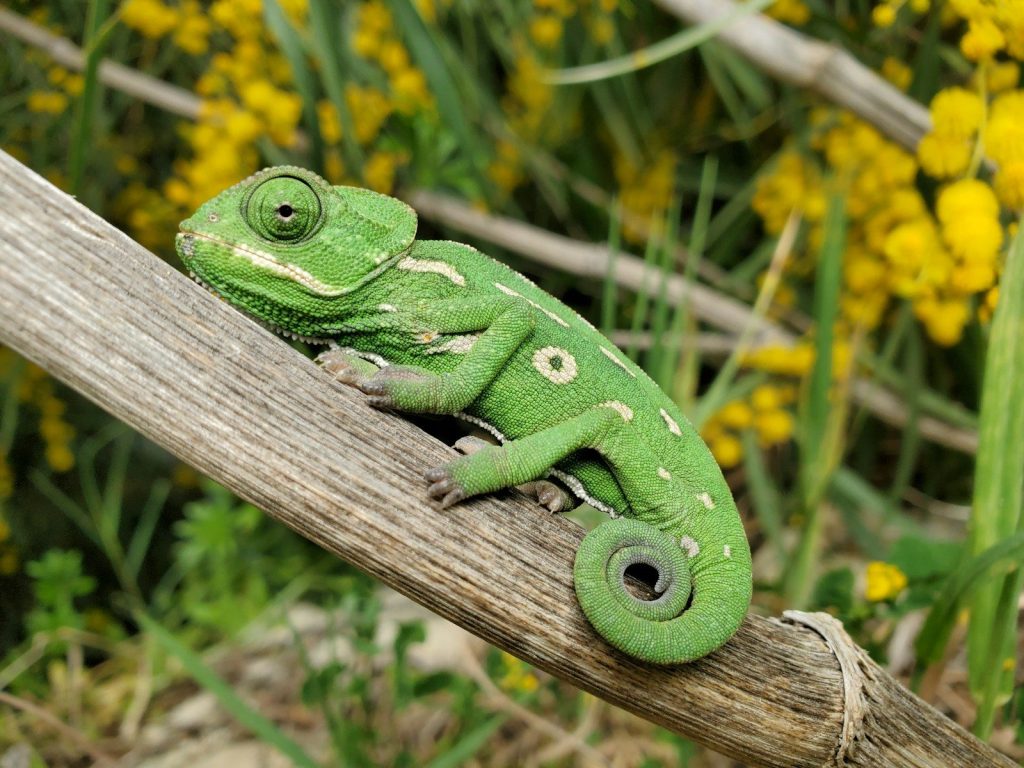
Rules surrounding exotic pet ownership differ widely depending on where you live. Some animals require permits, while others are completely prohibited because of public safety or conservation concerns.
Before acquiring any exotic species, owners should verify local and regional regulations. Failing to do so could result in fines, confiscation of the animal, or other legal consequences.
Wild Instincts Never Completely Disappear
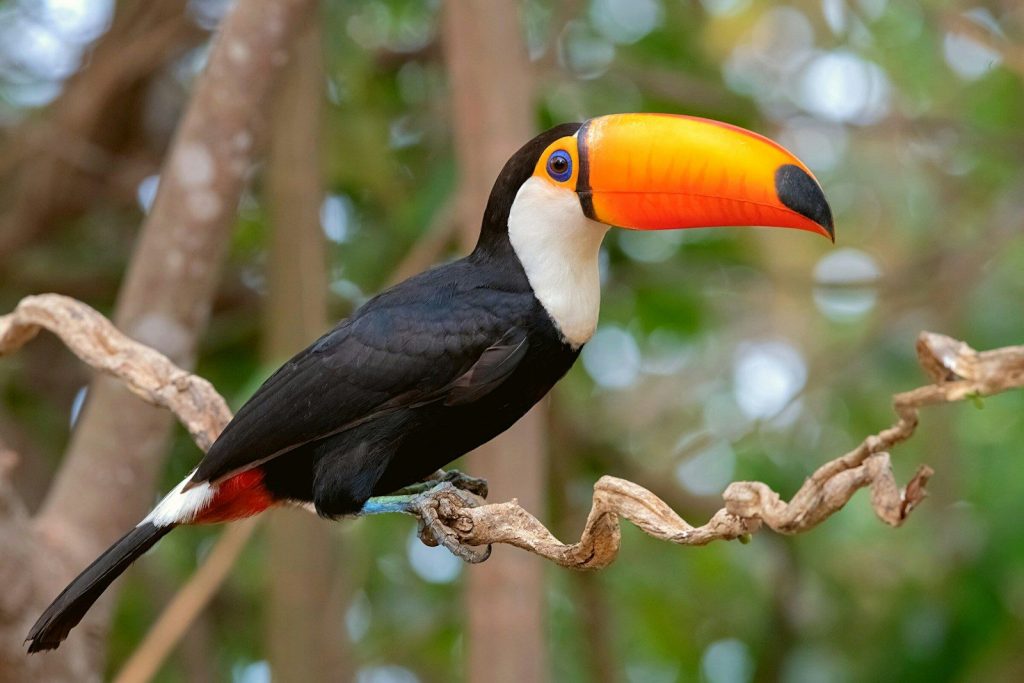
Even animals raised in captivity retain many natural instincts that can make them unpredictable. Biting, scratching, territorial behavior, and stress related aggression may occur despite regular human interaction.
These behaviors do not mean the animal is bad tempered. They simply reflect instincts that have evolved over thousands of years and cannot be fully trained away.
Long Term Costs Are Often Higher Than Expected

The initial purchase price is only one part of owning an exotic pet. Specialized food, habitat maintenance, enrichment, veterinary care, and equipment upgrades can create significant ongoing expenses.
Some species also live for decades, making ownership a long term commitment. Prospective owners should consider both the financial and time investment before making a decision.
Responsible Ownership Starts With Research
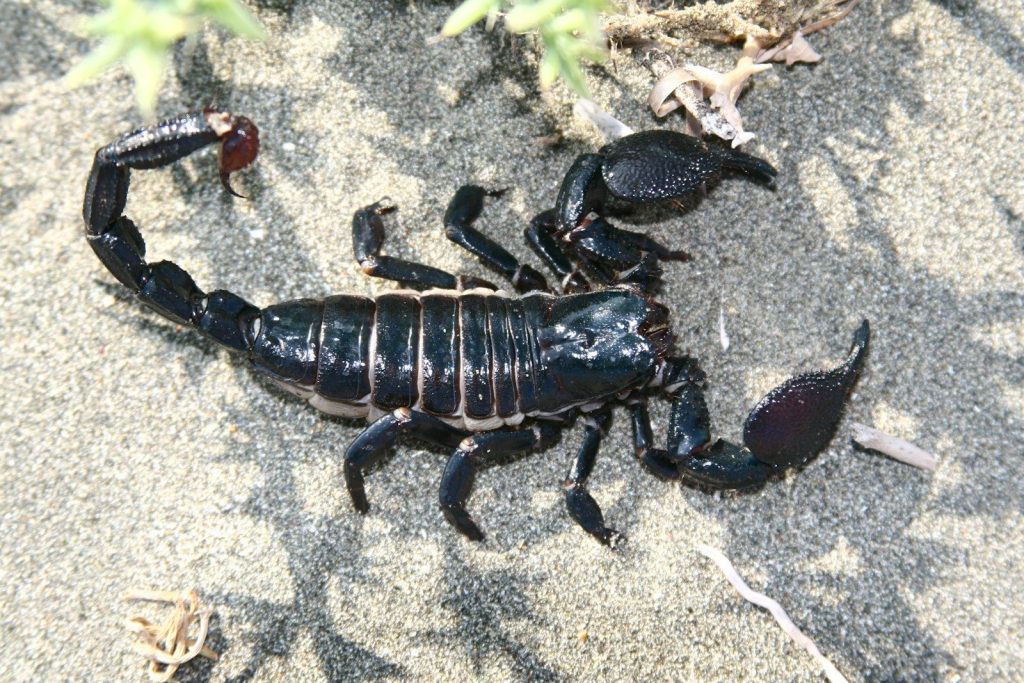
Many exotic animals thrive only when their complex physical and behavioral needs are consistently met. Learning about a species before acquiring it is one of the most important steps toward responsible ownership.
For some people, observing these remarkable animals in accredited zoos, sanctuaries, or their natural habitats may be a better choice than keeping them as pets. Making informed decisions benefits both the animals and the people who admire them.