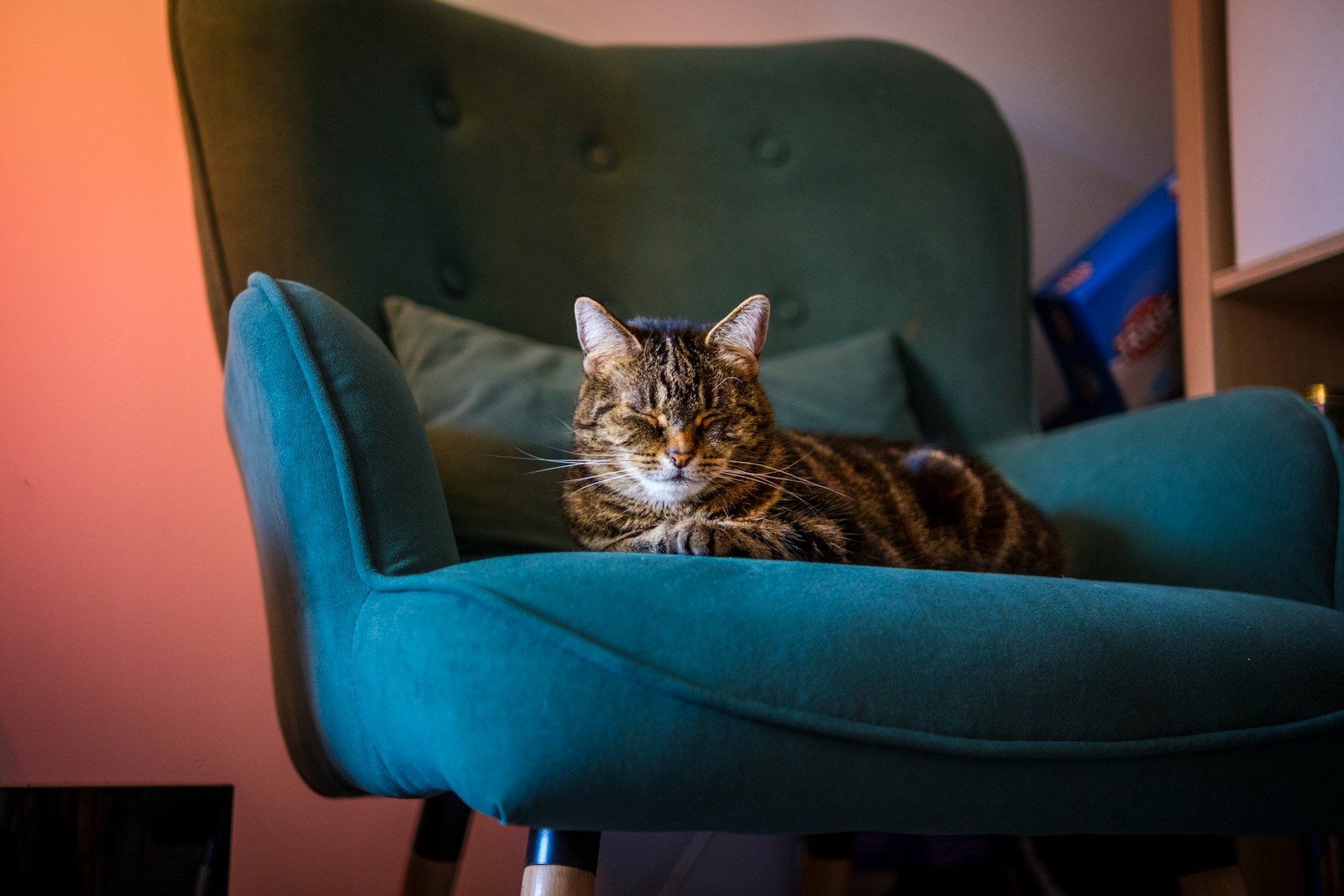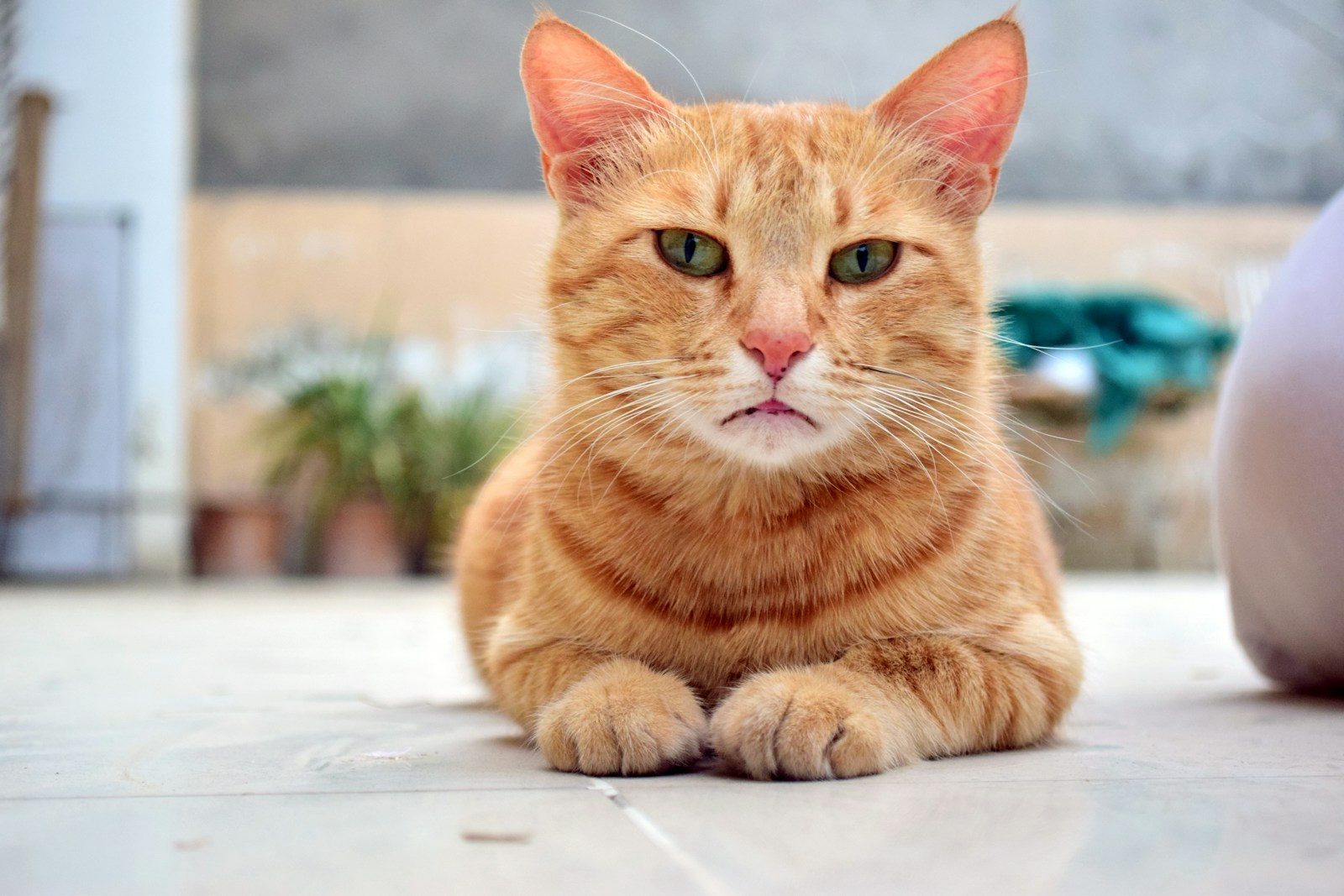
Cats experience the world largely through their remarkable sense of smell, which is far more sensitive than that of humans. Because of this heightened ability, certain everyday scents that seem harmless to us can be unpleasant or even overwhelming for our feline companions.
Understanding which odors cats dislike can help owners create a more comfortable home environment. Avoiding these strong smells may reduce stress and encourage your cat to feel safer and more relaxed.
Citrus Scents Are One of the Biggest Turn Offs

Many cats instinctively avoid the smell of oranges, lemons, limes, and grapefruits. The powerful citrus oils are believed to be overwhelming to their highly sensitive noses.
For this reason, citrus based products are sometimes used to discourage cats from entering specific areas. However, concentrated citrus oils should be kept out of reach because some essential oils can be harmful to cats.
Strong Herbs and Essential Oils Can Be Overpowering

Scents such as peppermint, eucalyptus, tea tree, and lavender are often too intense for cats. Their powerful aromas may cause felines to leave the area or avoid objects carrying these fragrances.
Some essential oils can also be toxic if inhaled in large amounts, ingested, or absorbed through the skin. Pet owners should always use these products with caution around cats.
Vinegar Has a Sharp Odor Cats Tend to Avoid

The strong acidic smell of vinegar is unpleasant to many cats. Although people often use diluted vinegar as a natural household cleaner, its scent may temporarily discourage curious felines from approaching treated areas.
Once the smell fades, most cats no longer react to it. Using vinegar for cleaning is generally considered safe after surfaces have dried completely.
Spicy Peppers and Strong Seasonings Trigger Avoidance
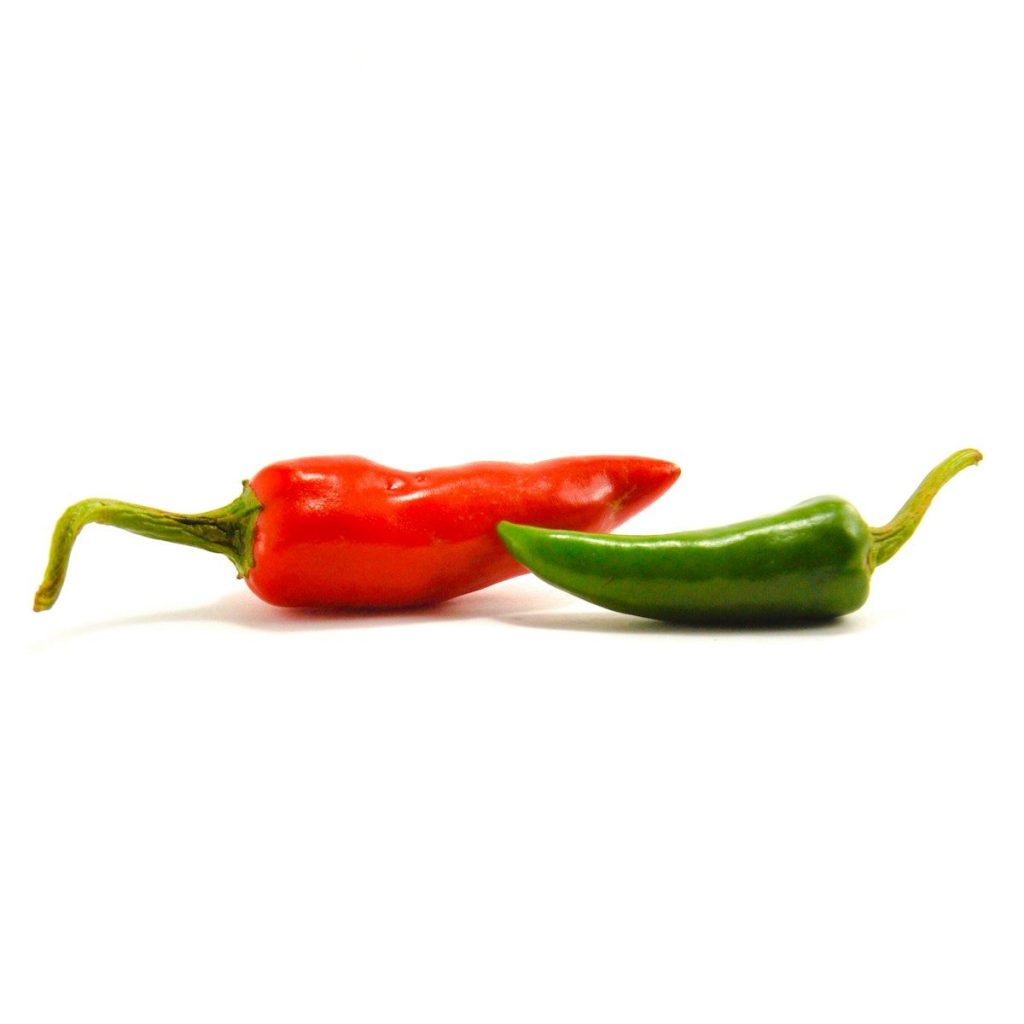
Hot peppers, chili powder, mustard, and similar spices produce strong odors that many cats find irritating. Their sensitive noses quickly detect these intense scents and often encourage them to stay away.
Spices should never be deliberately placed where a cat may inhale or touch them. Exposure can irritate the eyes, nose, and respiratory system.
Dirty Litter Boxes Create an Unpleasant Environment
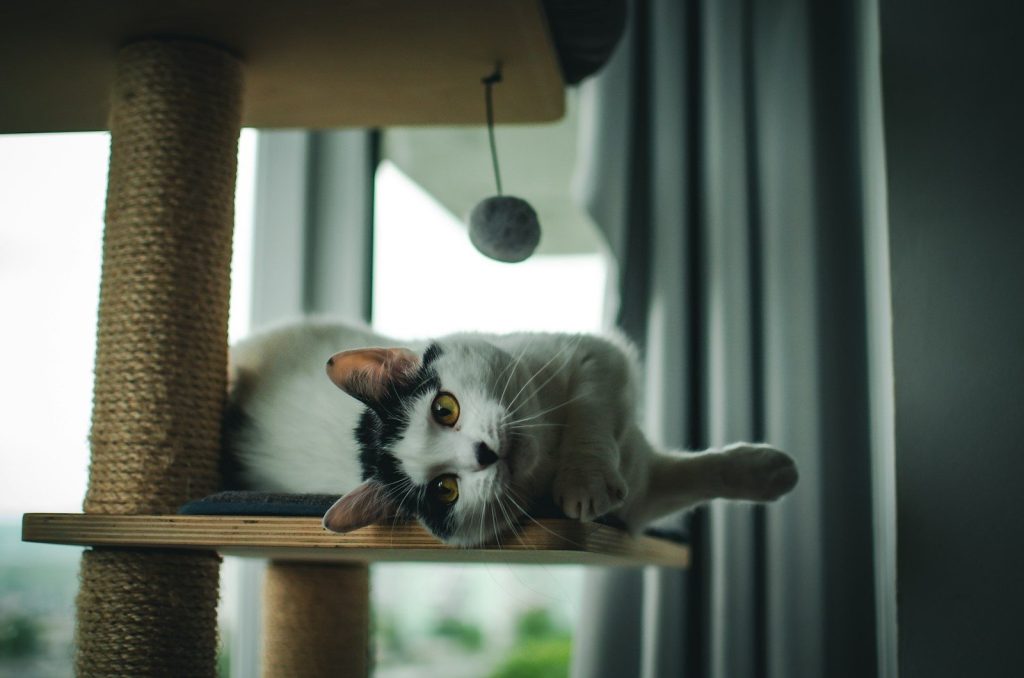
Cats are naturally clean animals that prefer fresh surroundings. A litter box with accumulated waste produces odors that many cats strongly dislike.
Keeping the litter box clean encourages regular use and helps prevent inappropriate elimination elsewhere in the home. Daily scooping and regular litter changes are essential for feline comfort.
Strong Household Chemicals Can Cause Stress
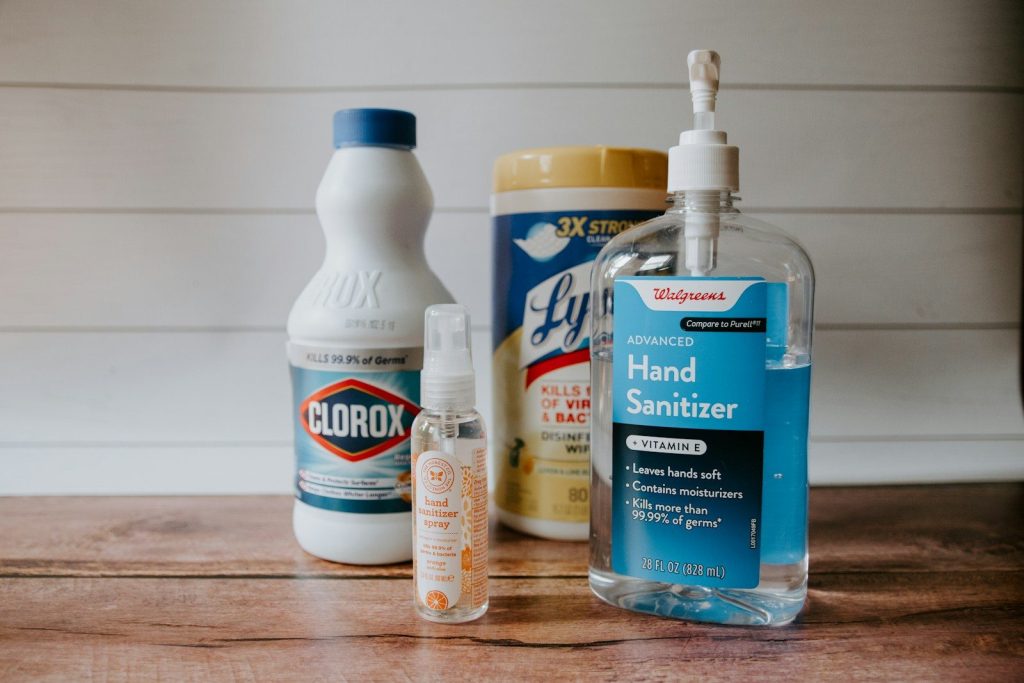
Bleach, ammonia, paint fumes, and other cleaning products release powerful odors that may overwhelm a cat’s sensitive sense of smell. Some chemicals can also present health risks if inhaled or ingested.
Whenever possible, keep cats away from freshly cleaned areas until products have dried and the space has been properly ventilated. Choosing pet safe cleaning products provides additional peace of mind.