Most people imagine bee nests as hanging hives attached to trees or hidden among branches. In reality, the majority of bee species are solitary creatures that build nests underground, inside plant stems, or within decaying wood. But researchers have now uncovered one of the strangest bee nesting behaviors ever recorded, ancient bees building nests inside fossilized animal bones deep within a Caribbean cave.
The remarkable discovery was made on the island of Hispaniola, where scientists found tiny fossilized bee nests hidden inside empty tooth sockets of ancient bones. According to researchers, this is the first known evidence of bees using bones as nesting sites.
A Rare Discovery Hidden Inside Fossils

The unusual nests were discovered inside a limestone cave filled with thousands of fossilized remains from animals that lived thousands of years ago. Researchers exploring the site initially expected to find fossils of birds, reptiles, and rodents.
Instead, they noticed something unusual lining the empty tooth sockets of several bones. The strange mud-filled structures appeared different from normal fossil deposits, leading scientists to investigate further using advanced imaging technology.
The Cave Preserved Thousands of Ancient Bones
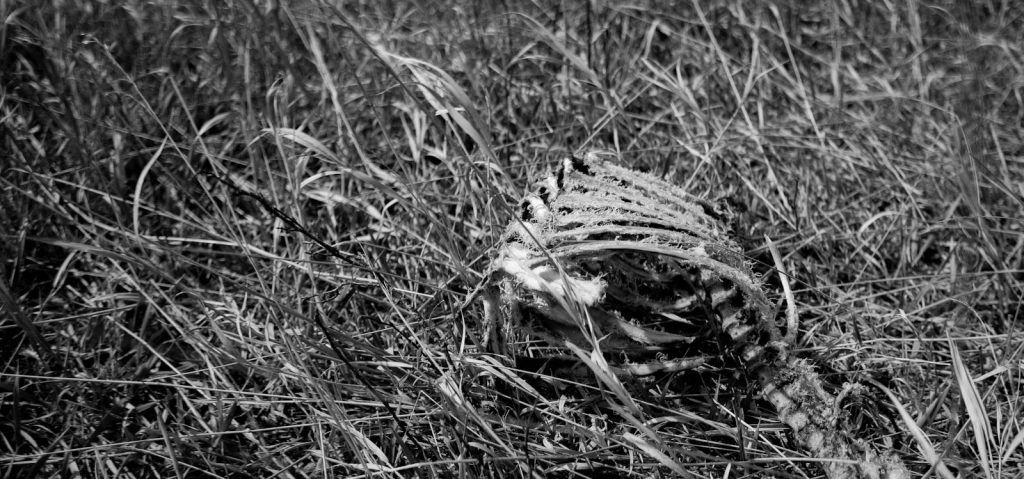
The cave itself contains layer upon layer of fossils from more than 50 species. Scientists believe generations of barn owls once lived there, leaving behind the bones of prey animals that eventually fossilized over time.
Other animals, including crocodiles and tortoises, may have accidentally fallen into the cave and become trapped. The cave’s protected environment helped preserve the fossils exceptionally well for thousands of years.
Scientists Confirmed the Nests Belonged to Bees
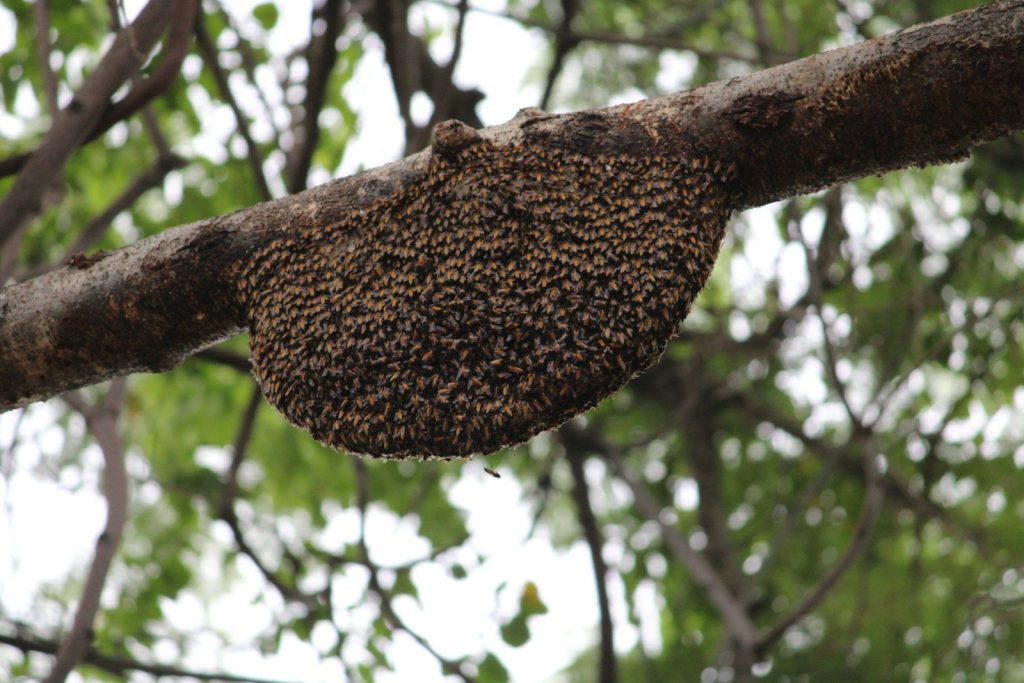
After examining the structures through CT scans and X-ray imaging, researchers confirmed the nests had been built by bees rather than wasps or other insects. The smooth inner walls of the nests matched the way bees construct chambers using compacted dirt and wax-like secretions.
The researchers believe the nests are around 20,000 years old. Multiple generations of bees appeared to repeatedly return to the same bone cavities to build their nests, suggesting communal nesting behavior.
Bees Nesting in Bones and Caves Is Extremely Rare
Modern bees are not known to commonly nest inside bones or deep caves, making the discovery especially surprising. Scientists say there is only one other known case of a burrowing bee species nesting inside a cave environment.
Researchers believe the stable humidity and protected conditions inside the cave may have made it attractive for nesting. The sheltered environment could also have helped protect the bees from predators and harsh weather conditions.
The Discovery Reveals Hidden Bee Behaviors
The fossil nests provide scientists with rare insights into the behavior of ancient bee species. Because insect bodies rarely preserve well in humid cave conditions, the nests themselves became the only evidence of the bees’ existence.
The structures have now been officially named Osnidum almontei after paleontologist Juan Almonte Milan, who first discovered the cave system.
Scientists Hope to Learn More About Ancient Pollinators

Researchers say the discovery highlights how adaptable bees have been throughout evolutionary history. Bees have survived environmental changes for millions of years by developing unique nesting and survival strategies.
Scientists now hope to return to the cave and surrounding areas to determine whether similar nesting behaviors still exist today. The finding also reminds researchers that even familiar species may still hold surprising secrets hidden deep within the fossil record.