Hawks are among nature’s most skilled aerial predators, using sharp eyesight, powerful talons, and incredible speed to hunt a wide range of prey. Their hunting abilities place them near the top of many food chains, but they are not completely unbeatable.
Several animals possess the size, strength, or tactics needed to overpower a hawk under the right circumstances. Whether through direct combat, territorial defense, or surprise attacks, these formidable opponents remind us that even top predators face threats in the wild.
Eagles Can Dominate Other Birds of Prey
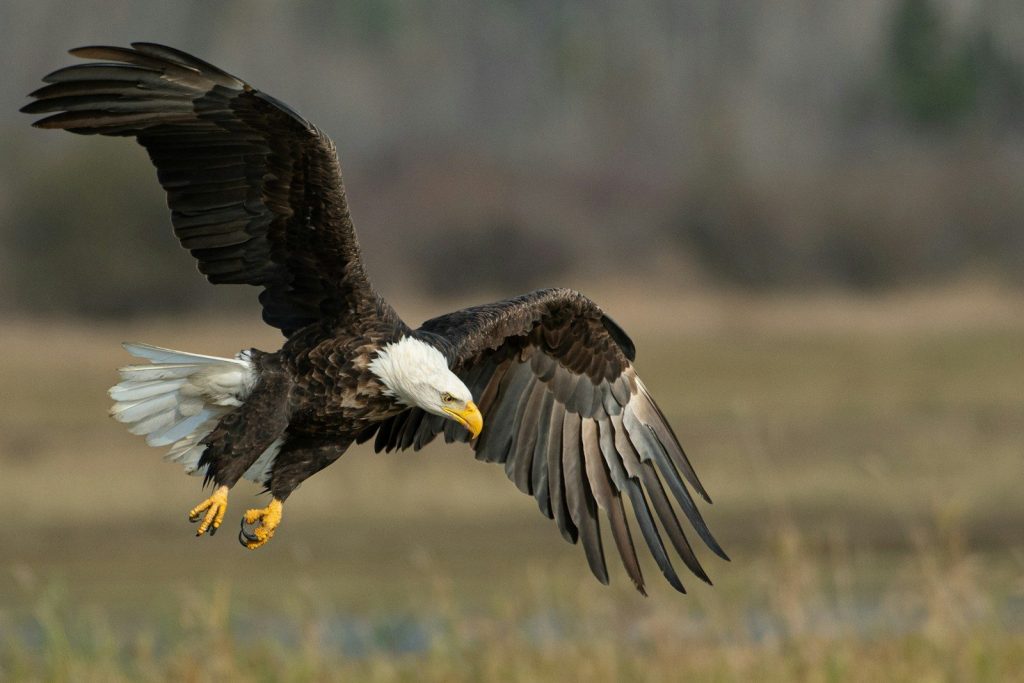
Large eagles are among the few birds capable of defeating hawks in aerial confrontations. Their greater size, stronger talons, and impressive wingspans often give them the advantage during territorial disputes or competition for food.
Golden eagles and bald eagles have been known to attack smaller raptors when defending nesting areas or valuable hunting grounds. Hawks generally avoid direct conflicts with these larger birds whenever possible.
Great Horned Owls Become Dangerous After Dark
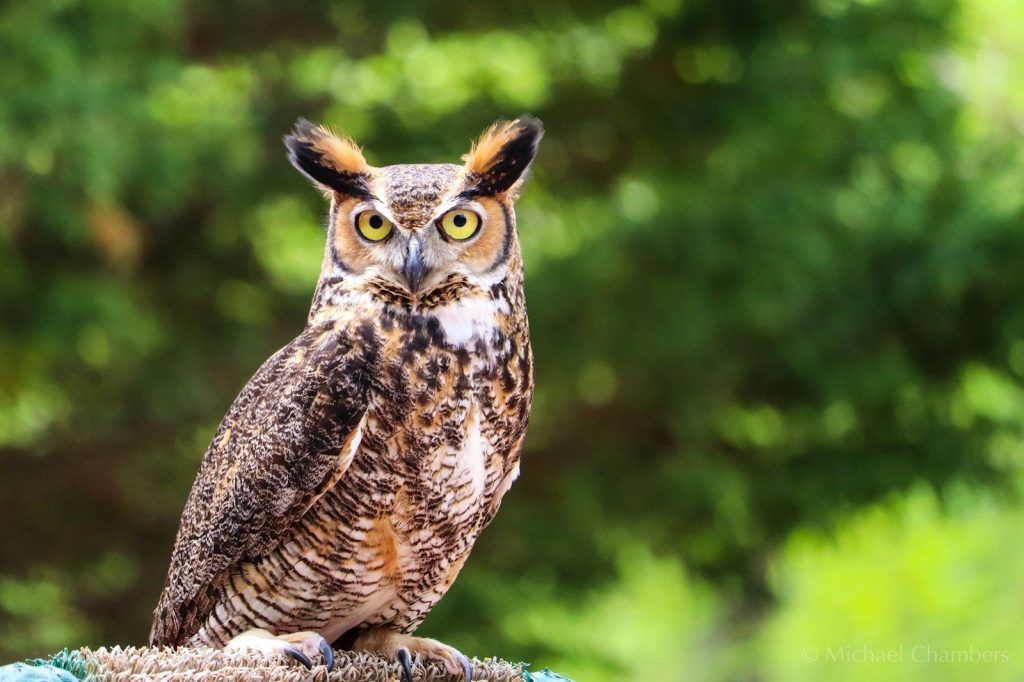
While hawks rule the skies during the day, great horned owls dominate many habitats at night. These powerful nocturnal hunters can ambush roosting hawks when they are least prepared to defend themselves.
Strong talons and silent flight make the owl an especially effective predator. In some regions, great horned owls are considered one of the most significant natural threats to hawks.
Larger Hawks Sometimes Hunt Smaller Species
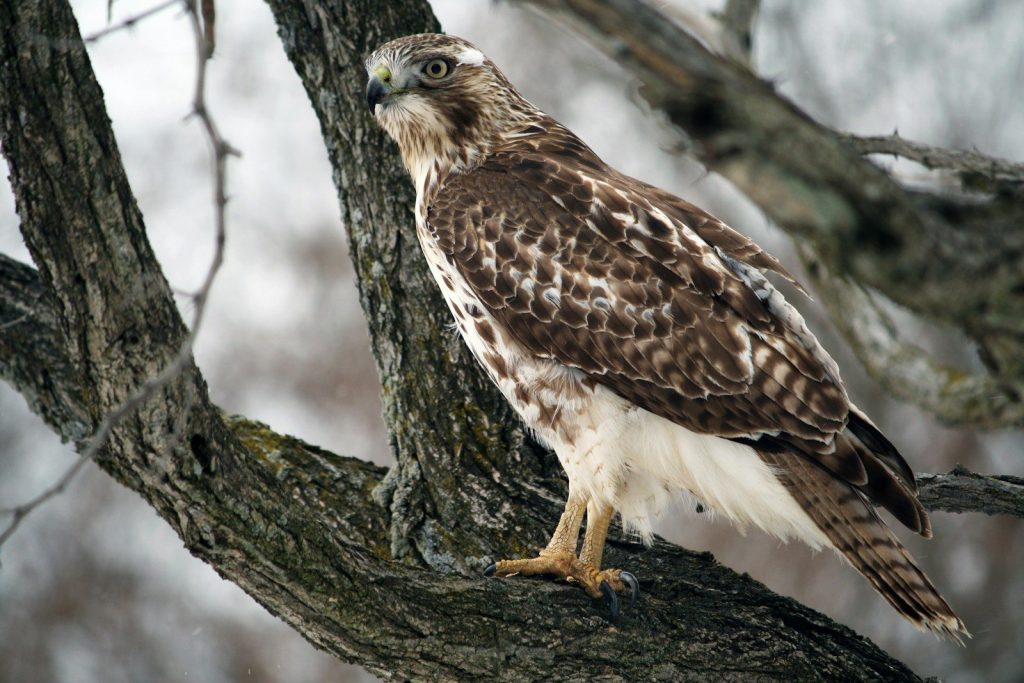
Not all hawks are equal in size or strength. Larger species occasionally prey on smaller hawks, particularly young birds or inexperienced individuals competing for food or territory.
These encounters are relatively uncommon but demonstrate that competition exists even among birds of prey. Survival often depends on age, experience, and physical condition.
Snakes Can Turn the Tables
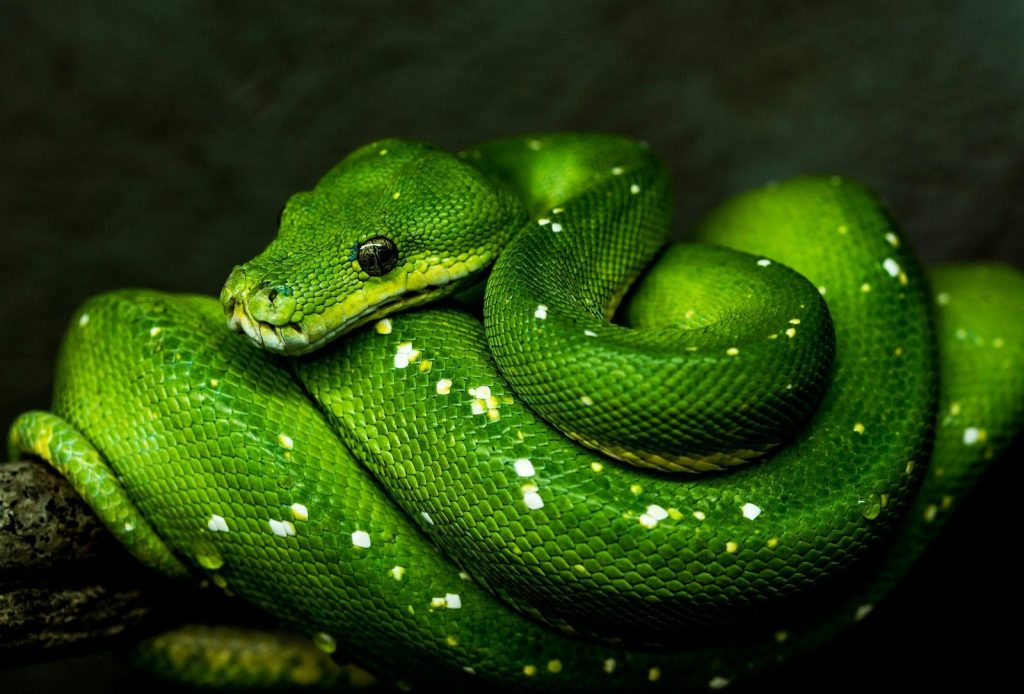
Although hawks frequently hunt snakes, some large or venomous species are capable of fighting back successfully. Powerful constrictors and highly venomous snakes may seriously injure or even kill a hawk during an attempted capture.
These confrontations highlight the risks predators face whenever they attack dangerous prey. Even a successful hunt can result in severe injuries if the prey defends itself effectively.
Mammalian Predators Threaten Young Hawks
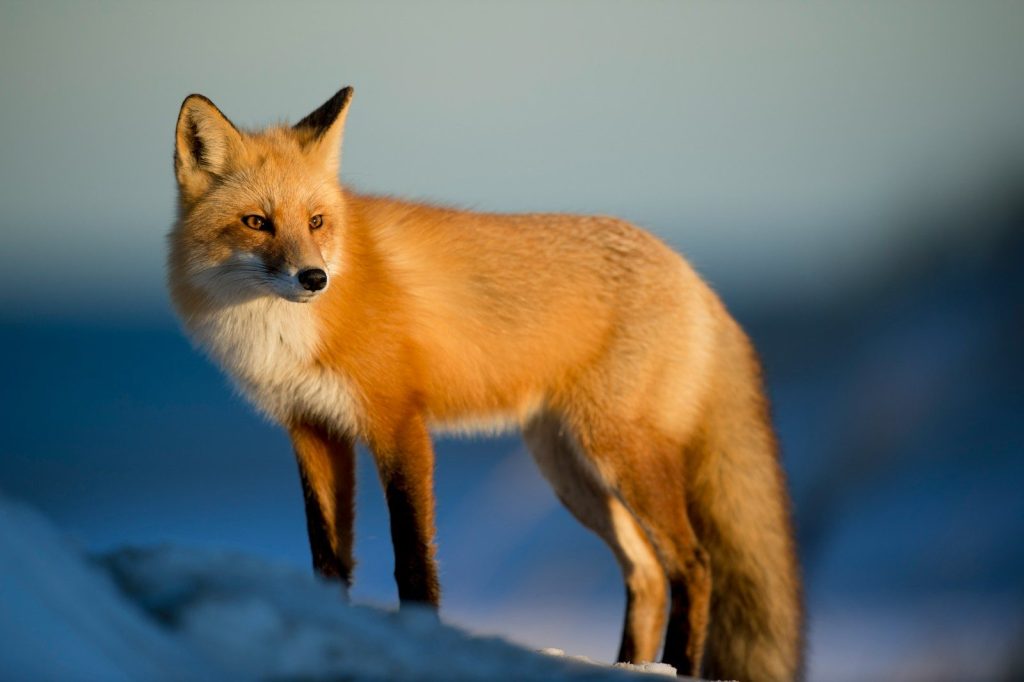
Adult hawks spend much of their time safely in the air, but eggs and nestlings are far more vulnerable. Raccoons, foxes, and other climbing or opportunistic predators may raid nests if they can reach them.
These predators usually target young birds rather than healthy adults. Protecting nests is one of the biggest challenges hawks face during the breeding season.
Small Birds Can Drive Hawks Away Together
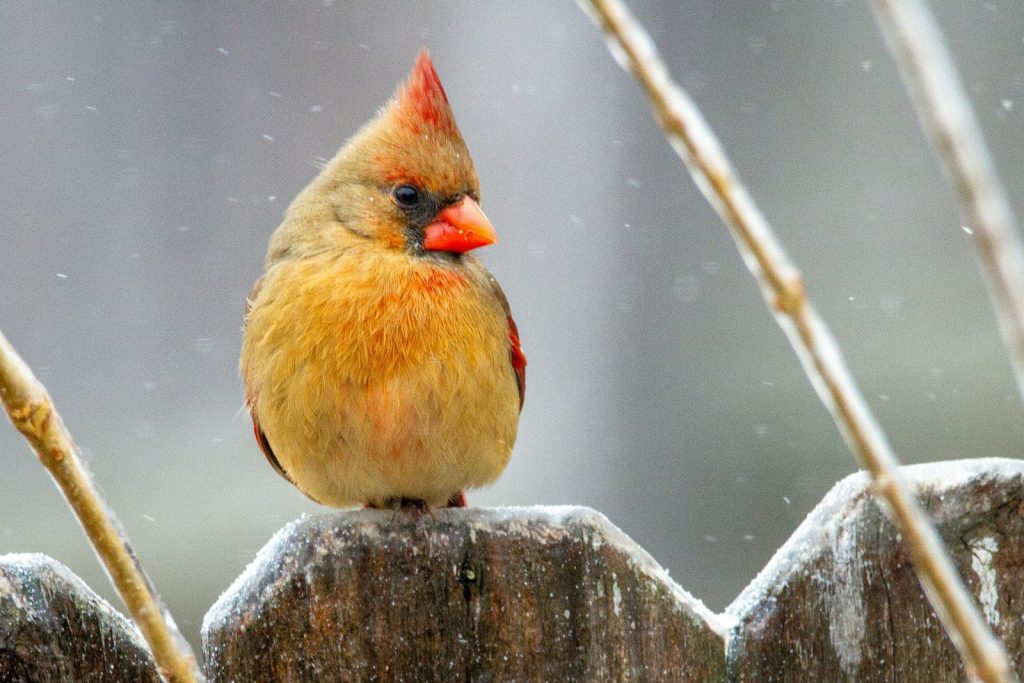
Individual songbirds have little chance against a hawk, but many species cooperate to chase away predators through a behavior known as mobbing. Loud alarm calls and repeated dive bombing make hunting much more difficult for the hawk.
Although these smaller birds rarely overpower a hawk physically, their teamwork often forces it to abandon the area. This remarkable strategy shows that cooperation can sometimes overcome size and strength.