Many baby animals resemble miniature versions of their parents, but some undergo astonishing transformations as they grow. Changes in color, body shape, fur, feathers, and even lifestyle can make it difficult to believe that the young and adult animals belong to the same species.
These dramatic changes often serve an important purpose by helping young animals stay hidden from predators or adapt to different environments. As they mature, they gradually develop the features that define their adult appearance.
Giant Panda Cubs Start Life Tiny and Pink
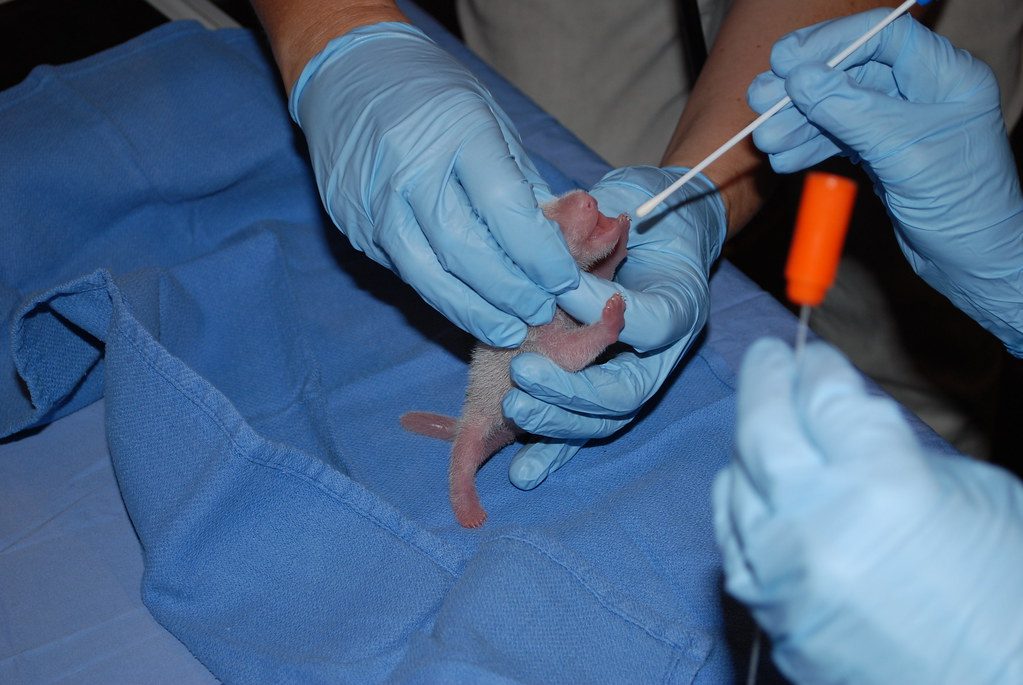
Newborn giant pandas are incredibly small, hairless, and pink, weighing only a fraction of their mother’s size. They are born blind and completely dependent on their mothers for warmth and nourishment.
Over the following months, they develop the familiar black and white markings that make adult pandas instantly recognizable. Their dramatic transformation is one of the most remarkable among mammals.
Tadpoles Barely Resemble Adult Frogs
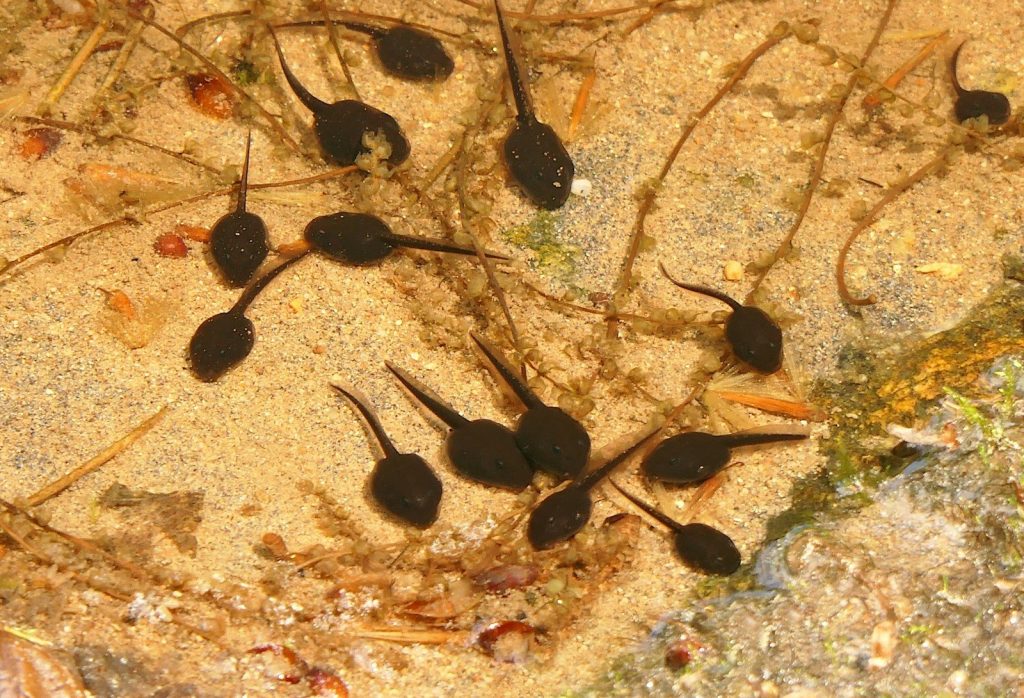
Frogs begin life as tadpoles with long tails and gills, living entirely underwater. At this stage, they look more like small fish than amphibians.
As they grow, legs develop, lungs replace gills, and the tail gradually disappears. This complete metamorphosis produces the familiar adult frog capable of living both in water and on land.
Tapir Calves Wear Nature’s Camouflage
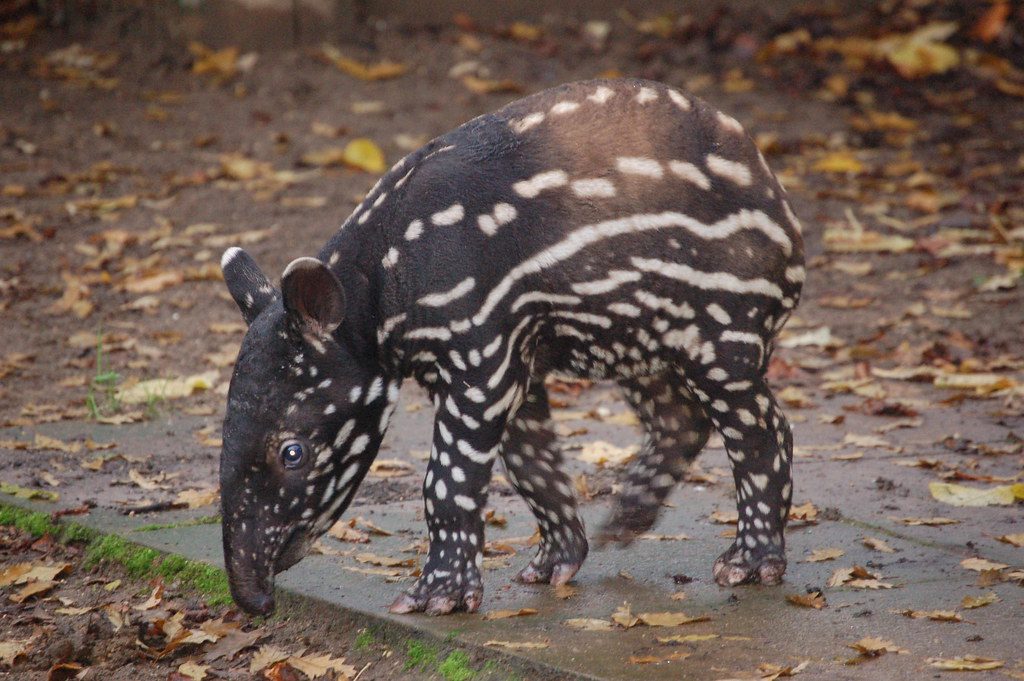
Baby tapirs are born with striking white stripes and spots covering their reddish brown coats. These markings provide excellent camouflage among forest vegetation during their vulnerable early months.
As they mature, the colorful pattern fades and is replaced by the solid dark coat seen in adult tapirs. The dramatic color change helps distinguish different stages of their development.
Swan Cygnets Grow Into Elegant White Birds
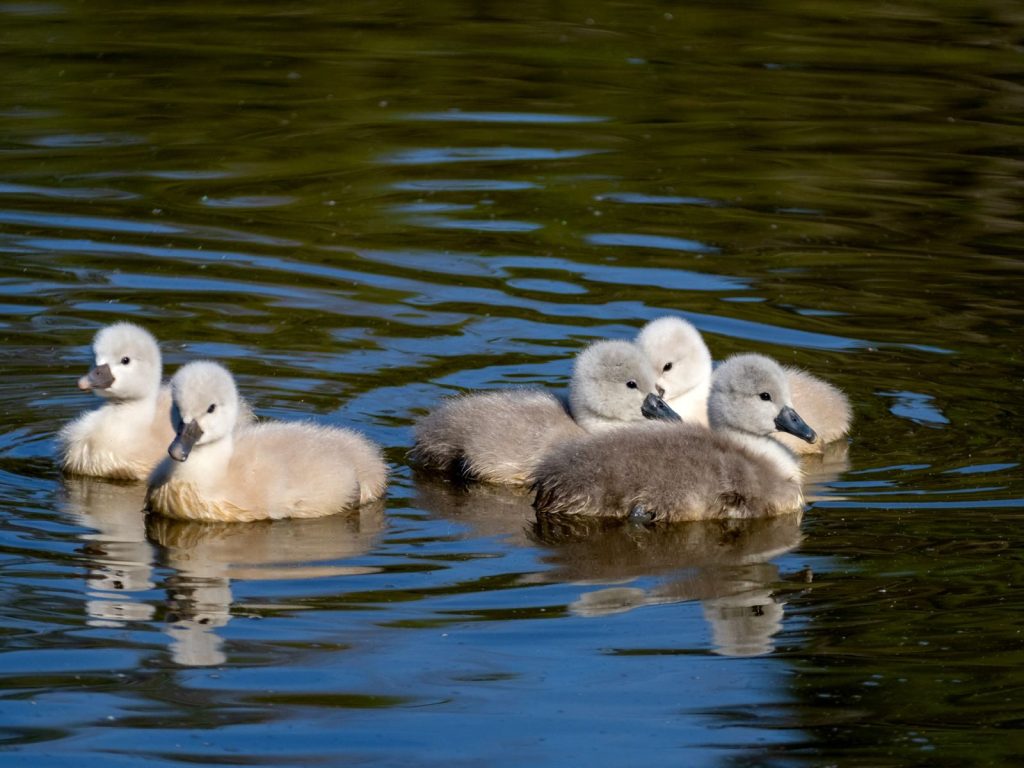
Young swans, known as cygnets, hatch with fluffy gray or brown feathers instead of the brilliant white plumage associated with adults. Their shorter necks and soft down make them appear completely different.
As they mature, their juvenile feathers are replaced by sleek white plumage, and their graceful adult appearance gradually emerges. This transformation inspired the classic tale of the ugly duckling.
Peacock Chicks Hide Their Future Brilliance
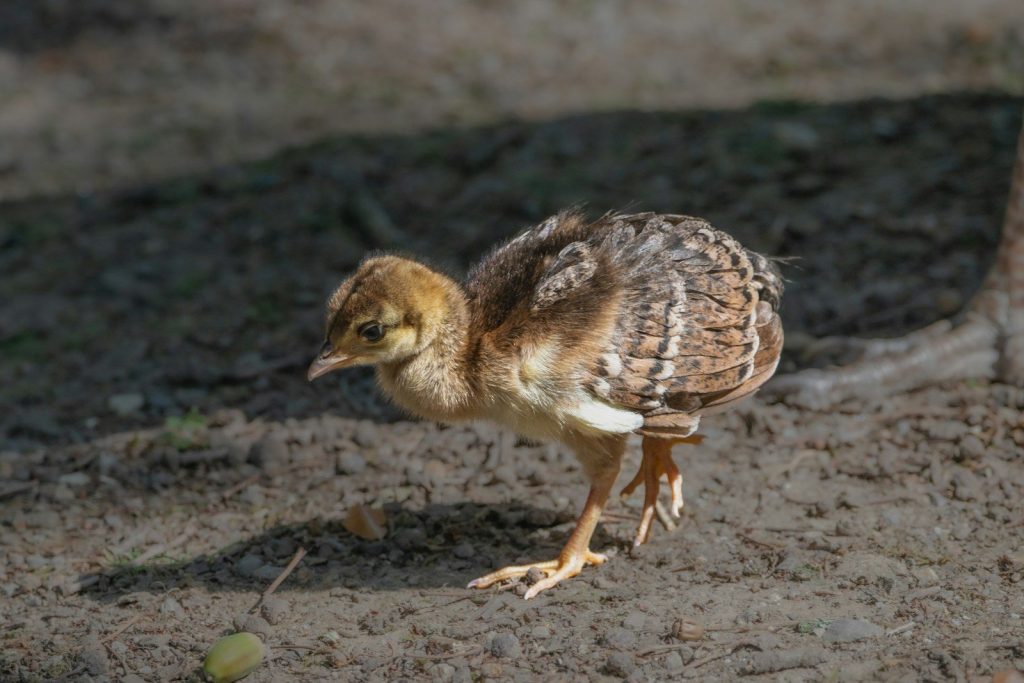
Baby peafowl hatch with plain brown feathers that help them blend into their surroundings. At first glance, there is little hint of the dazzling colors they will eventually display.
Male peacocks slowly develop their brilliant blue plumage and spectacular tail feathers over several years. Their famous display is one of the most dramatic changes seen in birds.
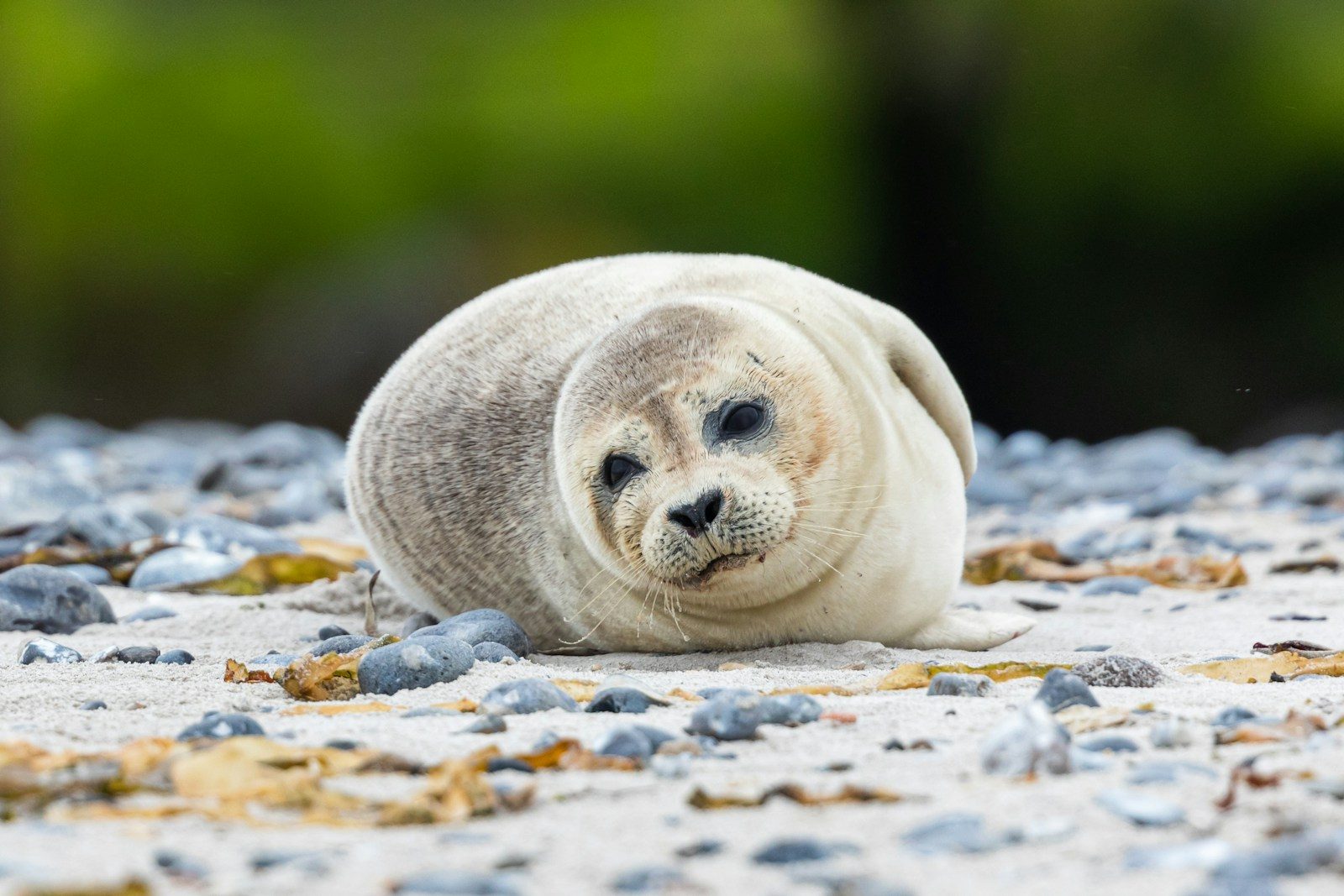
Seal Pups Lose Their Fluffy White Coats
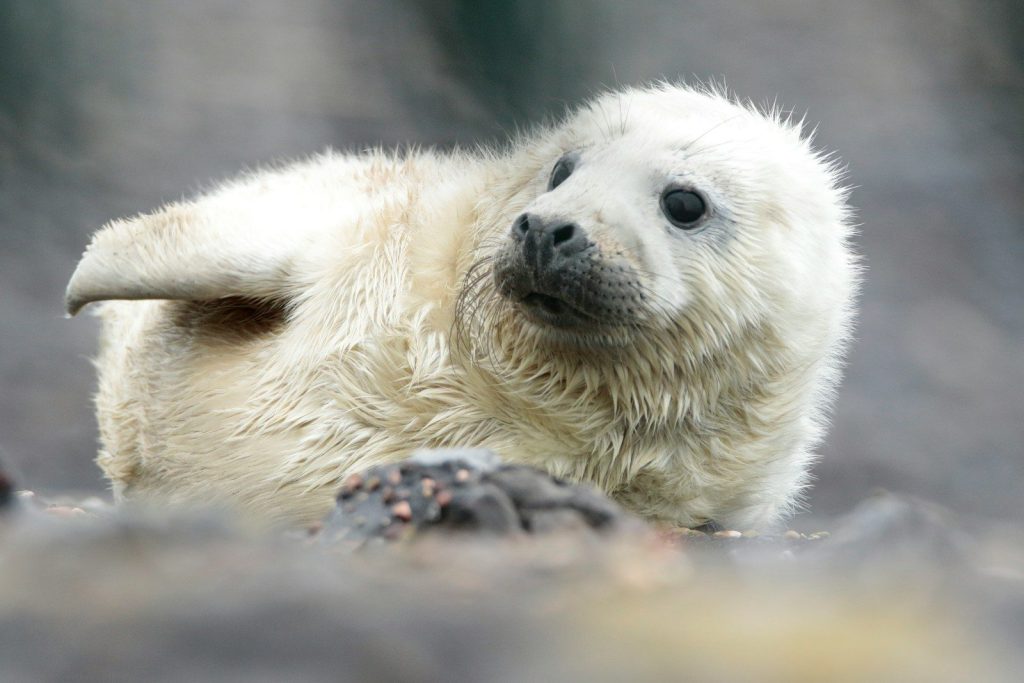
Many seal pups are born with thick white fur that provides insulation and camouflage in snowy environments. Their soft appearance is very different from the sleek adults seen swimming in the ocean.
As they grow, the fluffy coat is shed and replaced with darker, waterproof fur better suited for life in the water. This transition prepares them for independent survival at sea.