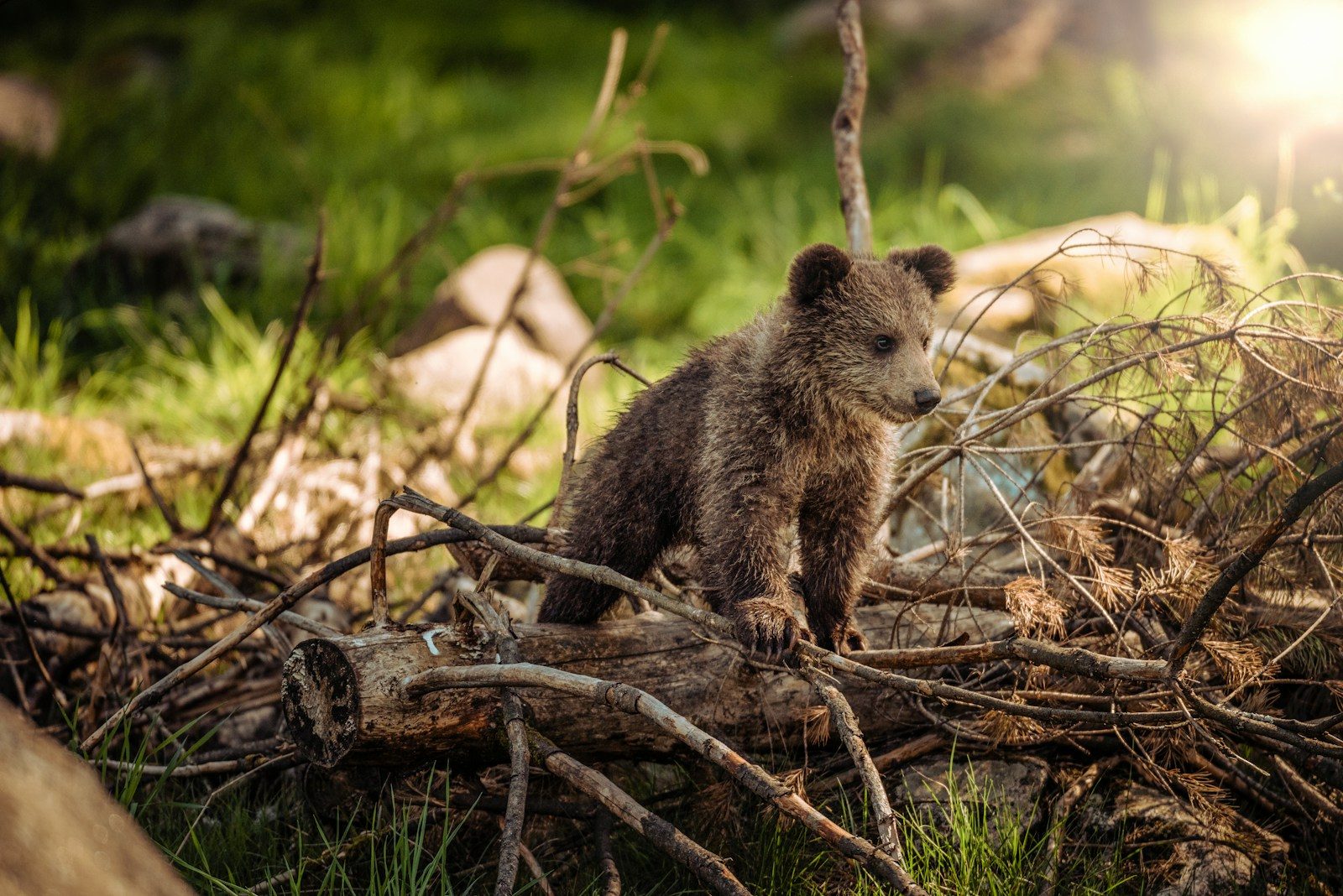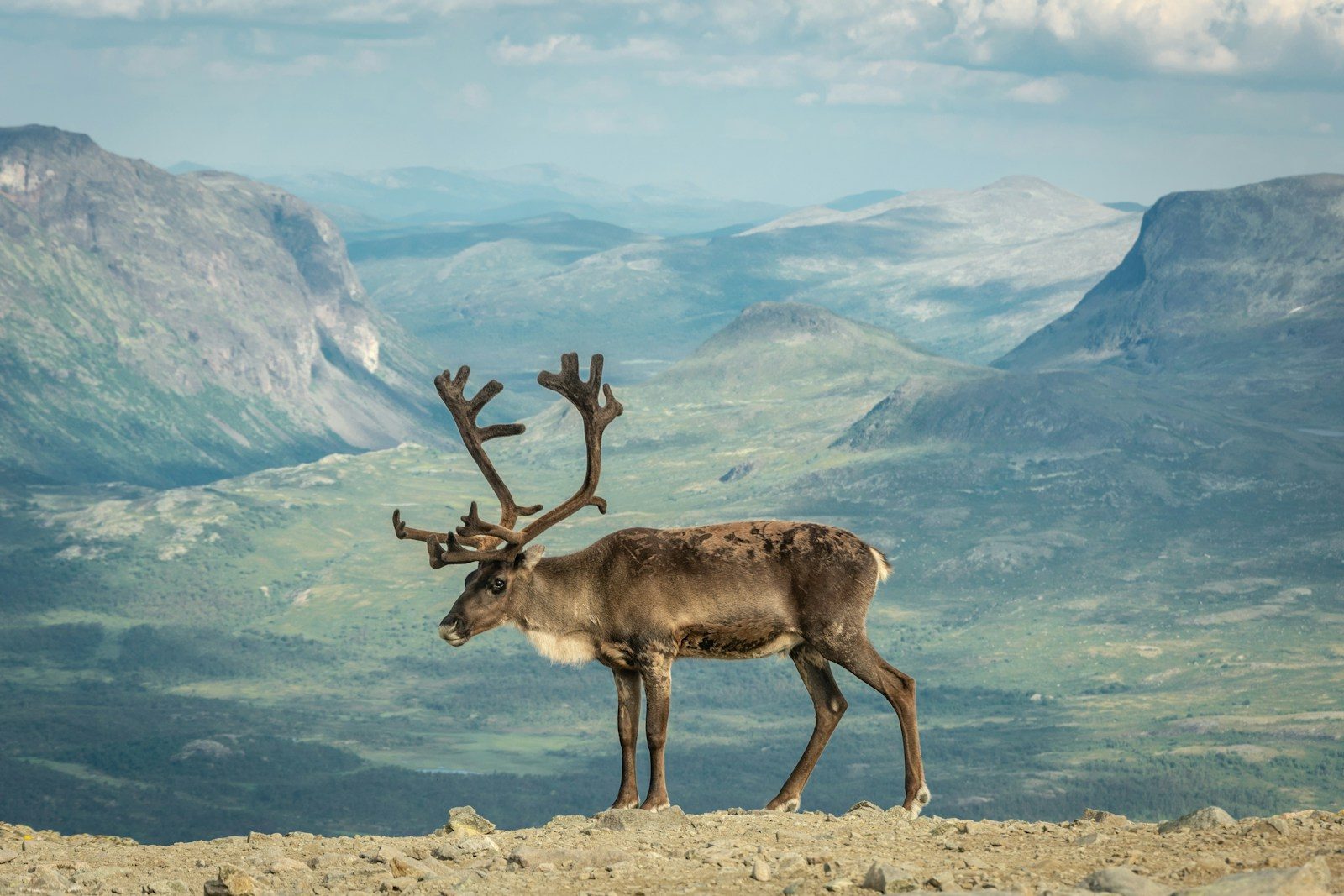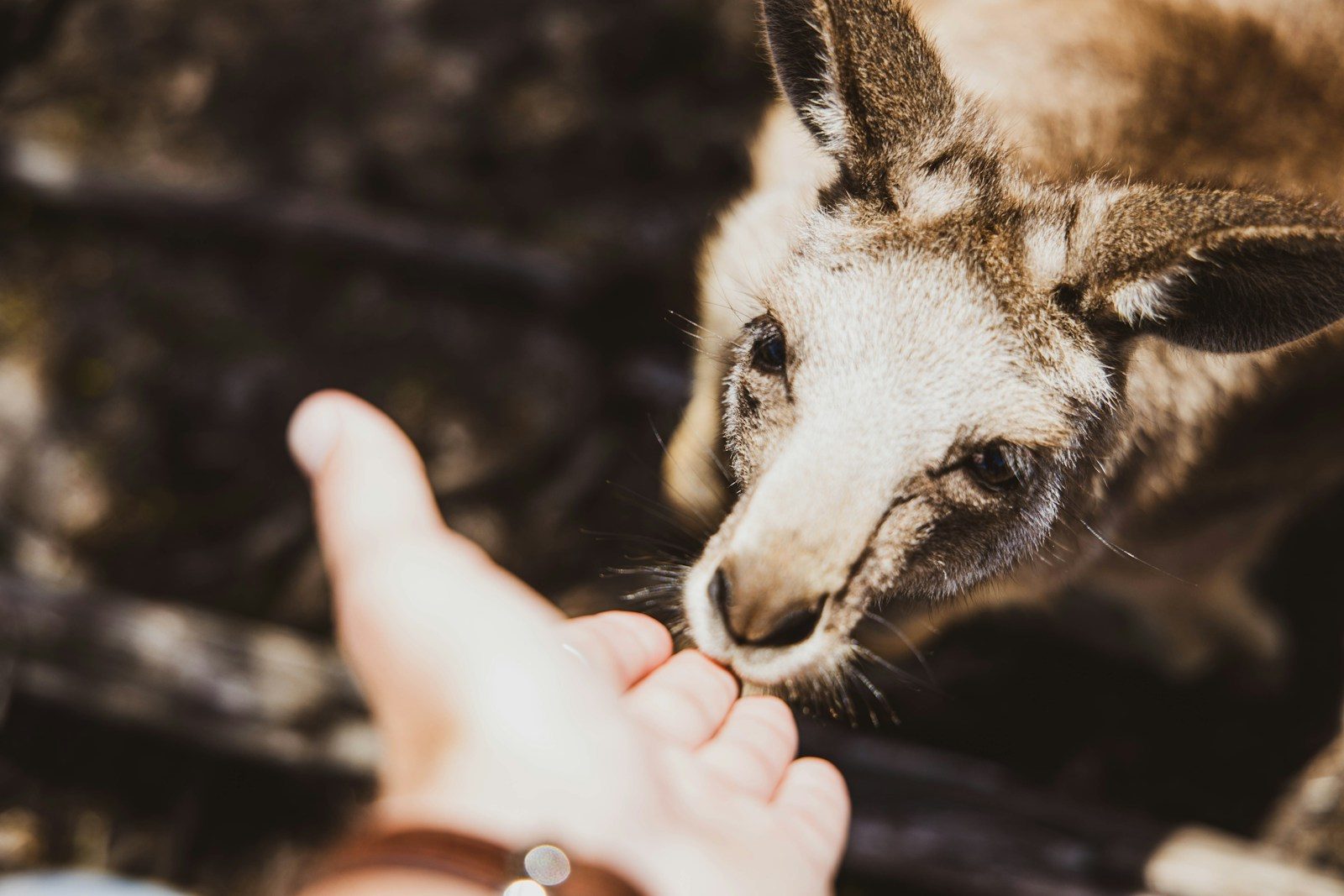
As cities continue expanding and global temperatures rise, humans and wildlife are coming into contact more often than ever before. Animals that once lived deep inside forests, wetlands, and grasslands are increasingly appearing near neighborhoods, roads, farms, and urban areas. Scientists say climate change and rapid urbanization are two of the biggest reasons behind this growing overlap between people and wildlife.
Researchers warn that these encounters are becoming more common across the world as natural habitats shrink and environmental conditions shift. From predators entering suburban communities to elephants moving into farming regions, wildlife is being forced to adapt to landscapes increasingly dominated by humans.
Climate Change Is Altering Animal Behavior
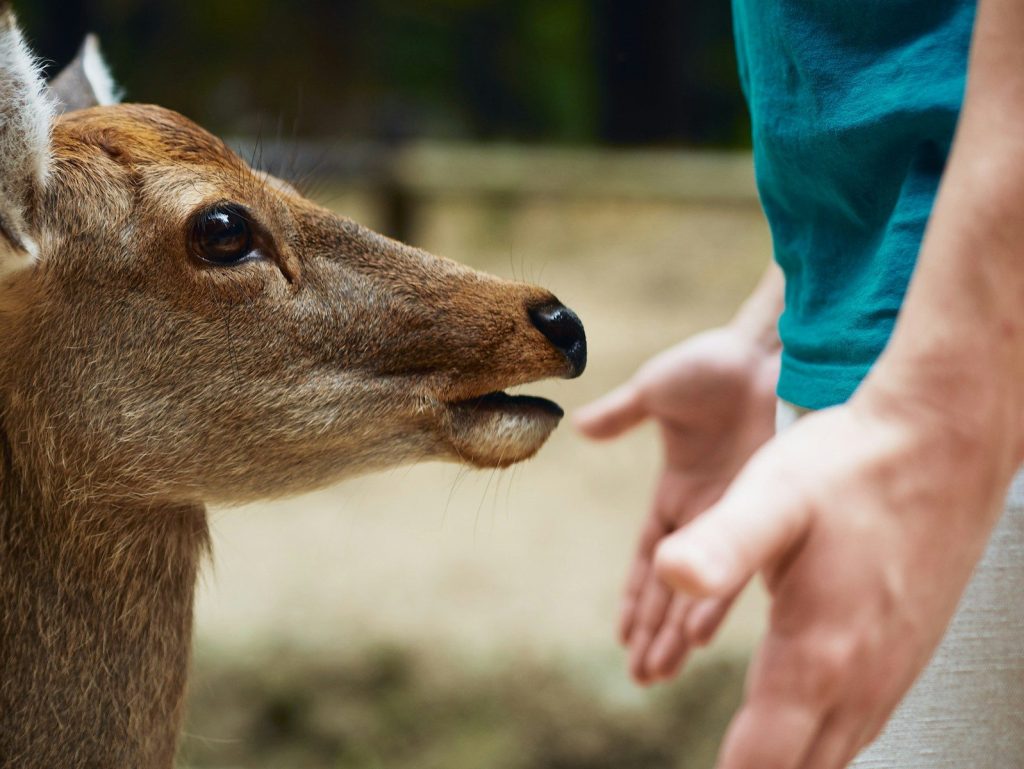
Rising temperatures, droughts, floods, and changing rainfall patterns are affecting how animals move and survive. Many species are being pushed out of their traditional habitats as food, water, and shelter become harder to find.
Scientists explain that climate change can alter migration routes, breeding patterns, and feeding behavior, bringing animals into closer contact with human populations. In some cases, wildlife enters towns and agricultural areas while searching for resources that have disappeared from their natural ecosystems.
Urban Expansion Is Shrinking Wildlife Habitats
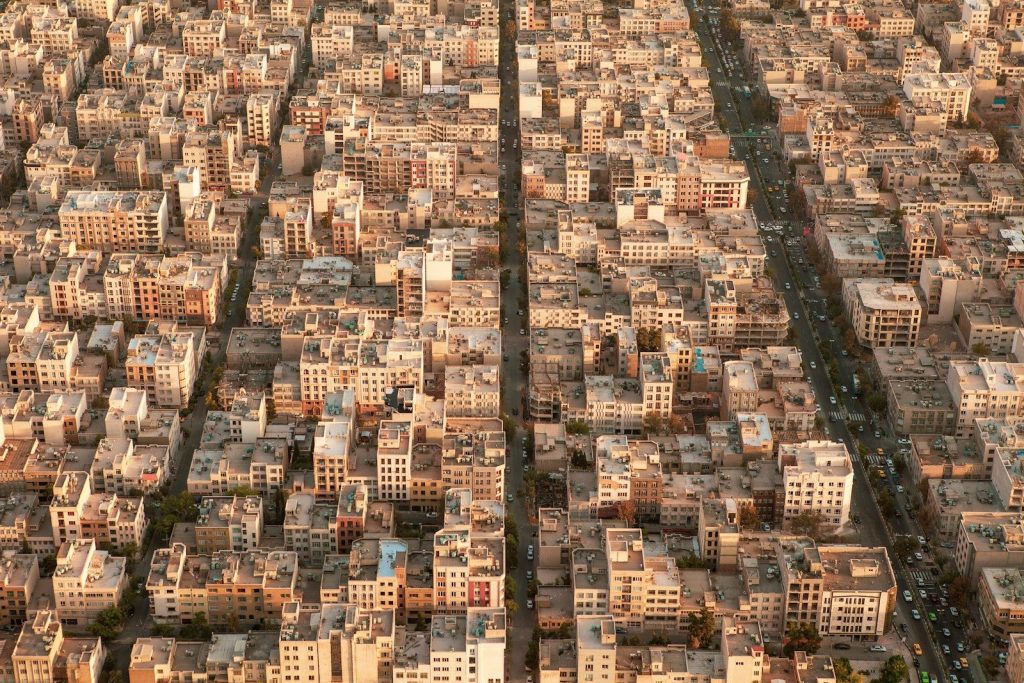
Rapid urbanization is another major factor increasing human-wildlife encounters. As cities grow outward, forests, wetlands, and grasslands are cleared for housing, roads, and infrastructure projects.
This habitat loss forces animals to survive in smaller and more fragmented areas. Some adaptable species begin living near humans, while others are displaced entirely from their original territories.
Some Animals Are Adapting to City Life
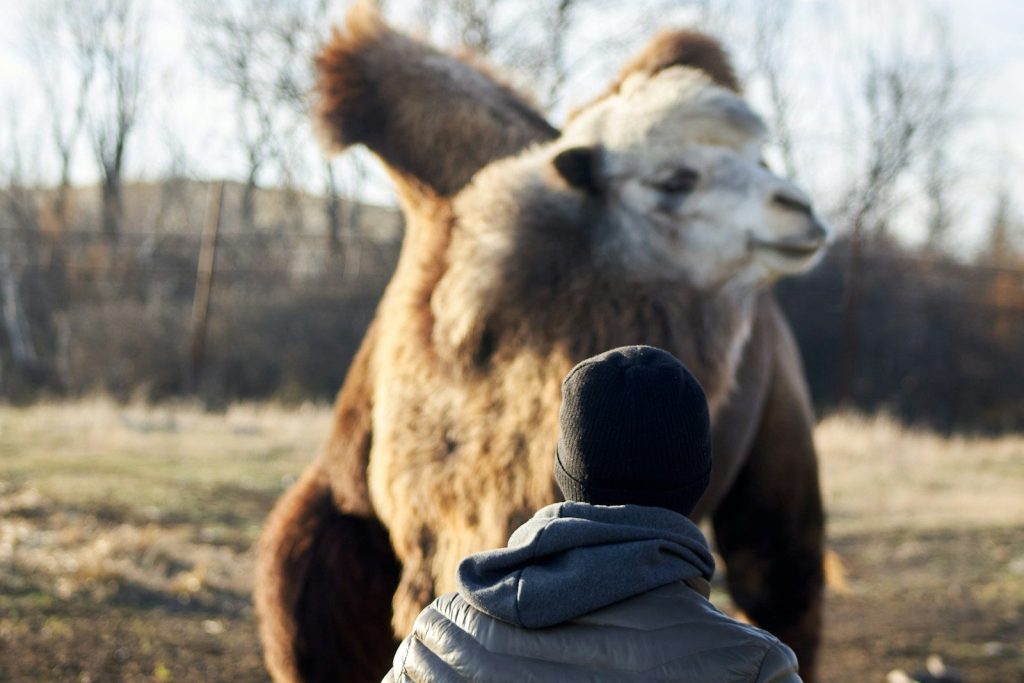
Certain wildlife species have become increasingly comfortable around people and urban environments. Coyotes, monkeys, raccoons, birds of prey, and even large predators in some regions have learned to use cities as new habitats.
Easy access to food sources such as garbage, pet food, gardens, and artificial water supplies encourages animals to remain close to human settlements. Over time, these species can become less fearful of people, increasing the frequency of encounters.
Human-Wildlife Conflict Is Becoming More Common
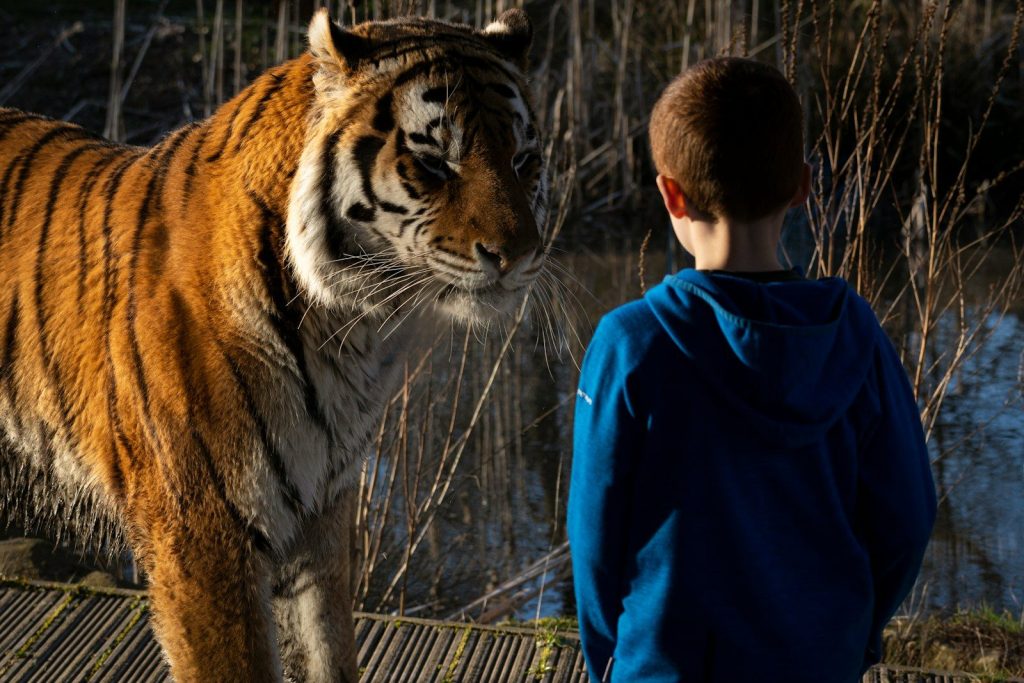
As humans and wildlife share more space, conflicts are becoming more frequent. These interactions can include crop destruction, livestock attacks, road accidents, property damage, and even direct attacks on people.
Scientists note that climate-driven resource shortages often intensify these conflicts. During droughts or extreme weather events, animals may become more desperate to access food and water, pushing them closer to human communities.
Future Overlap Could Increase Dramatically
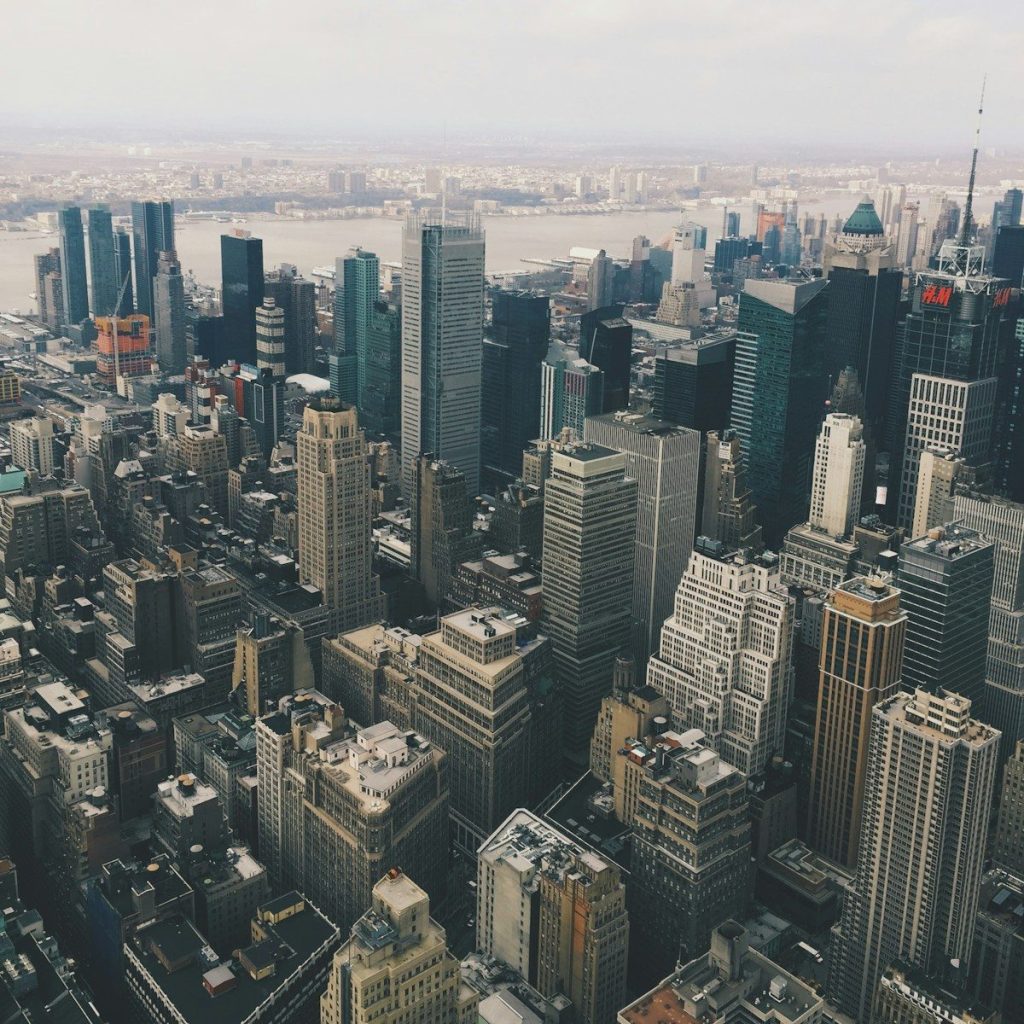
Recent studies suggest that human and wildlife populations may overlap across more than half of Earth’s land surface by 2070. Population growth, urban development, and environmental changes are expected to continue driving this trend in the coming decades.
Researchers believe understanding where these overlaps are likely to occur will become increasingly important for conservation planning and public safety.
Finding Ways for Humans and Wildlife to Coexist
Experts argue that better urban planning and conservation strategies will be necessary to reduce conflict between humans and wildlife. Protecting natural habitats, creating wildlife corridors, and improving waste management systems can help reduce risky encounters.
Scientists also emphasize the importance of public awareness and coexistence strategies. As climate change and urbanization continue reshaping ecosystems, learning how to safely share space with wildlife may become one of the defining environmental challenges of the future.