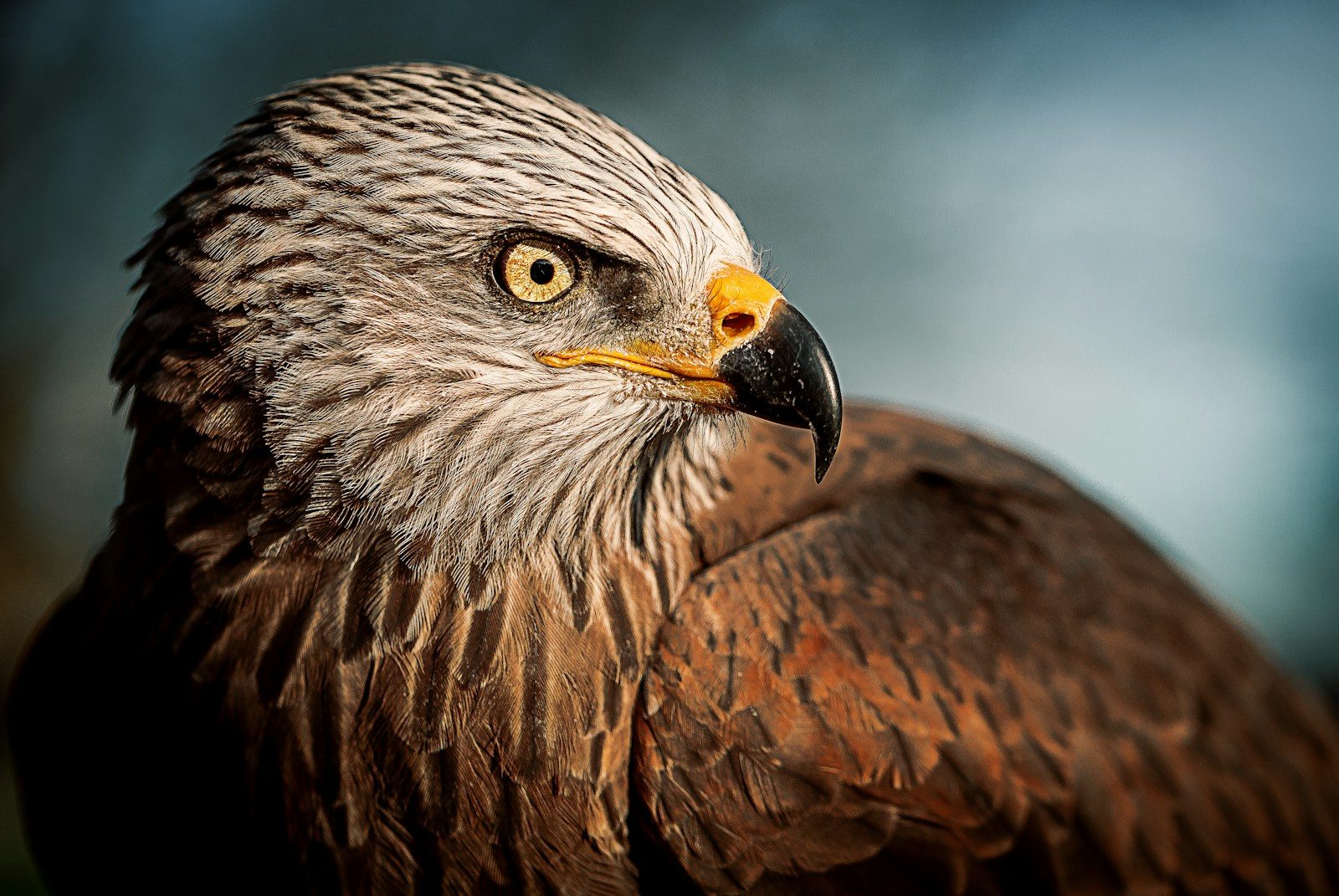
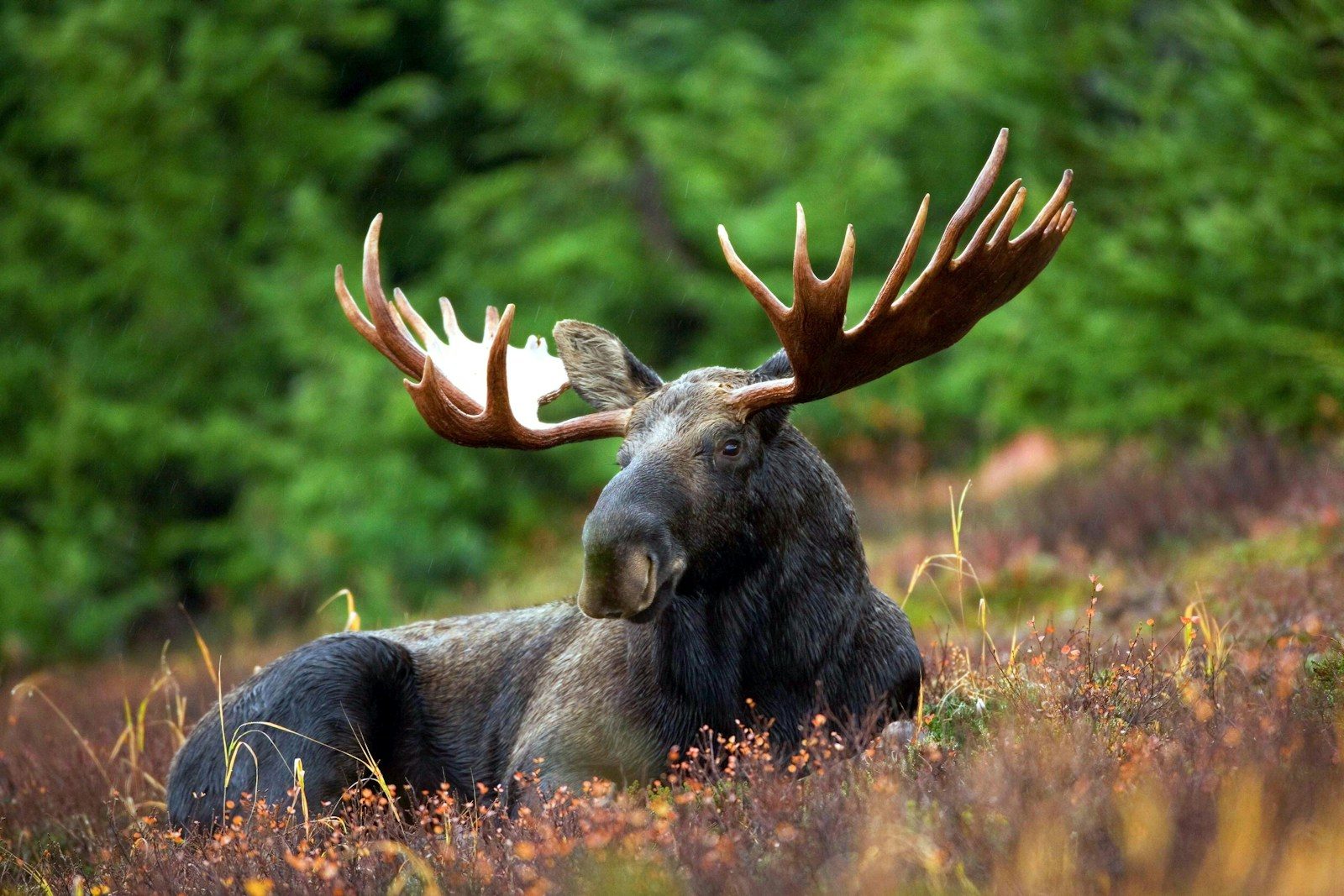
When the sun goes down, many of the planet’s most efficient predators become active and begin their hunt. Darkness often gives them a tactical advantage, allowing them to move unseen while tracking prey across forests, plains, and waterways.
These nocturnal hunters rely on stealth, strength, and heightened senses to survive in the wild. From big cats to aquatic ambush specialists, their nighttime behavior reveals how powerful nature can be after dark.
Lions: Coordinated Hunters of the Night
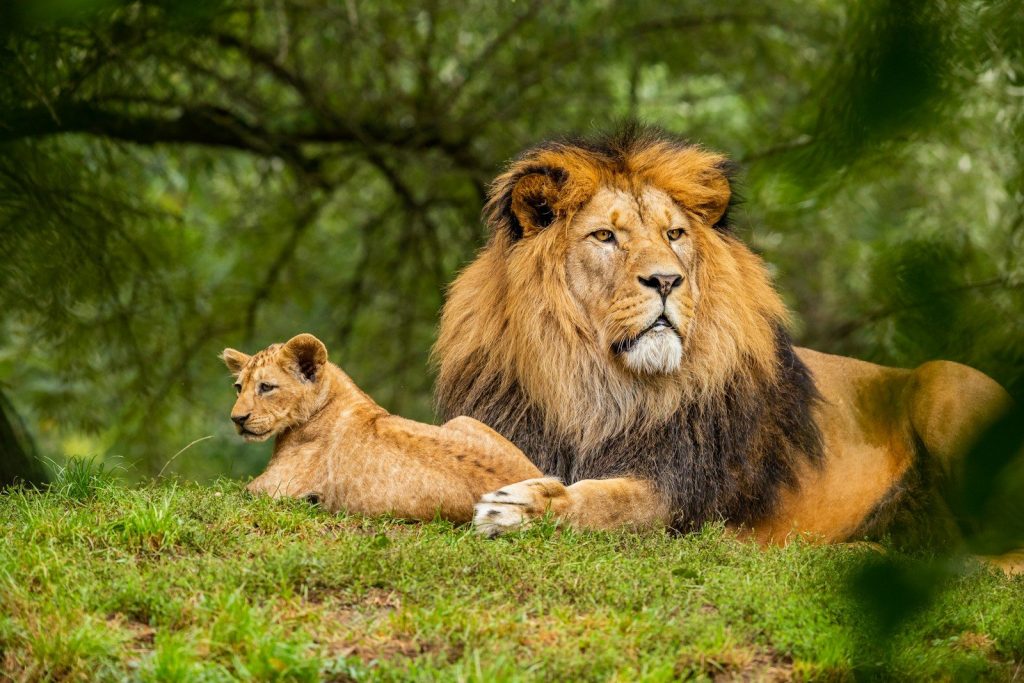
Lions often use the cover of darkness to increase their hunting success in open grasslands. Their group coordination makes it easier to isolate and ambush prey with precision.
Nighttime gives lions a visual advantage over many herbivores that struggle to detect movement in low light. Their powerful teamwork makes them one of the most feared predators in the wild.
Tigers: Silent Solitary Stalkers
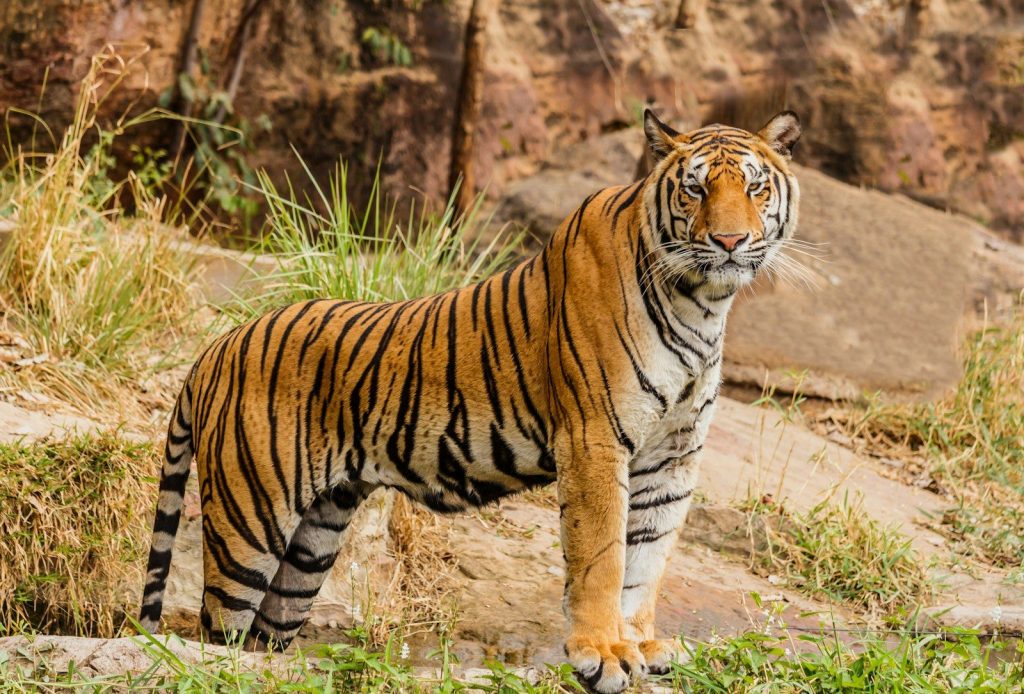
Tigers are solitary hunters that rely heavily on stealth and patience during nighttime hunts. Their striped coats help them blend into dense forests and tall grasses under low light conditions.
They often stalk prey for long distances before launching a sudden and powerful attack. This combination of strength and silence makes them highly effective nocturnal predators.
Leopards: Masters of Stealth and Adaptation
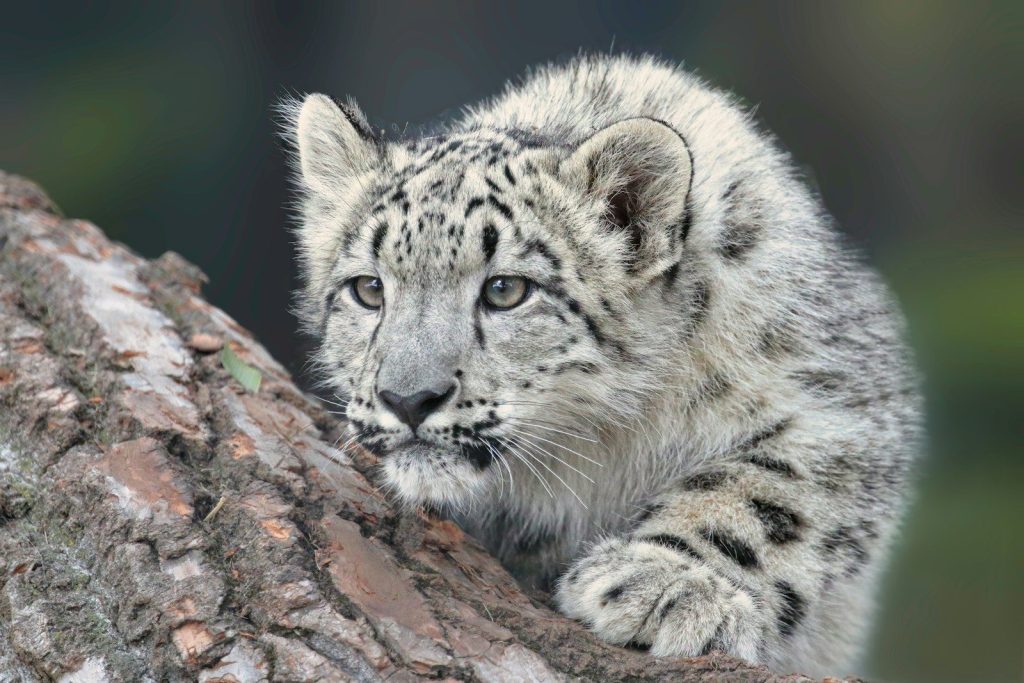
Leopards are known for their incredible ability to adapt to different environments, including forests, savannas, and rocky landscapes. They are especially active at night when they can use darkness to their advantage.
Their agility allows them to climb trees quickly, often dragging prey into branches to avoid competition. This behavior helps them secure food even in predator-rich environments.
Hyenas: Intelligent and Persistent Night Hunters
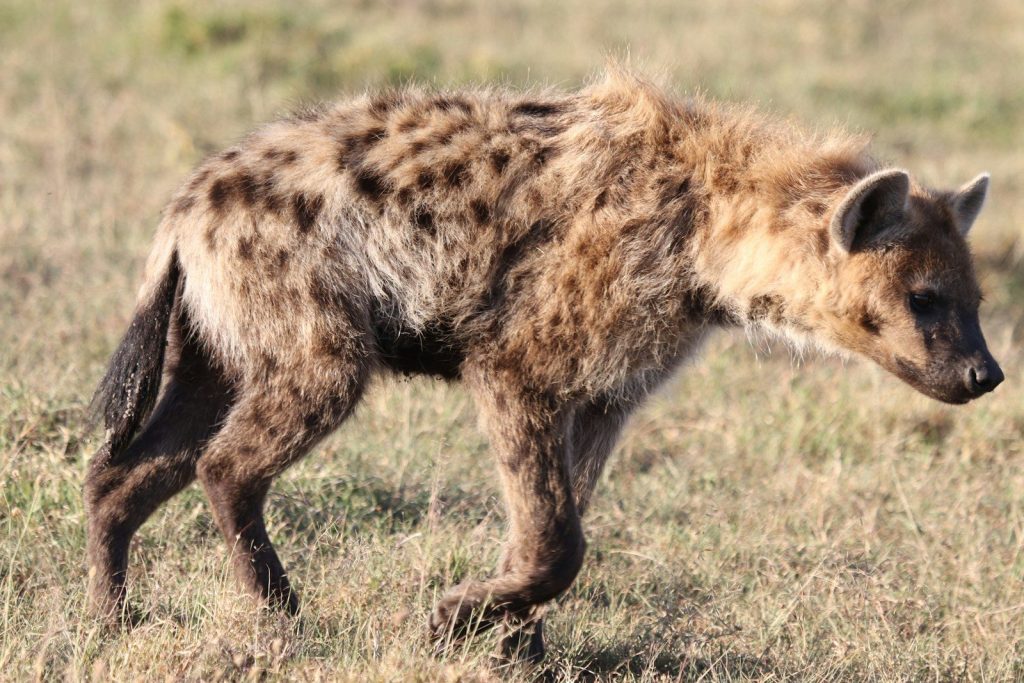
Hyenas are highly intelligent predators that often hunt in coordinated clans during the night. Their endurance allows them to chase prey over long distances until it becomes exhausted.
They are also opportunistic feeders that will scavenge when hunting is unsuccessful. This adaptability makes them one of the most successful predators in African ecosystems.
Wolves: Pack Hunters Under the Moonlight
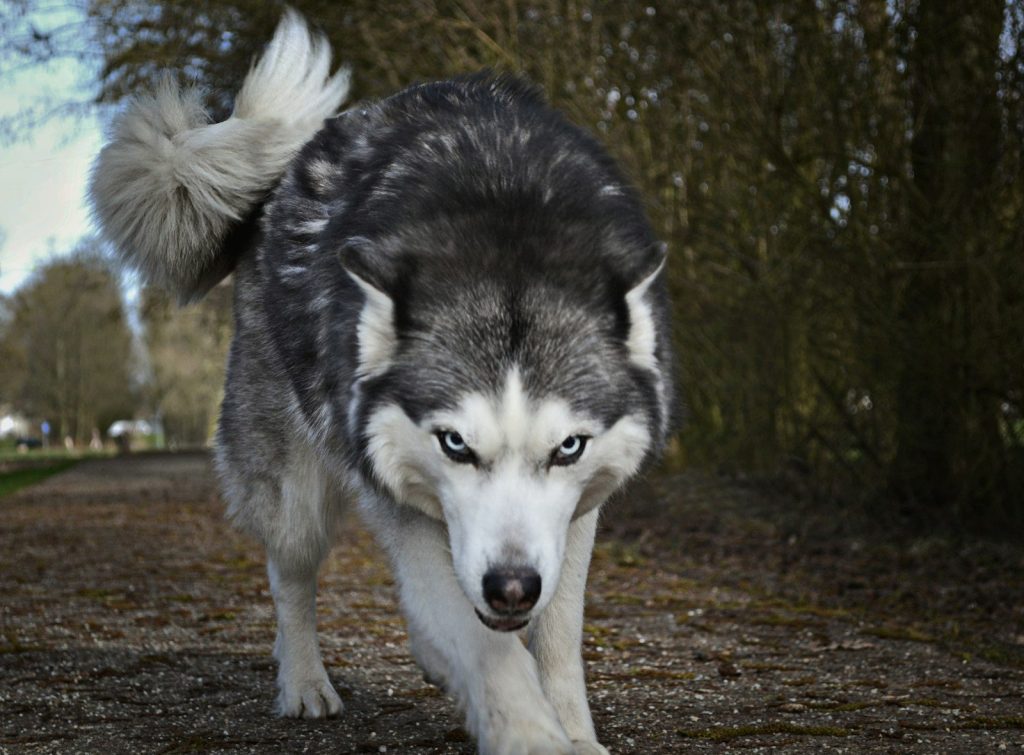
Wolves rely on teamwork and communication to hunt effectively during nighttime hours. Their coordinated pack structure allows them to take down prey much larger than themselves.
They use howling and tracking skills to locate and isolate weak or injured animals. This makes them efficient and strategic hunters in cold and forested regions.
Crocodiles: Silent Ambush Predators in Dark Waters
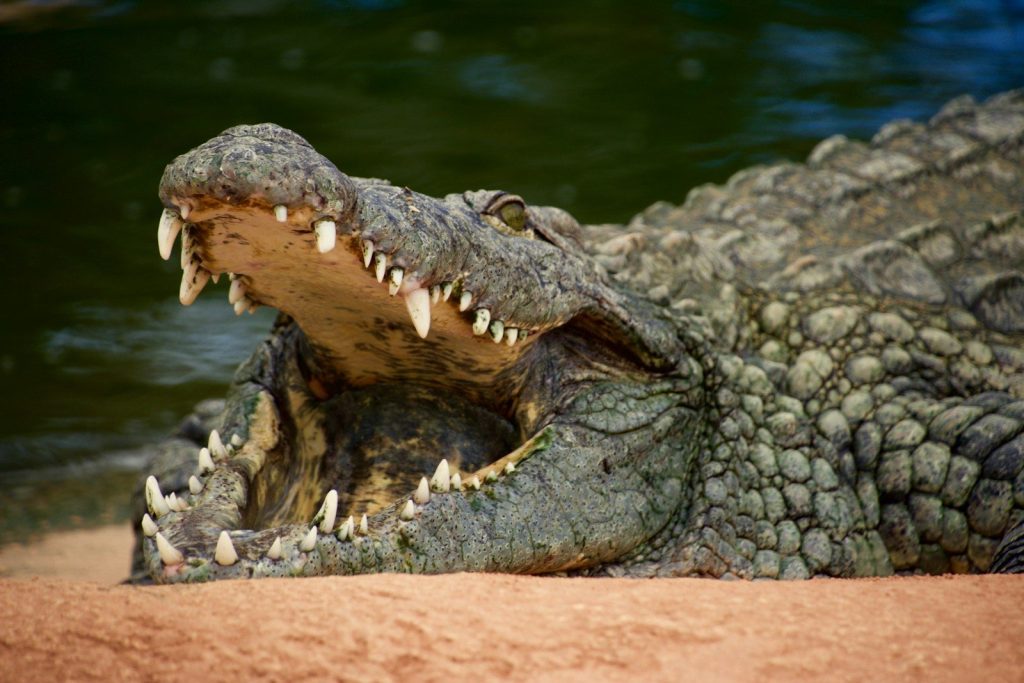
Crocodiles are ambush predators that often hunt at night near riverbanks and wetlands. Their ability to stay motionless for long periods allows them to surprise prey with explosive speed.
Their powerful bite and aquatic stealth make them extremely dangerous in low-light environments. Many animals become vulnerable when they approach water sources after dark.