Extinction is often considered a permanent end, but in rare cases, species believed to have vanished have been rediscovered years or even decades later. These remarkable comebacks offer hope for conservationists and demonstrate how much of the natural world remains unexplored.
Known as “Lazarus species,” these animals reappeared after being declared extinct or feared lost from the wild.
Coelacanth
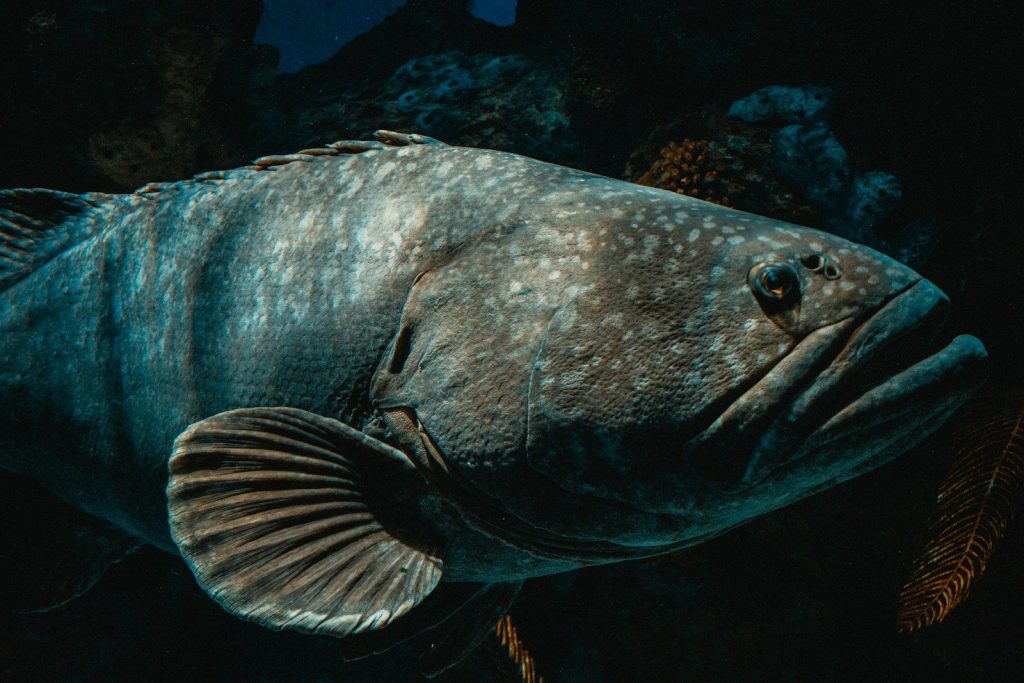
The coelacanth was thought to have disappeared around 66 million years ago alongside the dinosaurs. In 1938, a living specimen was unexpectedly discovered off the coast of South Africa.
Its rediscovery became one of the most famous events in zoological history and transformed our understanding of prehistoric life.
Takahē
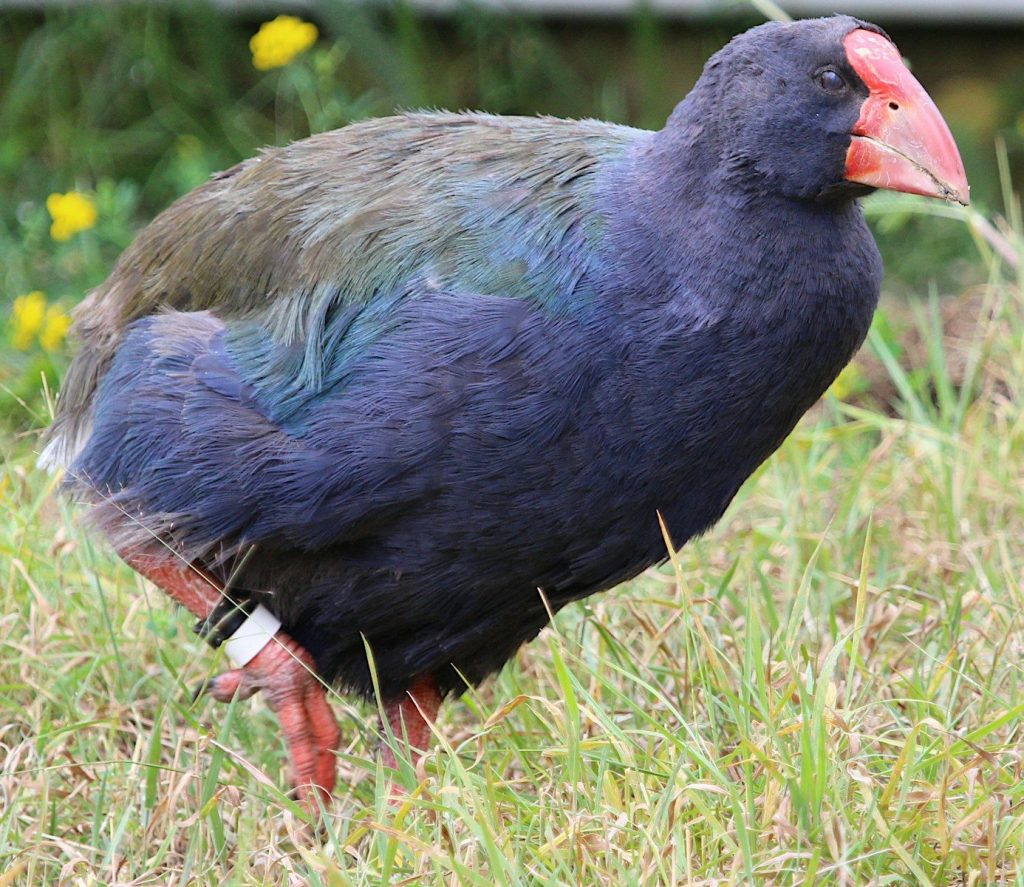
Native to New Zealand, the takahē was believed extinct by the late 19th century. However, a surviving population was found in a remote mountain region in 1948.
Conservation programs have since helped protect and increase its numbers.
Lord Howe Island Stick Insect
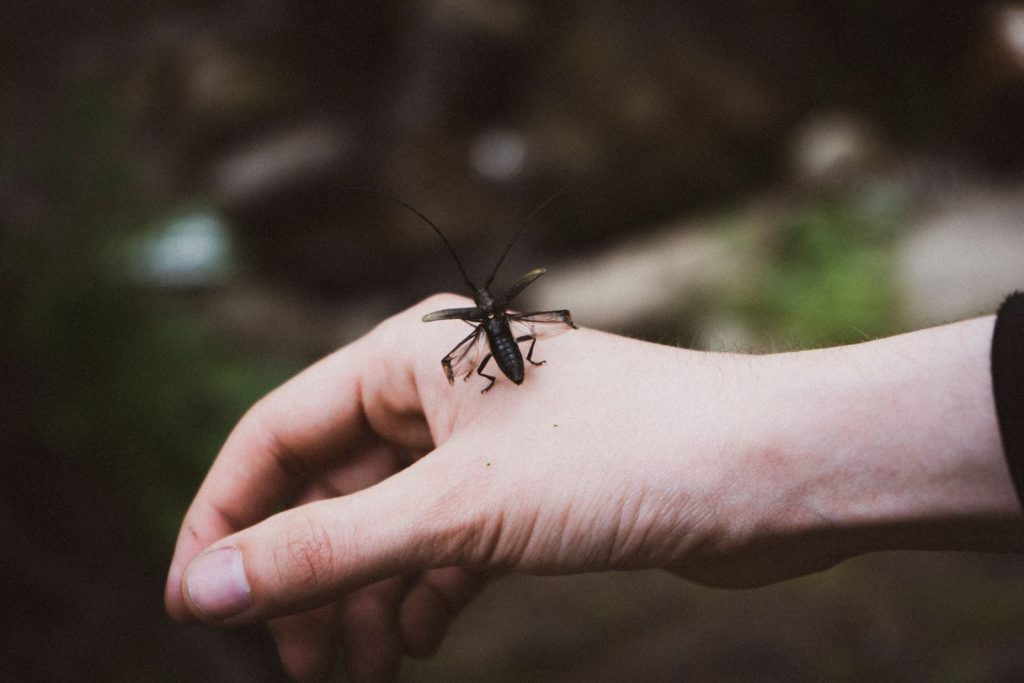
This unusual insect was thought extinct for decades after rats devastated its native island population. Scientists later discovered a small surviving colony on a remote volcanic outcrop.
Its rediscovery sparked intensive breeding efforts to help secure its future.
Laotian Rock Rat
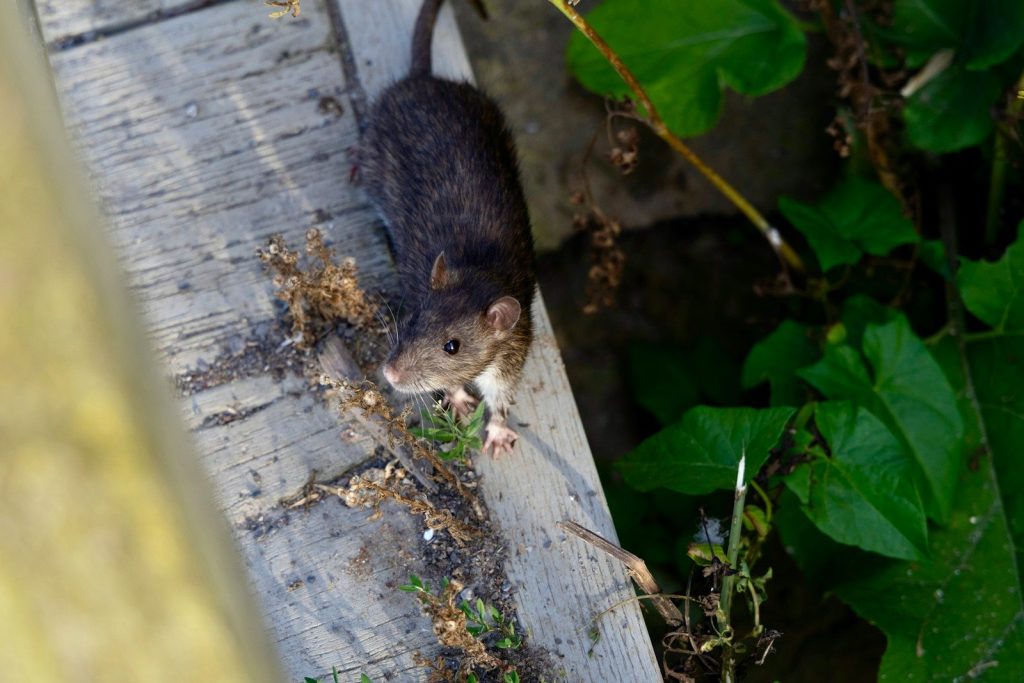
Known only from fossil remains, the Laotian rock rat was initially believed to have been extinct for millions of years. Researchers were surprised when living specimens were identified in Southeast Asia.
The discovery highlighted how little is known about some remote ecosystems.
Bermuda Petrel
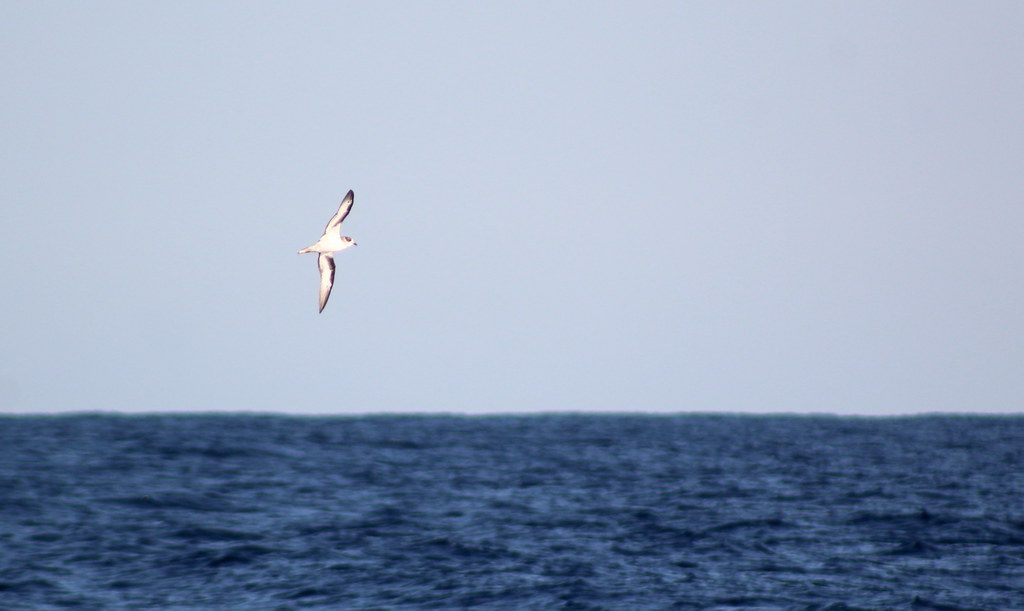
The Bermuda petrel was presumed extinct for more than 300 years. In the 1950s, small nesting populations were discovered on isolated rocky islets.
Today, conservation efforts continue to support the species’ recovery.
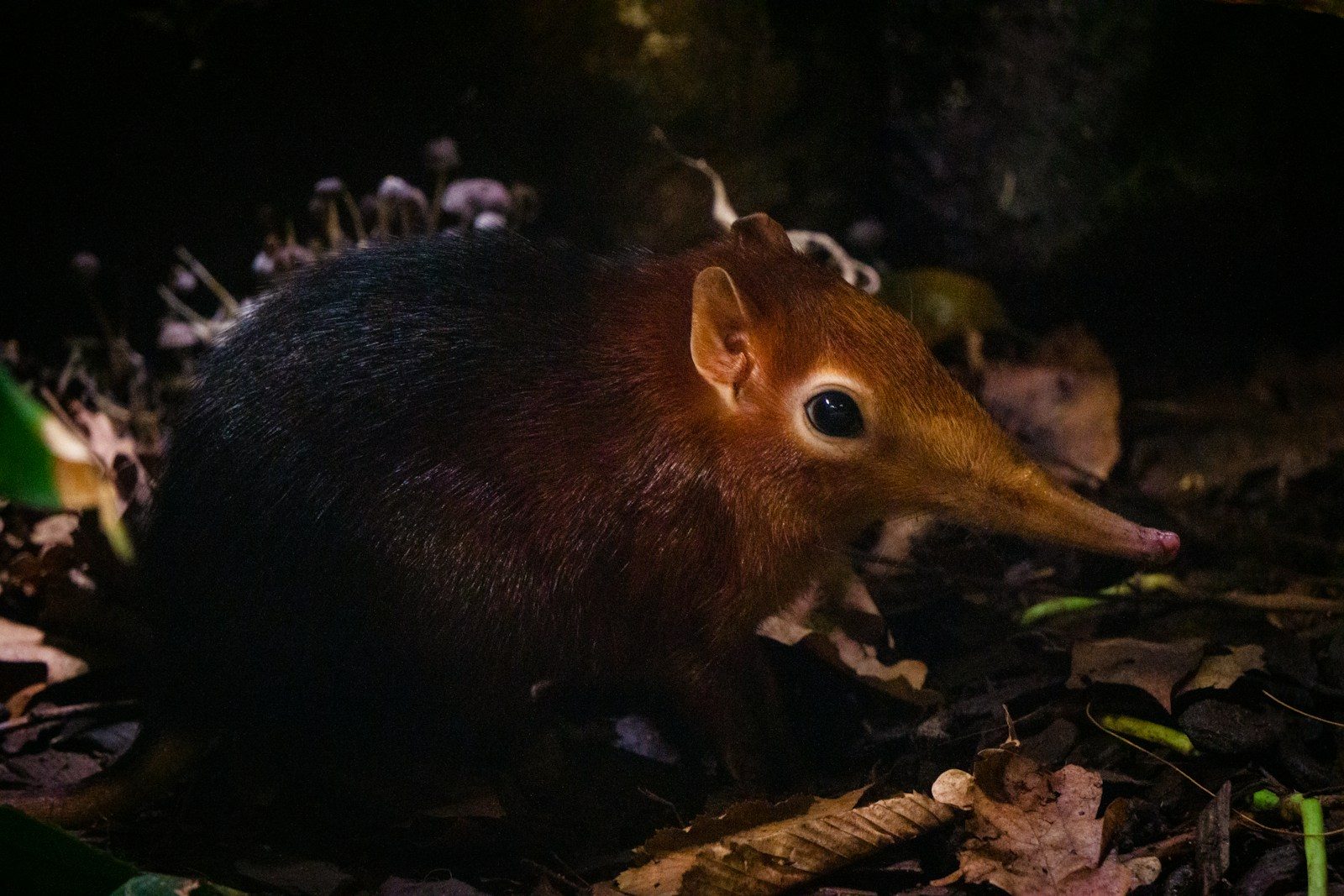
Somali Elephant Shrew
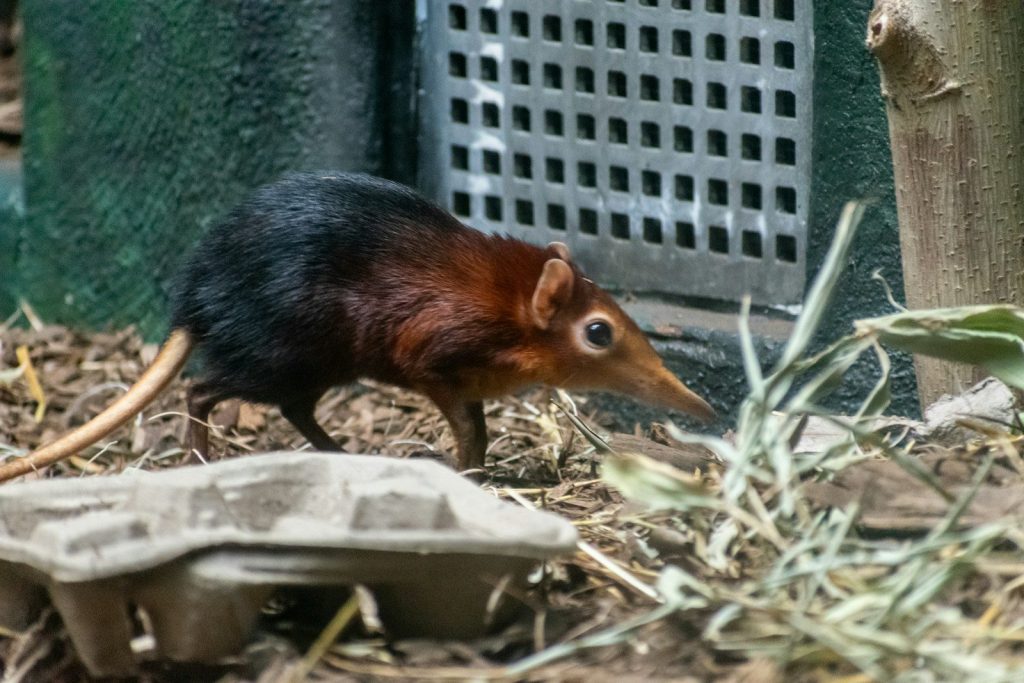
This small mammal disappeared from scientific records for decades and was widely considered lost. Researchers eventually confirmed its continued existence through field surveys in East Africa.
Its rediscovery renewed interest in protecting its habitat.