Dinosaurs disappeared around 66 million years ago, but scientists continue to uncover new information about these fascinating prehistoric creatures. Every year, fossil discoveries and advanced technologies help researchers piece together a clearer picture of how dinosaurs lived, hunted, communicated, and evolved.
Many popular beliefs about dinosaurs have changed over time. From feathered predators to living descendants that still fly above us today, science has revealed that dinosaurs were often far more complex and surprising than we once imagined.
Feathered Dinosaurs: Not All Dinosaurs Were Scaly
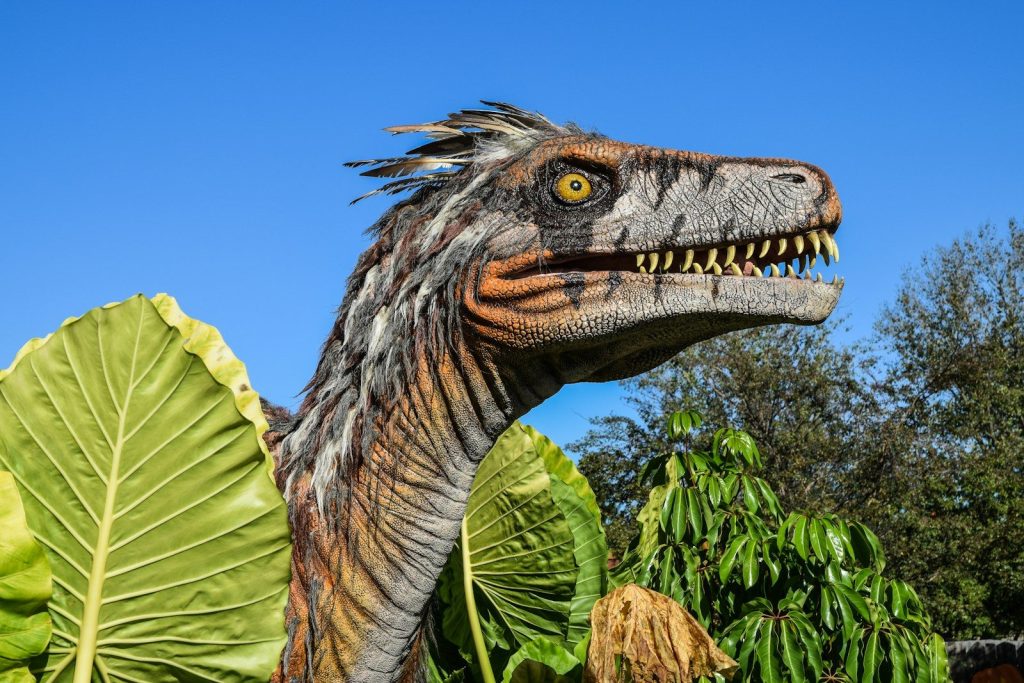
For many years, dinosaurs were portrayed as giant reptiles covered entirely in scales. However, fossil evidence has shown that numerous species possessed feathers.
Scientists believe feathers first evolved for insulation or display before later being adapted for flight. This discovery has transformed our understanding of dinosaur appearance and behavior.
Birds: The Last Living Dinosaurs
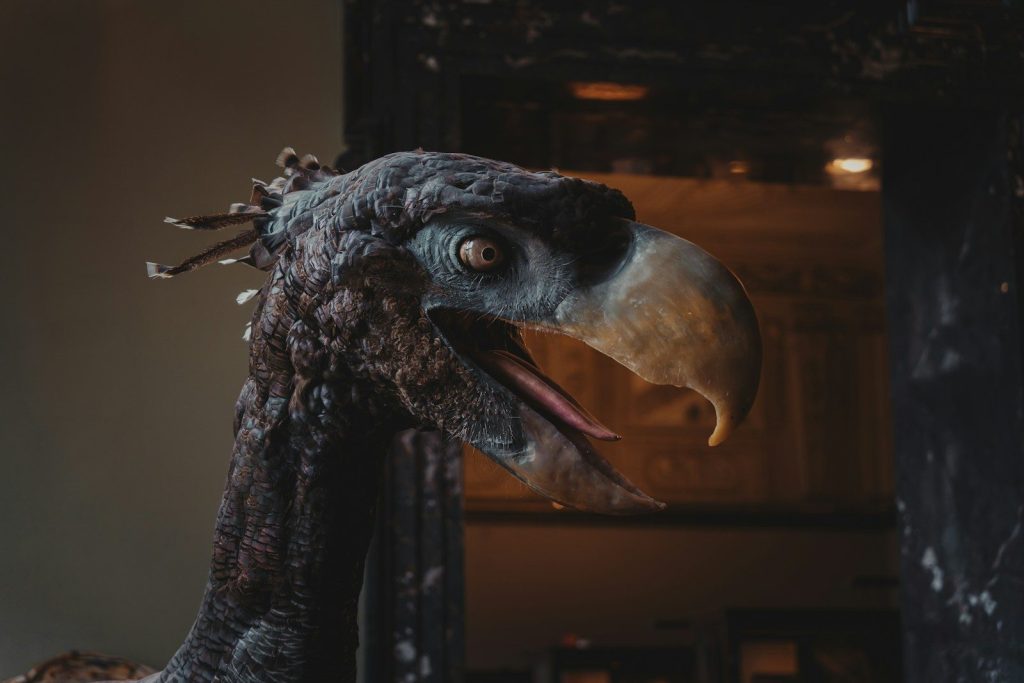
One of the most important discoveries in paleontology is that birds are direct descendants of certain dinosaur groups. Modern birds share many skeletal features with their ancient relatives.
Characteristics such as hollow bones, wishbones, and feathers provide strong evidence of this connection. In many ways, dinosaurs never truly disappeared.
Tyrannosaurus Rex: More Than a Fearsome Predator
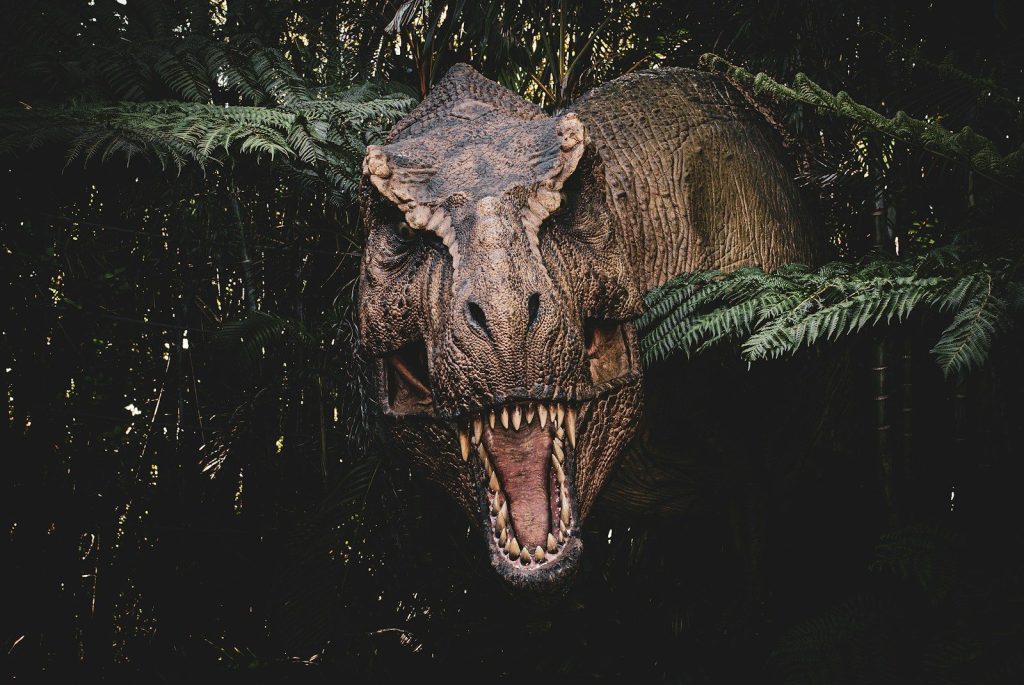
Tyrannosaurus rex is often depicted as a relentless hunter, but scientists continue to debate aspects of its lifestyle. Some evidence suggests it may have scavenged as well as hunted.
Researchers have also discovered that T. rex had excellent eyesight, a powerful sense of smell, and one of the strongest bite forces ever recorded in a land animal.
Dinosaur Parents: Caring for Their Young
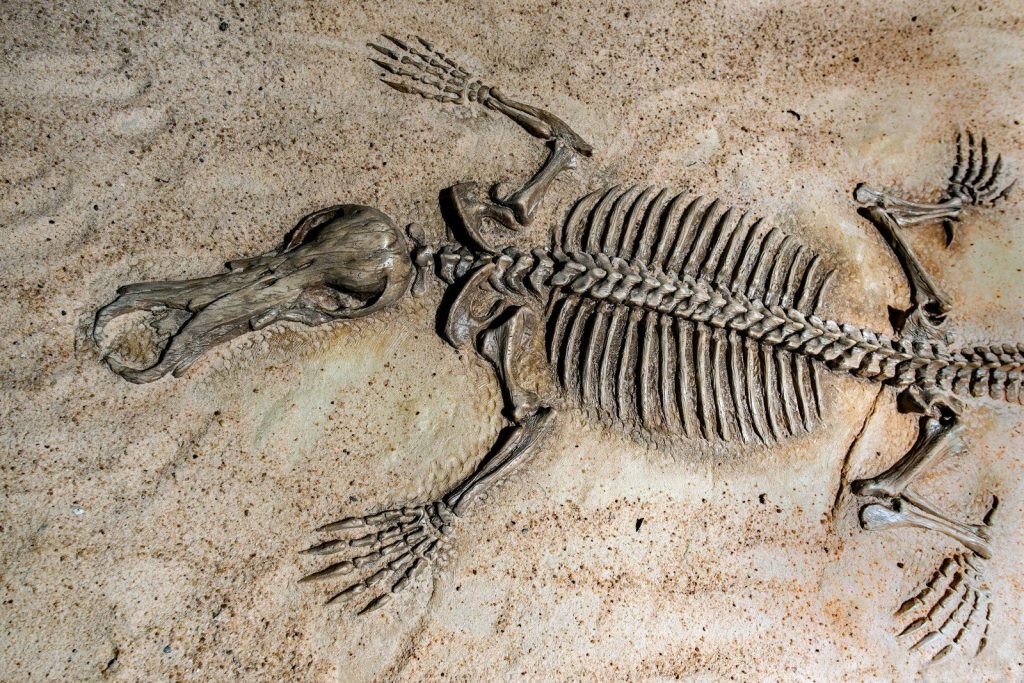
Fossil discoveries have revealed that some dinosaurs were attentive parents. Nesting sites containing eggs and young dinosaurs suggest family groups existed.
Certain species likely protected nests and cared for hatchlings until they were old enough to survive on their own. This behavior resembles that of many modern birds.
Dinosaur Colors: More Vibrant Than Expected
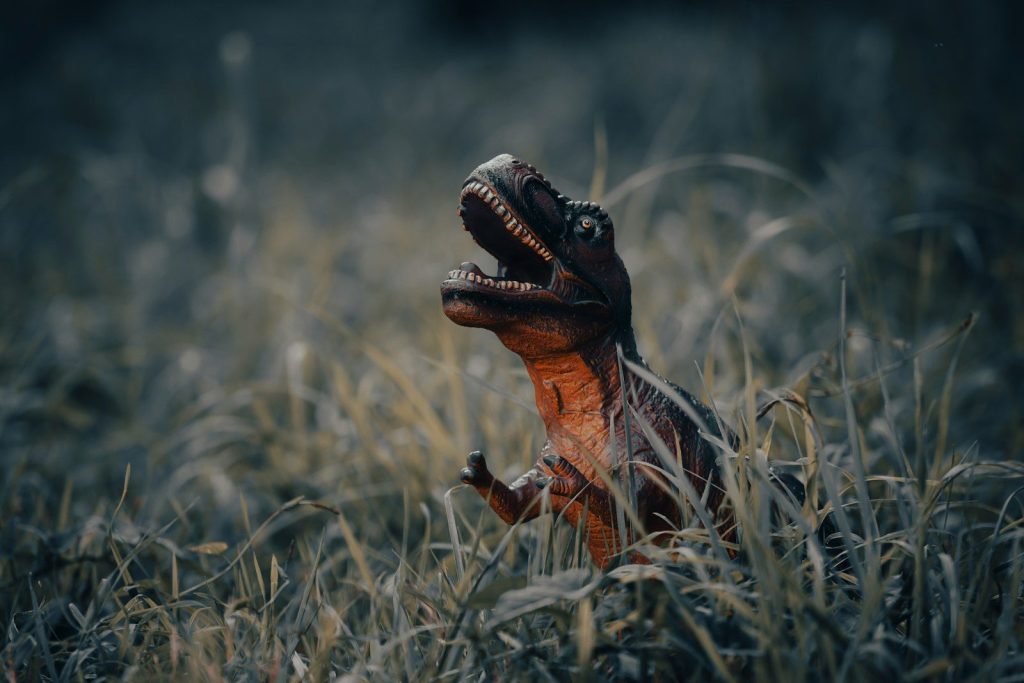
For a long time, scientists could only guess what colors dinosaurs might have been. Recent studies of fossilized feather structures have provided important clues.
Evidence suggests that some dinosaurs displayed patterns of black, brown, reddish, and even iridescent colors. These shades may have been used for camouflage or attracting mates.
The Mystery of Dinosaur Extinction
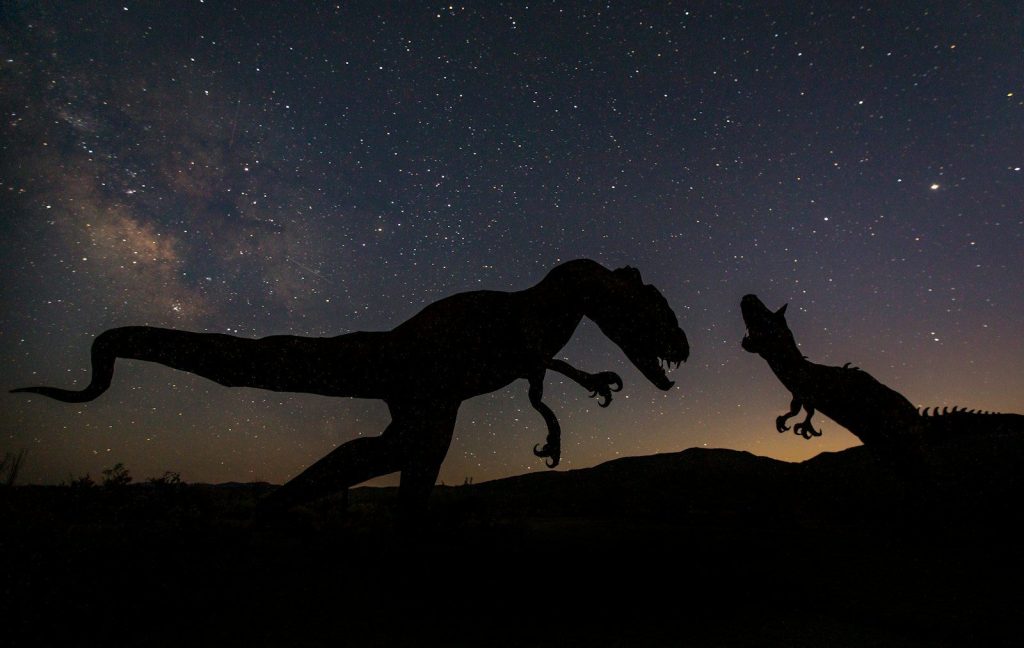
Scientists widely agree that a massive asteroid impact played a major role in the extinction of non-avian dinosaurs. The collision caused dramatic environmental changes across the planet.
Dust and debris blocked sunlight, disrupting food chains and ecosystems. While many species vanished, some dinosaur descendants survived and eventually evolved into modern birds.