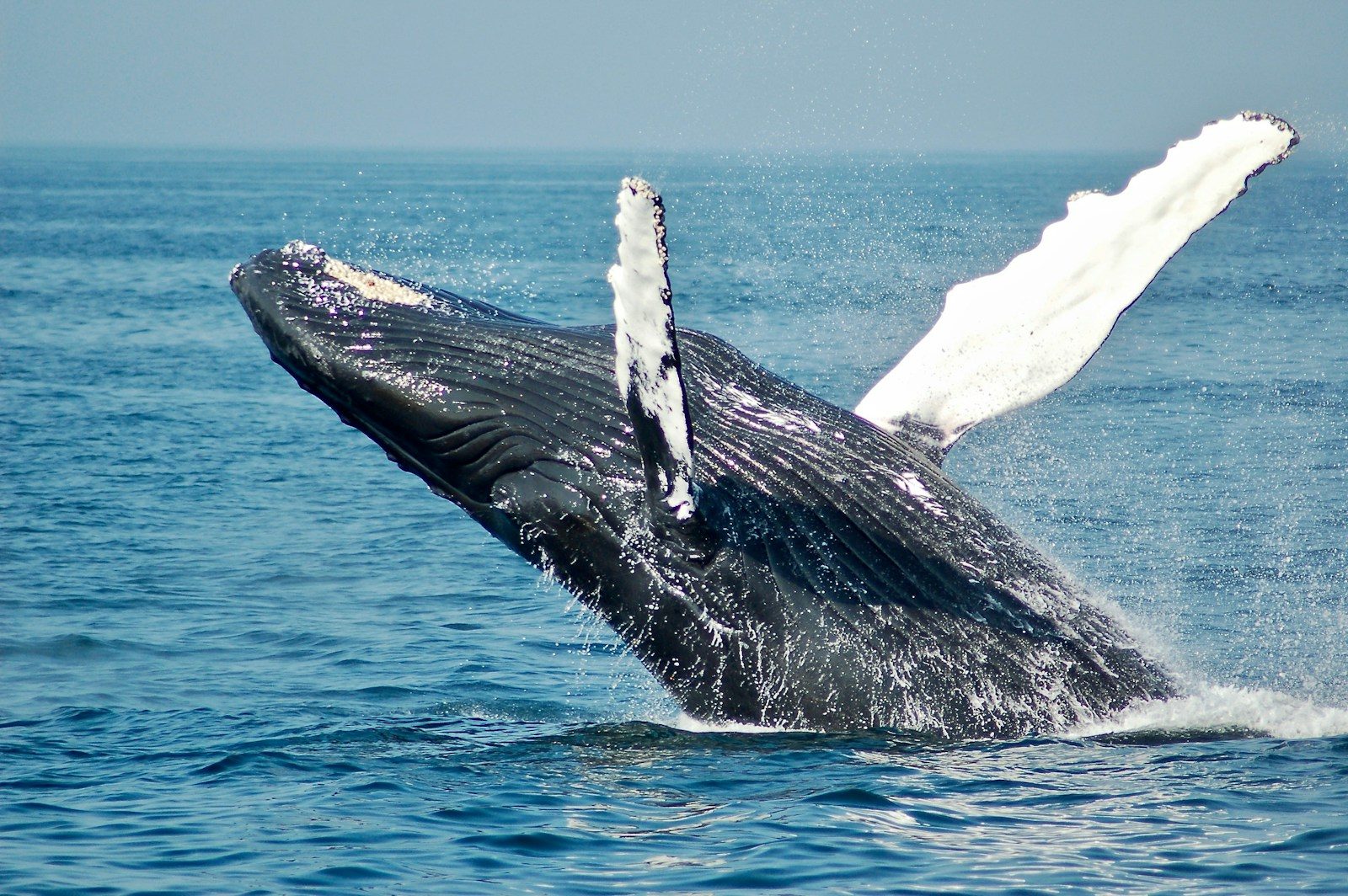
California may be famous for whale watching, but it’s far from the only place in the United States where you can witness these ocean giants in action. From icy Alaskan fjords to tropical Hawaiian waters, several incredible destinations offer unforgettable whale encounters throughout the year. Whether you dream of spotting humpbacks breaching offshore or hearing the blow of an orca nearby, these locations deliver experiences that feel straight out of a wildlife documentary.
Maui, Hawaii
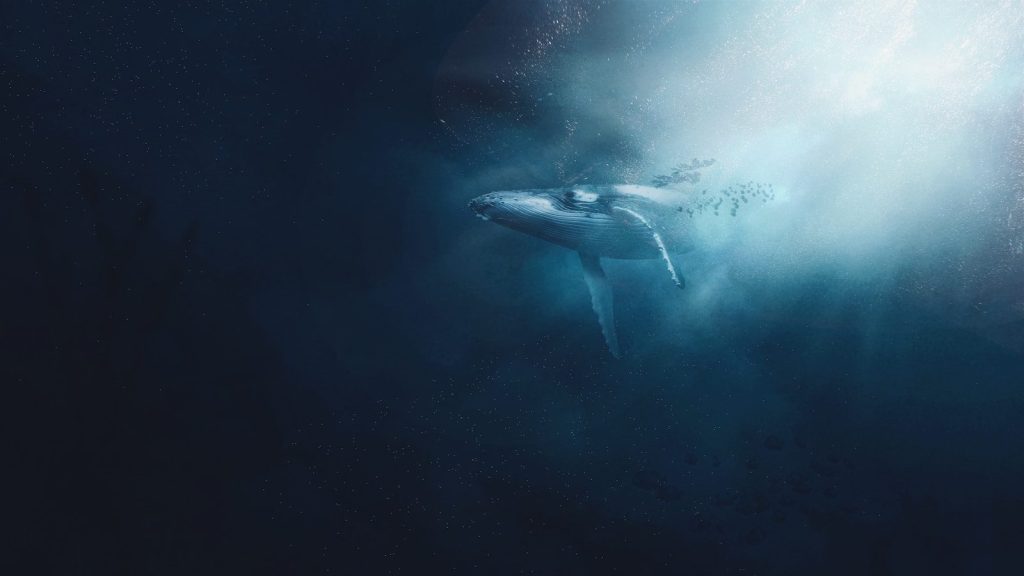
Few places rival the magic of Maui during whale season. Every winter, thousands of humpback whales migrate to Hawaii’s warm waters to breed and raise calves. Visitors can often spot whales directly from the shoreline, especially around Kāʻanapali, Wailea, and Māʻalaea Harbor. Peak viewing season runs from December through April, with January and February offering the best chances to see dramatic breaches and tail slaps.
San Juan Islands, Washington
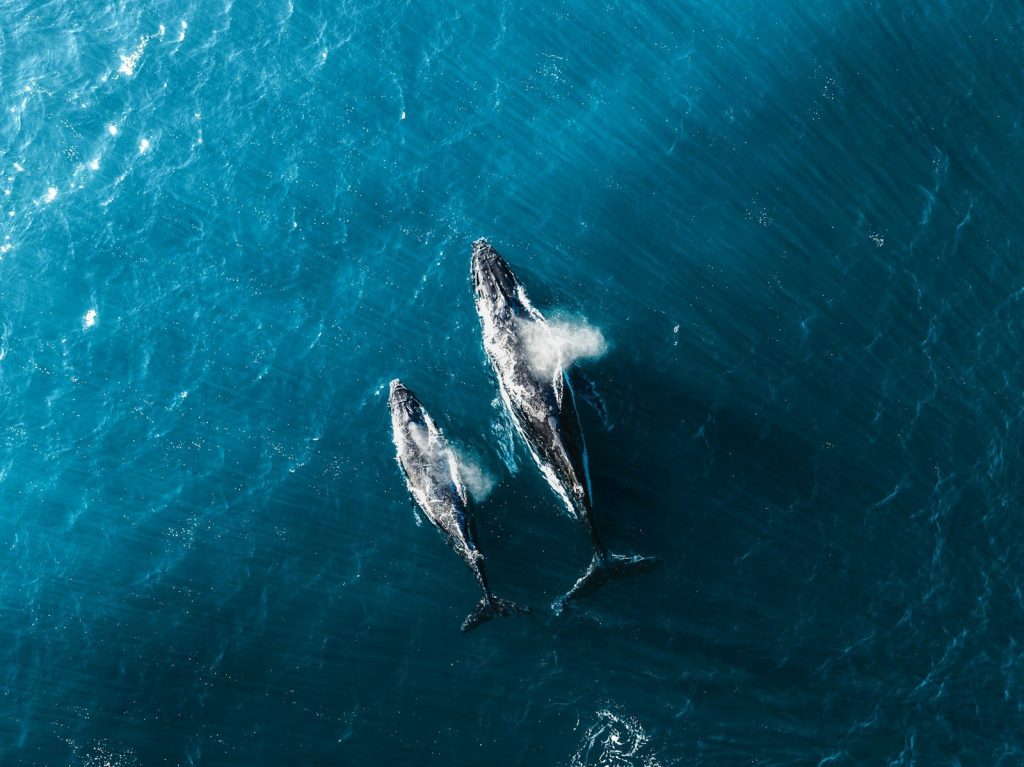
The San Juan Islands are one of the top destinations in North America for spotting orcas in the wild. These waters are home to Bigg’s orcas, along with humpback and minke whales during migration seasons. Whale sightings are common from late spring through early fall, and many visitors even spot orcas from ferries or coastal viewpoints without boarding a tour boat. The combination of forested islands, calm waters, and marine wildlife makes this region unforgettable.
Cape Cod, Massachusetts
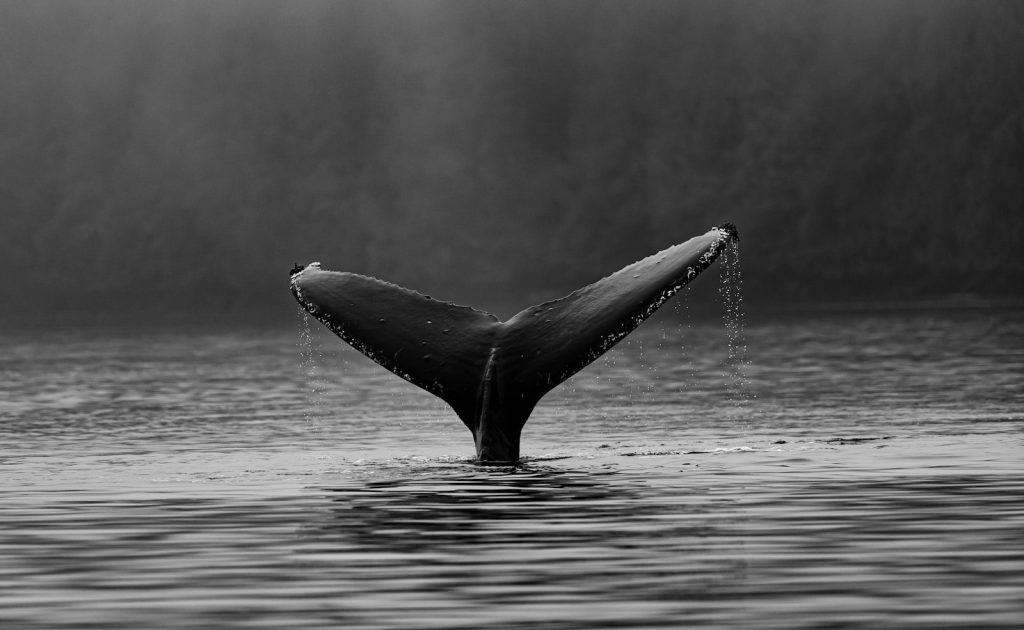
Cape Cod has earned a global reputation for whale watching thanks to the rich feeding grounds of Stellwagen Bank National Marine Sanctuary. Humpback whales are the stars here, though fin whales and minke whales also frequent the area during summer and early fall. Provincetown is especially popular for whale tours, many of which report extremely high sighting success rates during peak months.
Seward and Kenai Fjords, Alaska
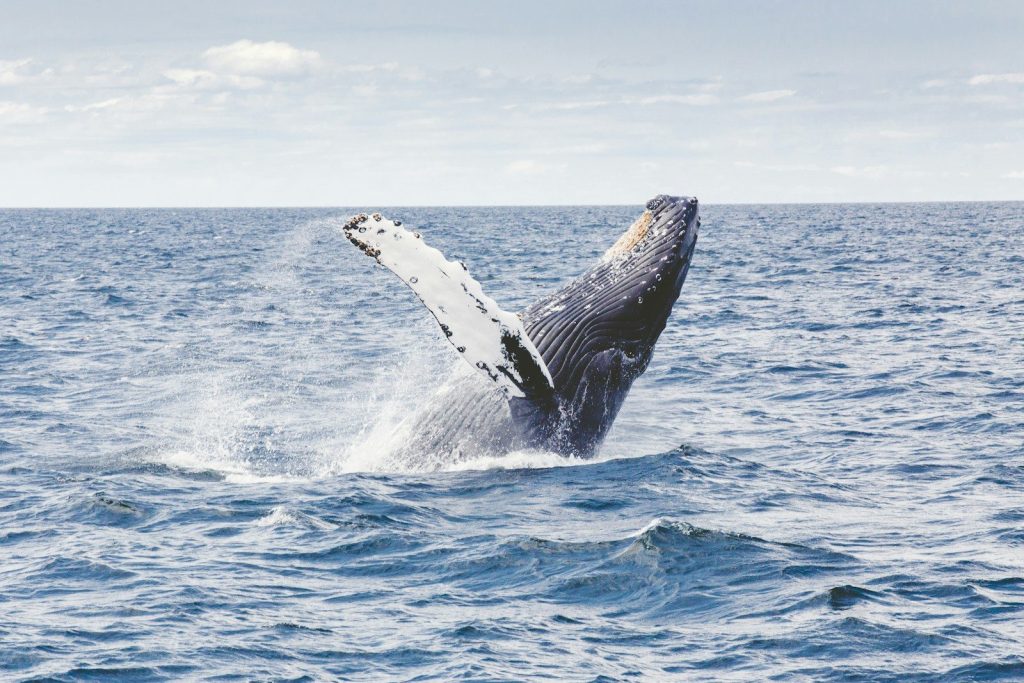
Alaska offers one of the most dramatic whale watching experiences anywhere in the world. Around Seward and Kenai Fjords National Park, humpbacks and orcas cruise through icy waters surrounded by glaciers and towering mountains. Summer is the prime season, especially June and July, when marine life activity explodes across the region. Whale watching here feels raw, wild, and untouched by crowds.
Depoe Bay, Oregon
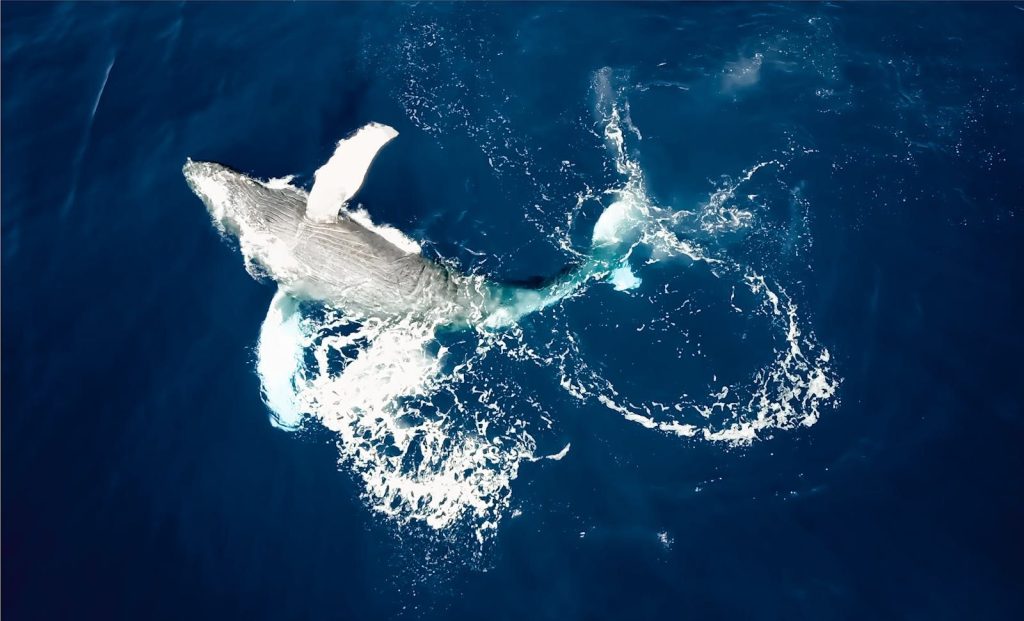
Known as the “Whale Watching Capital of the Oregon Coast,” Depoe Bay is famous for its gray whale migrations. Thousands of gray whales pass by during their journeys north and south each year, while some remain offshore throughout the summer months. One reason this spot is so special is how close whales often come to land, allowing visitors to enjoy sightings from cliffs, viewpoints, and even roadside stops.
Bar Harbor, Maine
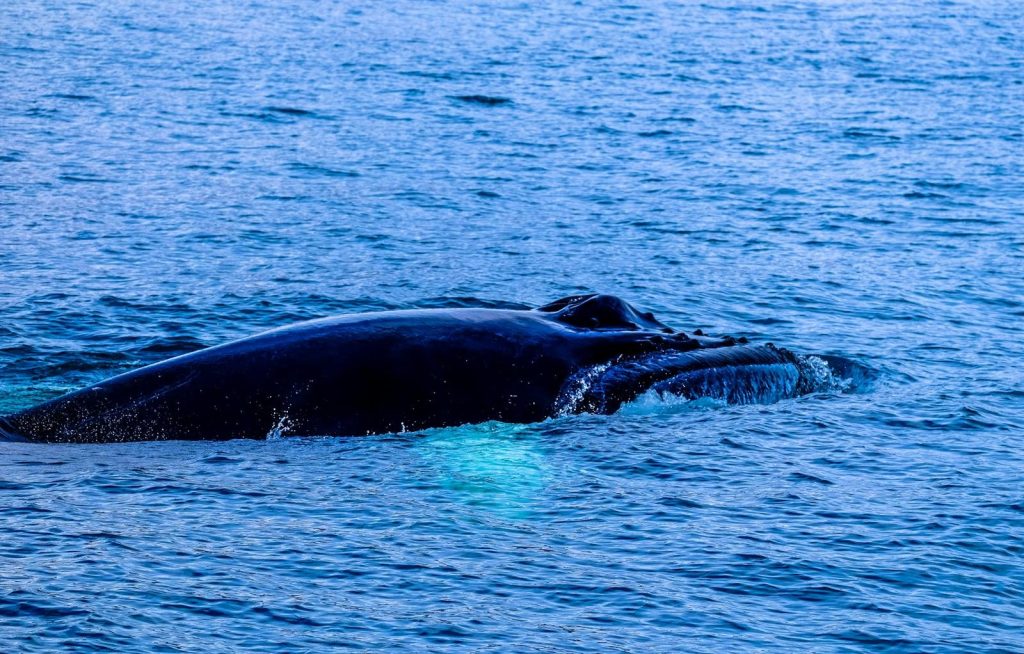
The cold Atlantic waters near Bar Harbor attract humpbacks, fin whales, and minke whales from late spring into early fall. Located near Acadia National Park, this area combines rugged coastal scenery with exceptional marine wildlife encounters. Calm ocean conditions and nutrient-rich feeding grounds make Maine one of the East Coast’s hidden whale watching gems.
Why Whale Watching Matters
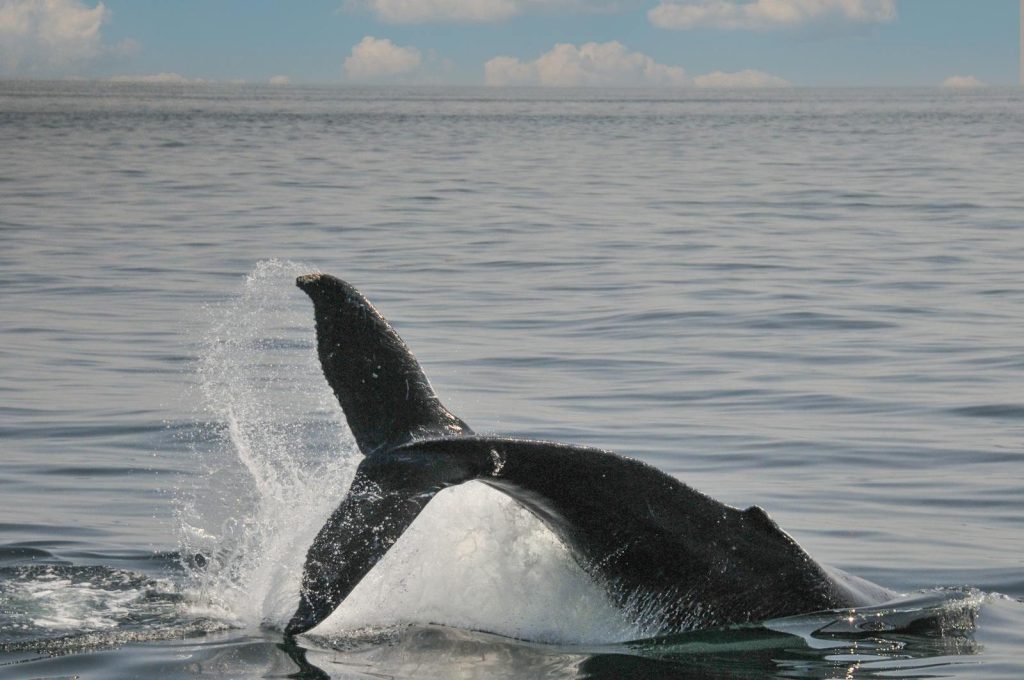
Whale watching is more than just tourism. It helps support marine conservation efforts and gives people a deeper appreciation for ocean ecosystems. Responsible tours also educate visitors about migration patterns, endangered species, and the importance of protecting marine habitats. Experts encourage travelers to choose ethical operators that respect wildlife distances and avoid disturbing the animals.