Some animals may appear small and harmless, yet their bites or stings can cause severe allergic reactions in certain people. In extreme cases, a single encounter can trigger anaphylactic shock, a life-threatening condition that requires immediate medical attention.
Anaphylaxis occurs when the immune system overreacts to a substance it mistakenly sees as dangerous. While many bites cause only minor discomfort, others can lead to swelling, breathing difficulties, and a rapid drop in blood pressure.
Fire Ants
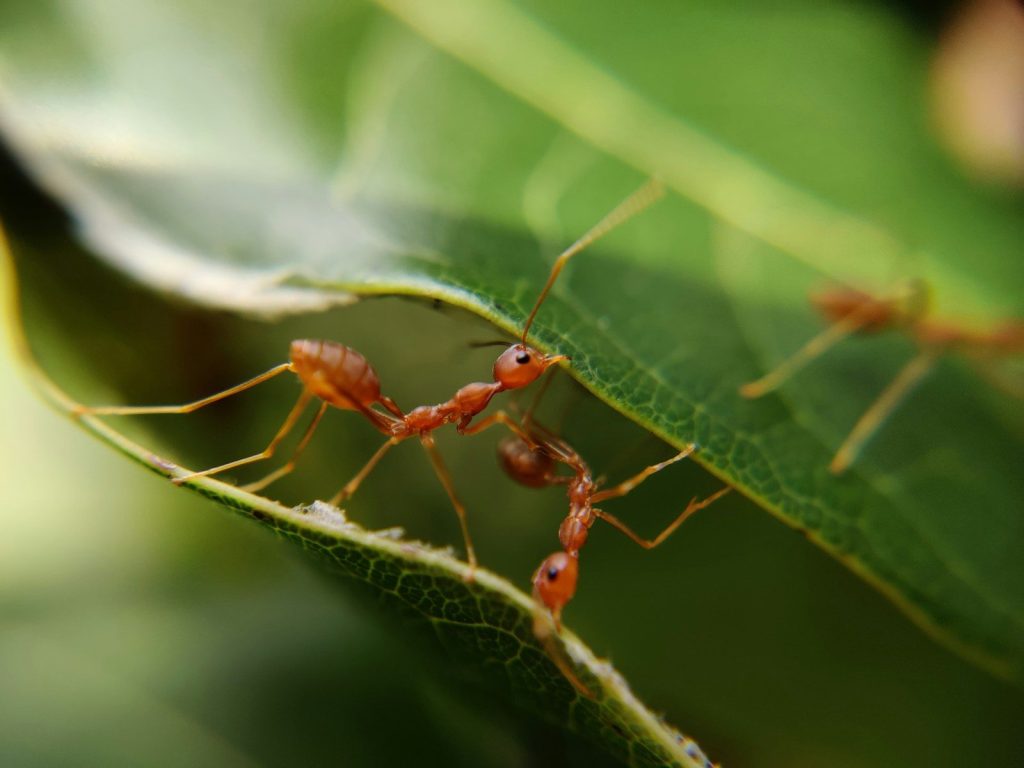
Fire ants are small but notorious for their painful stings. They inject venom that can cause burning sensations, itching, and swelling.
For people with severe allergies, multiple stings or sometimes even a single sting can trigger anaphylaxis. Immediate medical treatment may be necessary in serious cases.
Honeybees
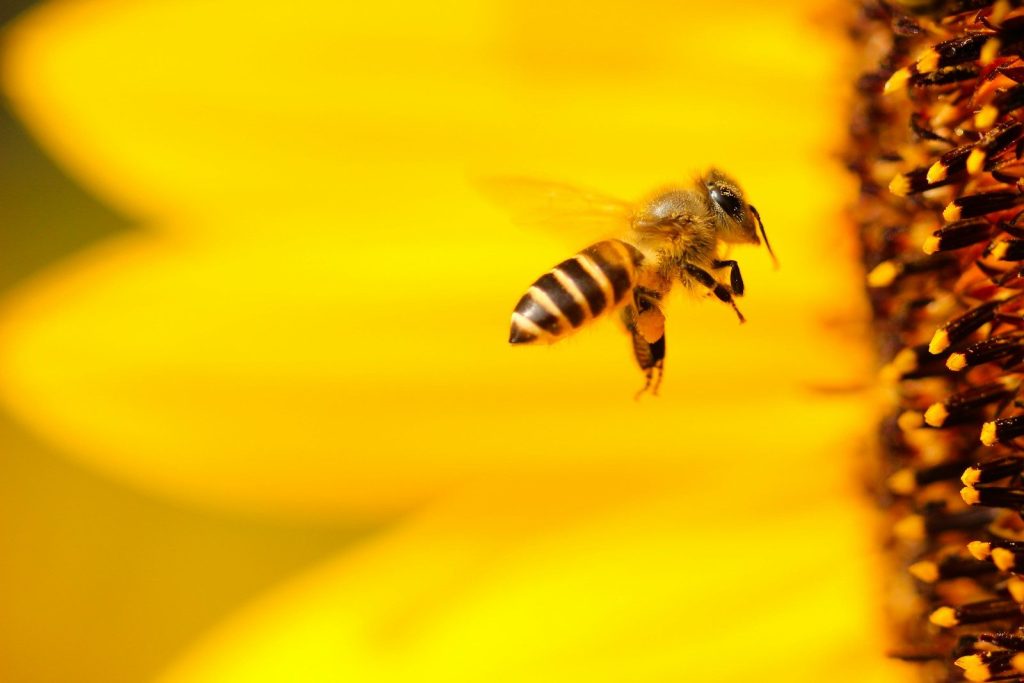
Honeybees play a vital role in pollination, but their stings can be dangerous for allergic individuals. Most people experience temporary pain and swelling after being stung.
However, those with venom allergies may suffer severe reactions, including breathing difficulties and loss of consciousness. This makes bee stings one of the most common causes of insect-related anaphylaxis.
Wasps
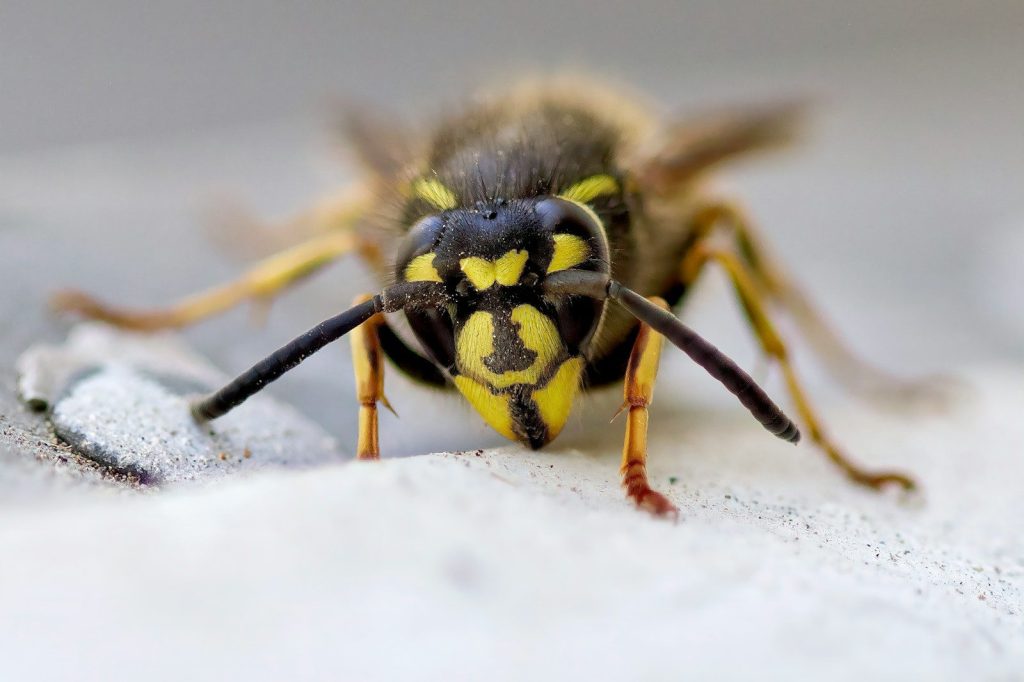
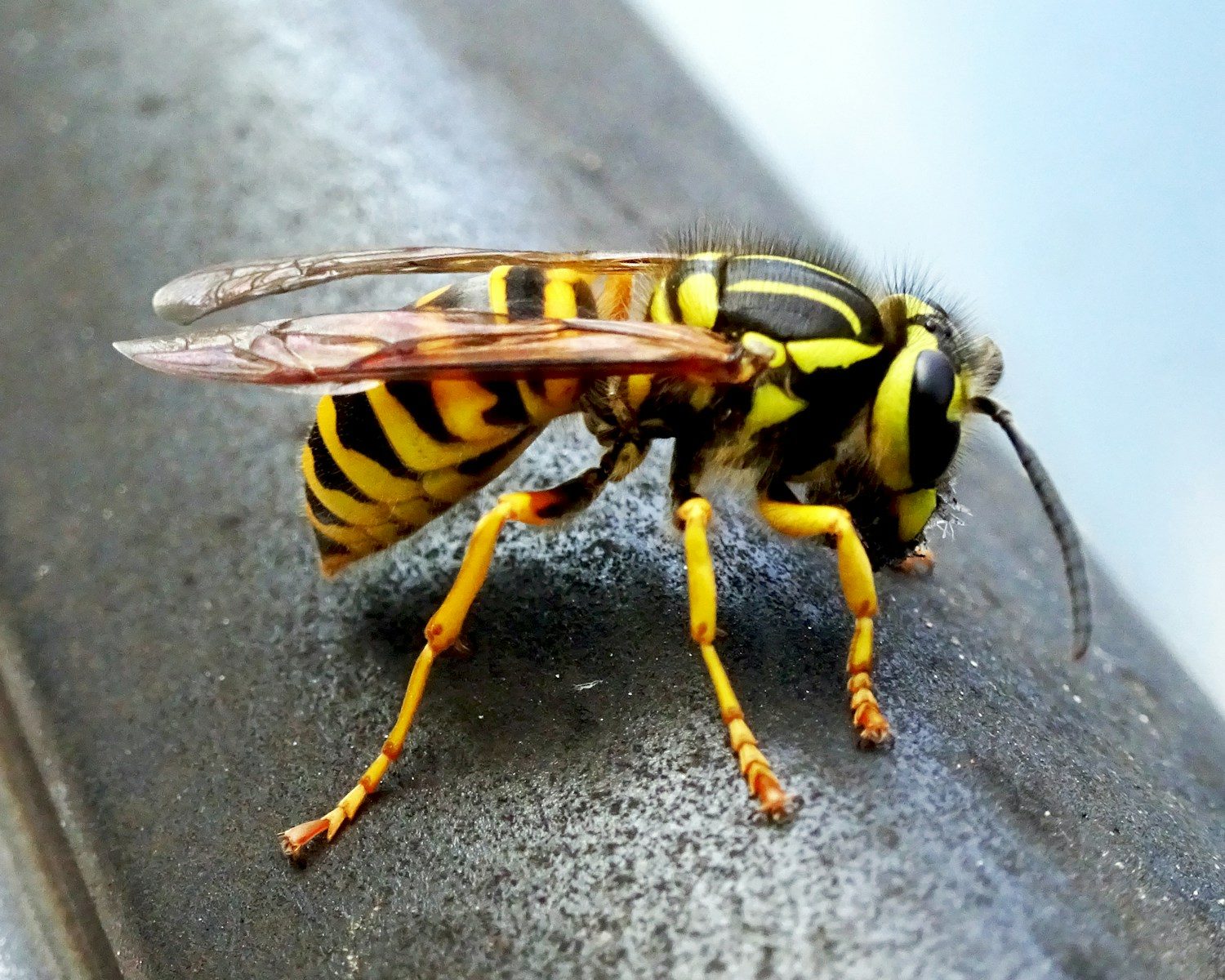
Wasps are known for their aggressive defense behavior and ability to sting multiple times. Their venom can provoke strong immune responses in sensitive individuals.
An allergic reaction may escalate quickly, making emergency treatment essential. Unlike bees, wasps do not lose their stinger after attacking.
Hornets
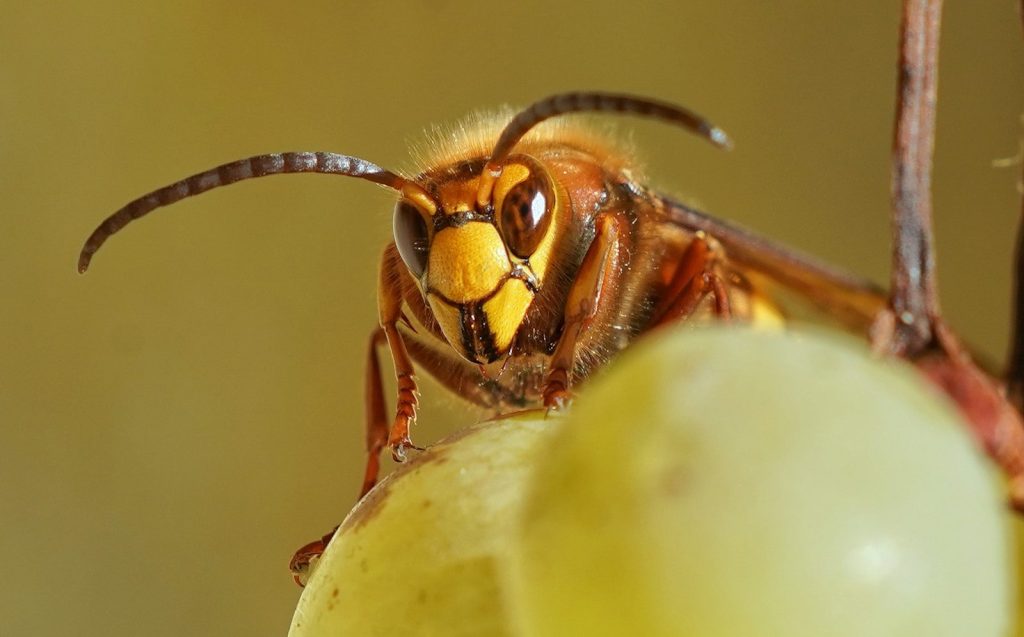
Hornets are large relatives of wasps with powerful stings. Their venom can cause significant pain and inflammation even in people without allergies.
For those who are allergic, a sting can trigger a potentially life-threatening reaction. Large hornet species are particularly feared because of their painful venom.
Deer Ticks
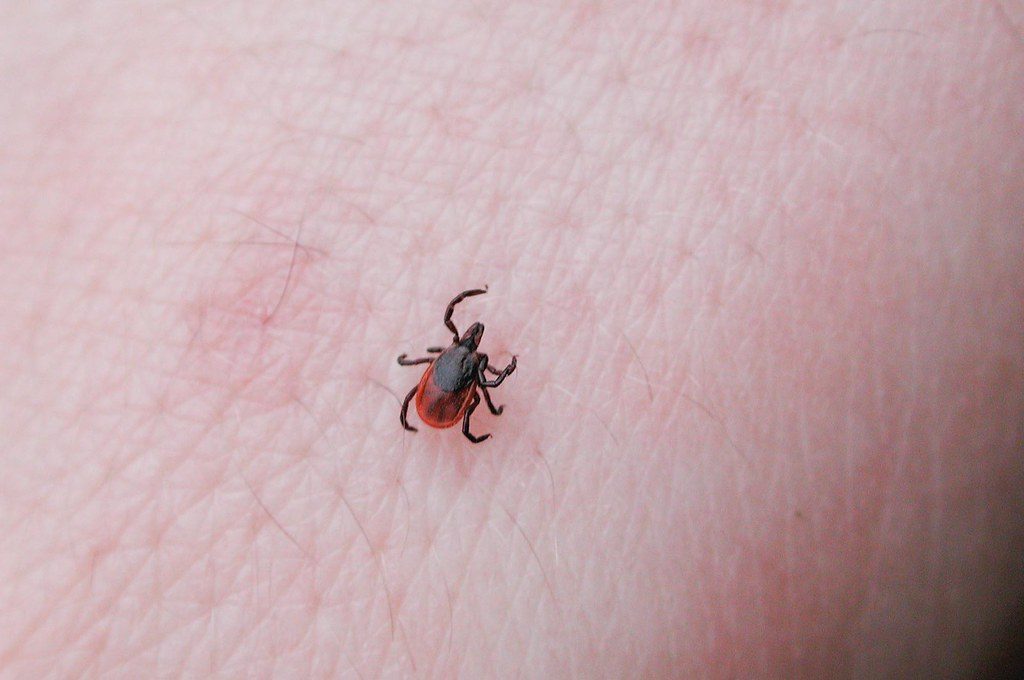
Although ticks are best known for transmitting diseases, some bites can trigger unusual immune responses Deer Tick. In certain cases, tick bites have been linked to the development of meat allergies.
This condition can cause severe allergic reactions after eating red meat. The connection highlights how a tiny bite can have long-term effects on human health.
Kissing Bugs
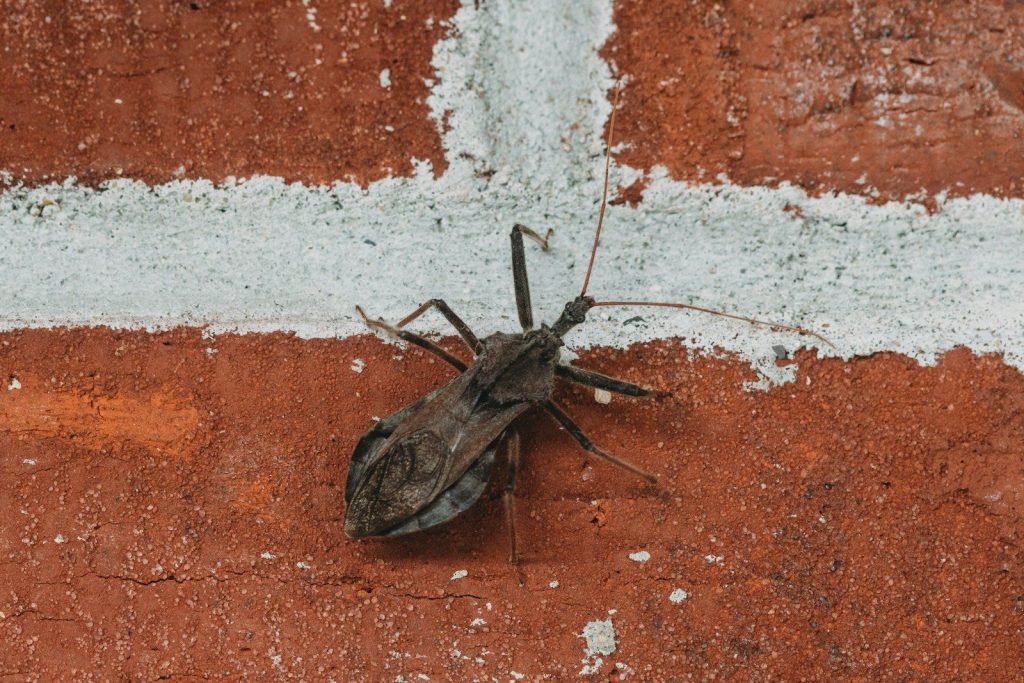
Kissing bugs feed on blood and are often active at night. Their bites are usually painless, but some people develop allergic reactions to their saliva.
In rare situations, these reactions can become severe enough to require medical attention. They are also known for transmitting certain diseases in parts of the Americas.