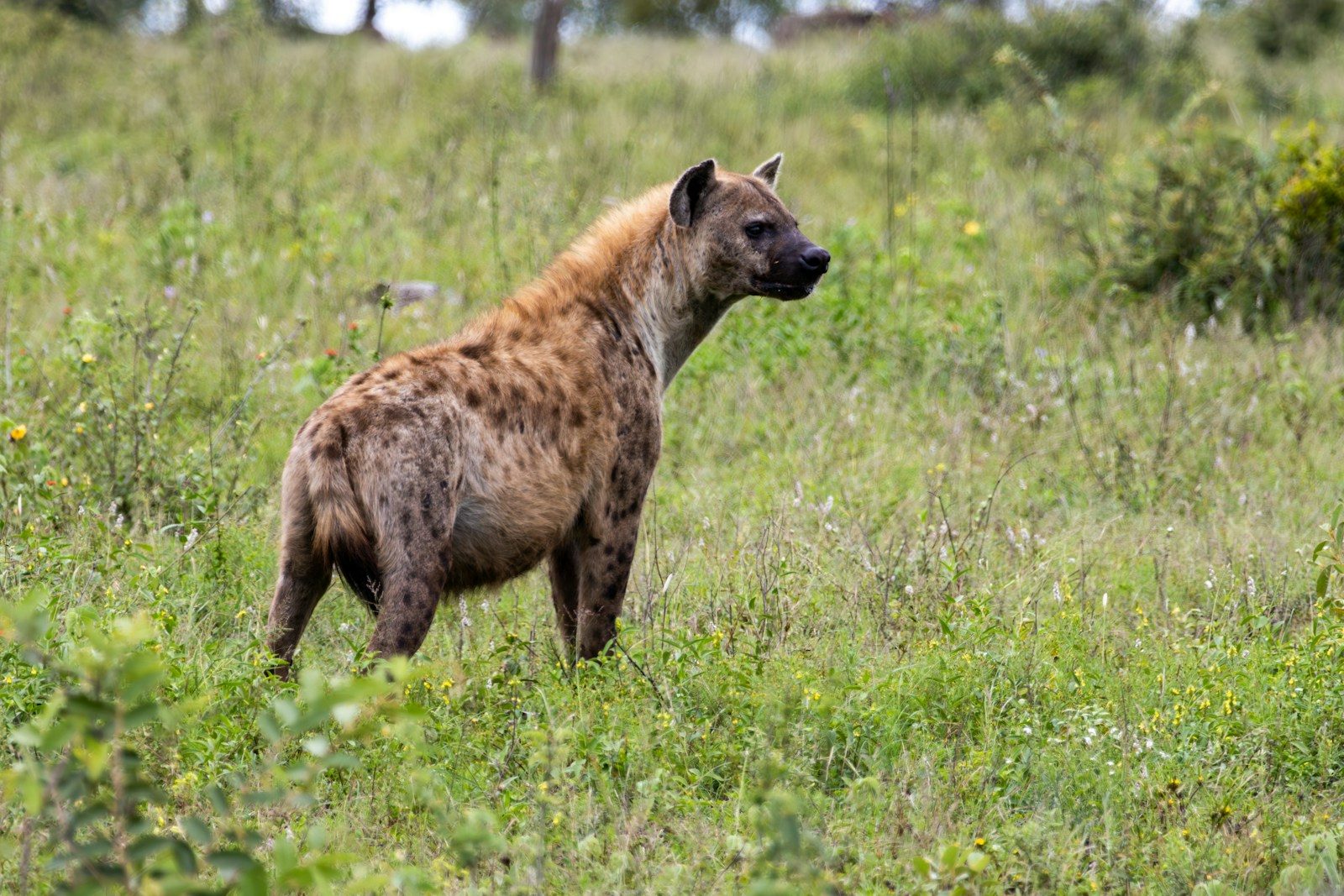
Hyenas are often misunderstood animals, mostly known for their eerie “laughing” sounds that echo through the night. But this so-called laughter is not actually a sign of humor, it is a complex form of communication used in their social world.
Far from being simple scavengers or comic villains, hyenas are highly intelligent, social predators with structured clans and surprisingly sophisticated behavior. Their vocalizations, including giggles and whoops, play a key role in survival and group coordination.
Why Hyenas “Laugh”
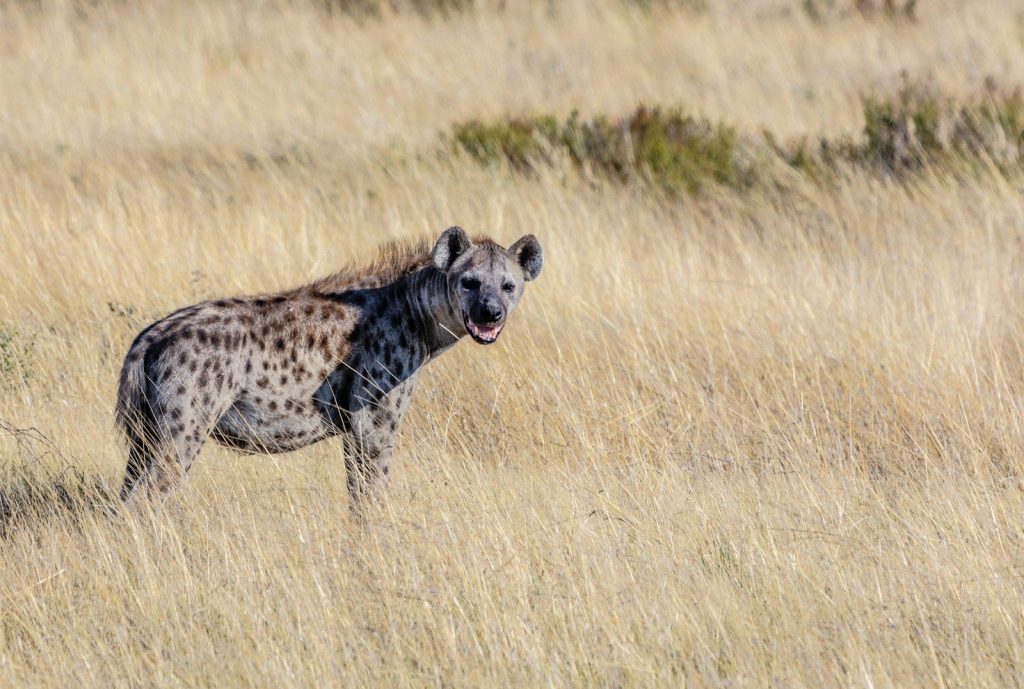
The famous hyena “laugh” is not laughter in the human sense. Instead, it is a vocal signal that can express excitement, stress, frustration, or submission depending on the situation.
Researchers have found that different pitch levels and patterns can even reveal social rank and age within a clan. It is essentially a communication tool used during feeding disputes or social interactions.
Clan Communication and Social Life
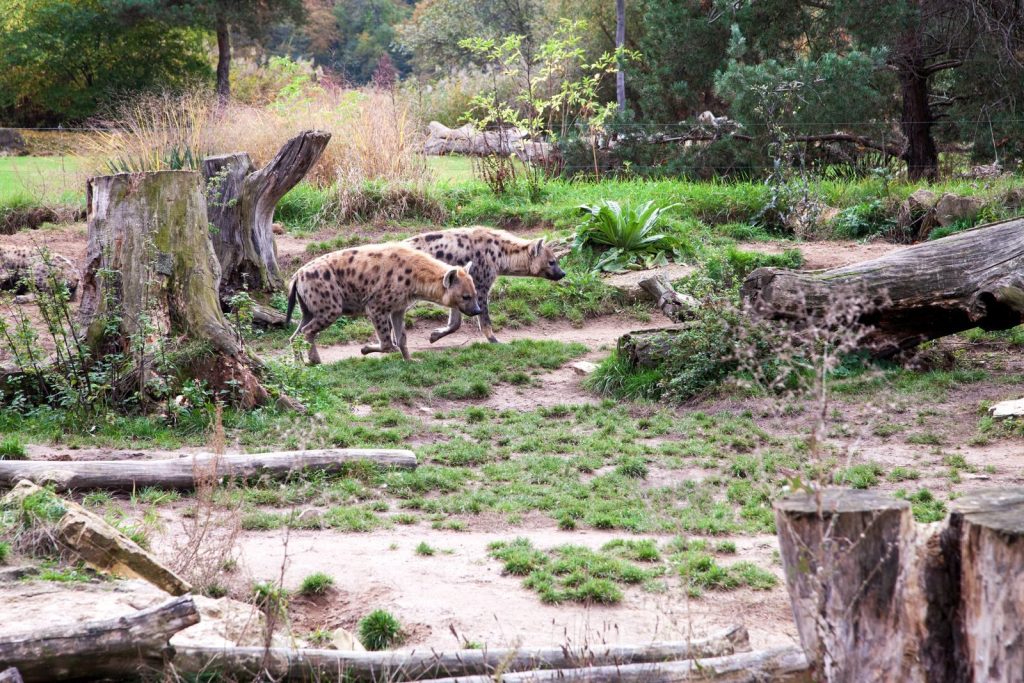
Hyenas live in complex social groups called clans. These clans are often led by dominant females, creating a matriarchal society.
Within these groups, vocal signals help maintain order, especially when food is scarce or competition is high. The “laugh” can signal nervousness or excitement when interacting with other members.
Hunting Skills vs. Scavenger Myth
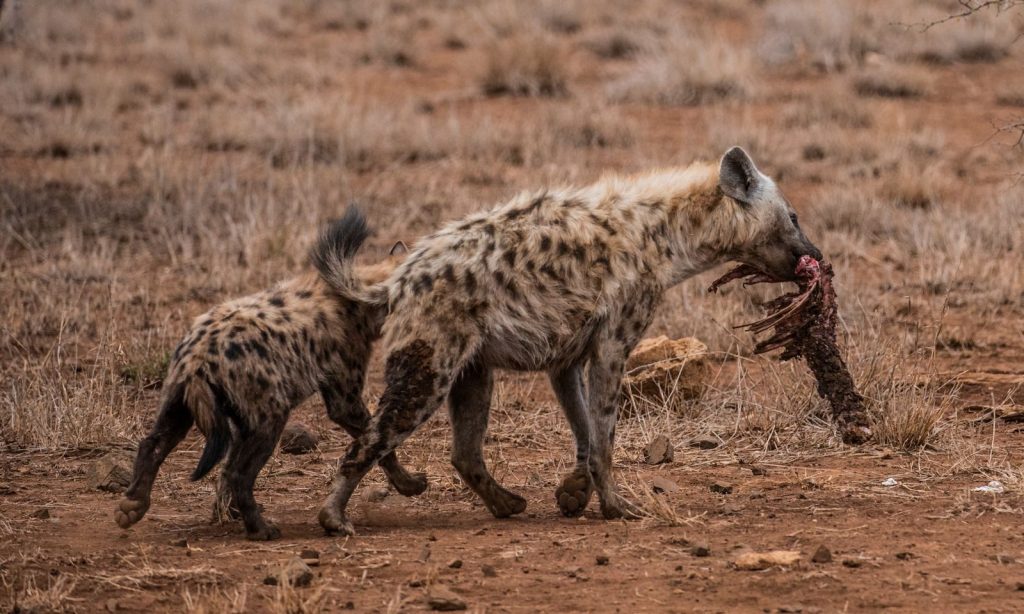
Despite their reputation, hyenas are not just scavengers. Many studies show that they are skilled hunters capable of taking down large prey like wildebeest and zebra.
Their communication system helps them coordinate group hunts efficiently. This teamwork makes them one of Africa’s most successful carnivores.
Intelligence and Problem-Solving
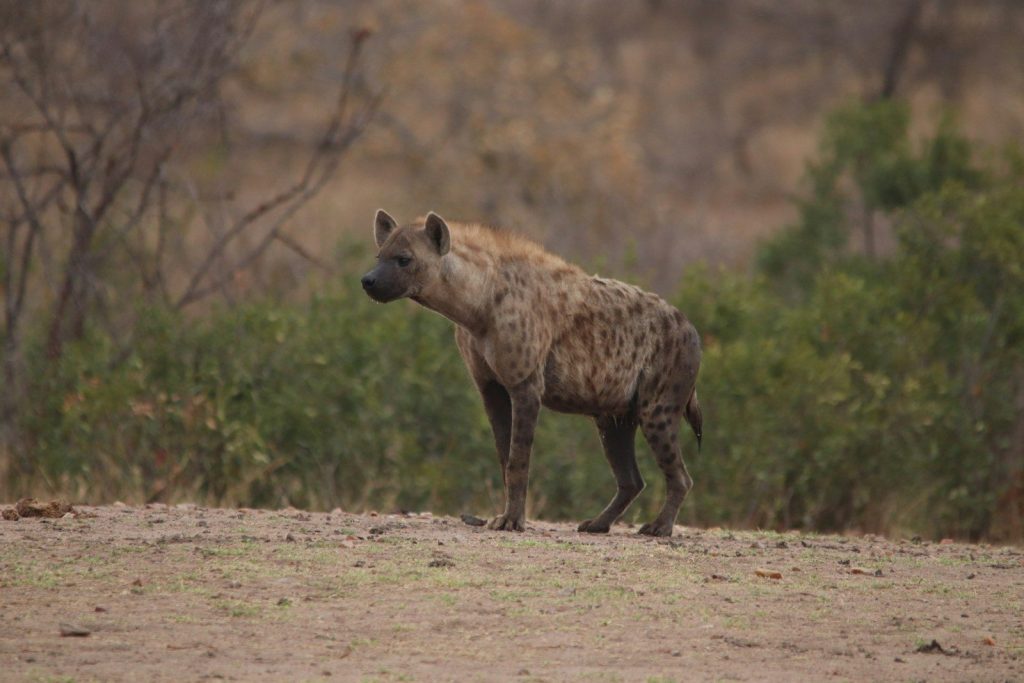
Hyenas are highly intelligent animals with advanced problem-solving abilities. Some studies suggest they can outperform certain primates in cooperative tasks.
They use learning, observation, and social awareness to navigate complex clan hierarchies. This intelligence is closely linked to their vocal communication system.
Social Hierarchy and Behavior
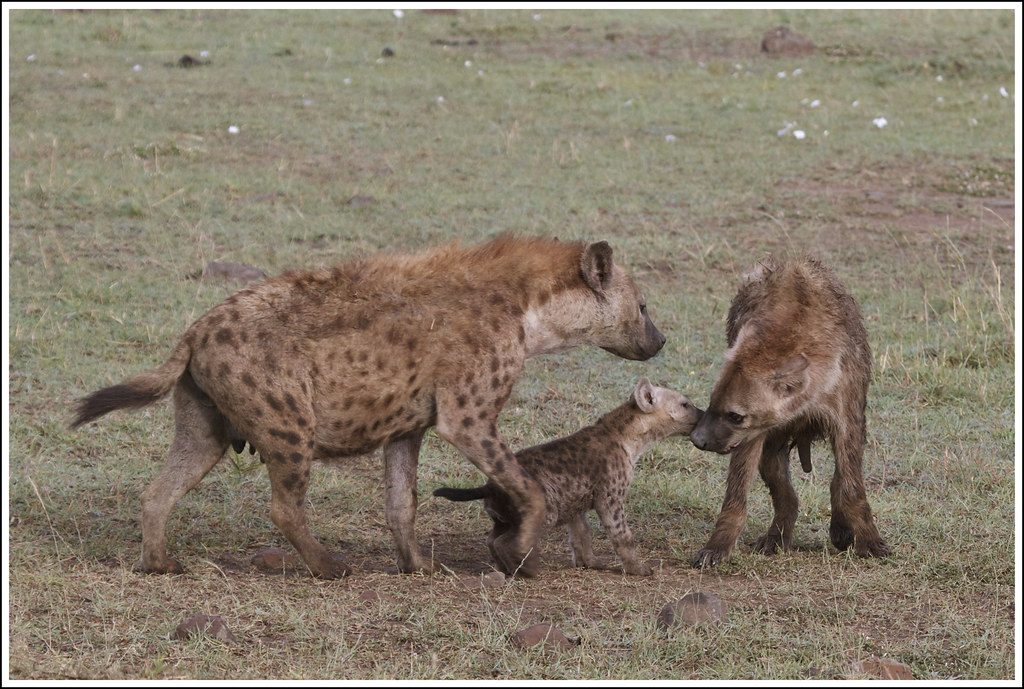
Hyena societies are strictly structured, with rank often inherited from the mother. Higher-ranking individuals get priority access to food and mating opportunities.
Vocal signals help reduce conflict and maintain this hierarchy. Submissive “laughing” sounds are often used when lower-ranking hyenas approach dominant members.
Why Hyenas Matter in the Ecosystem
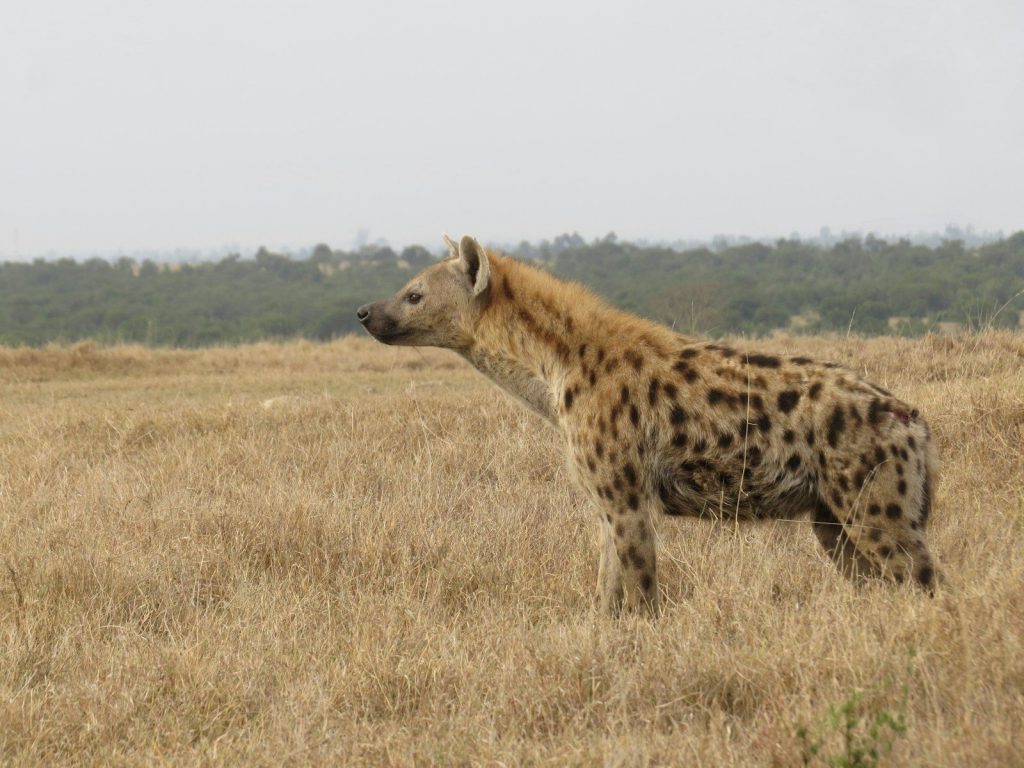
Hyenas play an important ecological role by controlling prey populations and cleaning up carcasses. This helps prevent the spread of disease in the wild.
Their behavior also challenges old myths about them being cowa