Not all animals are suited for domestication, even if they look cute, exotic, or easy to manage at first glance. Many species have complex needs, strong instincts, or dangerous traits that make them unsuitable for home environments.
Keeping the wrong animal as a pet can lead to stress for the animal, safety risks for humans, and serious legal or ethical issues. Some wildlife is simply meant to remain in its natural habitat.
Primates
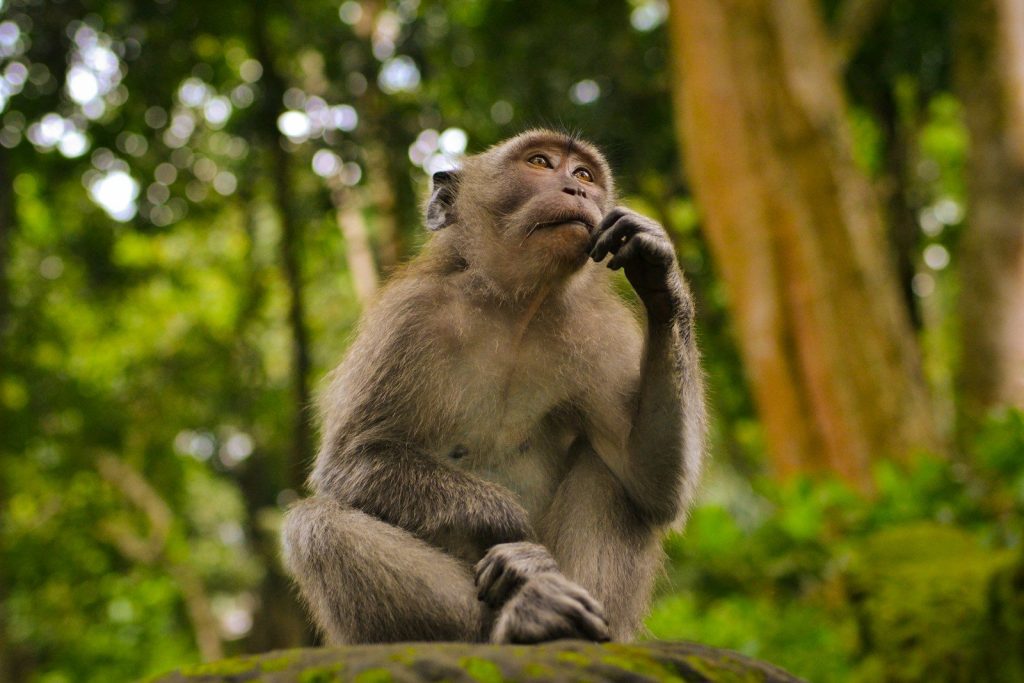
Primates such as monkeys may look intelligent and trainable. However, they are highly social animals with complex emotional needs.
When kept as pets, they often become aggressive, destructive, or anxious due to lack of proper social structure. They also require specialized diets and care that most owners cannot provide.
Big Cats
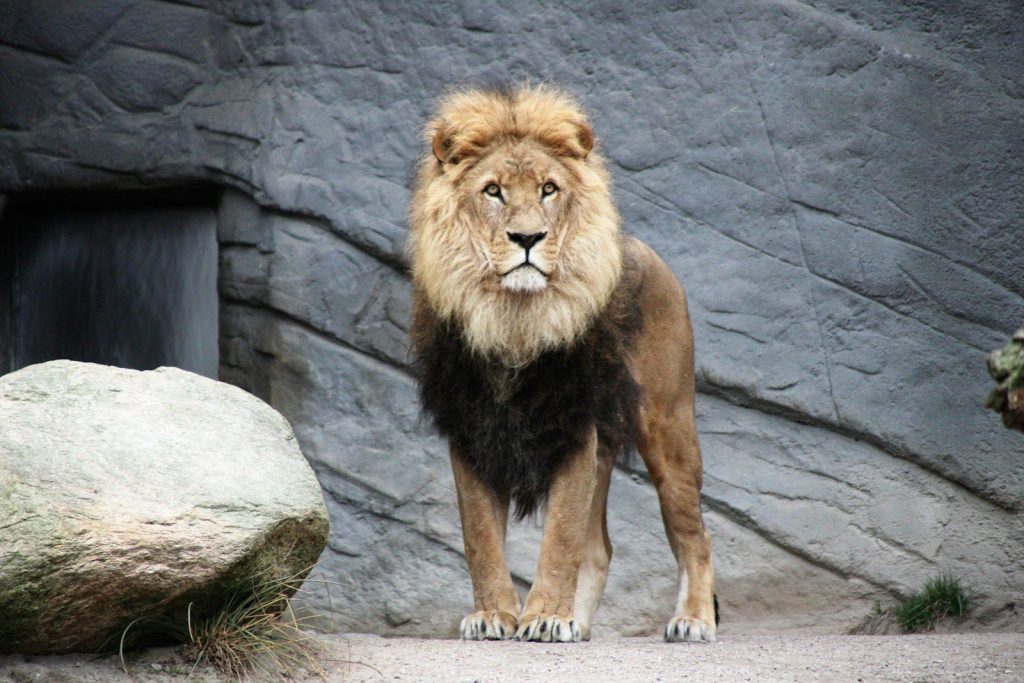
Big cats like lions and tigers are powerful predators. Even when raised in captivity, their instincts remain strong.
They require vast territories and expert handling, making them extremely dangerous and unsuitable as domestic pets. Many countries restrict or ban private ownership of these animals.
Venomous Snakes
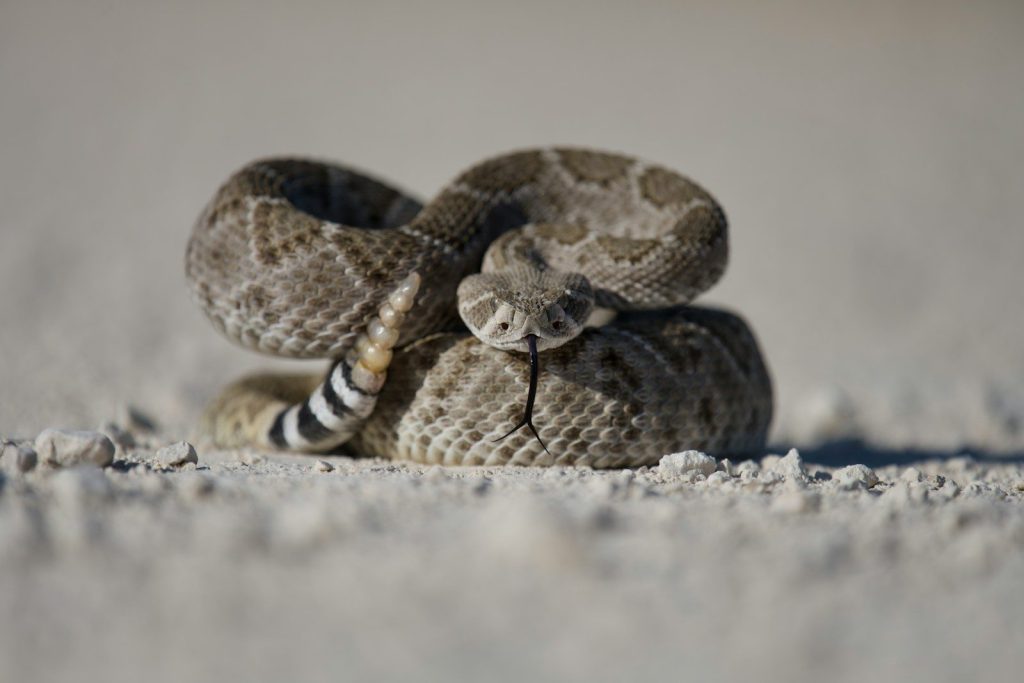
Venomous snakes may fascinate reptile enthusiasts. However, they pose a serious risk of injury or death if mishandled.
Even experienced handlers can be bitten, and antivenom is not always immediately available. Their care requires controlled environments and expert knowledge.
Large Parrots
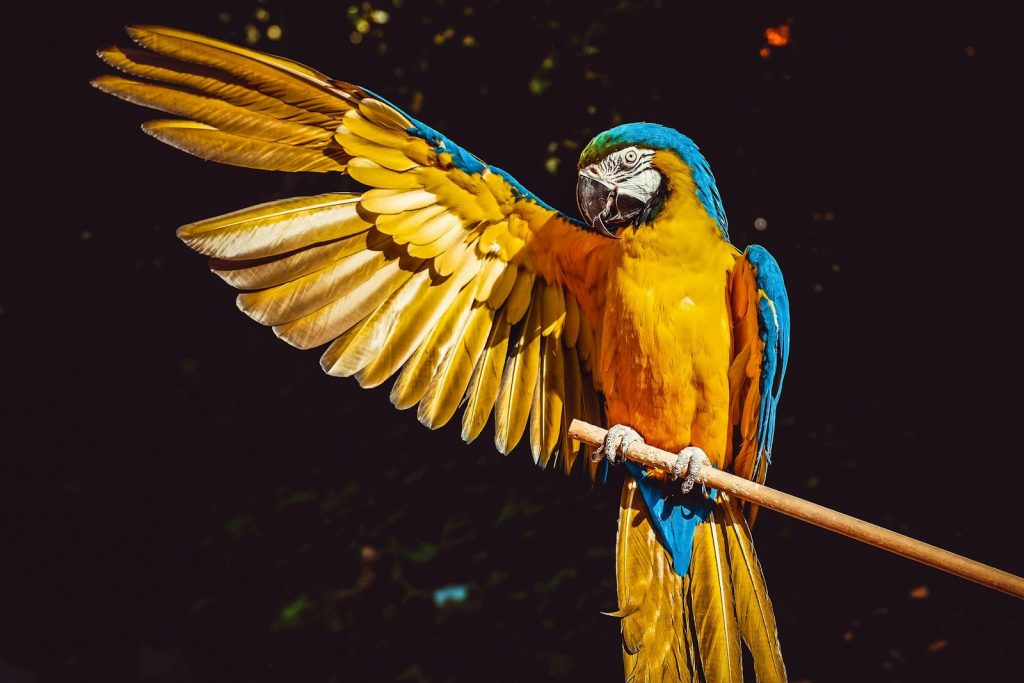
Some large parrots are intelligent but extremely demanding. They require constant mental stimulation and long lifespans can exceed several decades.
Without proper attention, they may develop behavioral problems such as screaming or feather plucking. Their care often overwhelms inexperienced owners.
Wild Dogs and Hybrids
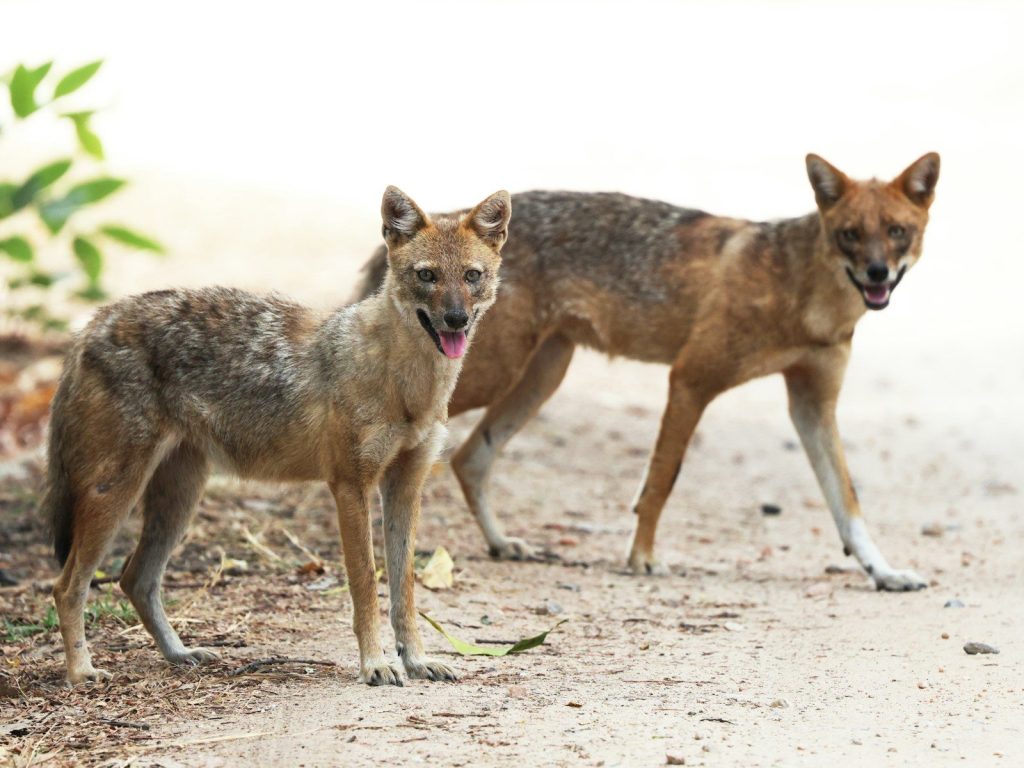
Wild canids and wolf-dog hybrids can be unpredictable. They may retain strong instincts that make them difficult to train or manage safely.
Their behavior can vary widely depending on genetics and upbringing. This unpredictability makes them risky as household pets.
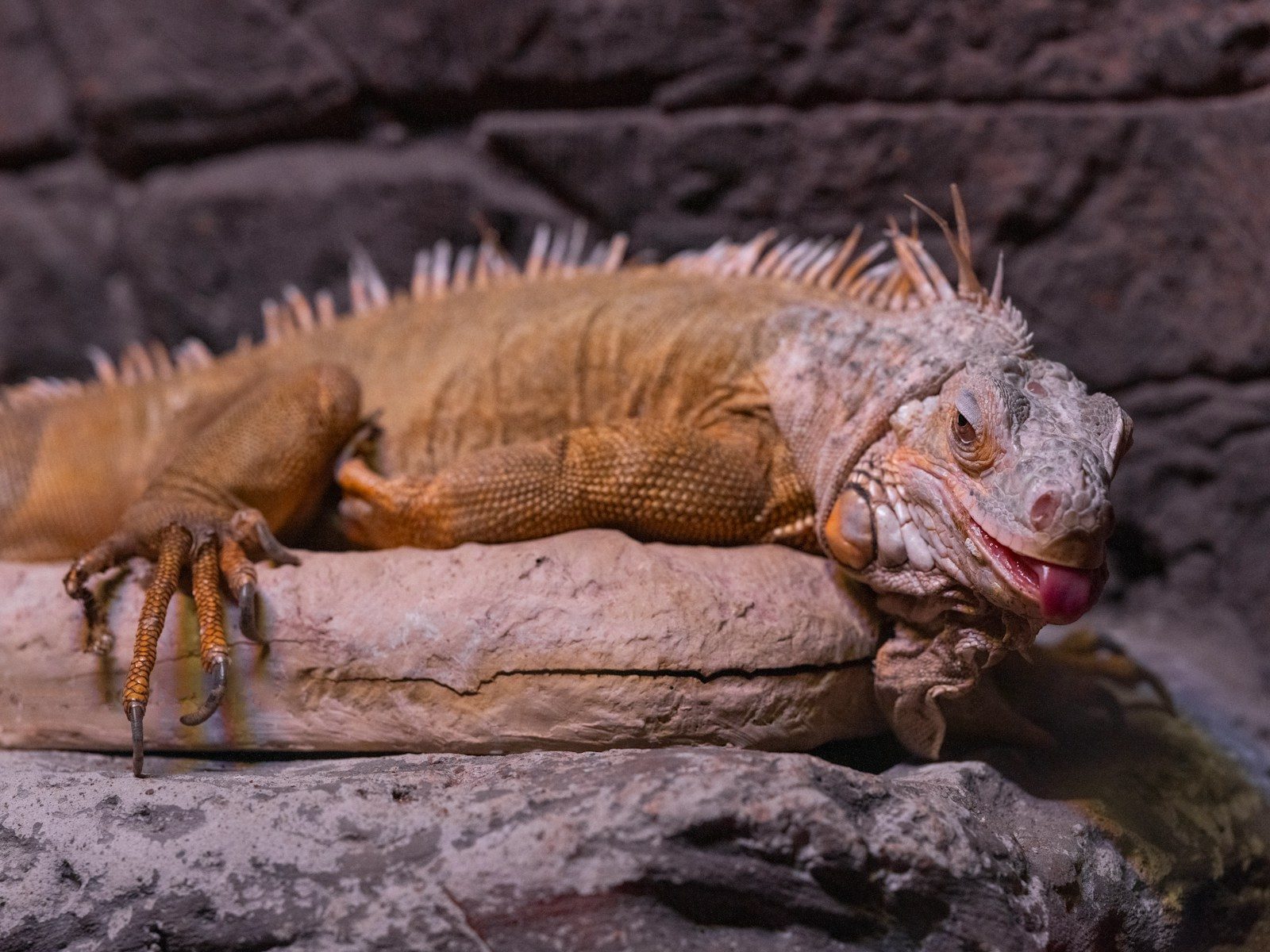
Exotic Reptiles
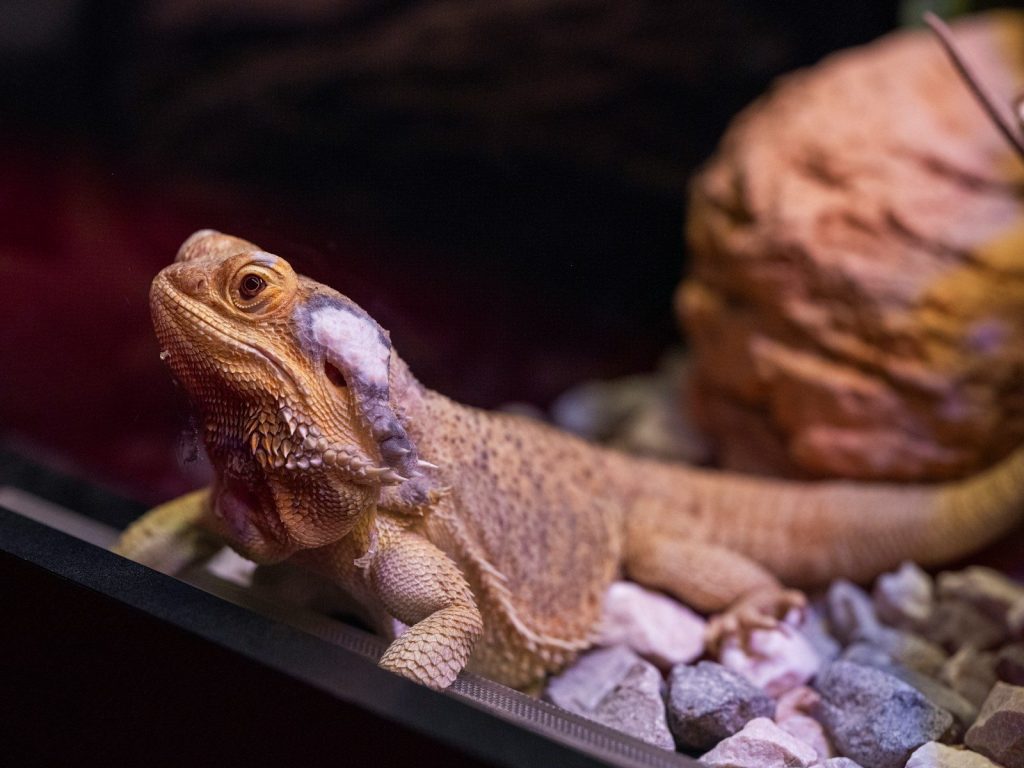
Some exotic reptiles require very specific temperature, humidity, and diet conditions. Without proper setups, they can suffer health problems.
Many species also carry salmonella or other risks to humans. Their care is often more complicated than expected.