For years, stories about unusually large wolves roaming Wyoming have fueled speculation among wildlife enthusiasts and critics of wolf reintroduction programs. Some even claimed that massive Canadian “superwolves” were introduced into the American West, creating a larger and more aggressive population than the wolves that once lived there.
Wildlife biologists say those claims are not supported by science. However, recent data does suggest that Wyoming’s wolves tend to be heavier than many gray wolf populations found elsewhere in the Lower 48, raising interesting questions about habitat, prey, and adaptation.
The Myth Of The Canadian Superwolf Persists
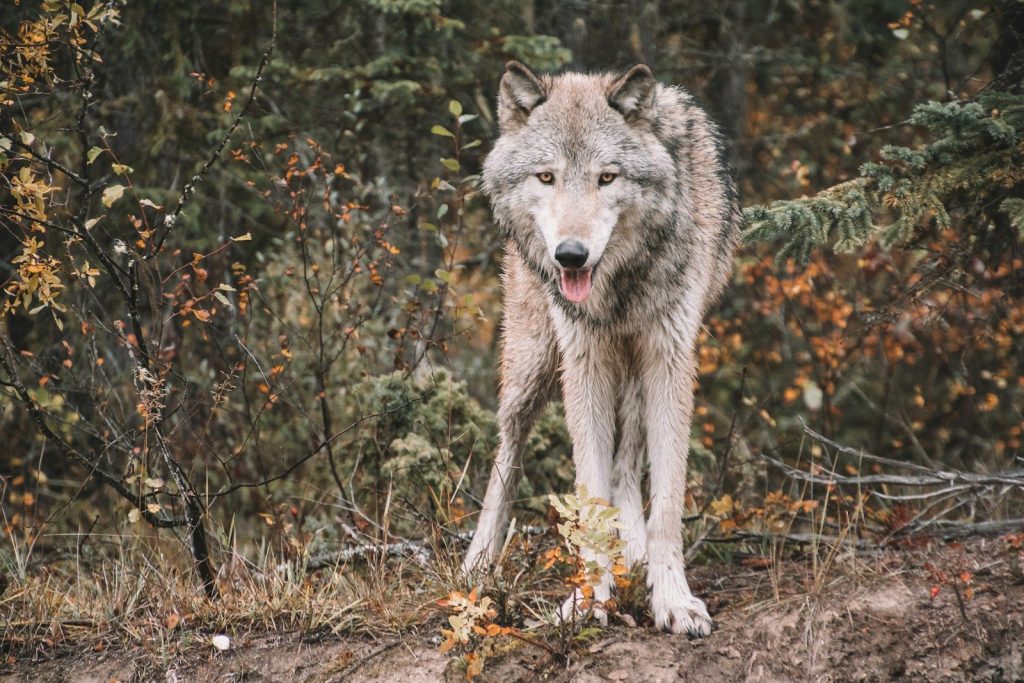
One of the most common claims surrounding wolf reintroduction is that oversized wolves were brought into Yellowstone and surrounding areas from Canada. According to wildlife experts, the animals involved in those efforts were standard gray wolves belonging to the same species found across much of North America.
Researchers emphasize that there is no separate “superwolf” species. The wolves introduced to the region were part of a naturally occurring population that historically ranged across large portions of the continent.
Wyoming Wolves Tend To Be Heavier Than Average
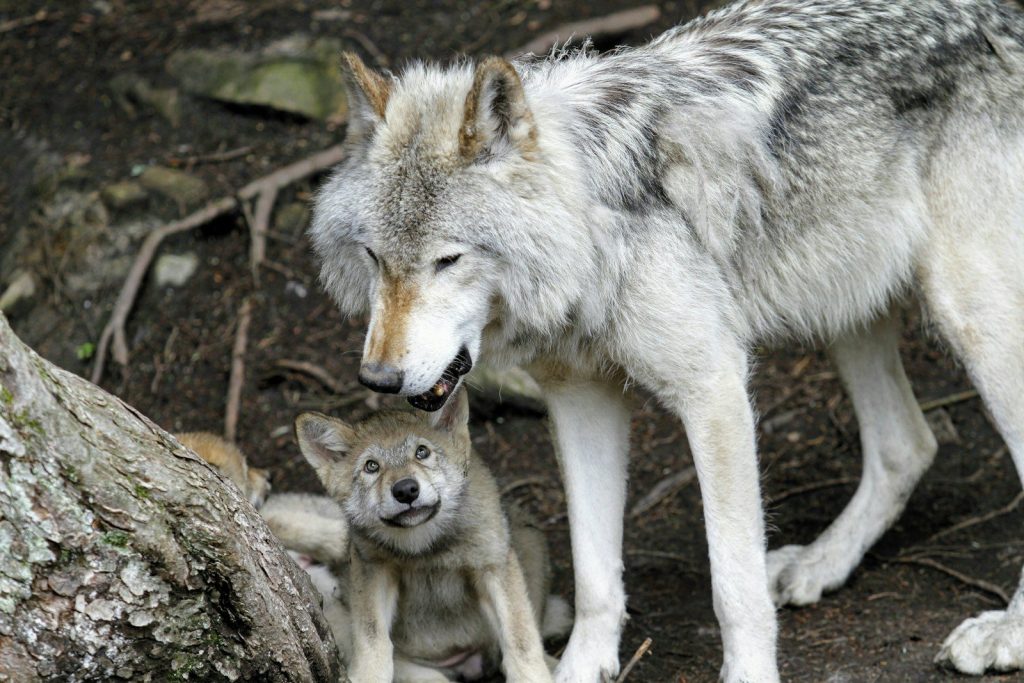
Data collected from wolf captures in Wyoming indicates that adult males average more than 100 pounds, while adult females often weigh around 90 pounds. Some exceptional individuals have exceeded 150 pounds, although such cases are uncommon.
These figures are generally higher than those reported for many wolf populations in neighboring states and parts of the Upper Midwest. The difference has led researchers to explore what factors may contribute to larger body sizes.
Habitat And Diet Influence Wolf Size
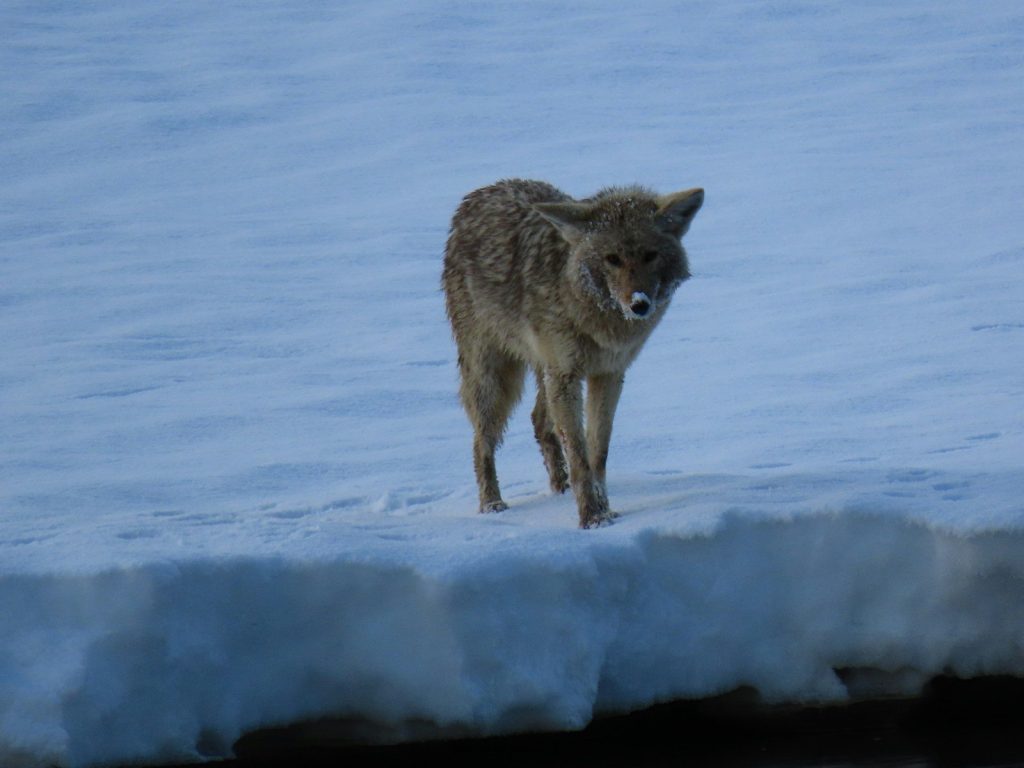
Scientists believe local environmental conditions play a significant role in determining how large wolves become. Wolves living in different ecosystems often develop traits that help them thrive in their specific surroundings.
In Wyoming, wolves frequently hunt large prey such as elk and occasionally bison. The demands of pursuing and bringing down bigger animals may favor larger, stronger predators over time.
Different Wolf Populations Adapt To Local Conditions
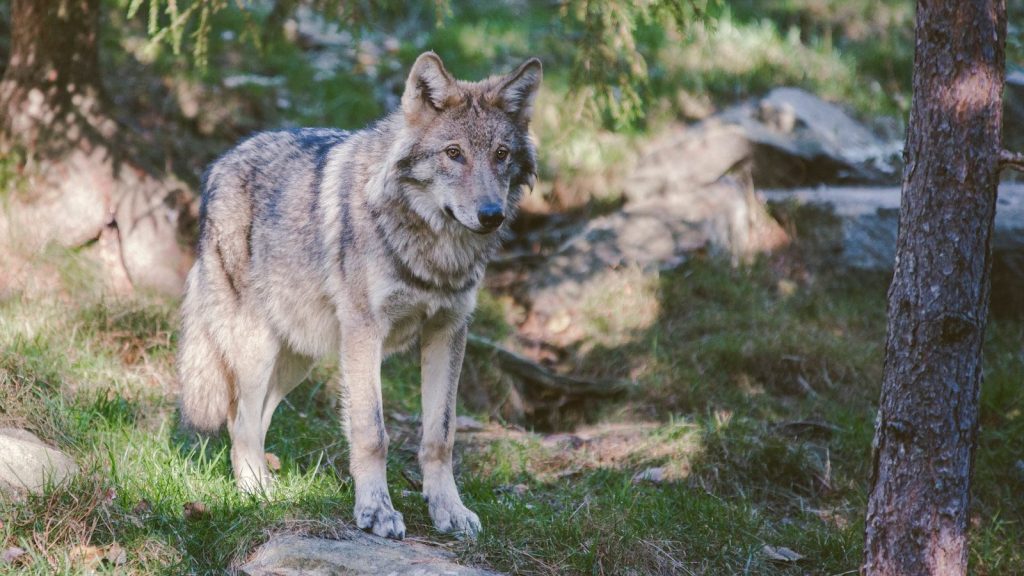
Biologists use the term “ecotype” to describe populations that adapt to particular habitats and prey sources. While still the same species, wolves living in mountains, forests, or open plains may develop different physical characteristics.
Research suggests that these local adaptations can influence body size, behavior, and hunting strategies. Wyoming’s wolves may reflect generations of adaptation to the region’s rugged landscapes and large prey animals.
Genetics May Play A Role In Regional Differences

Researchers have also explored the possibility that genetic differences contribute to variations in wolf size. Some wolf populations in the Great Lakes region show evidence of historical interbreeding with coyotes, which could influence body size in certain areas.
Studies of wolves in the Rocky Mountains, however, have found little evidence of similar coyote ancestry. This may be one factor helping explain regional differences between populations.
Bigger Does Not Always Mean Better
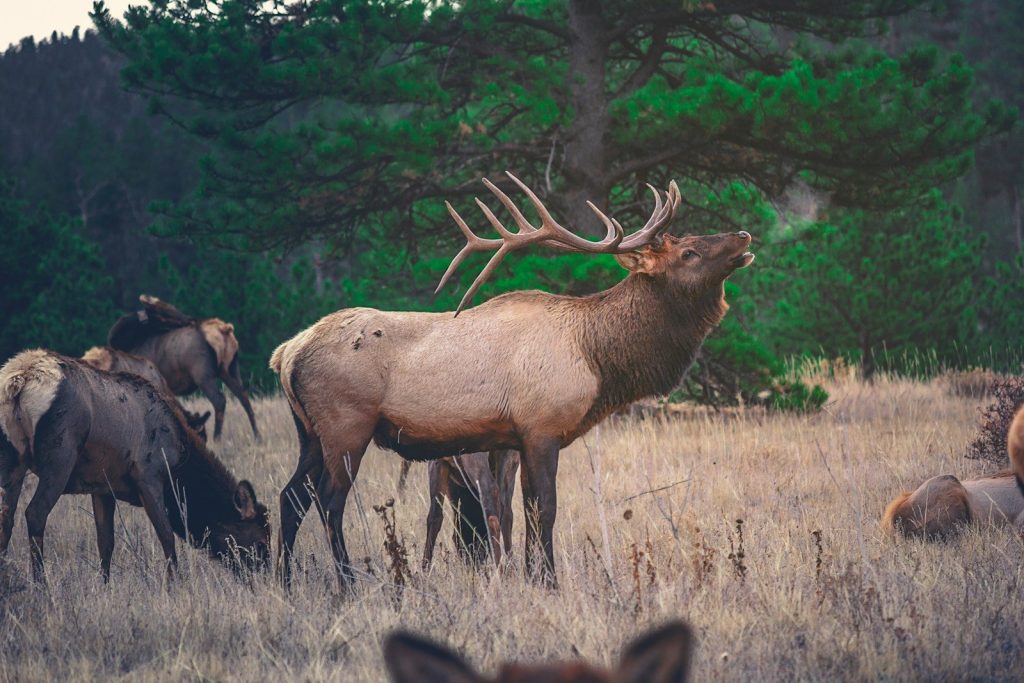
Although larger wolves may have advantages when hunting elk or other large animals, size is only one aspect of survival. Successful wolves depend on cooperation, endurance, intelligence, and pack dynamics just as much as physical strength.
Experts say Wyoming’s wolves are impressive animals, but they remain typical gray wolves rather than a separate giant subspecies. Their size appears to be the result of ecology, prey availability, and natural adaptation rather than any extraordinary origin.