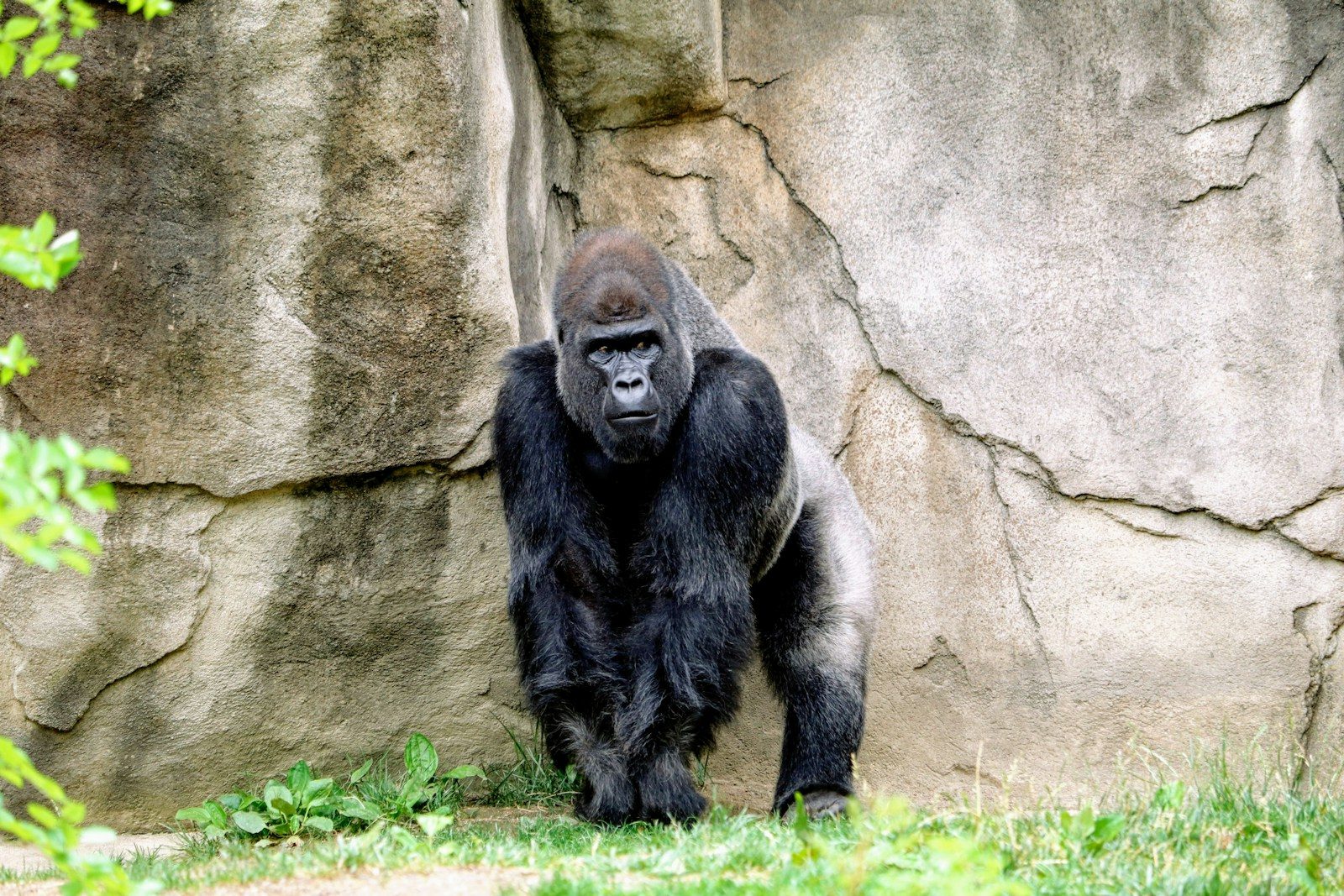
Gorilla trekking has become one of the most sought after wildlife experiences in the world, allowing visitors to observe mountain gorillas in their natural habitat. While many conservationists praise the activity for supporting endangered species protection, others question whether close human interaction with wild gorillas can ever be completely ethical.
The debate centers on balancing conservation funding with the welfare of the animals themselves. Experts say gorilla trekking can benefit both wildlife and local communities when strict regulations and responsible tourism practices are followed carefully.
Gorilla Trekking Helps Fund Conservation Efforts
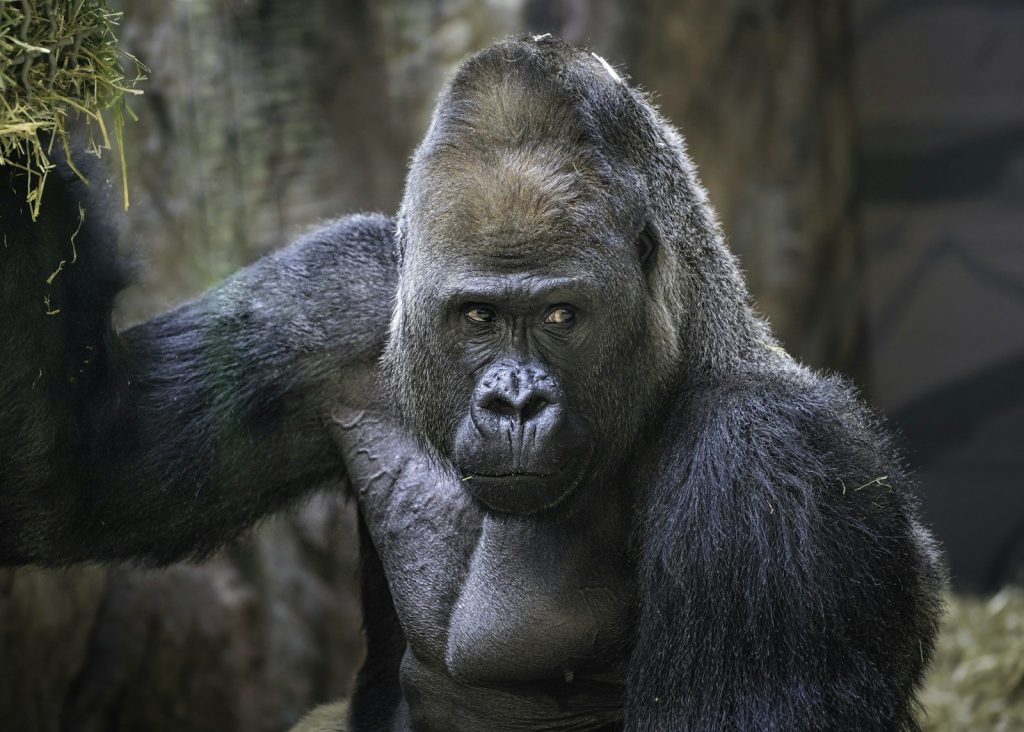
Tourism revenue generated from gorilla trekking supports ranger salaries, anti poaching programs, and habitat protection initiatives in countries such as Uganda and Rwanda. Many experts consider these funds essential for the long term survival of mountain gorillas.
Local communities also benefit through employment opportunities connected to tourism and conservation work. Researchers note that these economic incentives often encourage stronger protection of gorilla habitats.
Human Diseases Remain A Serious Concern
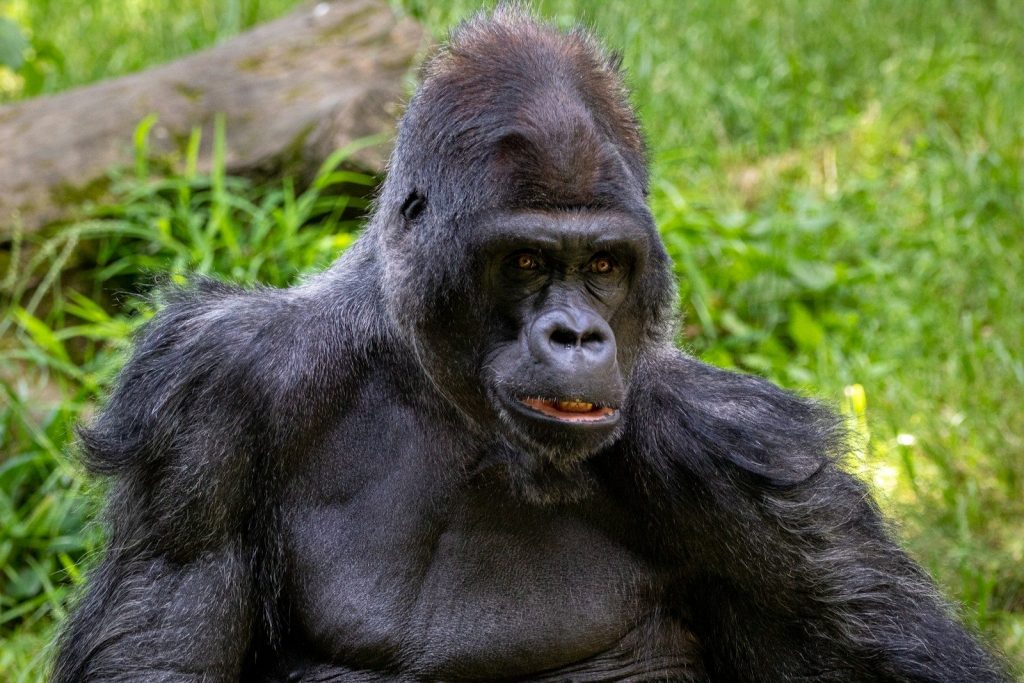
One of the biggest ethical concerns involves disease transmission between humans and gorillas. Because gorillas share much of their DNA with humans, they are vulnerable to many respiratory illnesses carried by visitors.
Scientists warn that even common human infections could pose serious risks to endangered gorilla populations. Strict health protocols and visitor limits are designed to reduce this danger as much as possible.
Strict Rules Are Designed To Protect Gorillas
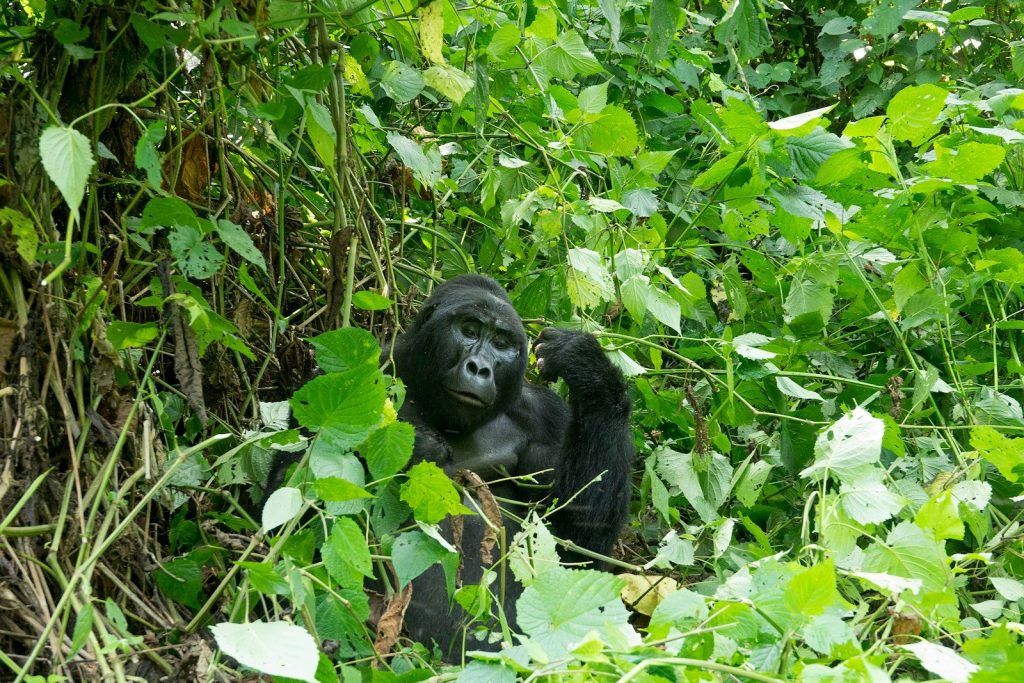
Gorilla trekking programs operate under carefully controlled guidelines intended to minimize stress and disturbance to the animals. Visitors are typically required to maintain distance, avoid loud behavior, and follow ranger instructions at all times.
Experts say ethical trekking focuses on observation rather than interaction or entertainment. Responsible operators emphasize respect for the gorillas and their environment throughout the experience.
Habituation Creates Ongoing Ethical Debate
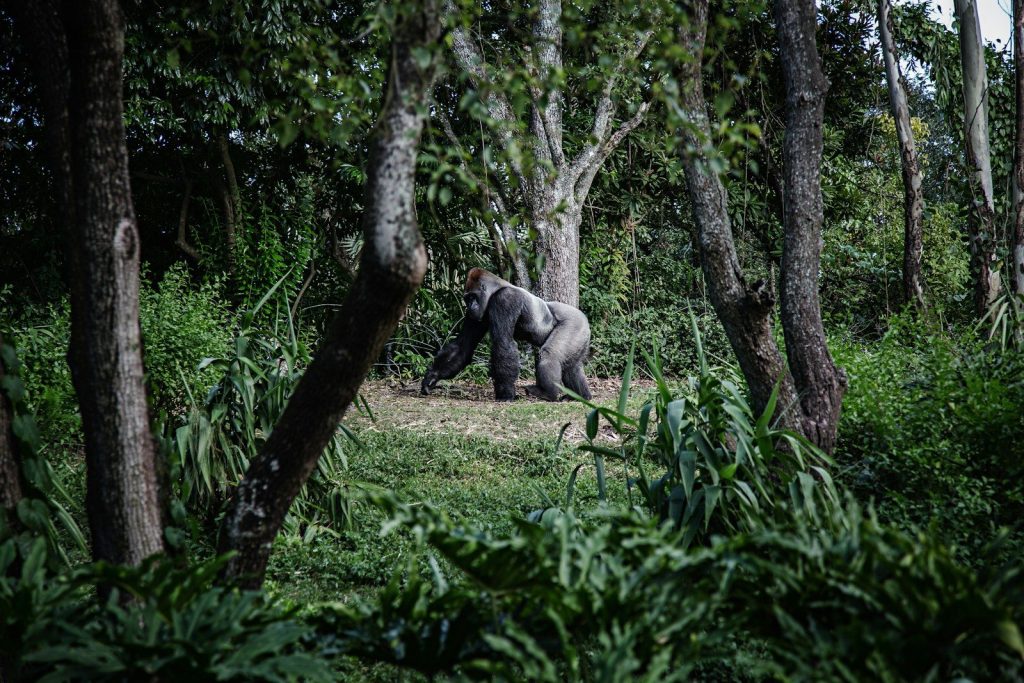
Many gorilla families visited during treks are gradually habituated to tolerate human presence over time. This process allows researchers and tourists to observe them safely without causing panic or aggression.
However, some conservationists argue that repeated exposure to humans may still alter natural behavior patterns. Others believe habituation is necessary for effective monitoring and long term protection.
Responsible Tourism Can Support Wildlife Protection
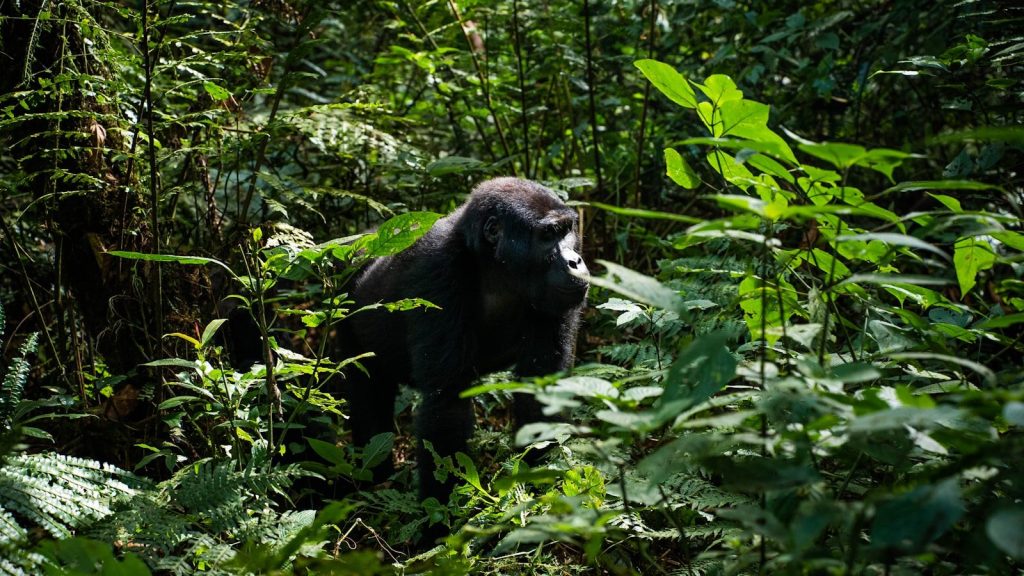
Supporters of gorilla trekking argue that tourism creates global awareness about endangered species and encourages continued conservation investment. Many travelers leave with a stronger appreciation for wildlife preservation after witnessing gorillas in the wild.
Conservation groups say responsible tourism often provides more sustainable protection than leaving habitats without economic support. In many regions, tourism revenue directly funds park operations and anti poaching patrols.
Experts Say Ethics Depend On How Trekking Is Managed
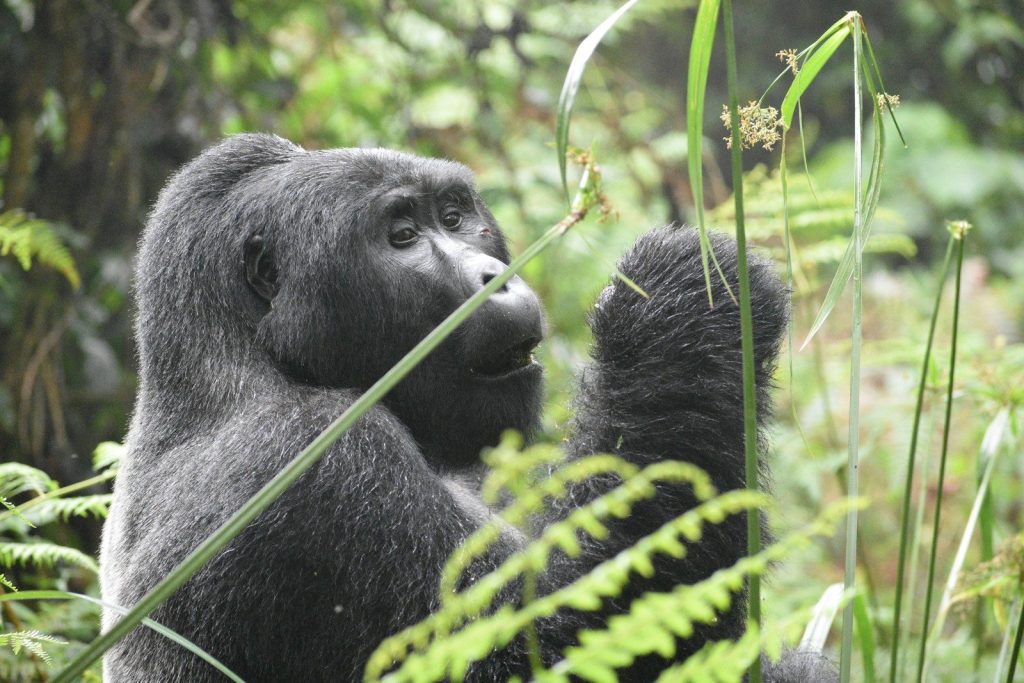
Wildlife specialists generally agree that gorilla trekking can be ethical when strict conservation standards are enforced consistently. Problems tend to arise when tourism becomes overcrowded, poorly regulated, or focused primarily on entertainment.
Experts encourage travelers to choose responsible operators that prioritize animal welfare and local conservation efforts. Respectful observation and adherence to regulations remain central to maintaining ethical wildlife tourism.