Nearly a decade later, the story of Harambe remains one of the most talked-about zoo incidents in modern history.
What began as a sudden emergency inside the Cincinnati Zoo quickly turned into a worldwide debate about animal safety, parenting, zoo design, and the difficult decisions made during life-threatening situations.
Even today, the incident continues to shape conversations about wildlife management and public responsibility around dangerous animals.
The Incident That Shocked the World
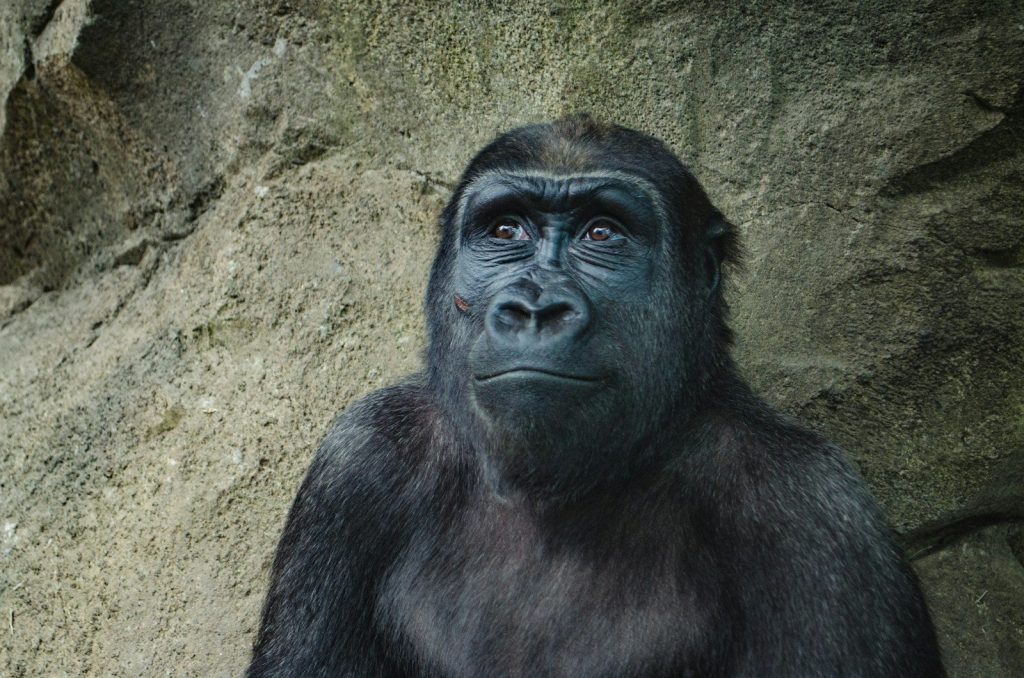
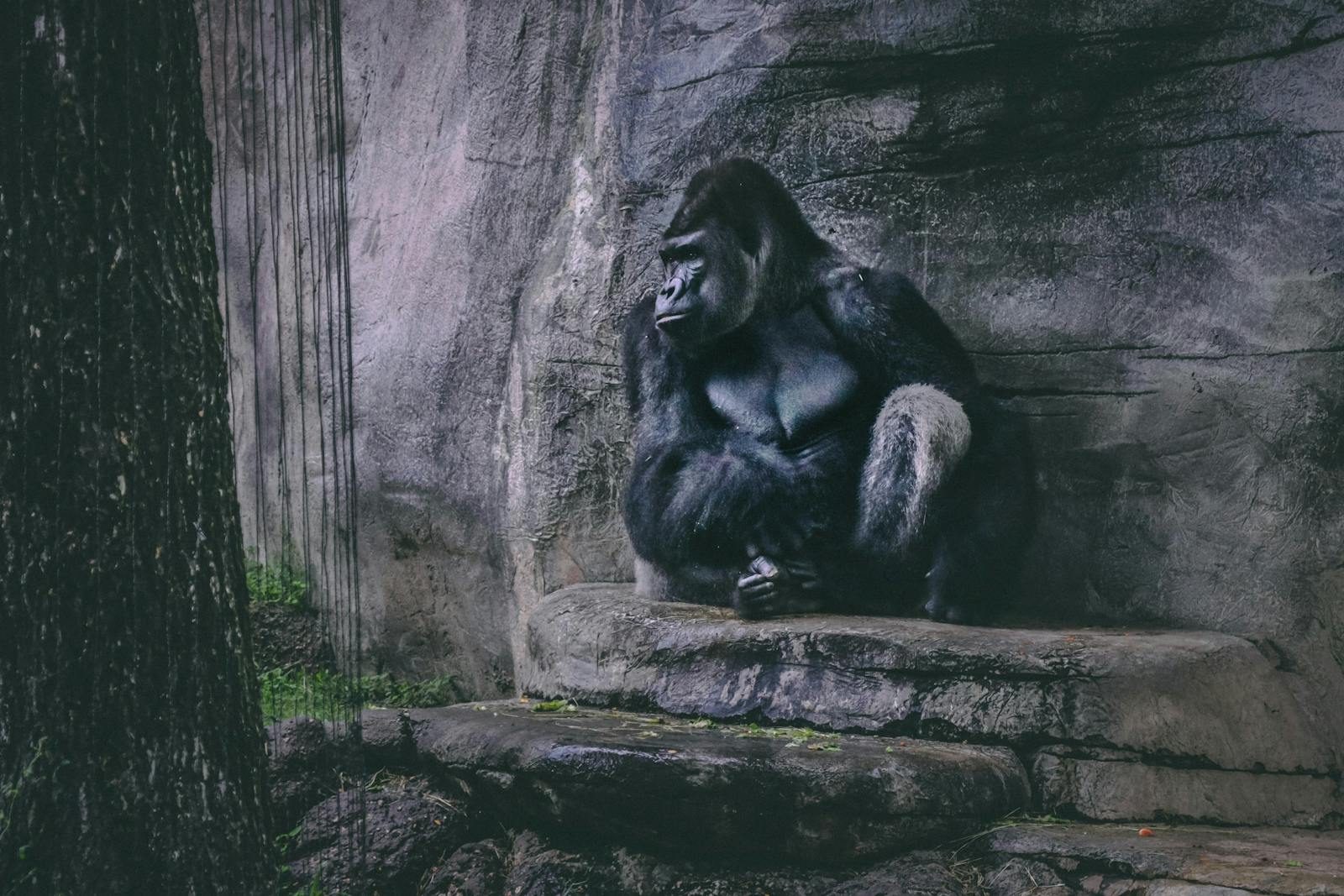
In May 2016, visitors at the Cincinnati Zoo witnessed a terrifying situation unfold when a young child entered the gorilla enclosure housing Harambe, a 17-year-old western lowland gorilla.
The child somehow made it past the barrier system and fell into the habitat, immediately creating a high-risk emergency.
Within moments, Harambe approached the child inside the enclosure while crowds watched in panic.
Harambe’s Behavior Inside the Enclosure
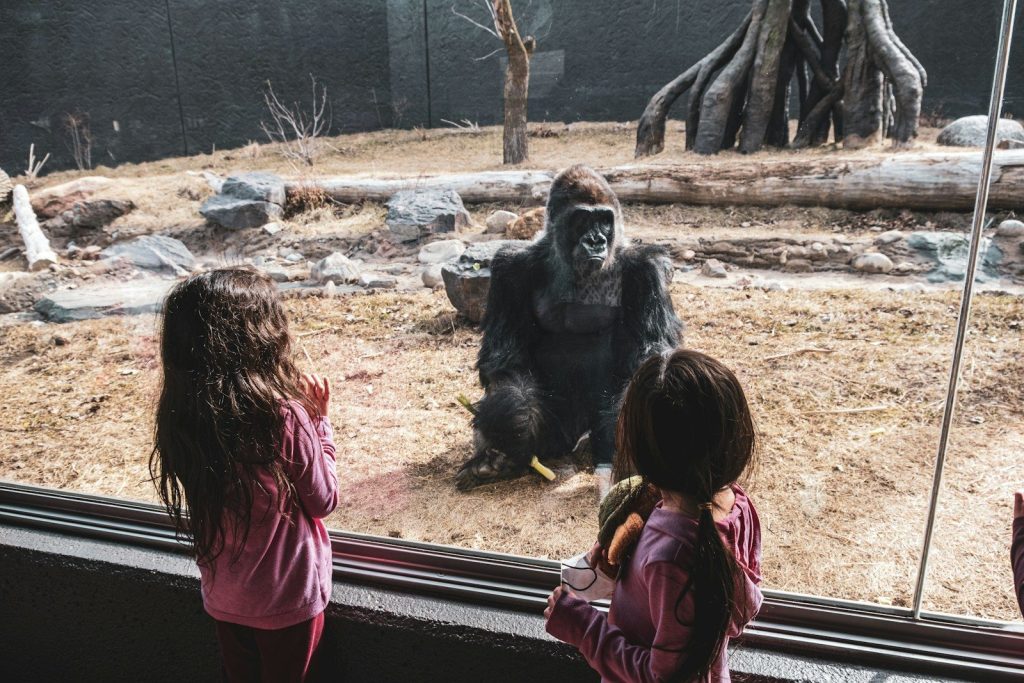
Videos recorded during the incident showed Harambe interacting with the child while moving through the habitat.
Zoo officials later explained that although the gorilla did not appear overtly aggressive in every moment, the situation remained extremely dangerous because of Harambe’s size, strength, and unpredictable behavior under stress.
Experts noted that gorillas are incredibly powerful animals capable of causing severe injury unintentionally, even without direct aggression.
As the situation escalated, zoo staff were forced to make decisions within seconds.
Why Zoo Officials Chose Lethal Force
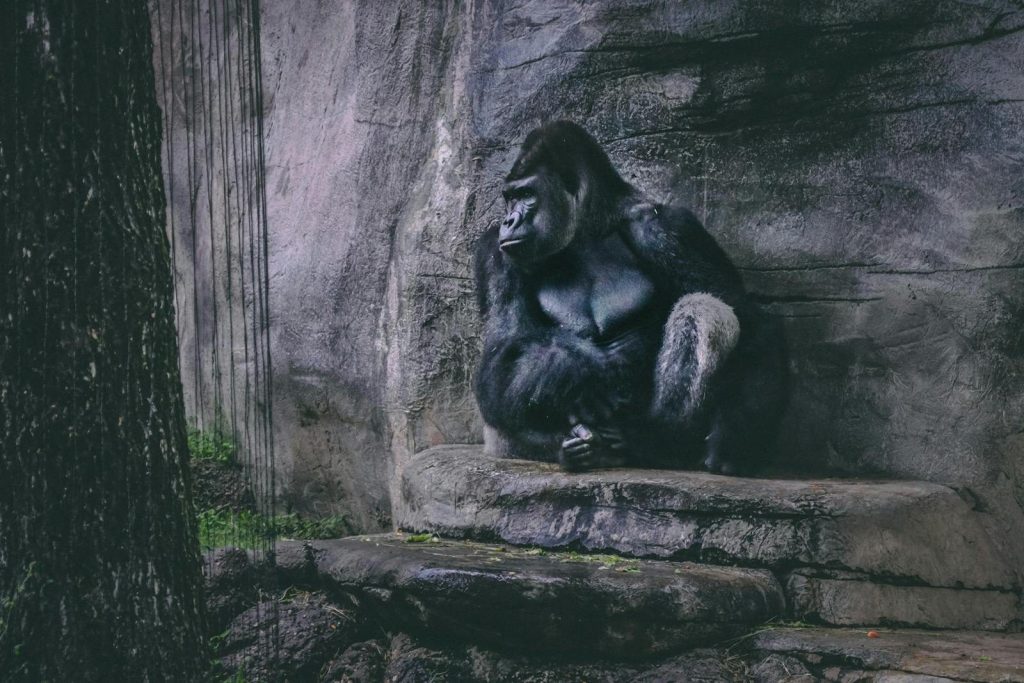
The most controversial part of the incident was the decision to shoot Harambe rather than use tranquilizers.
According to zoo officials, tranquilizers were considered too risky because they do not work instantly. Staff feared the delay could further agitate the gorilla or put the child in greater danger.
Faced with what they described as an immediate threat to human life, the zoo’s dangerous animal response team used lethal force to stop the situation.
The child survived the incident with non-life-threatening injuries.
The Internet Turns Harambe Into a Global Phenomenon
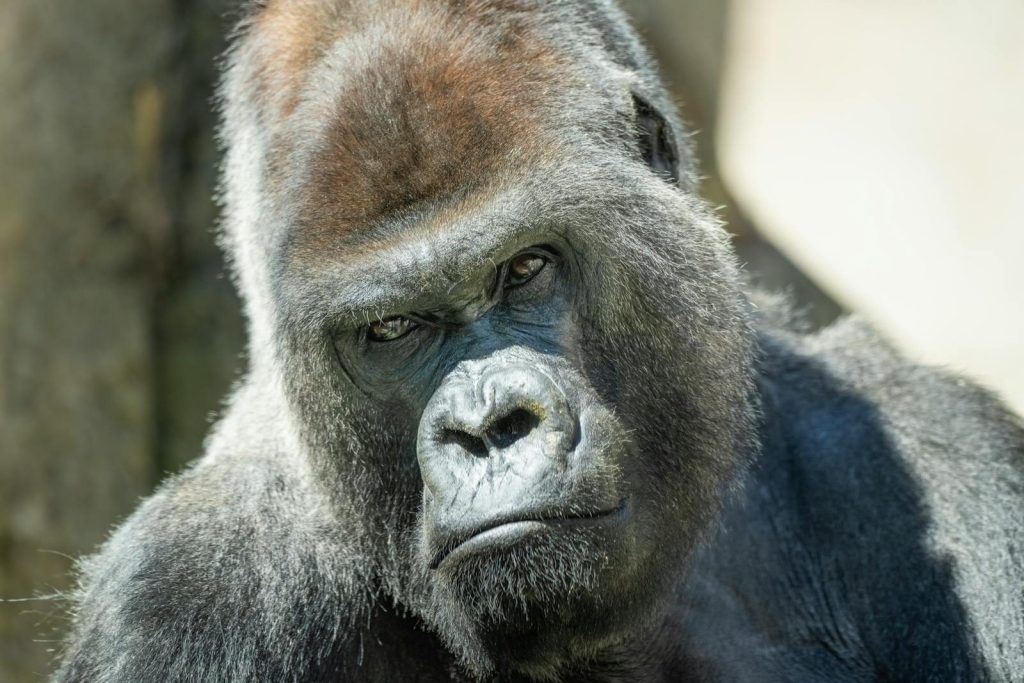
What happened next was unlike almost any previous zoo-related event.
The story exploded across social media, where videos, memes, debates, and emotional reactions spread worldwide within hours.
Harambe quickly became more than a news story. He became an internet symbol tied to discussions about human error, animal rights, and the ethics of captivity.
For years afterward, Harambe continued appearing in online culture, often in ways that blended serious debate with viral humor and memes.
The Debate That Never Fully Ended
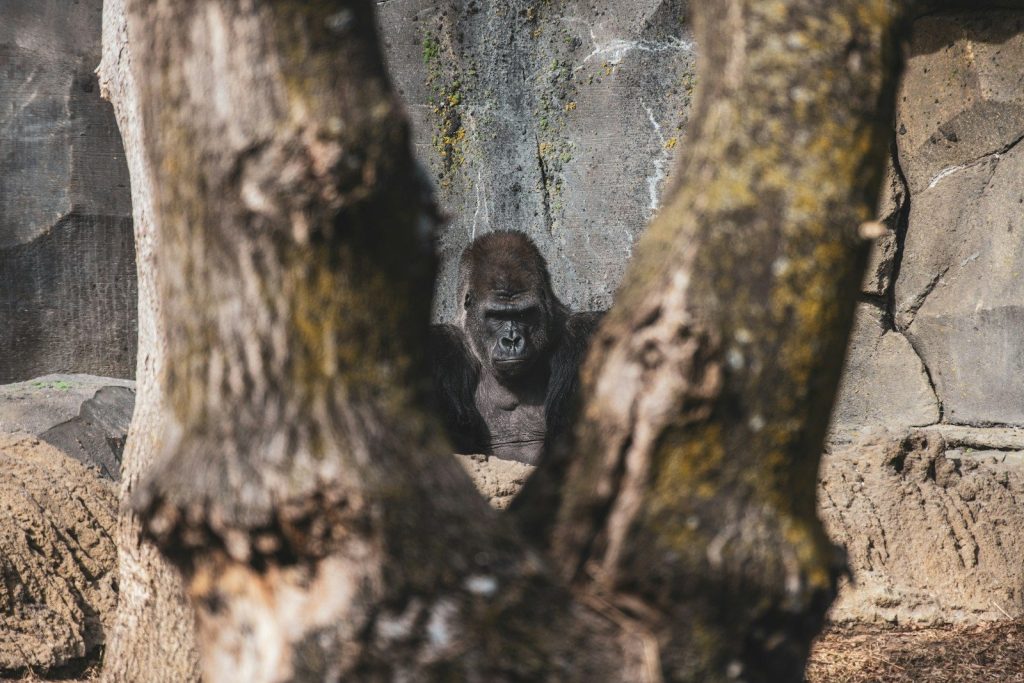
Public opinion surrounding the incident remains deeply divided.
Some people argue the zoo had no choice and acted appropriately to save the child’s life under extreme pressure.
Others believe different enclosure designs, stronger barriers, or alternative response methods might have prevented the tragedy entirely.
Wildlife experts have since used the case as a major example when discussing how quickly controlled environments can become dangerous during unexpected situations.
How the Incident Changed Zoo Safety
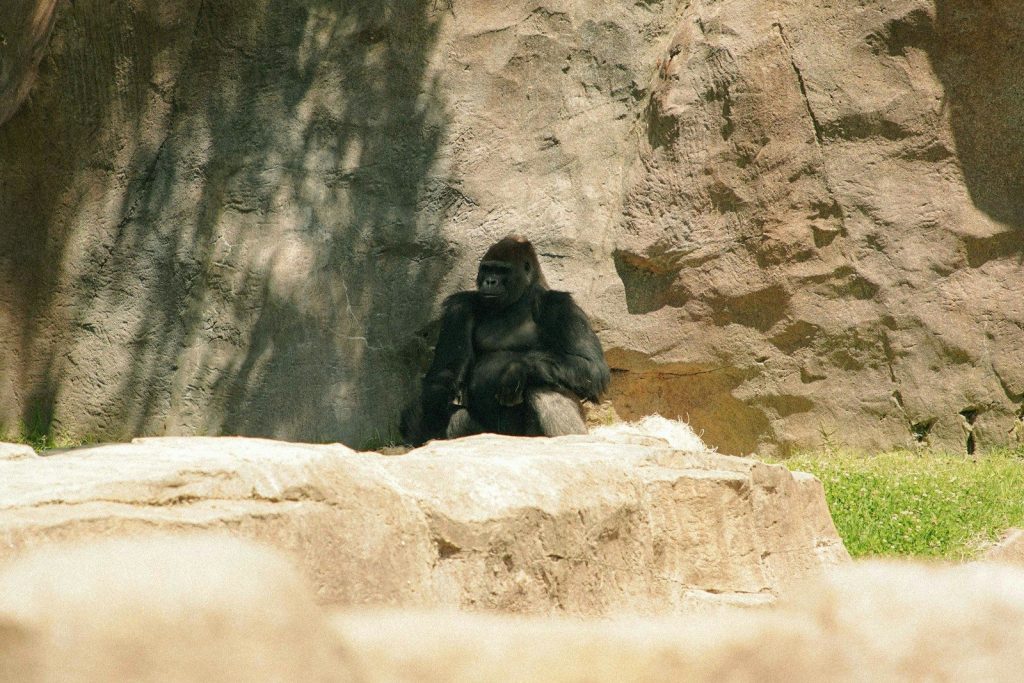
In the years following Harambe’s death, many zoos reviewed and strengthened their safety systems.
Facilities around the world revisited visitor barriers, emergency response plans, and educational signage around dangerous animal habitats.
The incident became a case study in modern zoo management and risk prevention.
Many experts say the tragedy highlighted the importance of balancing public access with strict safety measures for both humans and animals.
Harambe’s Lasting Legacy
Harambe’s story continues to resonate because it sits at the intersection of wildlife, human behavior, and public emotion.
For some, he represents a tragic loss of an endangered animal.
For others, the event remains an example of the impossible decisions wildlife professionals sometimes face during emergencies.
Nearly ten years later, the name Harambe is still instantly recognizable around the world, serving as a reminder of how one brief moment inside a zoo enclosure became one of the internet’s most unforgettable wildlife stories.