Skip to content

Recent Posts

  • The Japanese River Otter That Vanished From Reality But Lives On in Myth
  • Rare Blue Coral Snake Stuns Experts With Electric Colors And Powerful Venom
  • Wild Turkeys Are Thriving In Bay Area Neighborhoods But Their Origins Surprise Many Residents
  • What Really Happened to Harambe? The Viral Zoo Tragedy That Still Sparks Debate Years Later
  • Be Careful Around America’s Snake Heavy Lakes And What Research Reveals

Most Used Categories

  • Nature & Wildlife (170)
  • Risk (36)
  • Human Interest (17)
  • Hunting (17)
  • Survival (14)
  • Bees/Swarms fear (13)
  • Exotic Animals (7)
  • Suspense (6)
  • Adventure (3)
  • Gears (2)
Skip to content
  • About Us
  • Contact Us
  • Disclaimer
  • Privacy Policy
  • Terms & Conditions

Hive Hunters Tales

  • Suspense
  • Nature & Wildlife
  • Human Interest
  • Hunting
  • Bees/Swarms fear
  • Exotic Animals
  • Risk
  • Survival
  • Adventure
  • Gears
  • Home
  • Nature & Wildlife
  • Be Careful Around America’s Snake Heavy Lakes And What Research Reveals
Close-up image of a four-lined snake resting on a rock, showcasing reptilian beauty in Montenegro.

Be Careful Around America’s Snake Heavy Lakes And What Research Reveals

JakeJune 10, 2026June 10, 2026

Some lakes across the United States have developed a reputation for unusually high snake activity, especially in warm southern and forested regions. While the phrase “snake infested” can sound alarming, researchers explain that these environments simply provide ideal conditions for aquatic and semi aquatic snakes to thrive.

Most of these lakes are not dangerous in a constant sense, but they do support a higher chance of encountering snakes along shorelines, docks, and shallow waters. Understanding why snakes gather in these areas helps reduce fear and encourages safer outdoor recreation.

Why Some Lakes Naturally Attract More Snakes
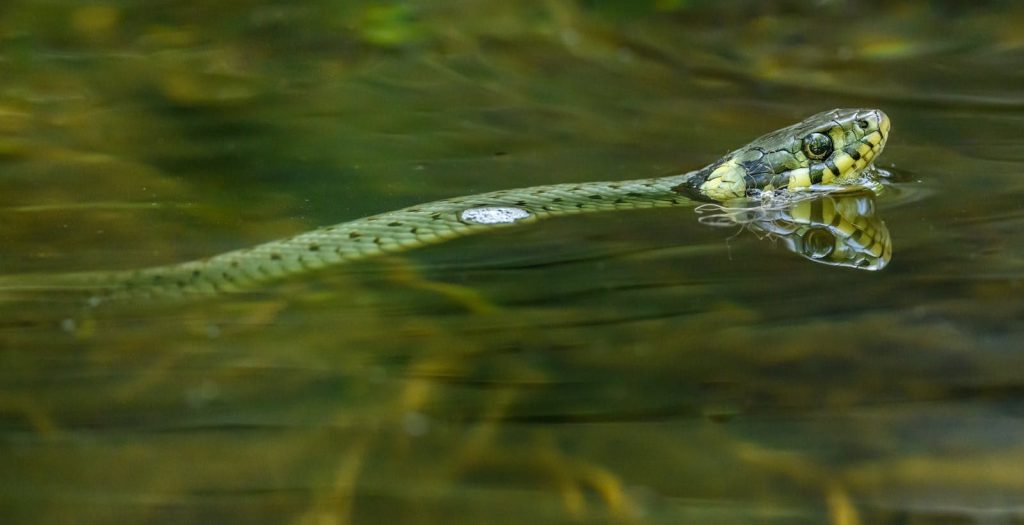
A detailed close-up photograph of a snake swimming through water, showcasing its reflection.
Photo by Petr Ganaj on Pexels

Lakes with dense vegetation, warm temperatures, and abundant prey tend to support larger snake populations. Fish, frogs, and small mammals create a stable food source that keeps snakes close to the water.

Shoreline cover like reeds, logs, and rocks also provides shelter and hunting opportunities. Because of this, many snake species naturally concentrate in lake environments rather than open dry land.

Lake Okeechobee Is Often Highlighted For High Snake Activity
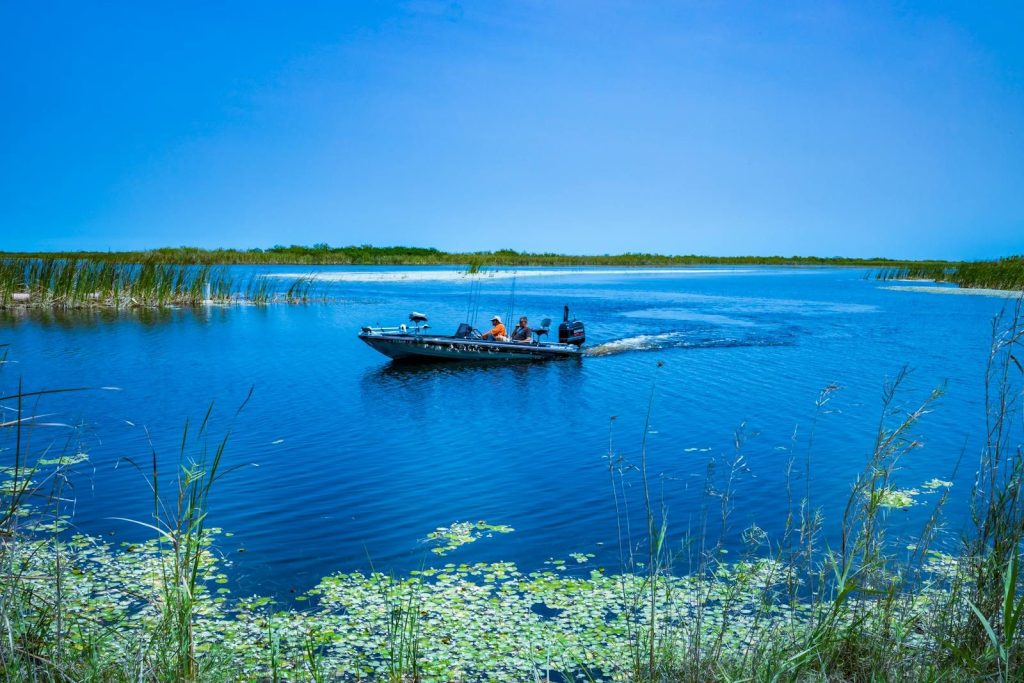
Peaceful boat ride on a lake surrounded by reeds and clear blue sky.
Photo by Blair Damson on Pexels

Lake Okeechobee in Florida is frequently mentioned in research discussions due to its large size and diverse ecosystem. Its wetlands and marshy edges create an ideal habitat for both aquatic snakes and other reptiles.

The combination of warm climate and extensive shoreline allows multiple species to coexist in the same area. This makes the lake one of the most well known examples of high snake presence in the United States.

Cottonmouths Are The Most Common Concern In These Waters
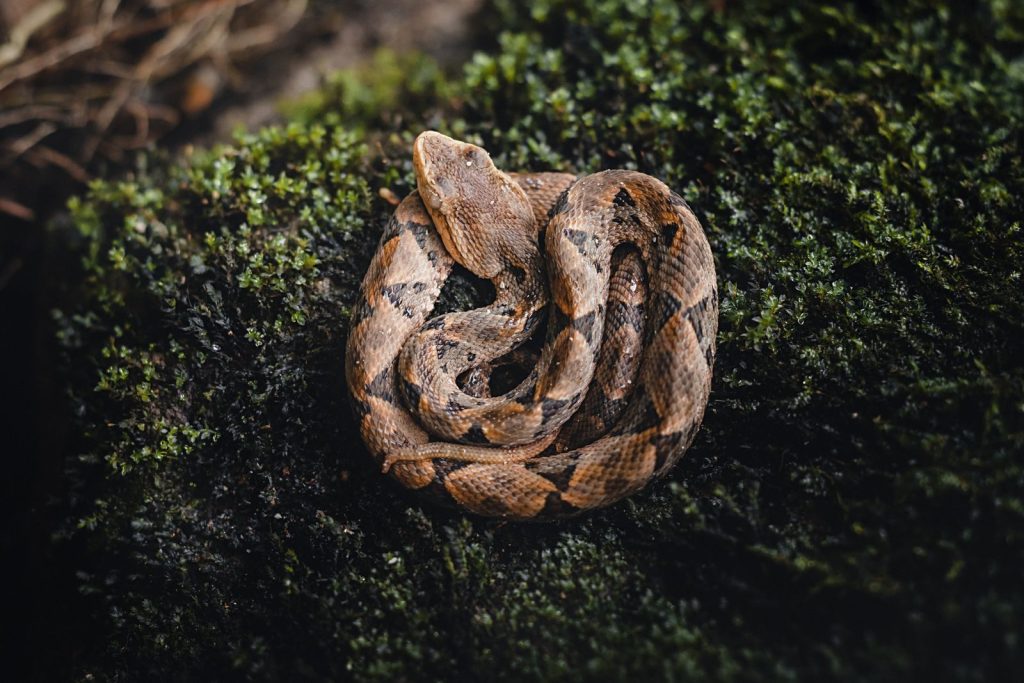
Close-up of a Bothrops Brazili snake coiled on moss, showcasing intricate patterns and natural habitat.
Photo by ByChelo on Pexels

Among the species found in snake active lakes, cottonmouths are often the most discussed due to their venomous reputation. They are semi aquatic snakes that prefer slow moving or still waters.

Although they can appear defensive when threatened, experts note that they typically avoid human contact. Most incidents occur when people accidentally step too close or disturb them near the shoreline.

Not All Lake Snakes Are Dangerous
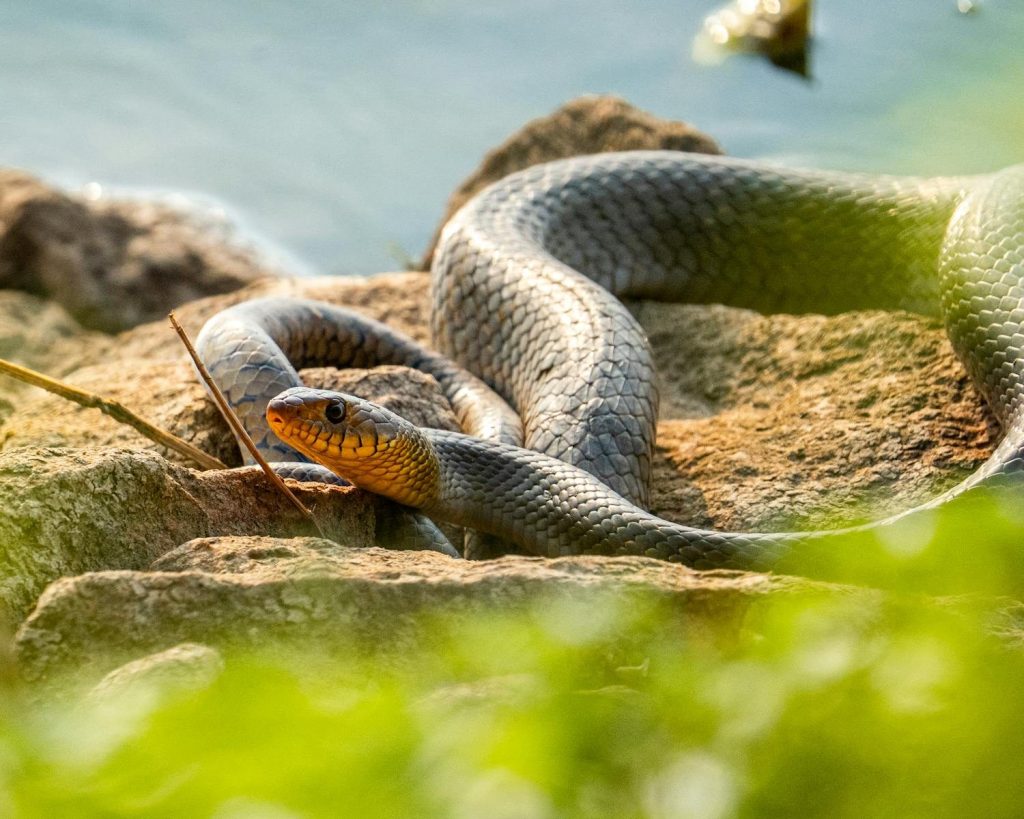
A yellow-bellied snake basking on rocks by water, captured in warm daylight.
Photo by Deepak Ramesha on Pexels

Many snakes found around lakes are completely harmless water snakes that are often mistaken for venomous species. These non venomous snakes play an important role in controlling fish and amphibian populations.

Misidentification is one of the main reasons these lakes are considered dangerous. In reality, most snakes seen swimming or basking are not a threat to humans.

Seasonal Changes Increase Snake Visibility
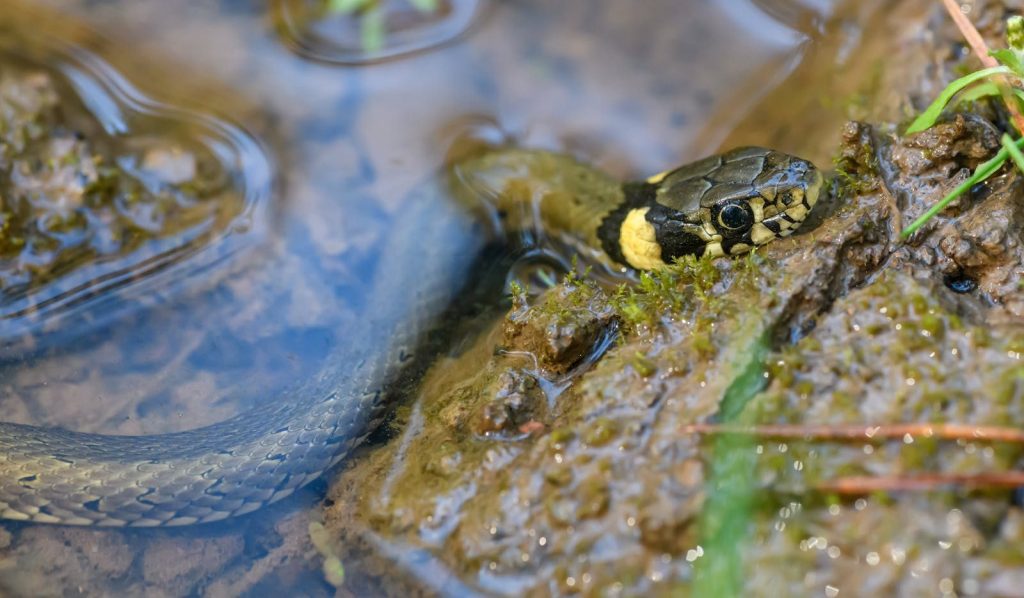
A detailed view of a grass snake partially submerged in water, showing its head and surrounding environment.
Photo by Petr Ganaj on Pexels

Snake activity around lakes tends to increase during warmer months when they are more active in hunting and breeding. Higher temperatures also bring them closer to the surface and shoreline.

This seasonal movement can make encounters more frequent for swimmers, anglers, and boaters. However, it does not necessarily mean there are more snakes overall, just that they are easier to spot.

Safety Around Lakes Comes Down To Awareness
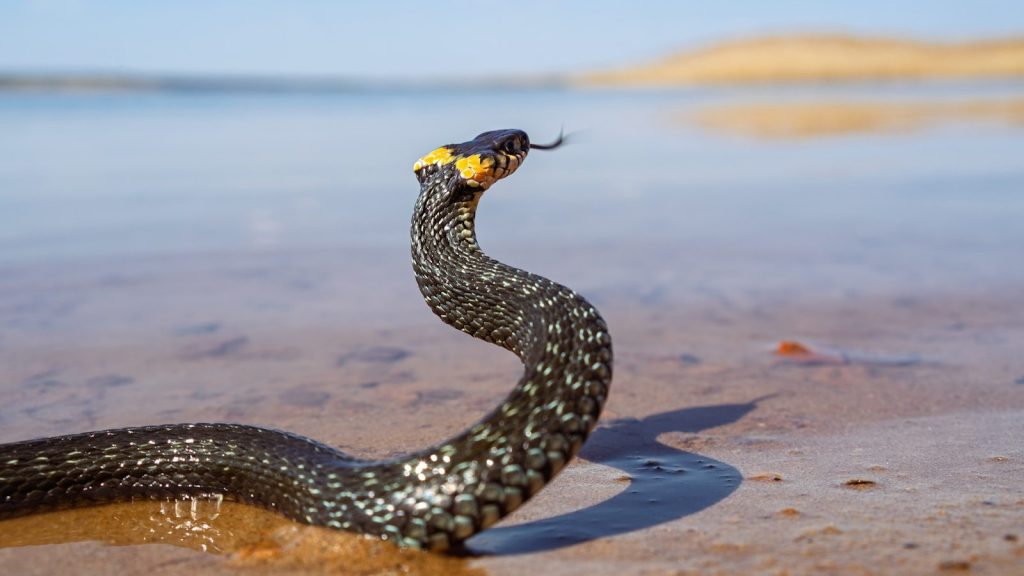
A grass snake with its tongue flicking near water
Photo by Yuriy Vertikov on Unsplash

Experts recommend simple precautions like watching where you step, avoiding tall grass near shorelines, and not reaching into hidden areas. Most snakes will retreat if given space and are not aggressive toward humans.

Respecting wildlife and staying aware of surroundings significantly reduces the risk of negative encounters. With basic caution, lake environments remain safe and enjoyable for outdoor activities.
Post navigation

Previous: The Most Feared Spider of the Americas and Its Hidden Reality
Next: What Really Happened to Harambe? The Viral Zoo Tragedy That Still Sparks Debate Years Later

Related Posts

otter, eat, nature, black and white, animal

The Japanese River Otter That Vanished From Reality But Lives On in Myth

June 10, 2026June 10, 2026 Jake
Stunning close-up of a bright blue viper coiled on a tree branch against a black background.

Rare Blue Coral Snake Stuns Experts With Electric Colors And Powerful Venom

June 10, 2026June 10, 2026 Jake
black and brown turkey on brown field during daytime

Wild Turkeys Are Thriving In Bay Area Neighborhoods But Their Origins Surprise Many Residents

June 10, 2026June 10, 2026 Jake

Leave a Reply Cancel reply

Your email address will not be published. Required fields are marked *

Recent Posts

  • The Japanese River Otter That Vanished From Reality But Lives On in Myth
  • Rare Blue Coral Snake Stuns Experts With Electric Colors And Powerful Venom
  • Wild Turkeys Are Thriving In Bay Area Neighborhoods But Their Origins Surprise Many Residents
  • What Really Happened to Harambe? The Viral Zoo Tragedy That Still Sparks Debate Years Later
  • Be Careful Around America’s Snake Heavy Lakes And What Research Reveals
Copyright All Rights Reserved | Theme: BlockWP by Candid Themes.