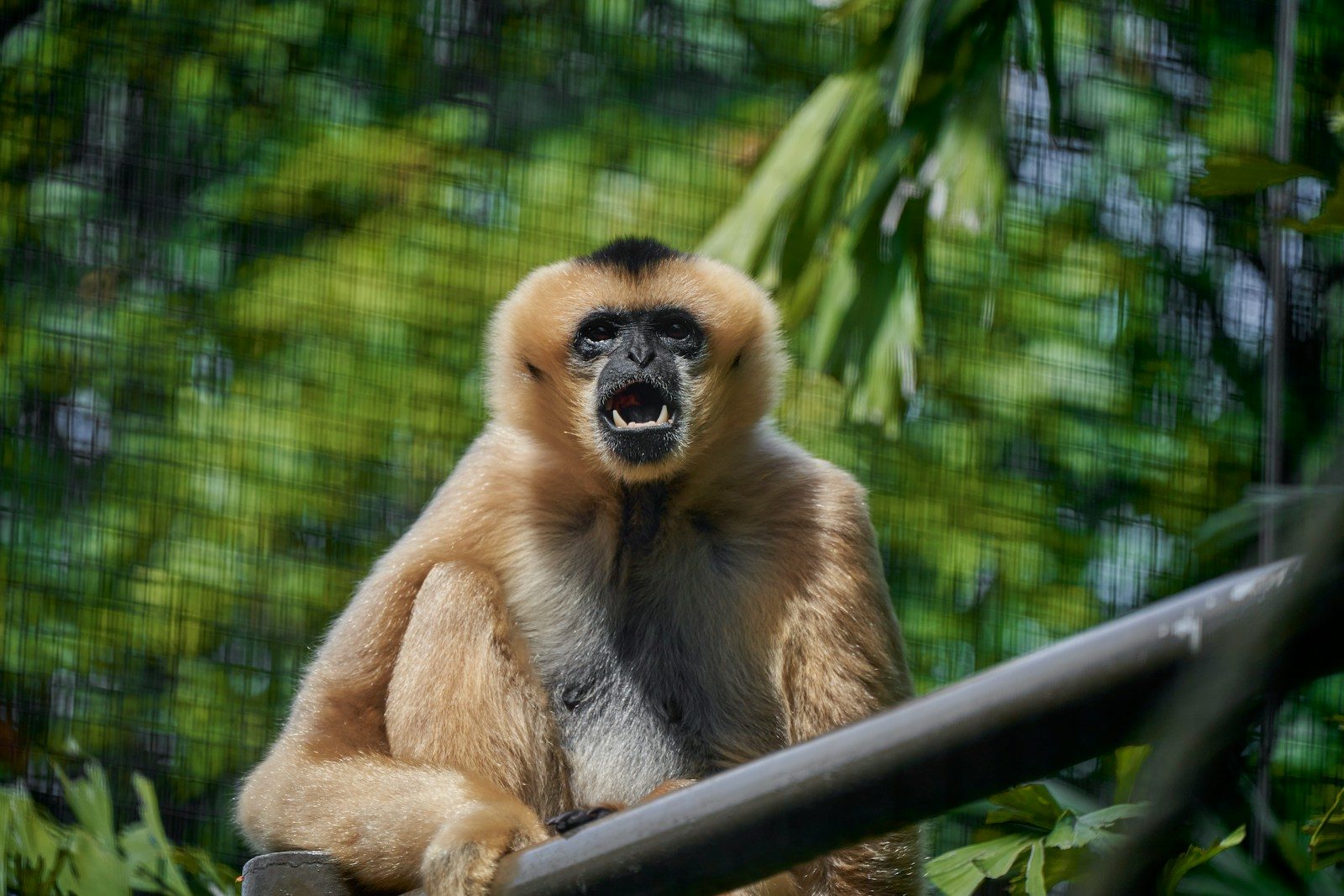
At one point, the future of the Hainan gibbon looked almost hopeless.
By 2003, this critically endangered primate found only on Hainan Island in the South China Sea had collapsed to just 13 known individuals in the wild. With such an extremely small population, scientists feared the species was heading toward inevitable extinction.
But then something unexpected happened.
Instead of disappearing, the population began to recover.
And today, researchers believe they may finally understand why.
A Mysterious Comeback No One Expected
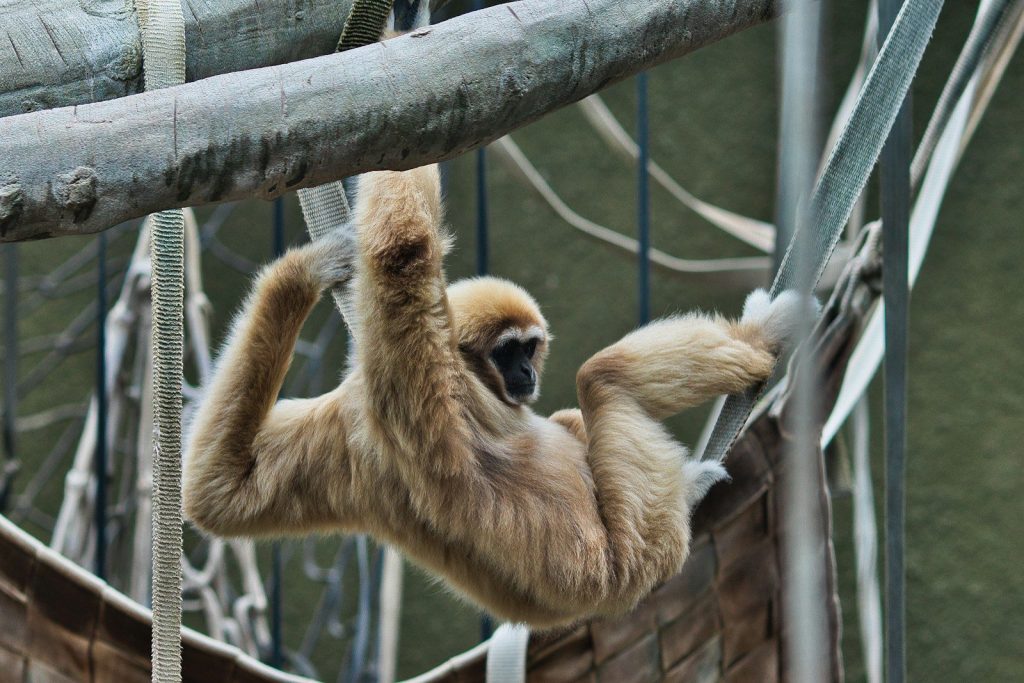
Over the past two decades, the Hainan gibbon population has slowly but steadily increased, rising from the edge of extinction to around 42 individuals in the wild.
For a species once thought to be on a direct path toward disappearance, the rebound has surprised conservationists and geneticists alike.
The recovery is especially unusual because small populations like this typically suffer from inbreeding, reduced genetic diversity, and harmful mutations that make long-term survival extremely difficult.
Yet the Hainan gibbons appear to be defying those expectations.
Why Scientists Expected the Species to Collapse
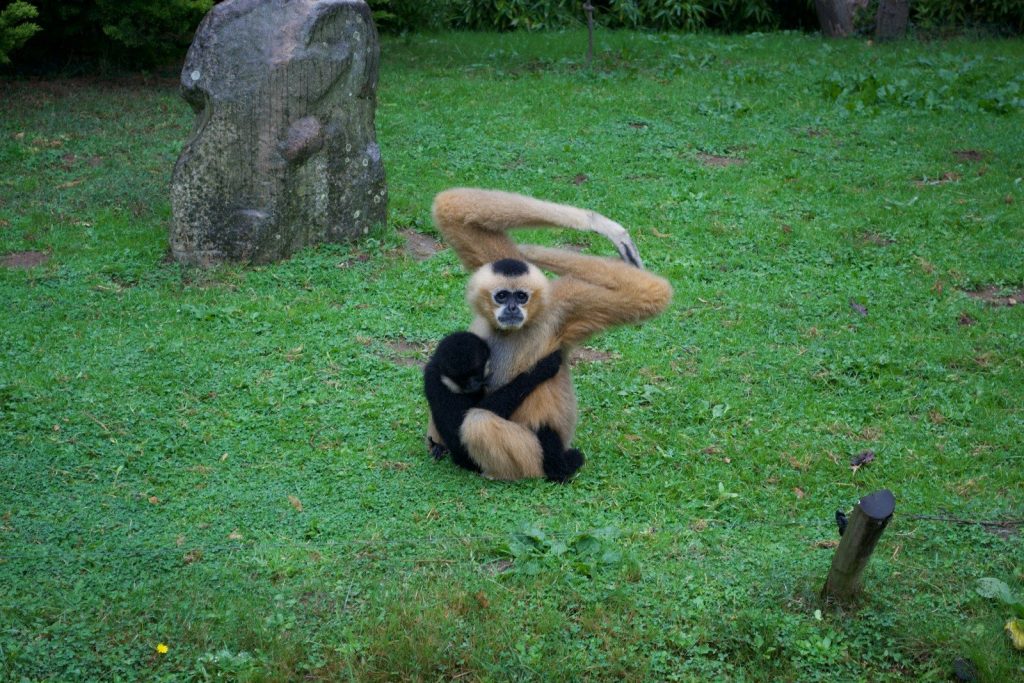
When populations shrink to extremely low numbers, genetic health usually declines rapidly.
This is because closely related individuals are more likely to reproduce, increasing the chance of inherited disorders and reducing overall adaptability.
In most cases, this creates a downward spiral known as a genetic bottleneck effect, where survival becomes progressively harder over generations.
For the Hainan gibbon, scientists expected the situation to worsen, not improve.
The Genetic Surprise Hidden in Their DNA
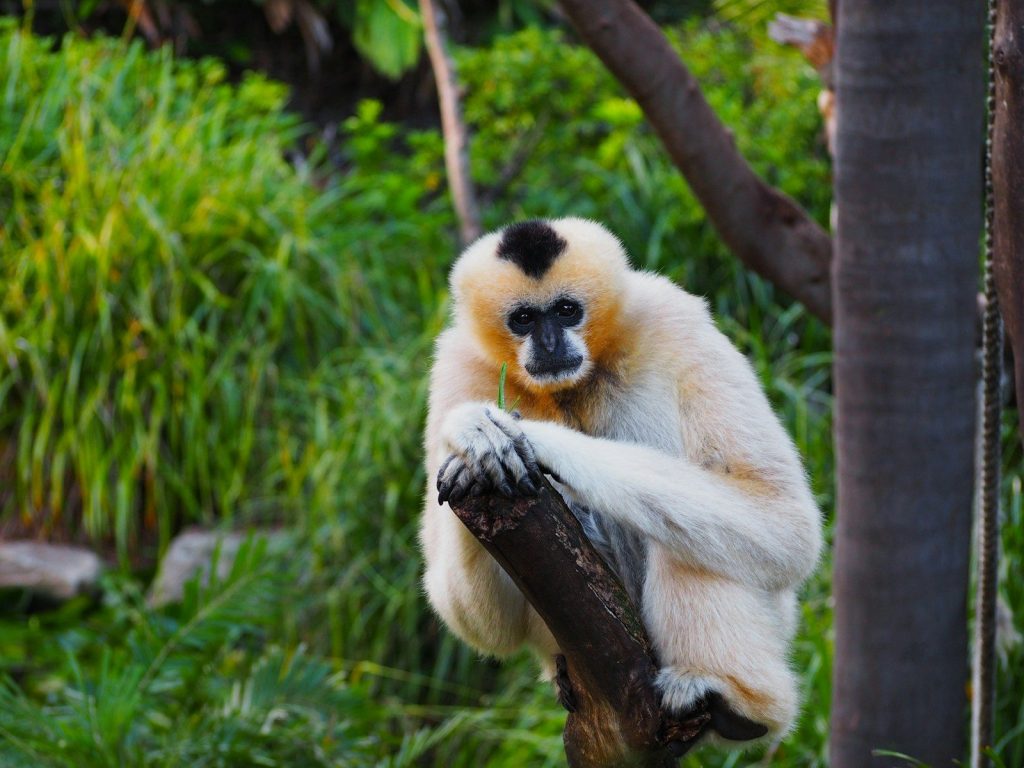
New research analyzing fecal samples from wild gibbons and historical museum specimens revealed something unexpected.
Instead of showing dangerously high levels of harmful mutations, the modern Hainan gibbons appear to have relatively low genetic load and surprisingly healthy genomic diversity.
Even more interesting, scientists found evidence of strong local genetic recombination and beneficial variations that may have helped stabilize the population.
This suggests the species may be far more resilient than previously believed.
A Possible Ancient Survival Advantage
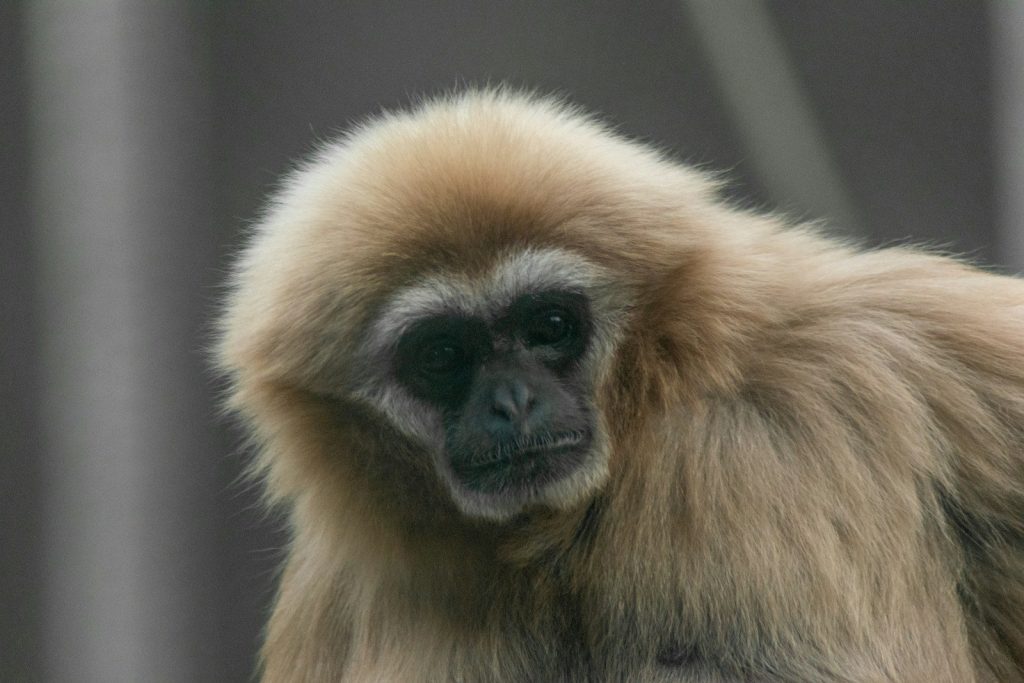
Researchers believe the explanation may go far back in time.
The Hainan gibbons likely went through a major population bottleneck during the Last Glacial Maximum, more than 20,000 years ago, when global temperatures were at their coldest during the last Ice Age.
After that period, the population may have slowly expanded for thousands of years.
During this long recovery phase, previously separated genetic lineages may have mixed together, strengthening the species’ overall genetic health.
This “genetic remixing” could have helped buffer the effects of later population crashes.
From Thousands of Gibbons to a Single Forest
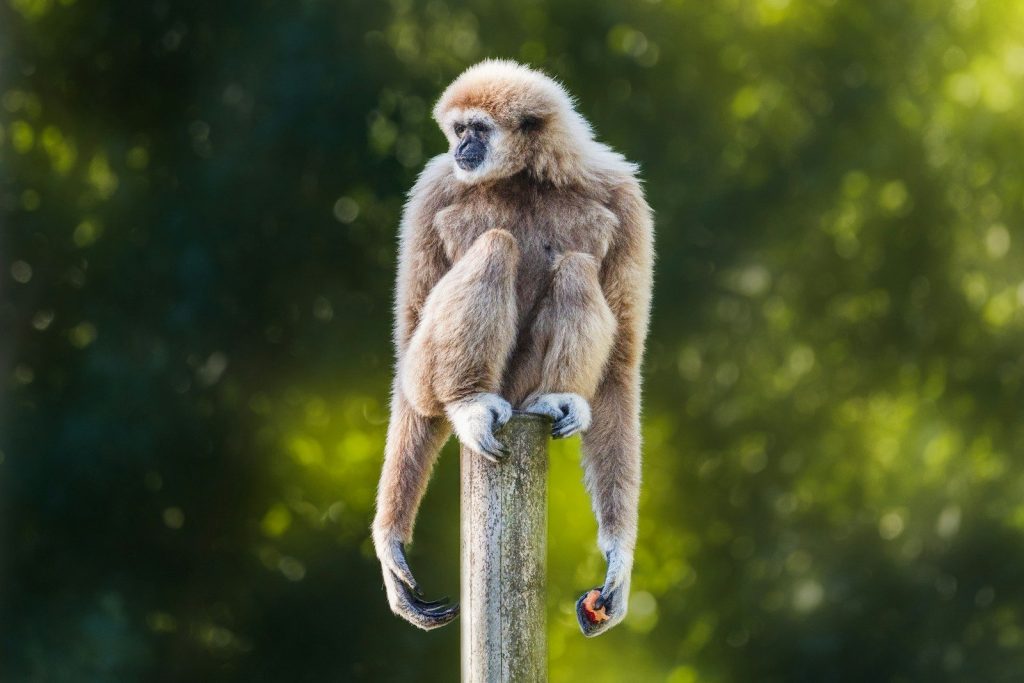
Not long ago, the species was far more widespread.
In the 1950s, an estimated 2,000 Hainan gibbons lived across the island. But rapid deforestation and hunting caused a dramatic collapse in numbers.
Today, nearly all remaining individuals survive in a single protected forest region within the Bawangling National Nature Reserve in Hainan Tropical Rainforest National Park.
This extreme isolation makes the species especially vulnerable, even with recent improvements.
Why Conservation Efforts Still Matter
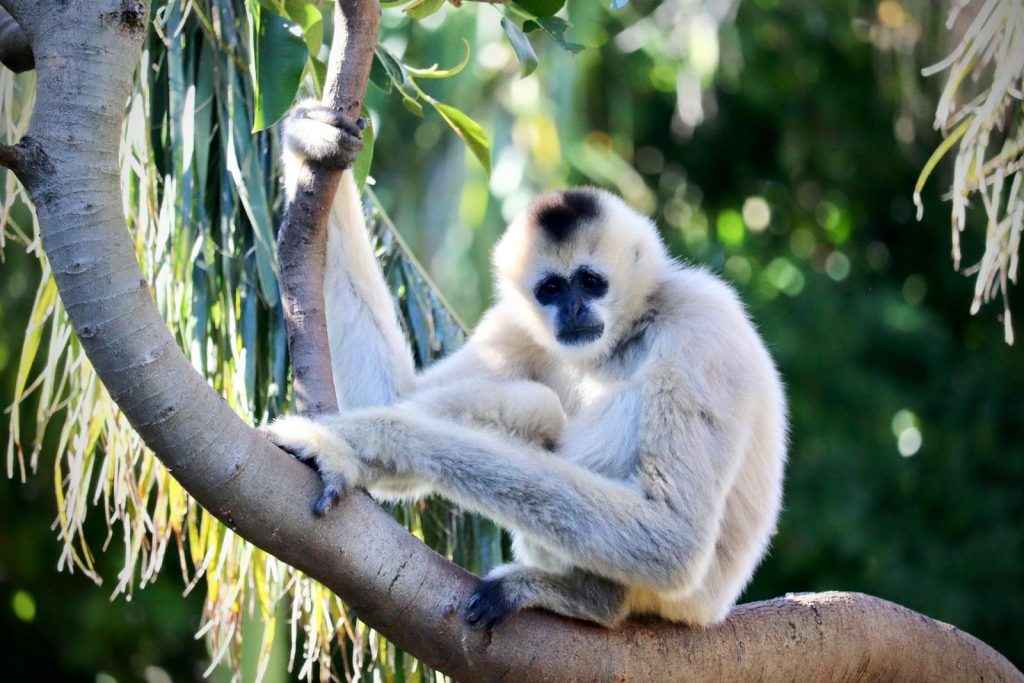
Despite the recent rebound, scientists emphasize that the Hainan gibbon remains one of the rarest primates on Earth.
Long-term survival depends heavily on continued conservation efforts, habitat protection, and minimizing human-wildlife conflict.
Even small disturbances could have a major impact on such a limited population.
Experts also note that the species plays an important ecological role, helping maintain forest balance through seed dispersal as they move through the canopy in search of fruit.
A Rare Success Story Still on the Edge
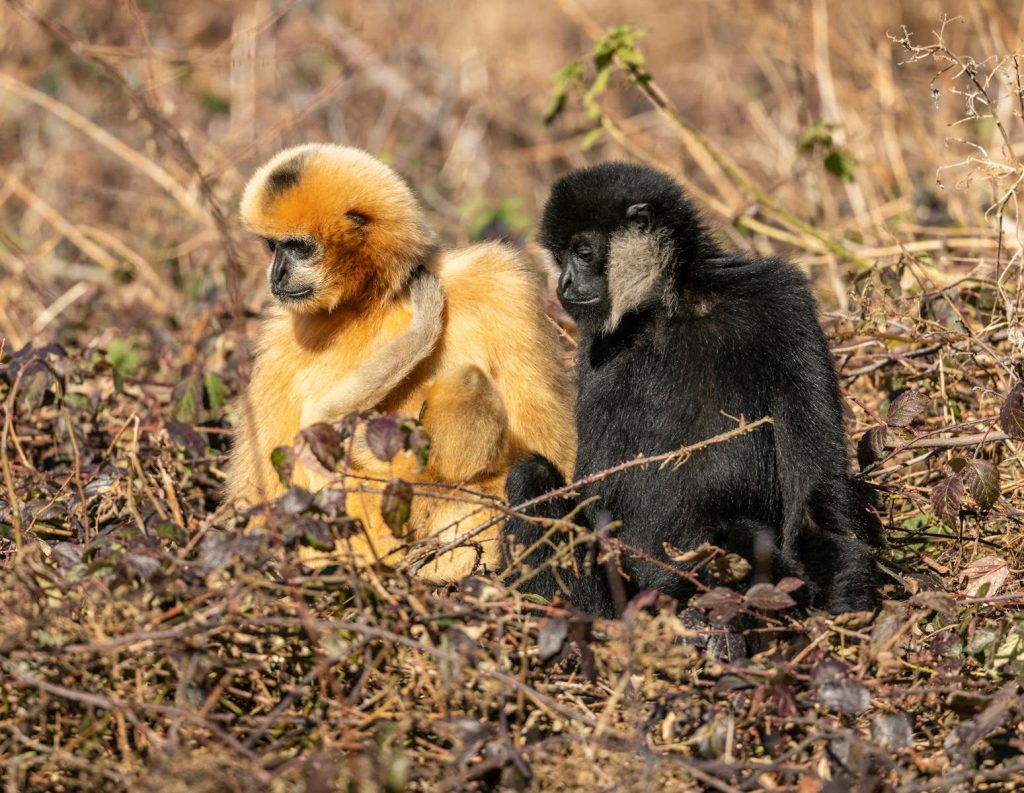
The recovery of the Hainan gibbon offers a rare glimpse of hope in global conservation efforts.
It shows that even species reduced to extremely small numbers can sometimes recover under the right ecological and genetic conditions.
But it also serves as a reminder that recovery is fragile.
With just a few dozen individuals remaining in the wild, the species is still critically endangered, and its future depends on sustained protection of the forest it calls home.