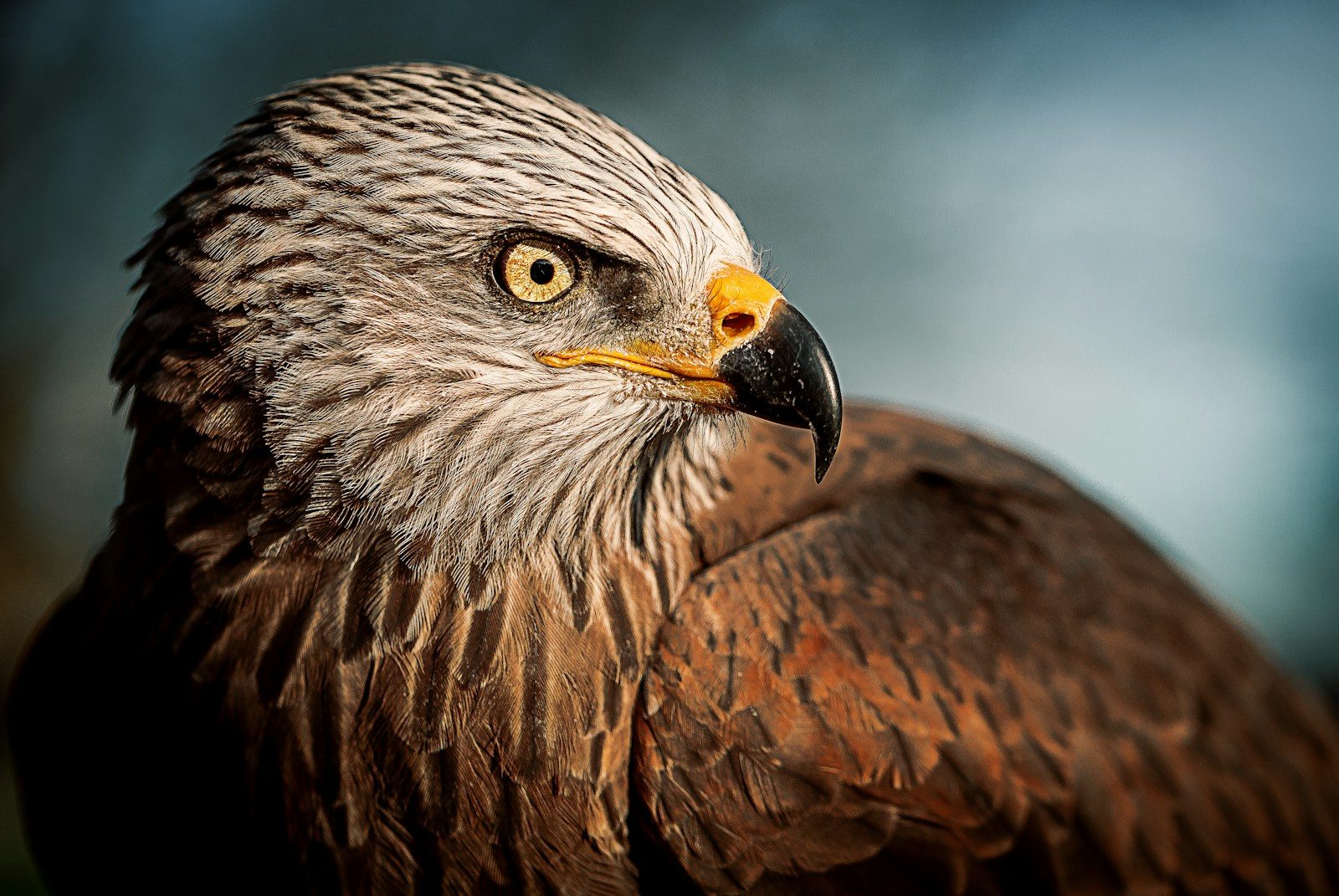
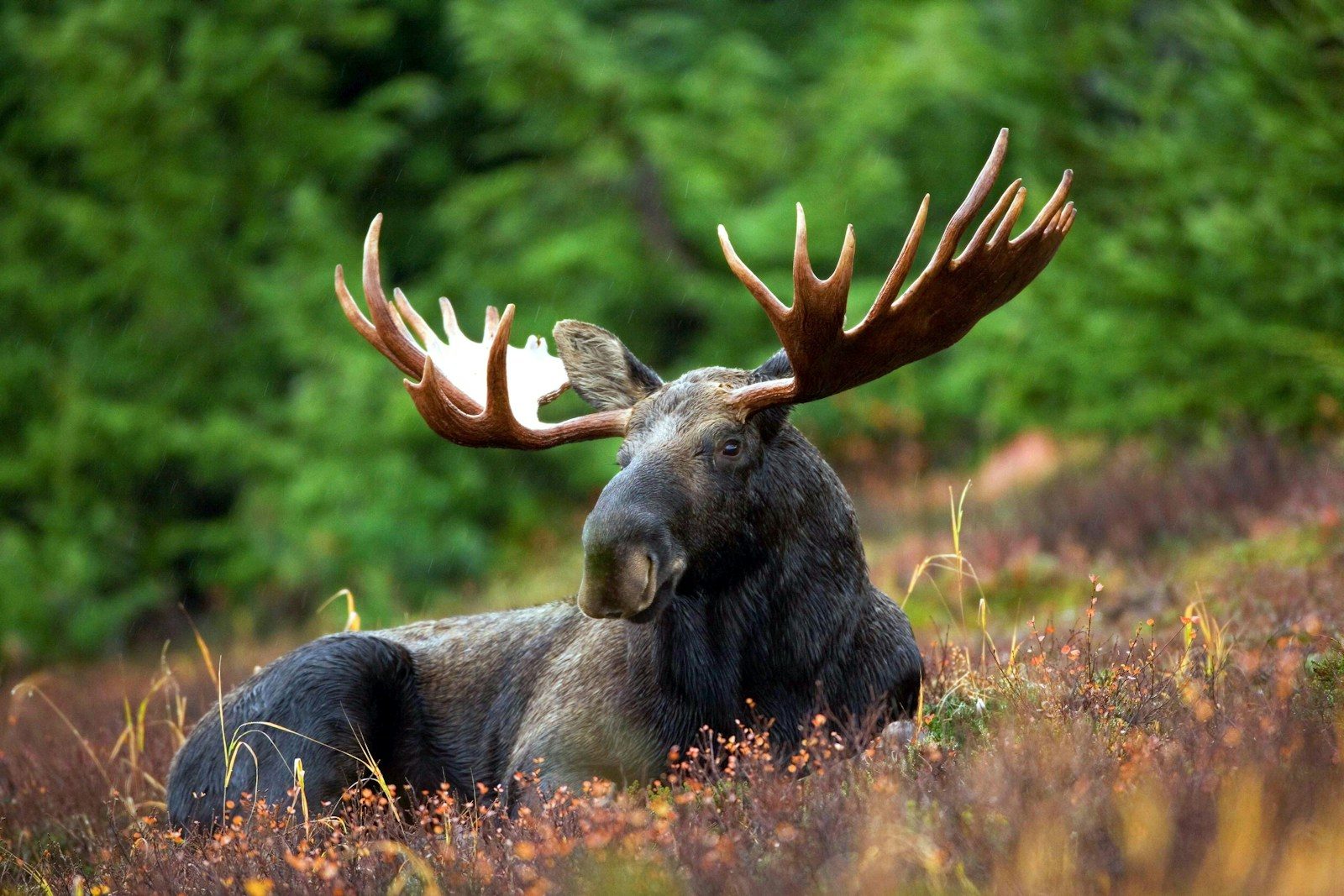
You do not need to grow up in a hunting family to become a hunter. More adults are discovering hunting later in life, drawn by the desire for ethical meat, outdoor adventure, and a deeper connection to nature.
For many beginners, hunting starts as curiosity but quickly becomes a lifestyle built around patience, skill, discipline, and respect for wildlife.
Why People Start Hunting Later in Life
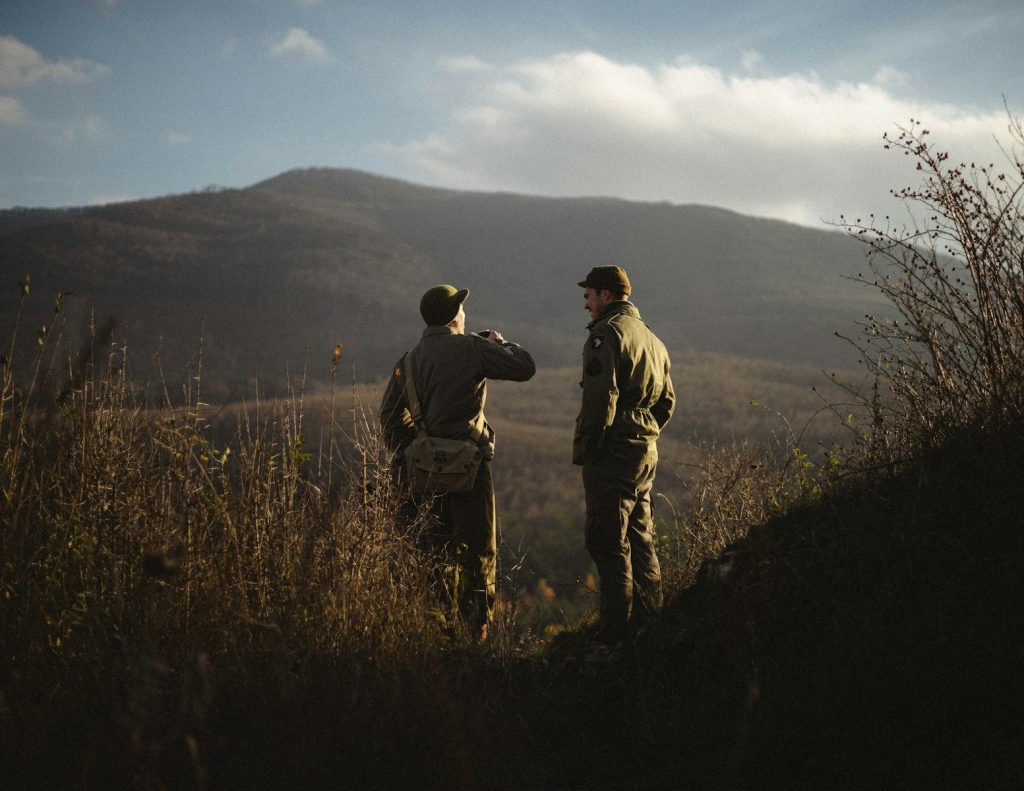
Many new hunters begin because they want to understand where their food comes from. Others are attracted to the challenge, self-reliance, and time spent in wild places away from modern distractions.
Hunting also creates a stronger connection between people, nature, and the responsibility involved in harvesting food ethically.
Hunting Requires More Time Than Most Expect

One of the biggest surprises for beginners is how much preparation hunting requires. Success often depends on months of practice, research, and scouting before the season even begins.
Hunters spend hours studying maps, checking regulations, practicing with weapons, and learning animal behavior long before entering the field.
Choosing the Right Animal to Hunt
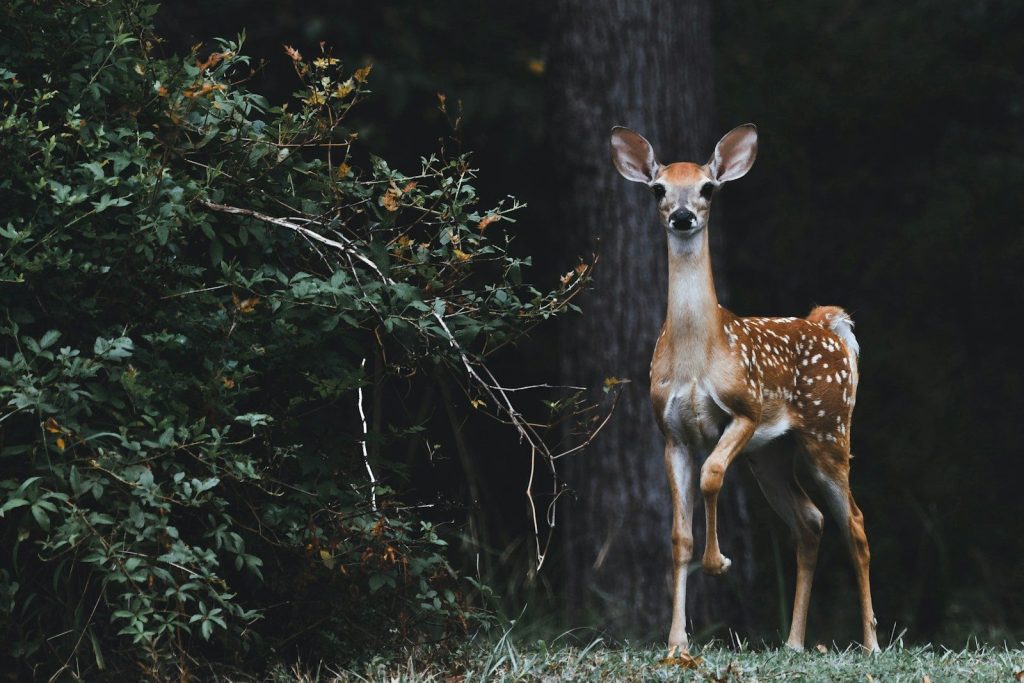
Different animals create completely different hunting experiences. Some hunters prefer mountain elk hunts, while others enjoy waterfowl marshes or quiet deer forests.
Beginners usually succeed faster when they choose an environment they genuinely enjoy, even during long stretches without seeing animals.
Understanding Your Hunting Weapon
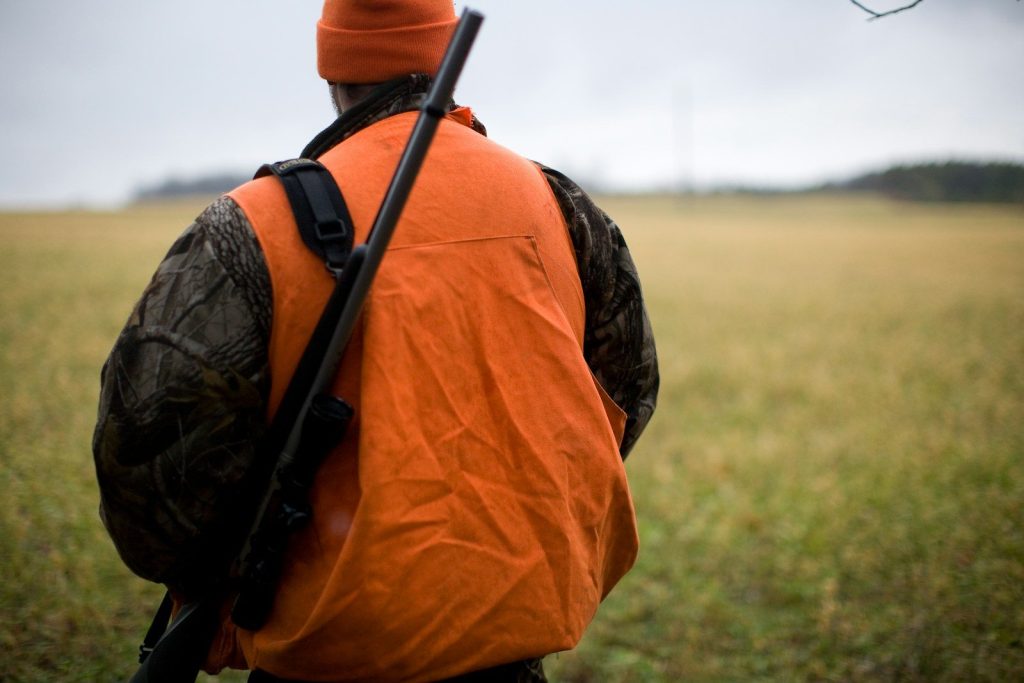
Most hunters choose between rifles, shotguns, muzzleloaders, or bows depending on the game and local regulations. Each weapon changes the hunting style completely.
Bow hunting demands close-range stealth and patience, while rifles allow hunters to engage animals from much greater distances.
Learning Animal Behavior Matters Most
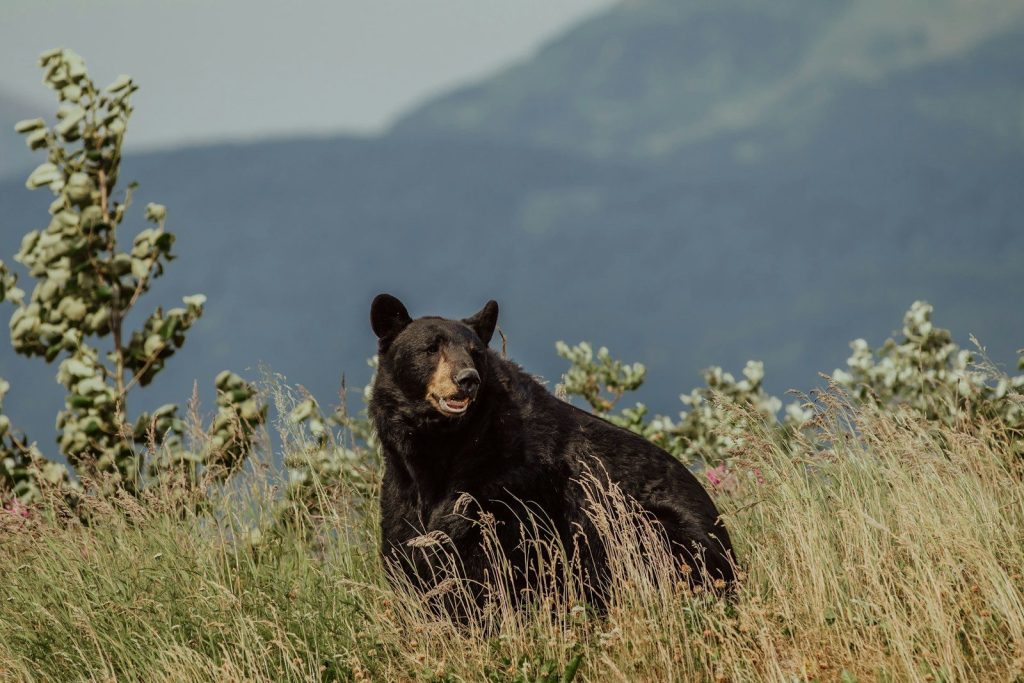
Successful hunters spend more time studying animals than actually shooting them. Understanding feeding areas, movement patterns, bedding zones, and seasonal behavior is critical.
Animals rarely behave exactly as expected, which is why adaptability becomes one of the most important hunting skills.
Hunting Is Physically and Mentally Demanding
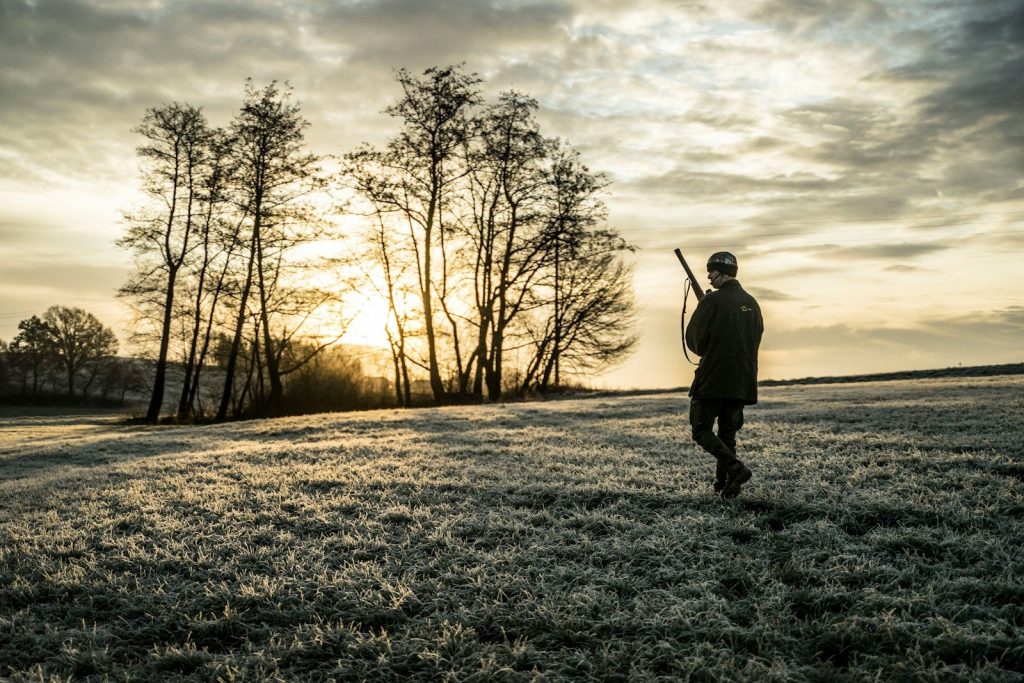
Hunting often involves hiking rough terrain, carrying heavy gear, enduring bad weather, and spending long hours waiting silently in uncomfortable conditions.
The challenge becomes even greater after a successful harvest, when hunters may need to process and carry large amounts of meat back through difficult terrain.
Hunter Safety and Regulations Come First
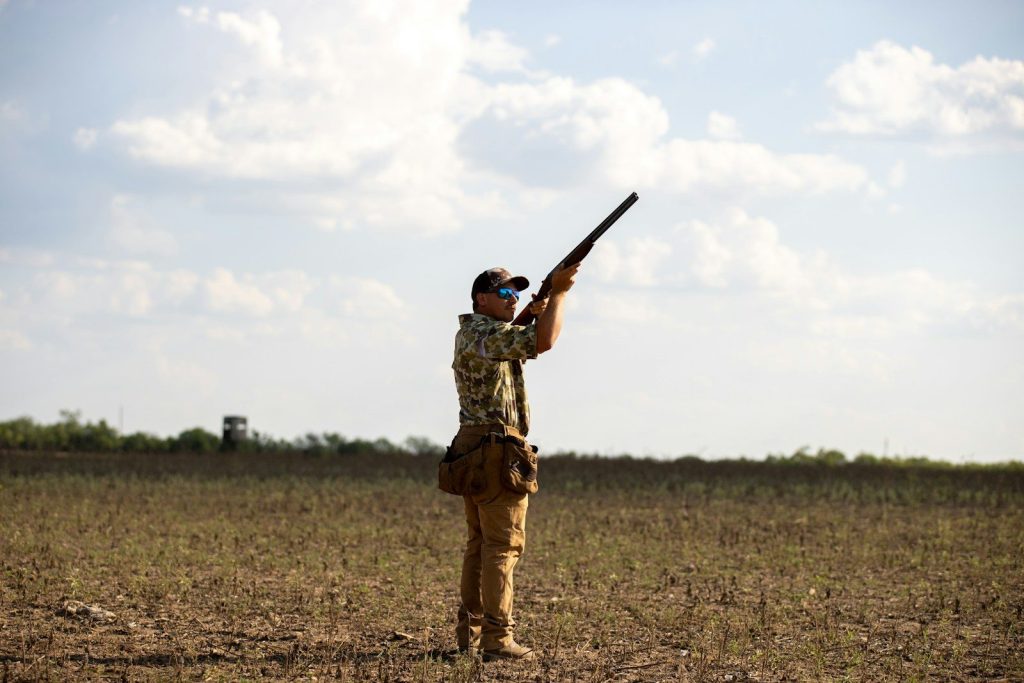
Every beginner hunter must complete safety education and understand local hunting laws before purchasing licenses or tags. Regulations vary heavily between states and species.
Ethical hunting depends on respecting seasons, limits, safe firearm handling, and responsible behavior in the field.
Why Mentors Make the Journey Easier
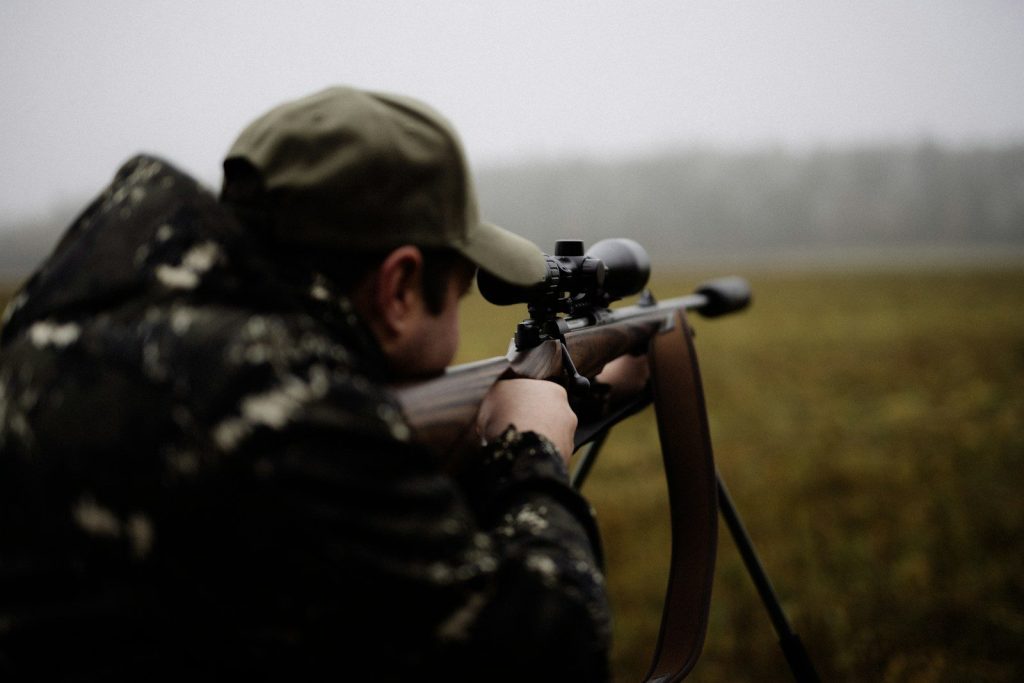
Learning from experienced hunters can dramatically reduce mistakes and speed up progress. Mentors often teach practical skills that are difficult to learn online.
Local hunting communities, outdoor shops, and conservation groups are common places where beginners connect with experienced hunters.
The Real Reward of Hunting
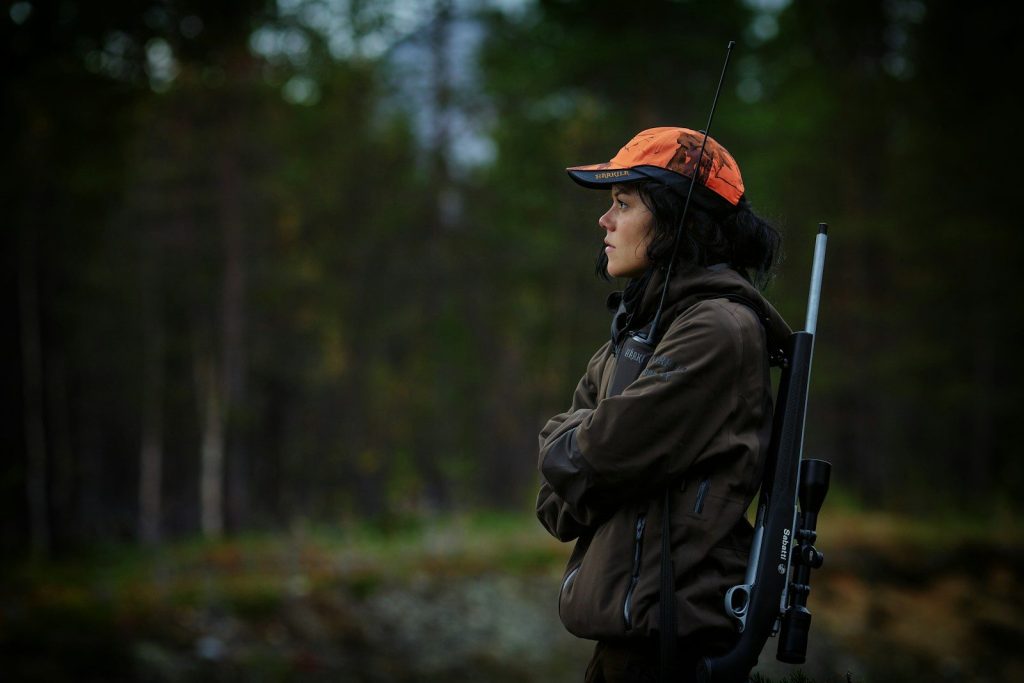
For many people, hunting becomes about far more than harvesting meat. Quiet mornings in forests, mountain sunrises, and close encounters with wildlife create unforgettable experiences.
The deeper connection to food, wilderness, and survival is often what keeps hunters returning to the outdoors season after season.