Spotting a baby fox curled up in your yard can seem alarming at first, but wildlife experts say the best response is often to stay calm and avoid interfering too quickly.
Young foxes are commonly left alone temporarily while their parents search for food nearby, and removing them too soon can actually do more harm than good.
Baby Foxes Are Often Not Abandoned
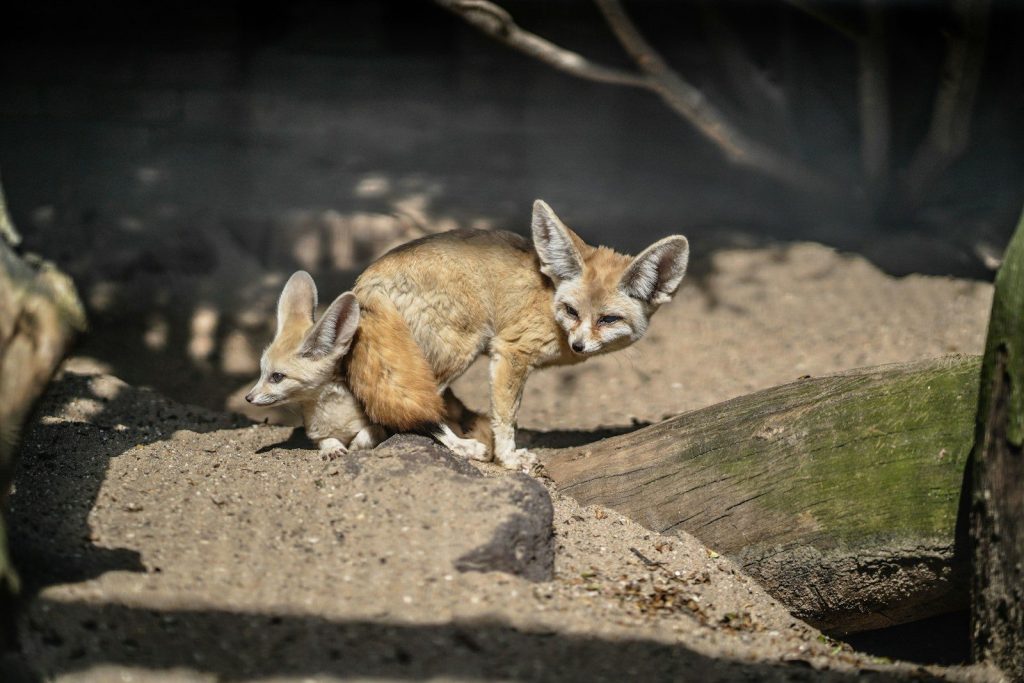
Wildlife rehabilitators explain that fox parents frequently leave their kits hidden for hours at a time during the day.
The babies usually remain quiet and still while waiting for adults to return. Finding a fox kit alone does not automatically mean it has been abandoned or injured.
In many cases, the parents are actively caring for it from a distance.
Observe From a Safe Distance First

Experts recommend watching the animal from far away before taking action.
If the baby fox appears healthy, alert, and uninjured, it is usually best to leave it where it is and monitor the area quietly. Human activity nearby may prevent the parents from returning.
Wildlife professionals generally advise avoiding direct contact unless the animal is clearly in danger.
Signs the Fox May Need Help

There are situations where intervention may be necessary.
A baby fox could require professional assistance if it appears weak, injured, extremely thin, covered in flies, unable to move properly, or if it has remained in the same location for an unusually long period without signs of parental return.
Constant crying or obvious wounds may also indicate distress.
Never Try To Raise a Wild Fox Yourself

Even small fox kits are still wild animals and should not be treated as pets.
Handling them improperly can cause stress, injuries, or disease transmission. In many places, keeping wild foxes without permits is also illegal.
Wildlife experts strongly recommend contacting licensed rehabilitators instead of attempting to feed or care for the animal yourself.
Keep Pets and Children Away

If a baby fox is resting in your yard, it is important to keep dogs, cats, and small children at a distance.
Domestic animals may accidentally injure the fox or scare away its parents. Foxes themselves may also bite if frightened or cornered.
Giving the animal space helps reduce stress and increases the chances of successful reunification with its family.
Contact Wildlife Professionals If Necessary

If you believe the fox is truly orphaned or injured, the safest step is to contact a local wildlife rescue organization, rehabilitator, or animal control agency for guidance.
Professionals can properly assess the situation and determine whether the animal needs medical treatment or relocation.