For two decades, Vietnam’s Pu Hoat Nature Reserve in Nghe An province was described by conservationists as a place suffering from “empty forest syndrome.” It was a landscape that looked intact but was eerily quiet. Large predators such as tigers, leopards, and golden jackals had vanished from official records, leaving behind a forest missing its top hunters.
That silence was exactly what researchers Tuấn Anh Nguyễn and Andrew Tilker set out to investigate using camera traps placed near the Laos border. What they captured instead changed Vietnam’s conservation history.
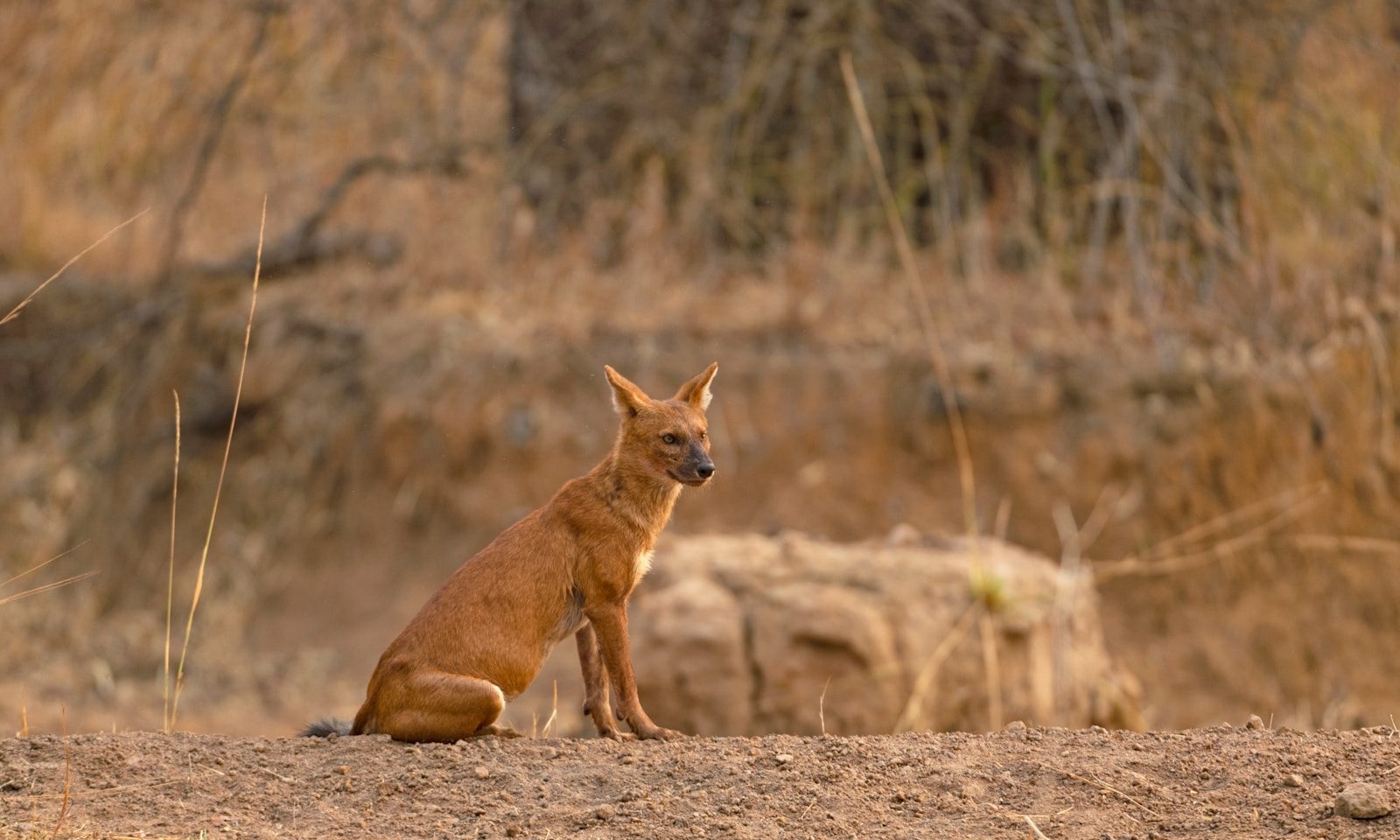
In late 2023, a single camera trap photographed an adult dhole, also known as the Asiatic wild dog, moving through the forest only a few miles from Laos. The species had not been officially documented in Vietnam for around 20 years. The image was so unexpected that it required verification by multiple scientists before being confirmed.
When the finding was later published in 2026, it officially returned the dhole to Vietnam’s recorded wildlife list and reignited hope for the species.
A Predator Thought Lost in Vietnam
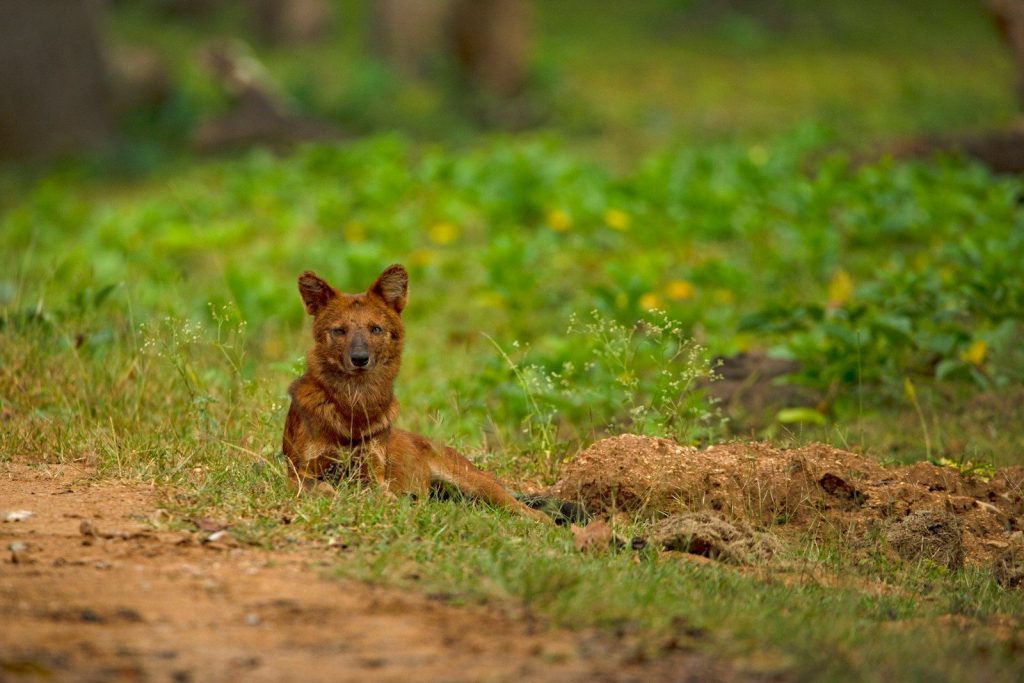
Before this discovery, conservation databases such as the IUCN Red List considered the dhole locally extinct in Vietnam. The new image did not confirm a full population, but it did prove the species had not completely disappeared. Researchers describe two possibilities. The animal may have been a lone wanderer crossing from Laos, or it may be part of a small, undetected group surviving deep in the forest.
At this stage, there is no evidence of a stable breeding population, but the discovery confirms that the habitat can still support the species.
What Makes the Dhole So Unique
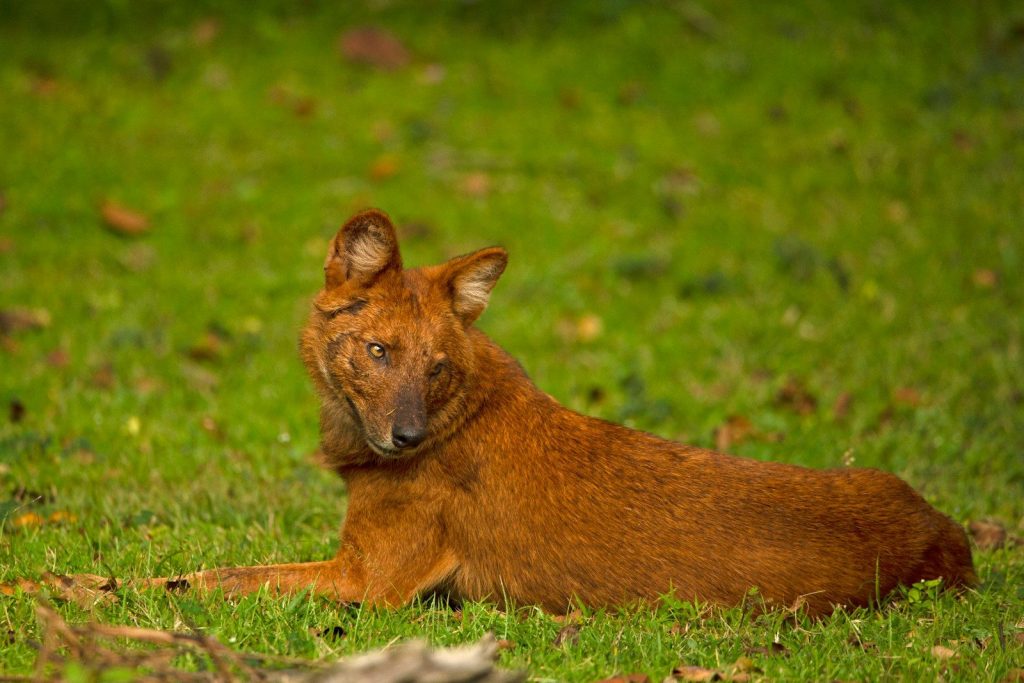
The dhole is one of Asia’s most unusual wild predators. It is roughly the size of a German shepherd but has a slimmer build, shorter muzzle, and a distinctive reddish coat that varies by region. Unlike many wild canines, dholes are highly social. They live in cooperative packs that hunt, feed, and raise young together. Only one breeding pair typically leads reproduction, while the rest of the pack helps care for the young. Their communication is equally distinctive.
Dholes use whistles, screams, and chirping sounds to coordinate movement through dense forest, earning them the nickname whistling dogs.
From Widespread Predator to Regional Survivor
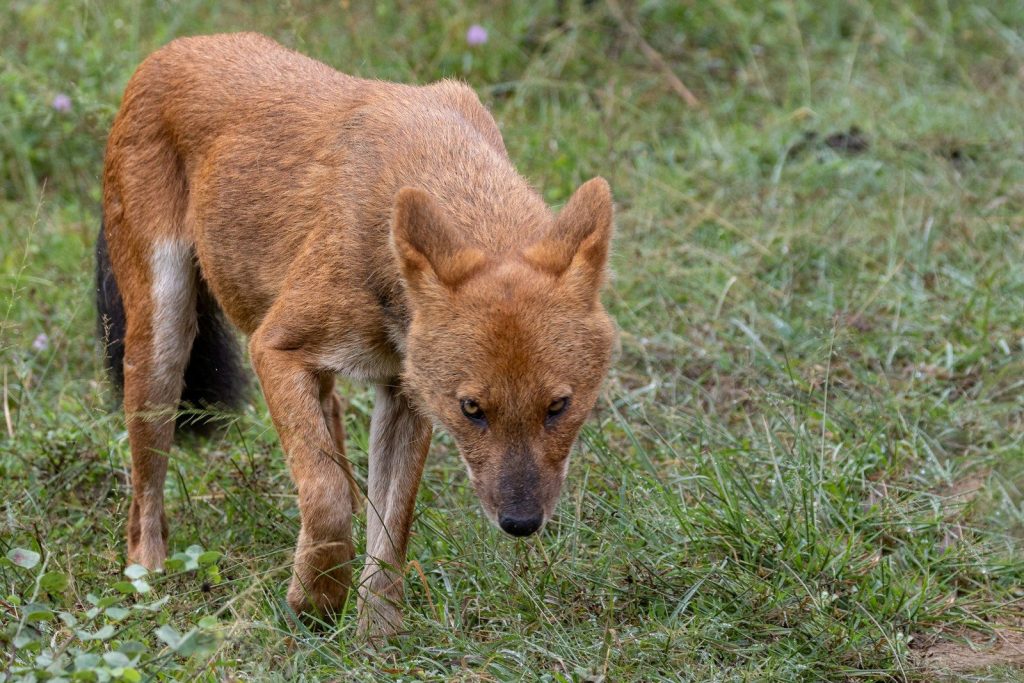
Historically, dholes ranged across much of Asia. Today, they have disappeared from more than three quarters of their original range. Only small, fragmented populations remain across a few countries. Researchers estimate that only around 950 to 2000 mature individuals remain in the wild. Their decline is driven by habitat loss, prey decline, persecution, and disease. One major issue is misunderstanding.
Because dholes are rarely seen, some communities believe they are still common, which has led to conflict and reduced protection.
The Threats Driving the Dhole Toward Extinction
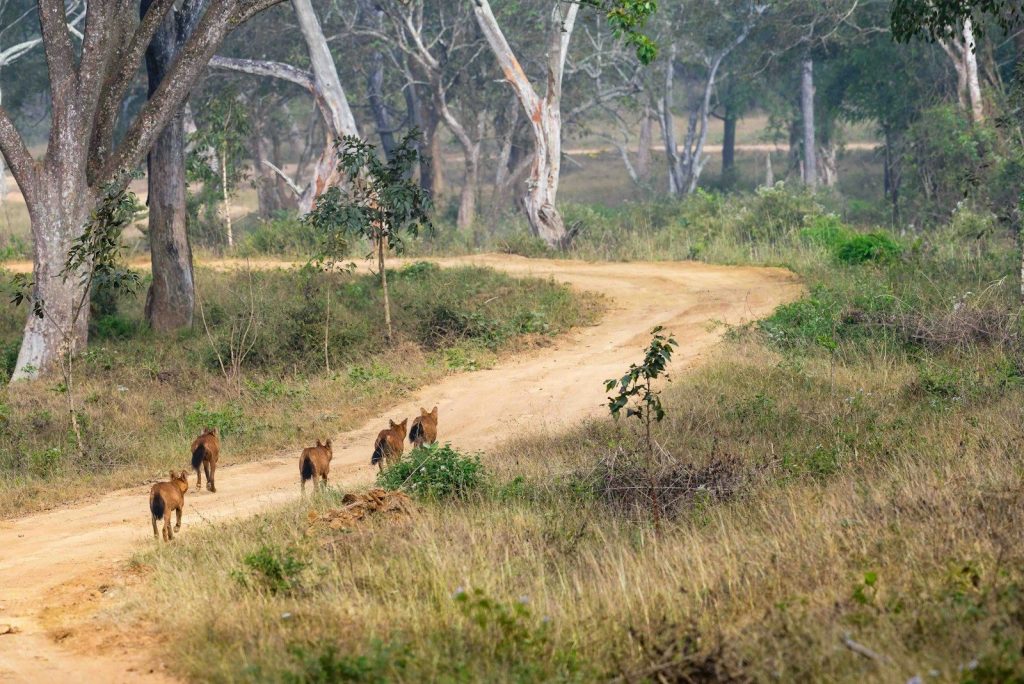
The biggest danger in Vietnam is industrial scale snaring. Thousands of wire traps are placed in forests to catch wildlife indiscriminately, killing nearly any animal that steps into them. For dholes, this is devastating. They are wide ranging hunters that rely on movement through forest terrain. Snares also reduce their prey base, leaving them with less food. As prey disappears, dholes may move closer to human settlements, increasing conflict with people.
Disease is another major threat, with rabies and canine distemper capable of wiping out entire packs.
Why This Single Sighting Matters
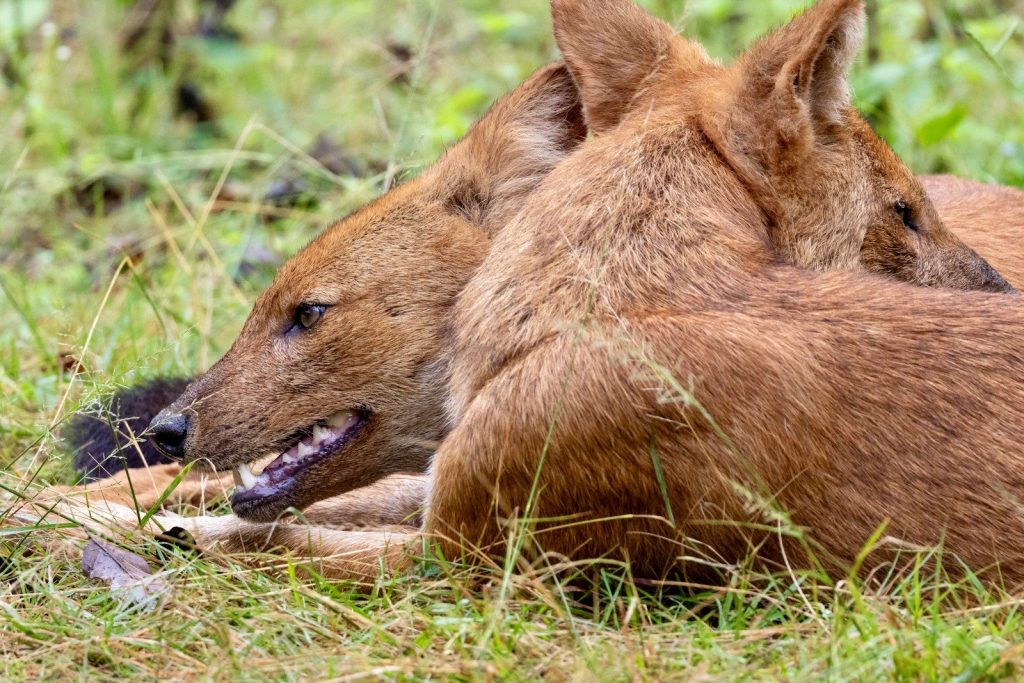
Even one confirmed sighting carries ecological importance. Dholes are apex predators that help regulate herbivore populations like deer and wild boar, preventing overgrazing and supporting forest regeneration. Without them, ecosystems become unbalanced. Smaller predators may increase, putting pressure on birds, reptiles, and small mammals.
The rediscovery suggests Pu Hoat may still function as a wildlife corridor connecting fragmented habitats.
Can the Dhole Still Be Saved

Conservationists believe recovery is still possible, but only with immediate action. Dholes do not require captive breeding programs. Their survival depends on habitat protection, prey recovery, and removal of snares. Scientists now use camera traps, genetic analysis of scat, and AI based acoustic monitoring to track them without disturbance.
However, experts stress that technology alone is not enough. Long term survival depends on stronger enforcement, community involvement, and coordinated conservation across the region.