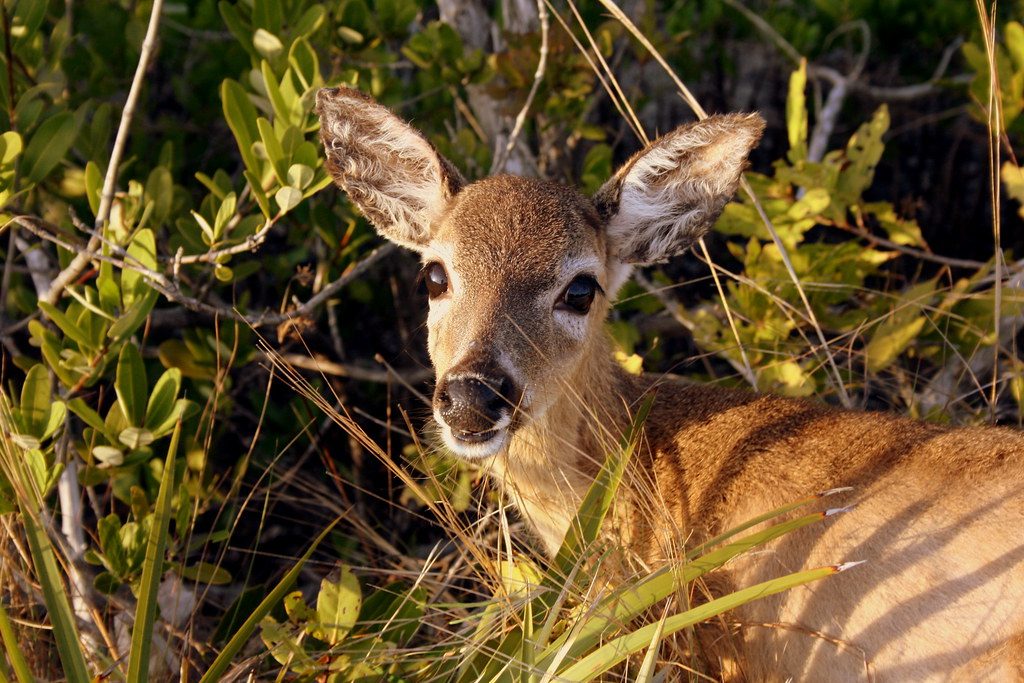
The Key deer is one of North America’s rarest and most unique animals. Living only in the Lower Florida Keys, this miniature subspecies of white-tailed deer has survived near extinction and now exists in a fragile balance with humans, nature, and rising environmental threats.
The Smallest Deer in North America
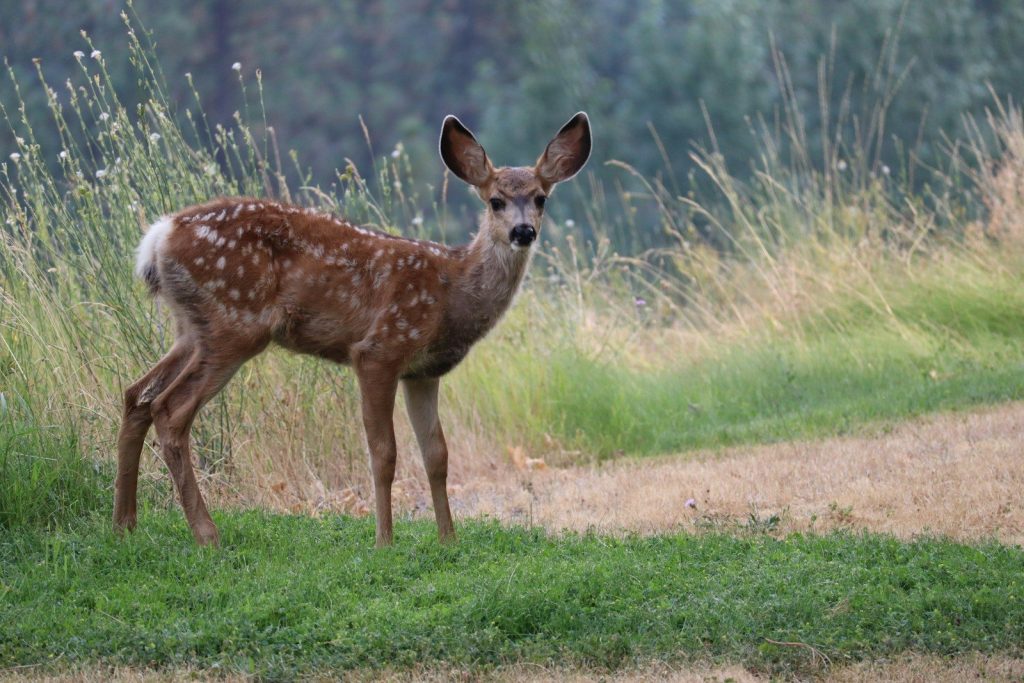
The Key deer is a subspecies of white-tailed deer found only in a small part of the Florida Keys. Over thousands of years of island isolation, it evolved into a much smaller form than its mainland relatives.
Adult Key deer typically stand about 30 inches tall at the shoulder and weigh far less than regular deer. Despite their size, they still have the same features as other deer, including slender legs, large ears, and the iconic white tail flash.
A Population Found Nowhere Else on Earth
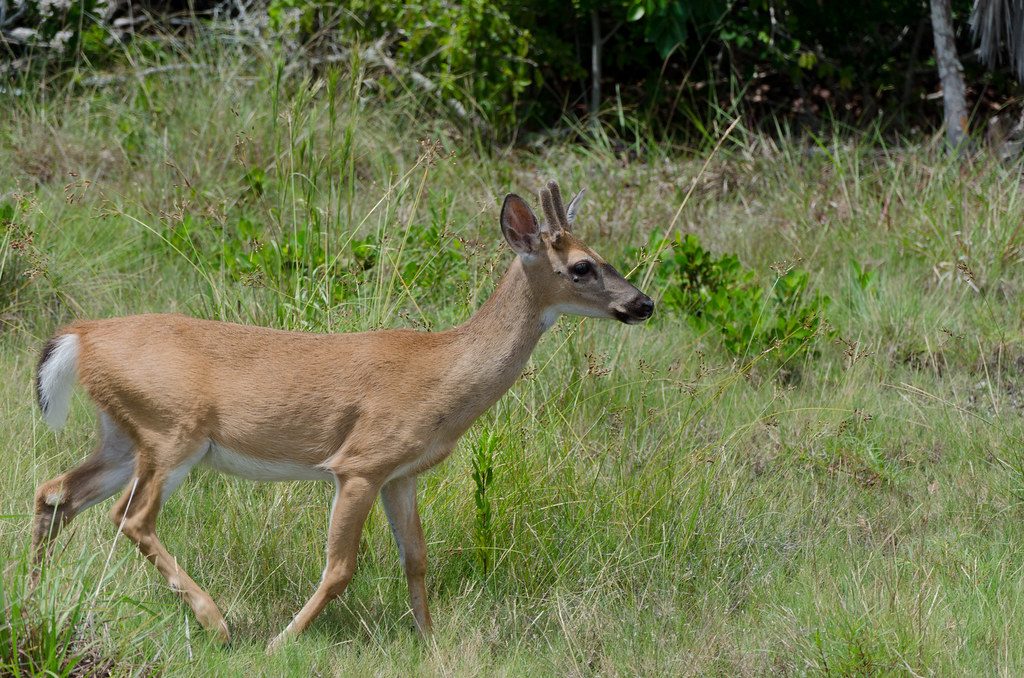
Today, Key deer are mainly found on Big Pine Key and nearby islands. Their entire survival depends on a very limited geographic area, making them especially vulnerable to environmental changes.
The National Key Deer Refuge, established in 1957, protects much of their remaining habitat. This refuge plays a critical role in preserving both the deer and the ecosystems they depend on.
A Near-Extinction Comeback Story
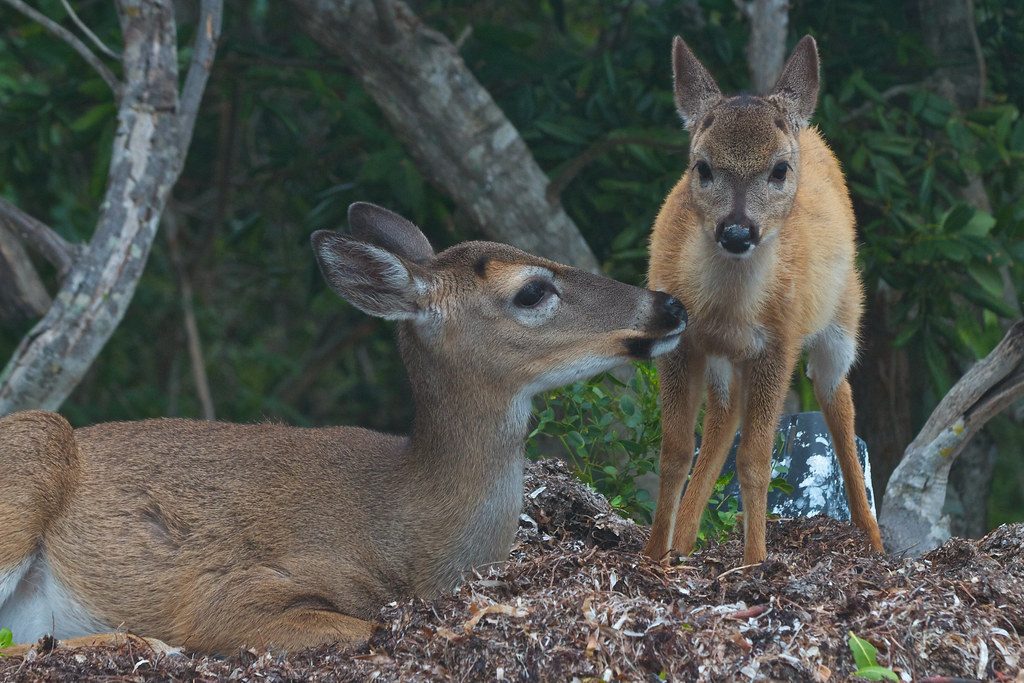
By the mid-20th century, Key deer were dangerously close to disappearing. Unregulated hunting and habitat loss reduced their population to just a few dozen individuals, with some estimates suggesting fewer than 30 remained.
Conservation efforts and legal protection helped the species recover. Over time, their numbers slowly increased, reaching several hundred individuals thanks to protected land and management programs.
Life in a Fragile Island Ecosystem
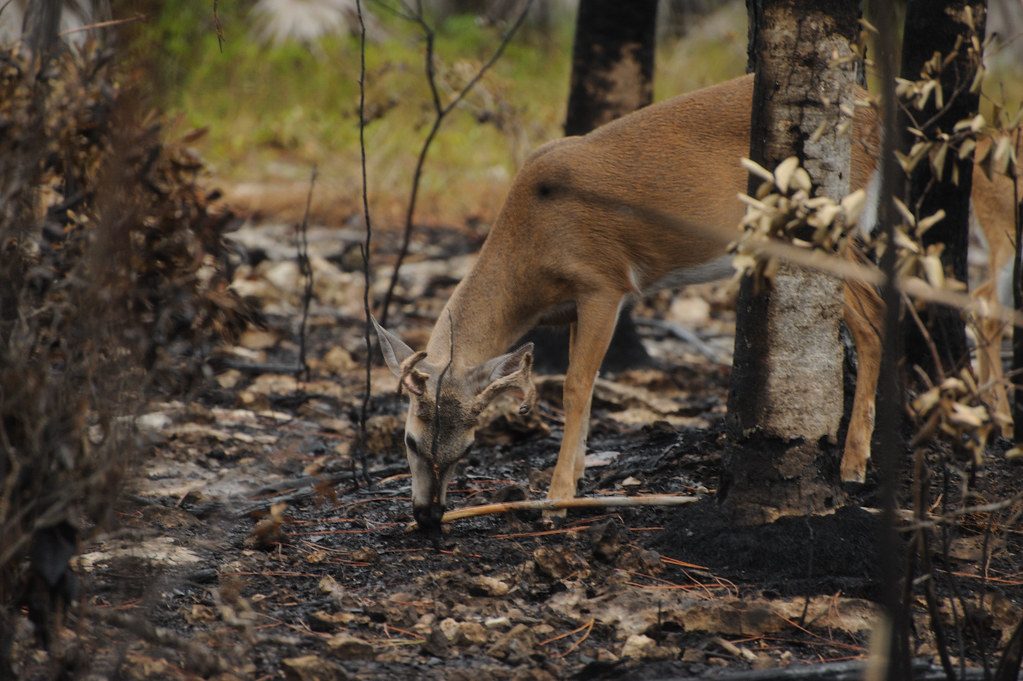
Key deer live in a variety of habitats including pine rocklands, mangroves, and tropical hardwood forests. Freshwater is limited, so they rely on natural water pockets and human-made sources during dry periods.
They feed on more than 150 plant species, including leaves, fruits, and mangrove vegetation. However, their adaptability also brings them into closer contact with human neighborhoods.
Roads Are Their Biggest Threat

One of the leading dangers to Key deer is vehicle collisions. U.S. Highway 1 runs directly through their habitat, creating constant risk as deer move across the islands.
Despite warning signs, reduced speed limits, and wildlife crossings, accidents still occur. Because the population is small, even a few deaths can have a major impact on long-term survival.
Disease, Storms, and Climate Pressure

Key deer have also faced serious threats from disease outbreaks such as the New World screwworm, which killed more than 100 deer in 2016. Emergency intervention helped stop the spread, but the event highlighted their vulnerability.
Hurricanes and rising sea levels add further pressure. Flooding and habitat loss can reduce access to food and freshwater, forcing deer into more dangerous areas near humans and roads.
Living Alongside Humans
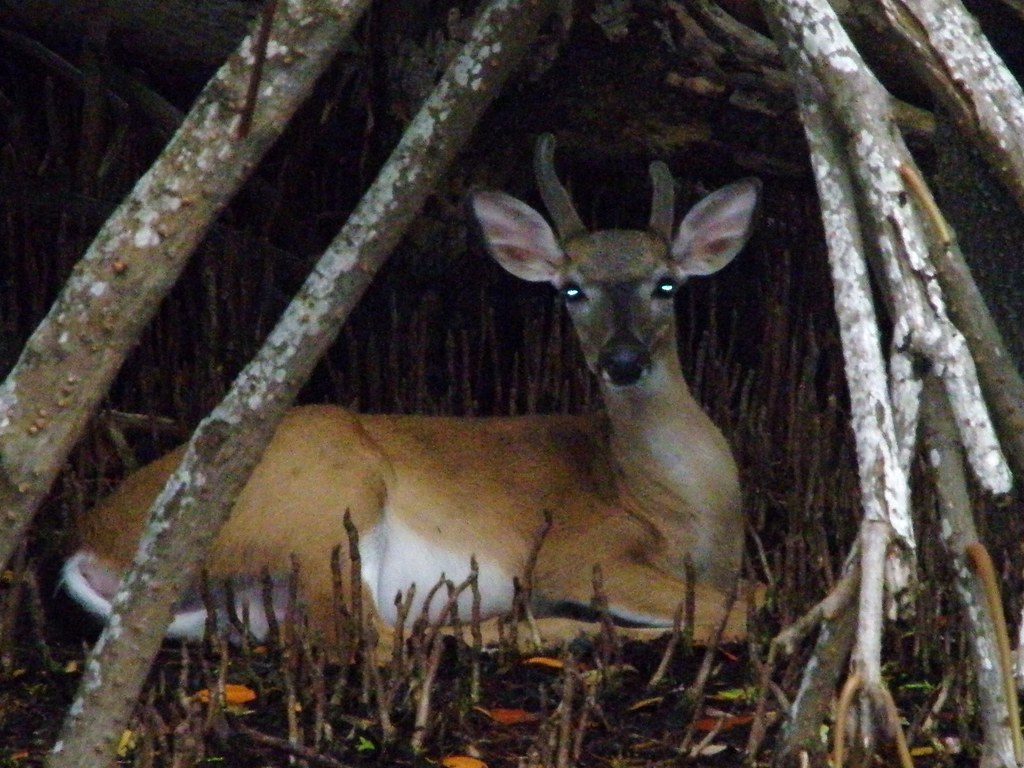
Although Key deer often appear tame, feeding them is illegal and harmful. Human food changes their behavior, making them more likely to approach roads and lose their natural instincts.
Conservation groups emphasize keeping a safe distance and respecting their wild nature. Public awareness and responsible behavior are key to ensuring their survival.