Lions are often known as the kings of the savanna, but their true advantage appears when the sun goes down. In the dark, they become far more effective hunters than most other animals, relying on vision that is specially adapted for low light environments. This ability allows them to move, track prey, and coordinate hunts with remarkable precision during nighttime hours.
Lions Are Built for Low Light Survival
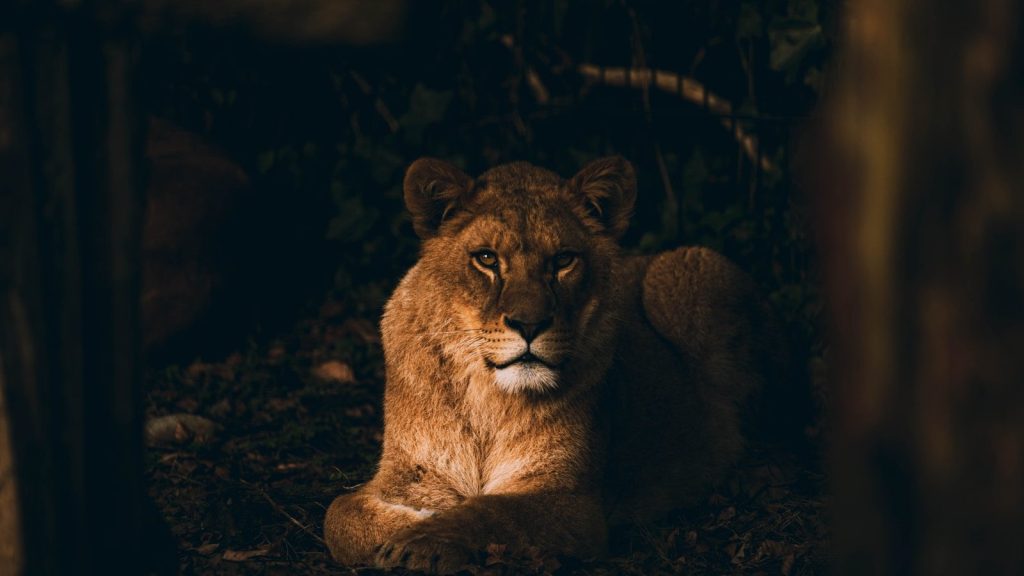
A lion’s eyes are significantly more sensitive to dim light than human eyes. This allows them to see much better during dusk, night, and early dawn when many of their prey species are active.
This advantage is especially important because many animals in the savanna struggle to see clearly in the dark. As a result, lions can use nighttime conditions to hunt more effectively while remaining less visible themselves.
The Role of Rod Cells in Night Vision
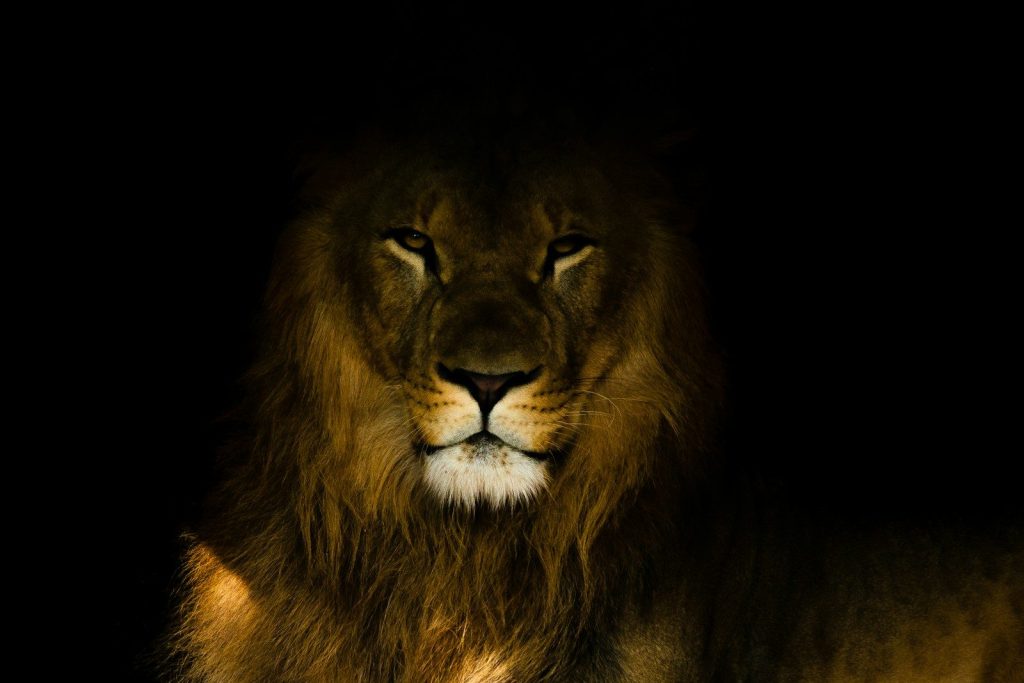
Inside a lion’s eyes are large numbers of rod cells, which are specialized for detecting light in low visibility conditions. These cells are far more sensitive than cone cells, which are responsible for color vision.
Because lions rely heavily on rod cells, their color vision is reduced compared to humans. However, this tradeoff allows them to detect movement and shapes more clearly in near darkness, which is essential for hunting.
The Tapetum Lucidum Effect
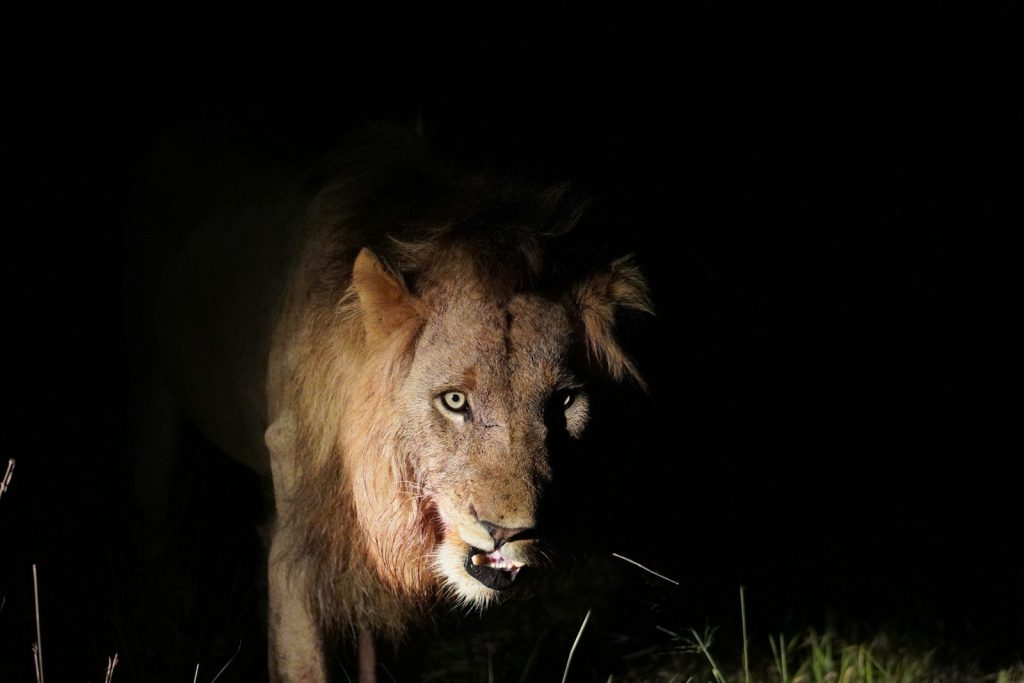
One of the most important features of a lion’s eye is a reflective layer called the tapetum lucidum. This layer sits behind the retina and reflects light that passes through the eye back into it a second time.
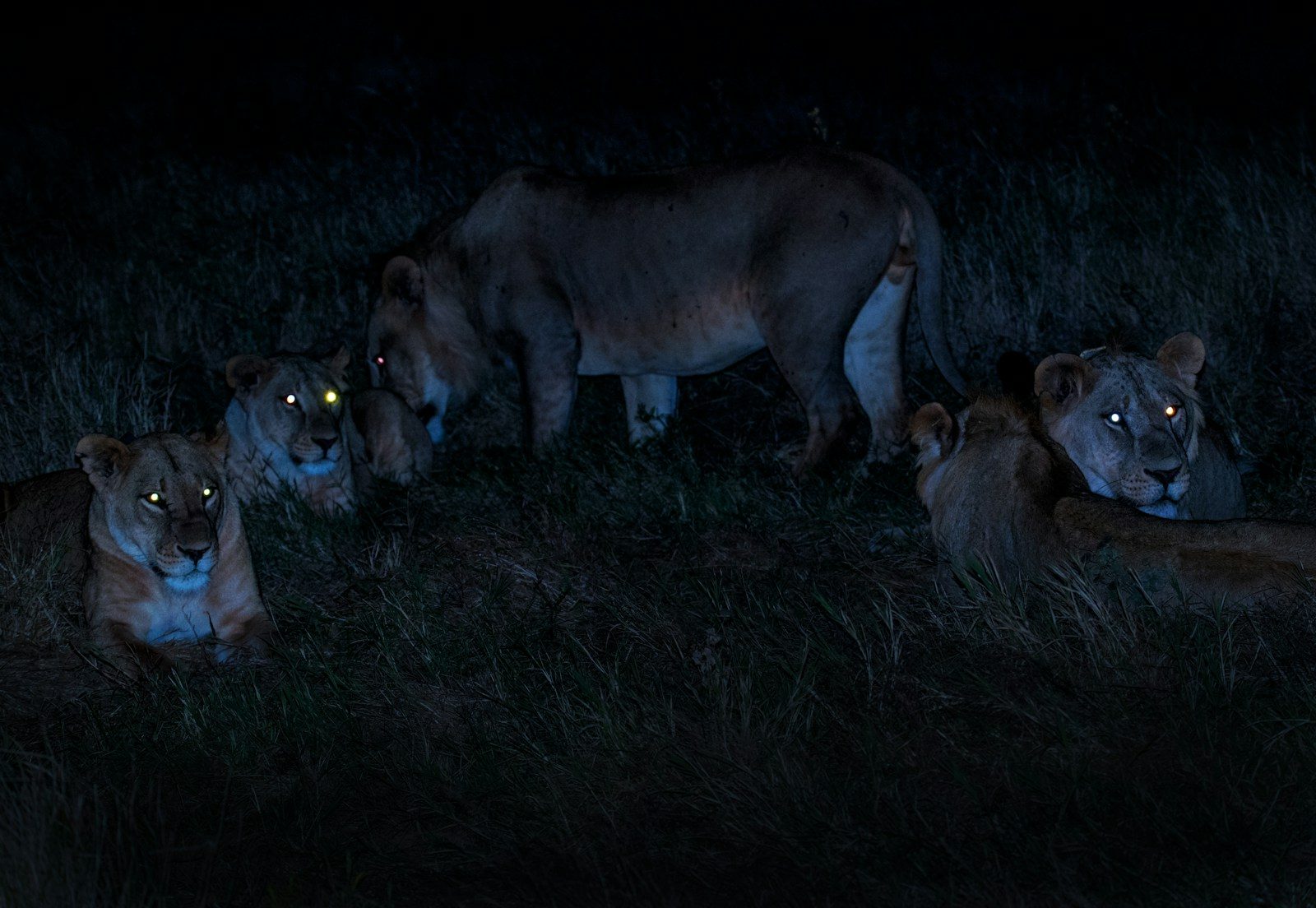
This process enhances the amount of light available for vision and improves clarity in dark environments. It is also the reason why lions’ eyes appear to glow when light shines on them at night.
Why Lion Eyes Glow in the Dark
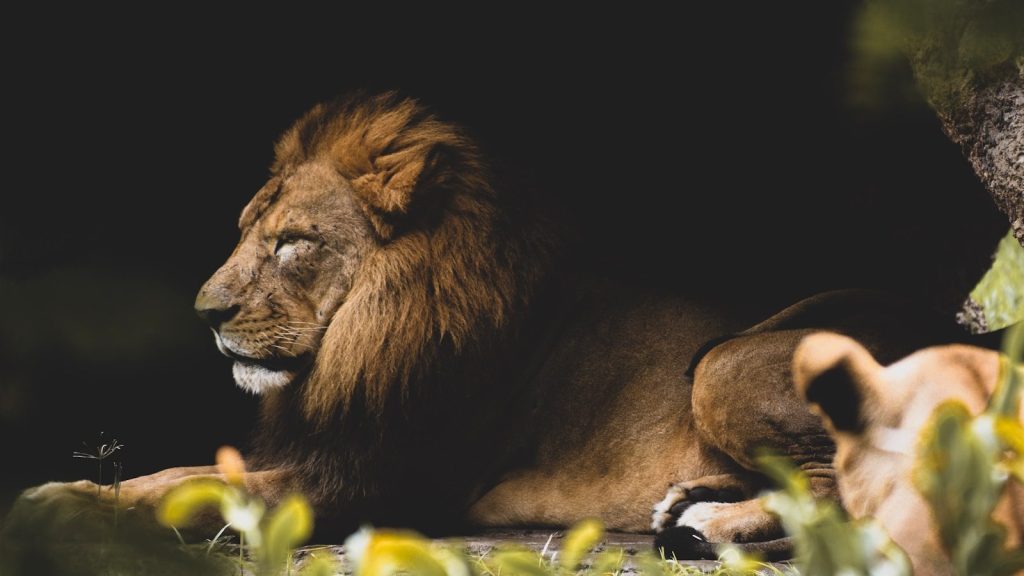
The glowing effect seen in lions at night is caused by the tapetum lucidum reflecting light back out of the eye. This reflection improves their ability to detect movement in very low light conditions.
Even small amounts of light, such as moonlight or starlight, can be amplified by this system. This gives lions a significant advantage when navigating and hunting after sunset.
Night Hunting Advantages
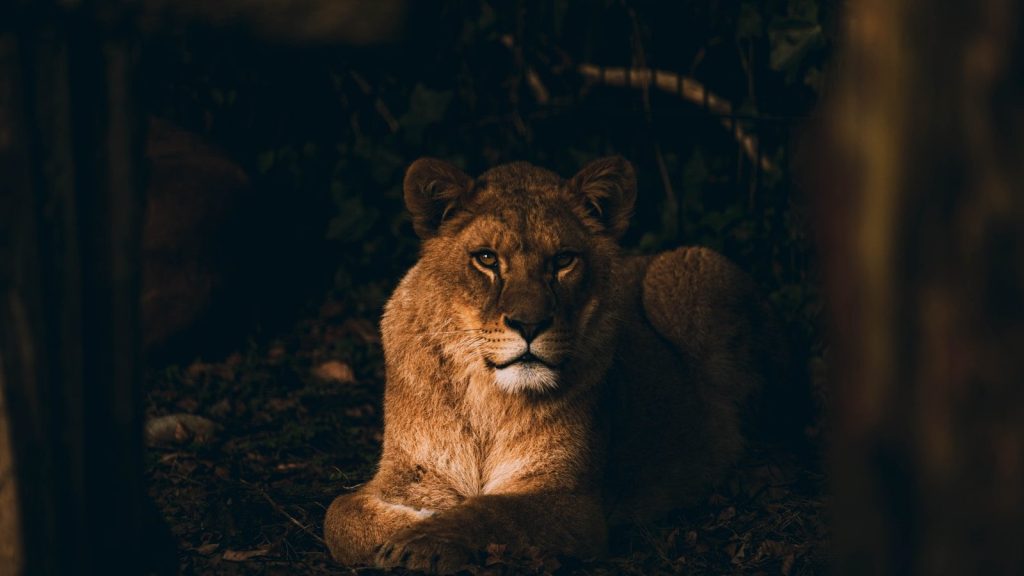
Lions often prefer to hunt during nighttime or early morning hours. Cooler temperatures make it easier for them to travel long distances without overheating, and darkness provides natural cover.
Their enhanced vision allows them to get closer to prey before being detected. Combined with teamwork and coordinated attacks, this makes them highly efficient nocturnal hunters.
Better Vision Than Most Prey Animals
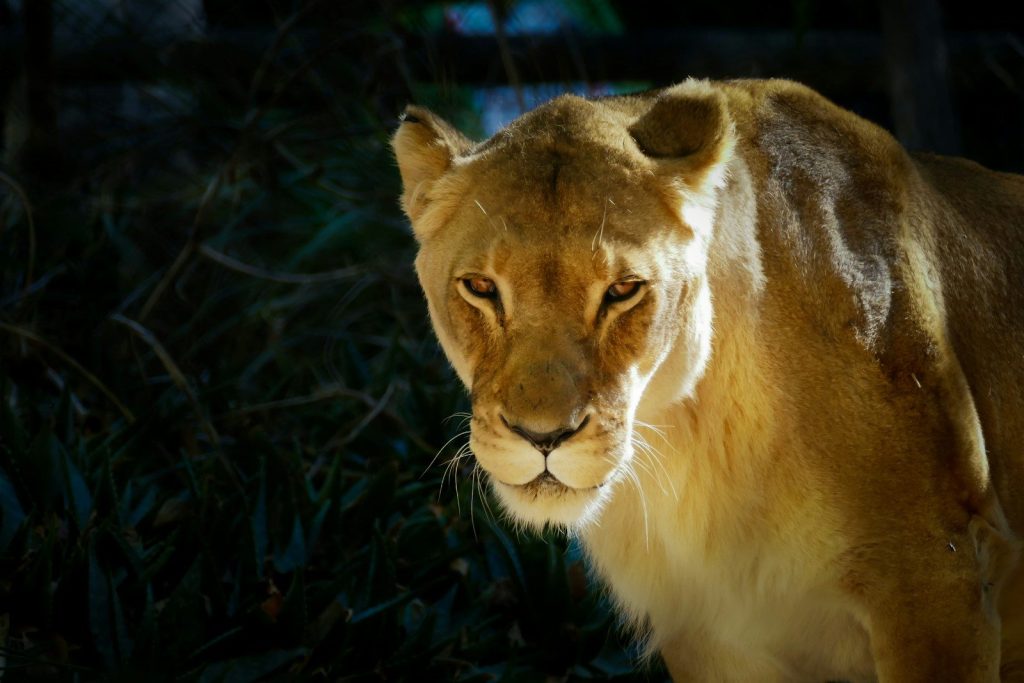
Many of the animals lions hunt, such as zebras, wildebeest, and antelope, are not as well adapted to seeing in low light. This creates an imbalance that favors lions during nighttime hunts.
Because lions can detect movement more easily in dim conditions, they can position themselves more effectively before launching an attack. This increases their success rate significantly.
Powerful but Not Perfect Night Vision
Although lions have excellent low light vision, they cannot see in complete darkness. Their ability depends on the presence of at least some natural light from the moon or stars.
Without any light at all, their vision would fail just like most other animals. However, under typical nighttime conditions, lions remain among the most visually capable predators in the wild.