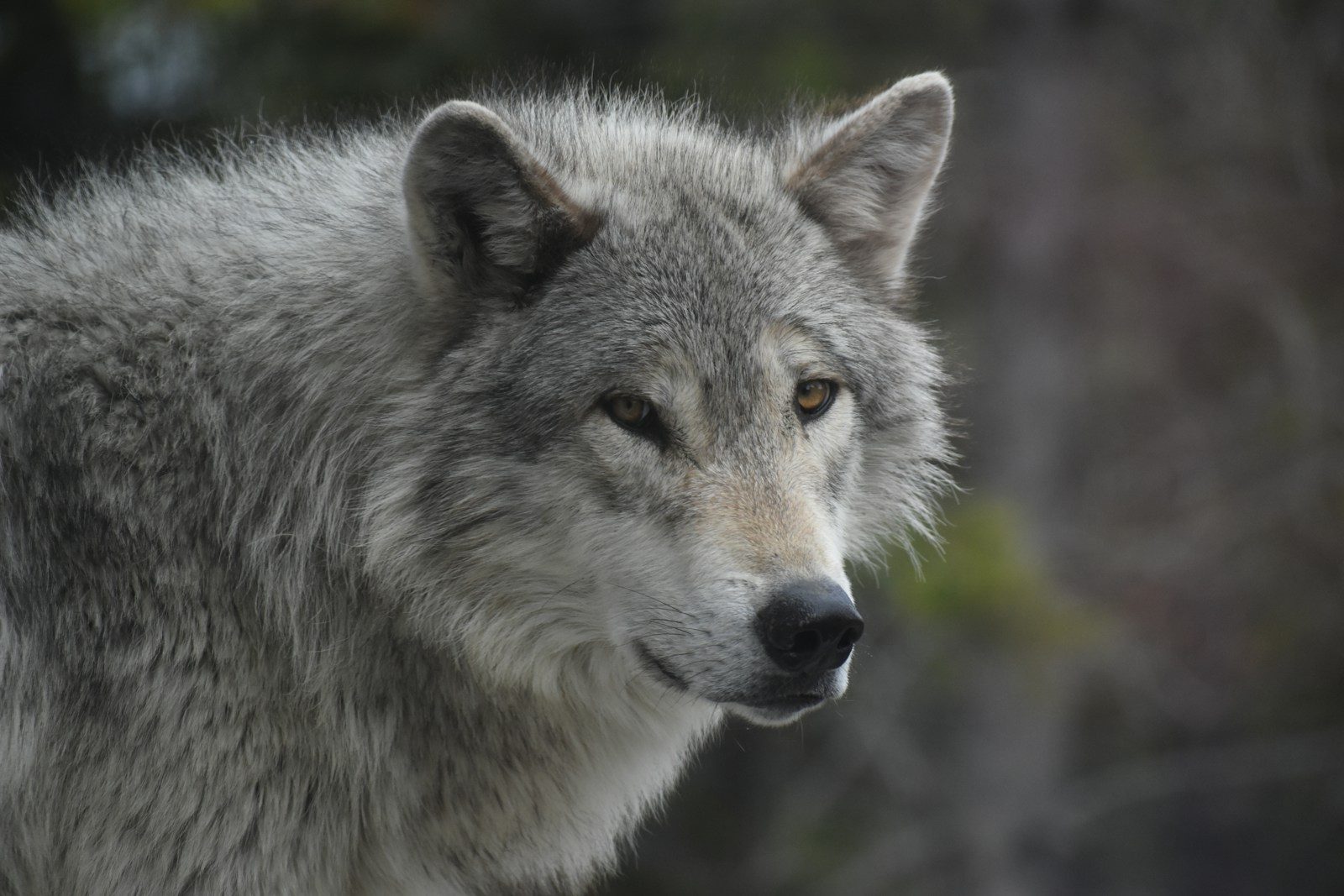
Wolves once roamed freely across Yellowstone long before the park became America’s first national park in 1872. Fossil evidence shows gray wolves had lived in the region for thousands of years, playing an important role in maintaining balance within the ecosystem. But by the mid-20th century, aggressive hunting campaigns had nearly eliminated wolves from Yellowstone and much of the continental United States.
Today, researchers are using artificial intelligence and advanced sound-recording technology to better understand wolf behavior and protect recovering populations in the wild.
Wolves Nearly Disappeared From Yellowstone

In the early 1900s, wolves were widely viewed as dangerous predators rather than essential parts of healthy ecosystems. Hunting and predator control programs dramatically reduced wolf numbers across the American West. By the 1940s, wolves had almost vanished from Yellowstone National Park.
Reintroduction efforts in the 1990s helped wolves slowly return to the region, but debates about livestock safety, hunting, and wildlife management continue today.
Listening to Wolves Instead of Tracking Them
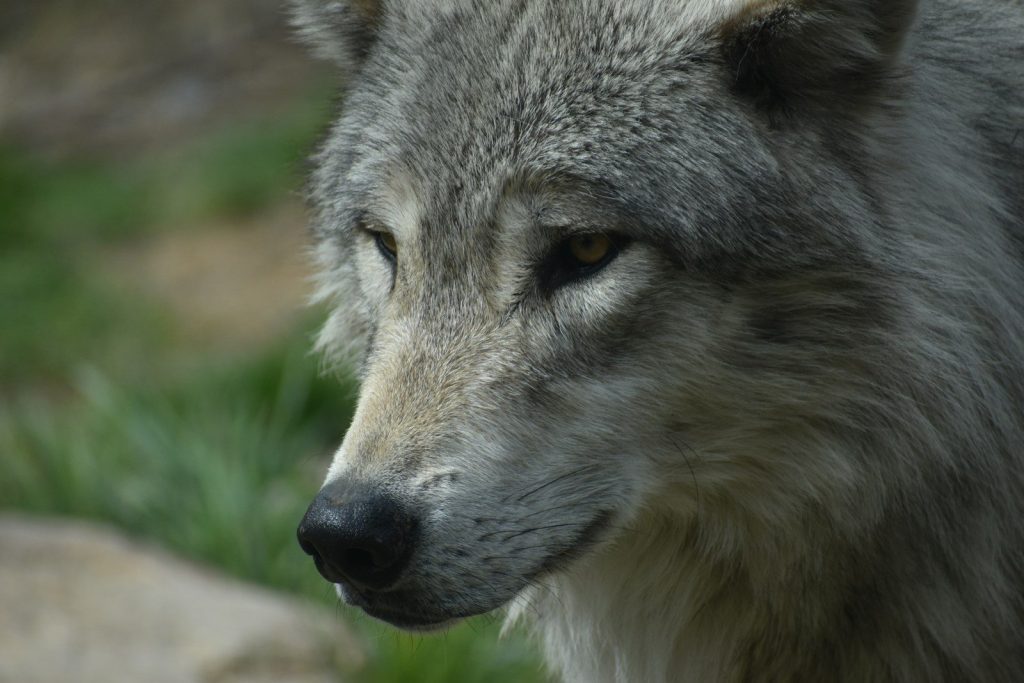
One scientist working to improve wolf conservation is Jeff Reed, founder of The Cry Wolf Project. The initiative combines bioacoustics and artificial intelligence to study wolf communication and estimate population sizes using sound recordings.
The project uses hidden autonomous recording units placed throughout wilderness areas. These battery-powered devices continuously capture wolf howls and other vocalizations across large distances.
AI Helps Analyze Wolf Communication
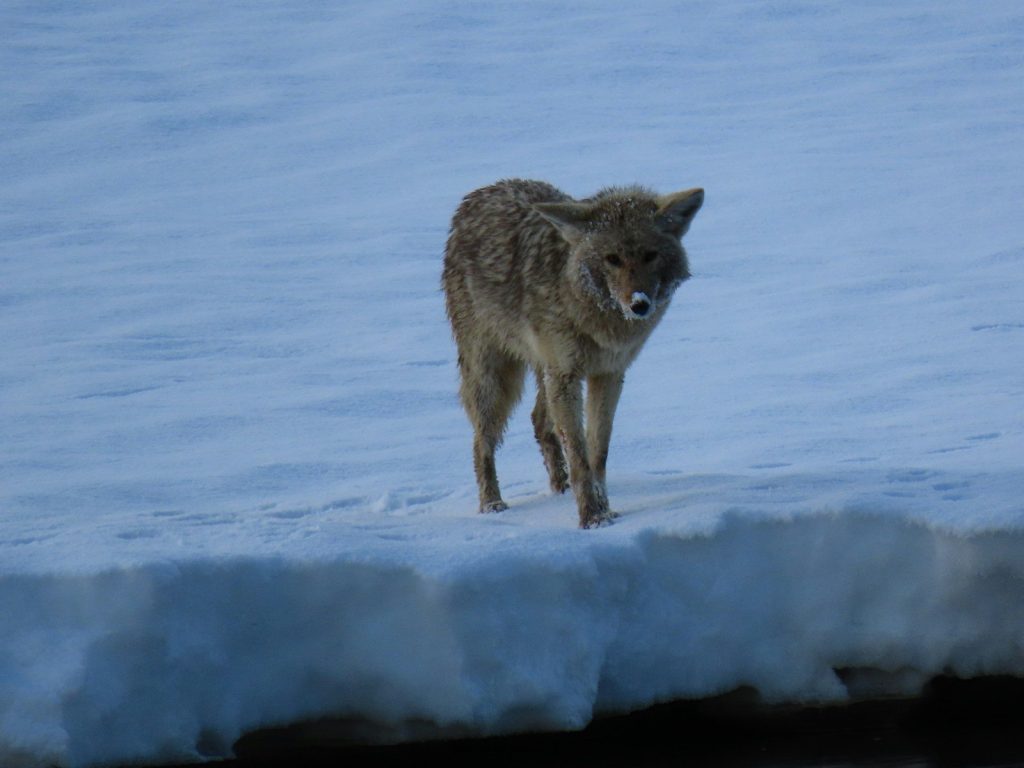
After recordings are collected, researchers create visual sound diagrams called spectrograms. Artificial intelligence then searches for patterns in the audio to help scientists determine where wolf packs are located, how many wolves may be present, and how they communicate with one another.
Researchers believe wolves use howls not only to communicate location but also to establish territory and strengthen social bonds within packs.
A New Way to Estimate Wolf Populations
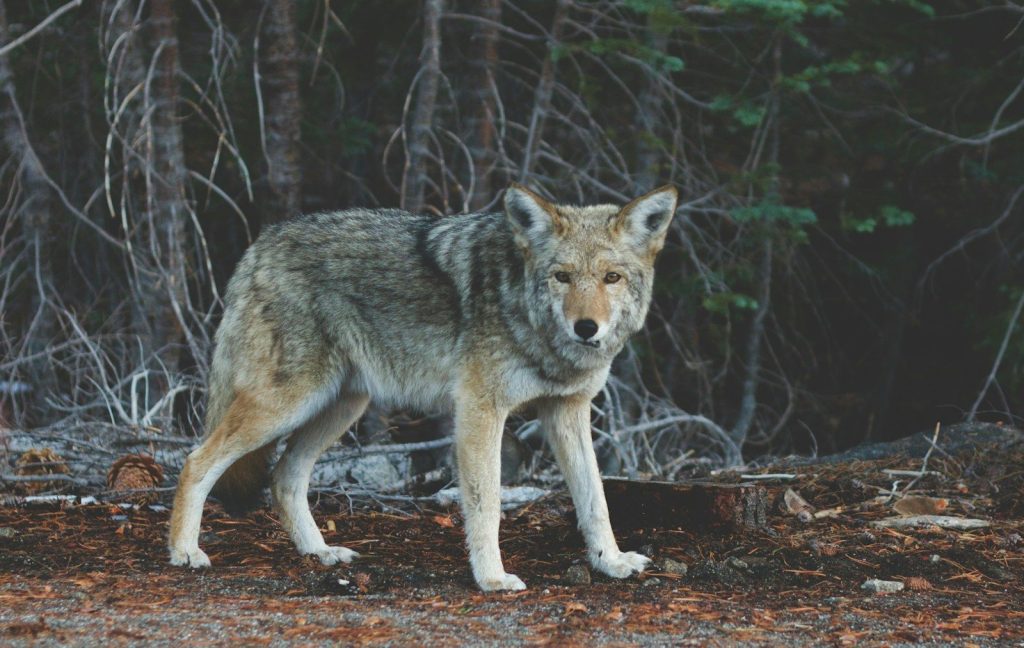
Traditional wildlife surveys often rely on visual tracking, camera traps, or direct observation. But wolves can travel across huge territories and are difficult to monitor consistently.
Audio-based monitoring may offer a lower-cost and less invasive way to estimate population sizes. Recording devices can detect wolf howls from miles away, allowing scientists to gather information across remote landscapes more efficiently.
Understanding the Social Side of Wolves

Researchers studying wolf vocalizations have identified a wide range of sounds beyond the classic howl. Wolves also use whines, whimpers, barks, and other vocal signals to communicate.
Some calls appear connected to social bonding and play behavior, while others help coordinate movement or warn rival packs. Scientists say these vocal patterns reveal how socially complex wolves really are.
Technology Could Help Reduce Conflict With Farmers
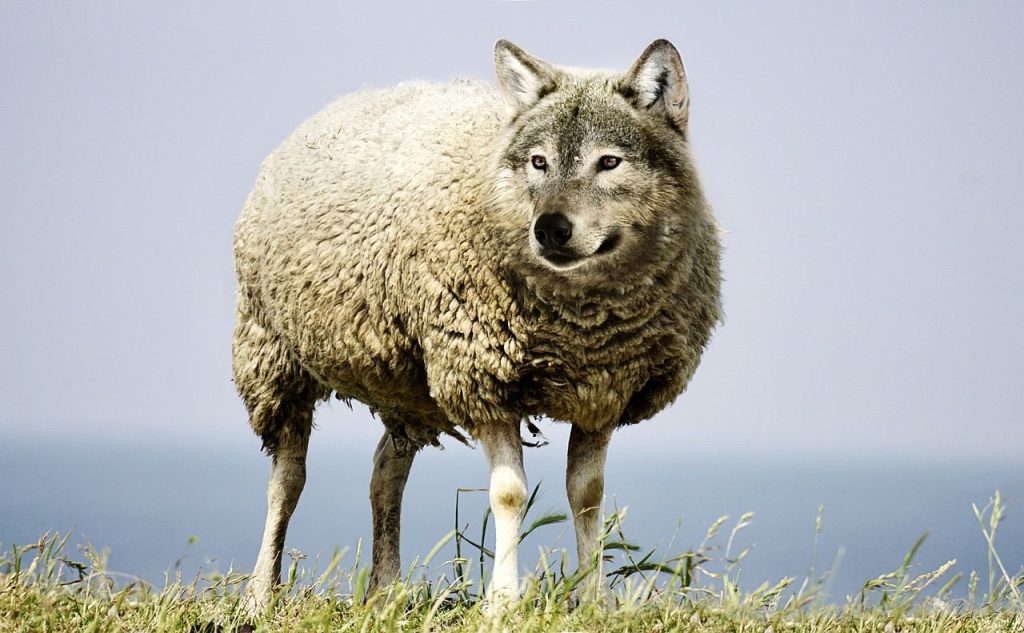
The research may also help reduce tensions between wolves and livestock owners. Some deterrent systems already use lights and loud noises to scare wolves away from farms and ranches.
Researchers are now exploring whether recorded wolf vocalizations could become a more effective and natural deterrent by signaling territorial boundaries to nearby packs.
Why Wolf Conservation Still Matters
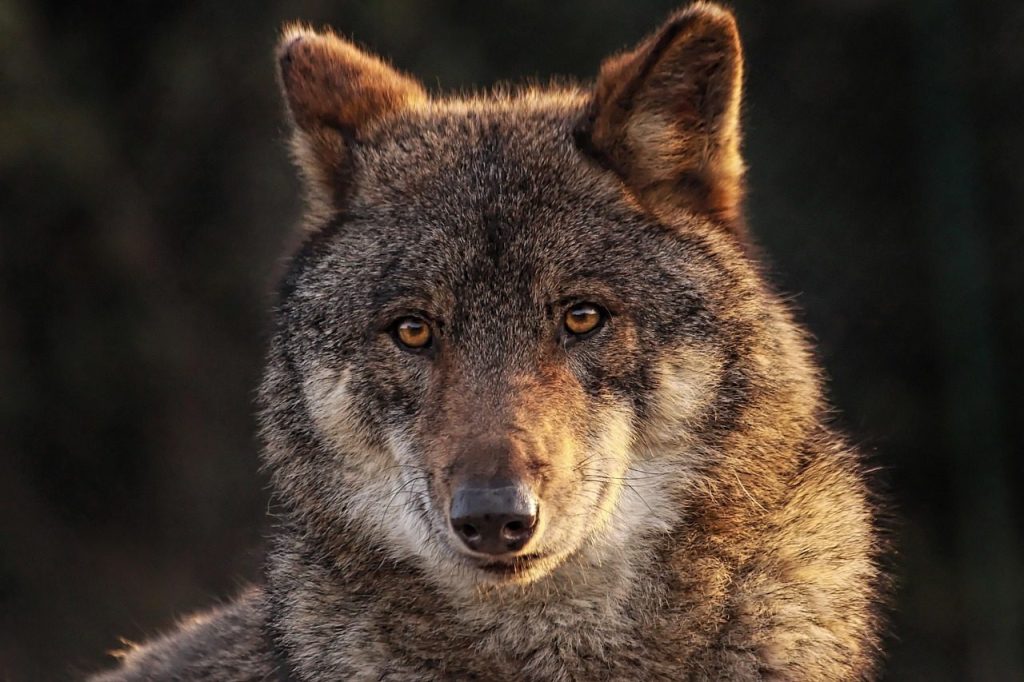
Wolves remain one of the most debated wildlife species in North America. Conservationists argue that healthy wolf populations help maintain ecological balance by influencing prey behavior and supporting biodiversity.
For scientists studying Yellowstone’s wolves, the goal is not only to protect a species but also to better understand how animals communicate and interact in the wild. As technology improves, researchers hope these tools will lead to more informed conservation decisions in the future.