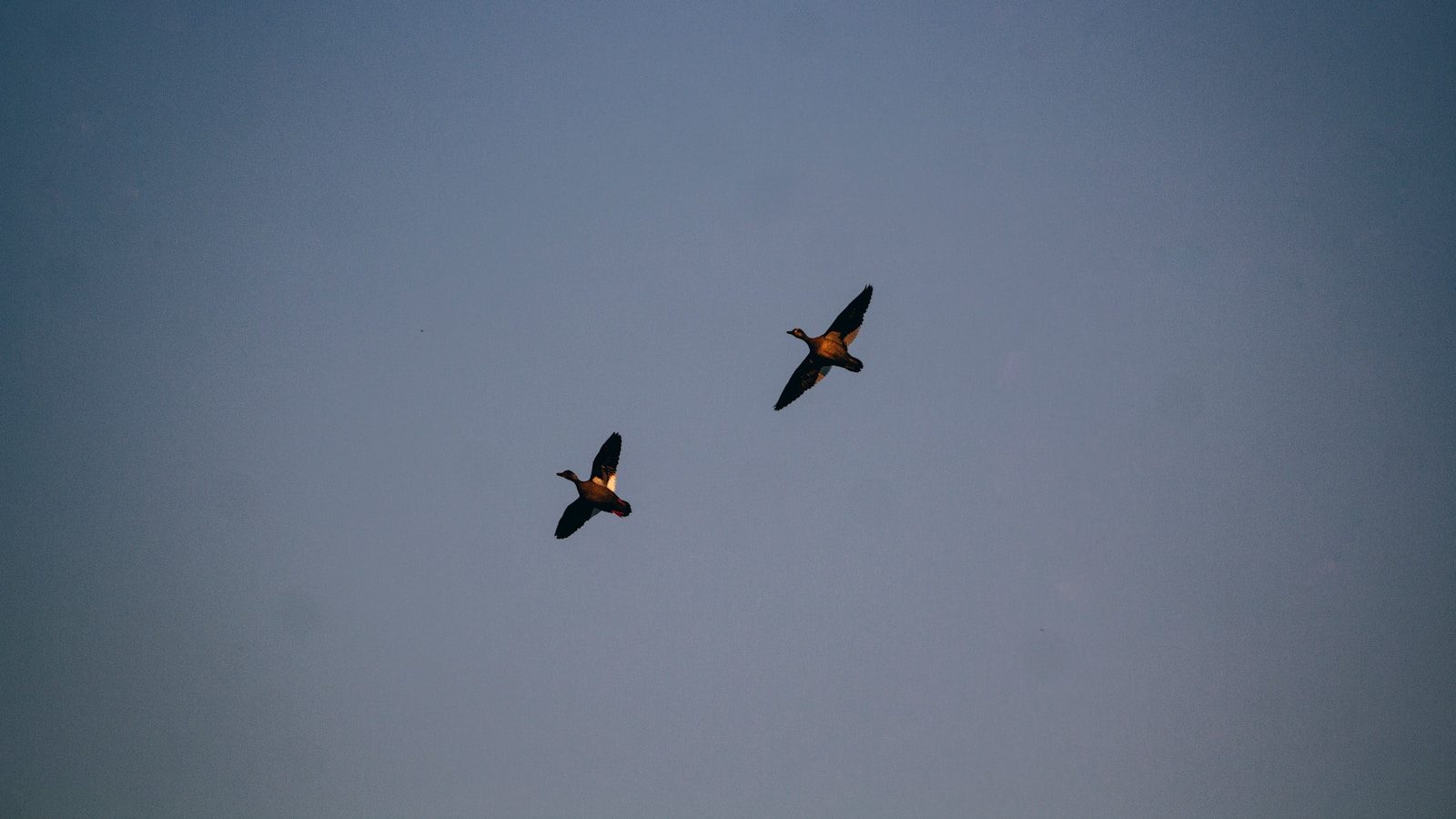
Most birds are harmless visitors that add life and sound to outdoor spaces. But some species can become aggressive, destructive, or even dangerous when they settle too close to homes.
From territorial attacks to property damage and disease risks, certain birds are better admired from a distance rather than welcomed into your backyard.
Crows Can Become Surprisingly Aggressive
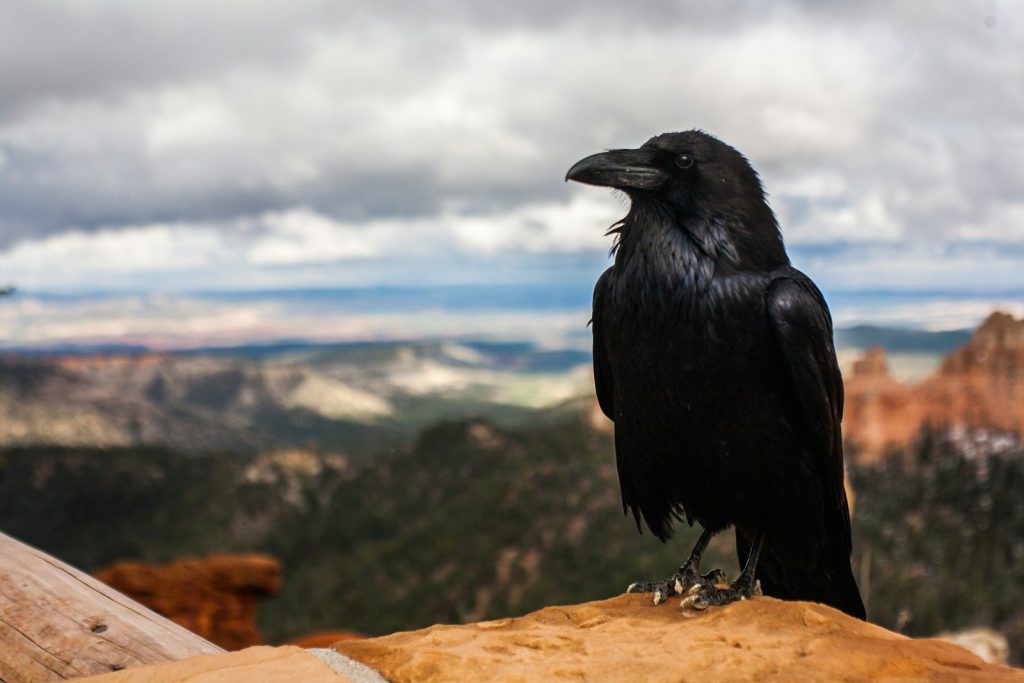
Crows are highly intelligent birds that remember faces and defend territory aggressively. If they feel threatened, they may dive-bomb people or pets repeatedly.
Large groups can also become noisy and intimidating, especially during nesting season.
Canada Geese Defend Their Territory Fiercely
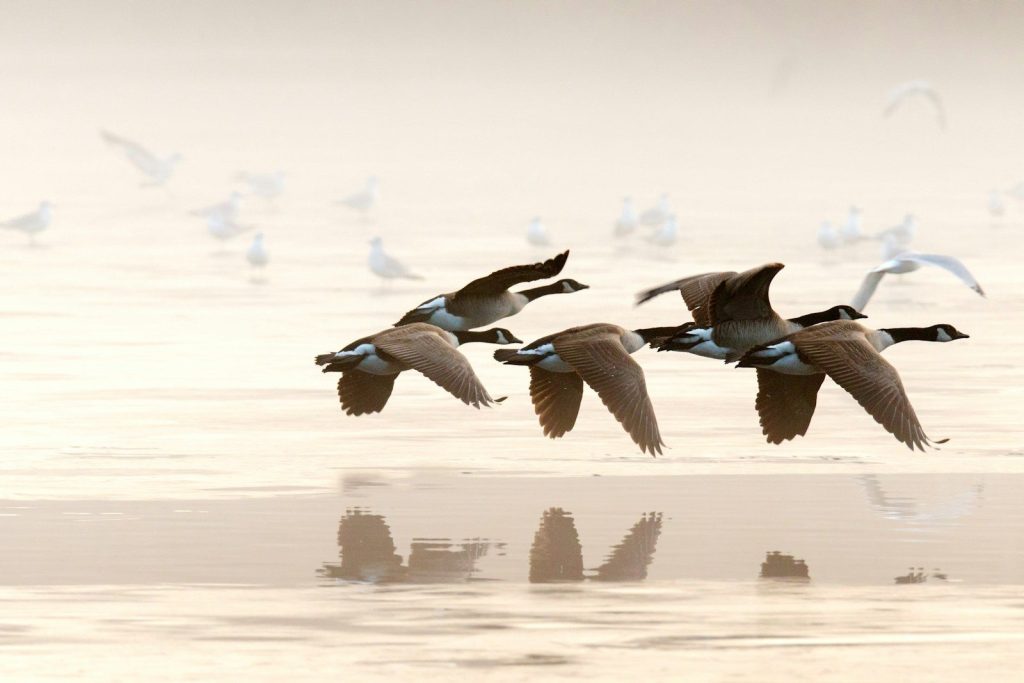
Canada geese may appear calm near ponds and neighborhoods, but they become highly territorial when protecting nests or young birds.
They are known to hiss, chase, and attack humans who get too close, especially in spring.
Hawks Can Threaten Small Pets
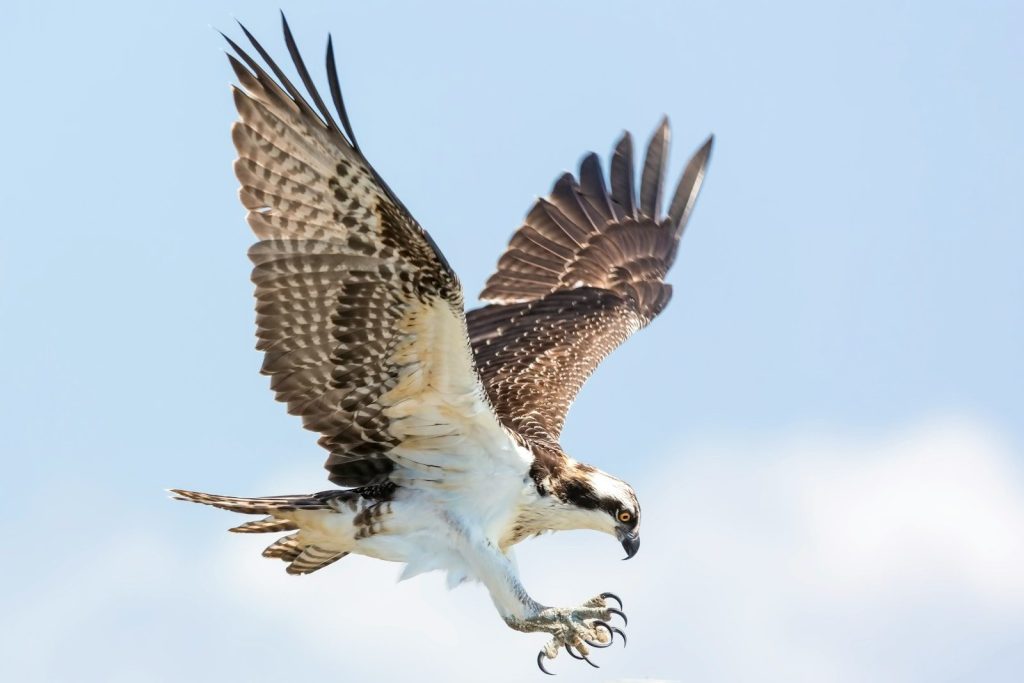
Hawks are powerful birds of prey that occasionally target small animals such as rabbits, squirrels, and even tiny pets left unattended outdoors.
Although attacks are uncommon, their presence can create panic among pet owners in suburban areas.
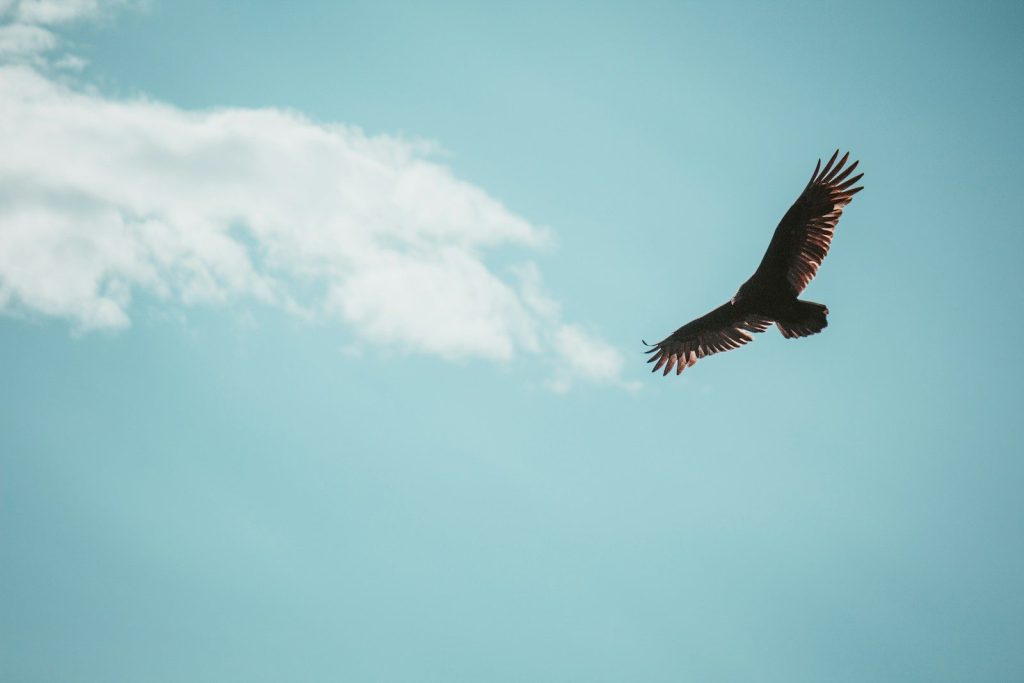
Vultures Can Damage Property
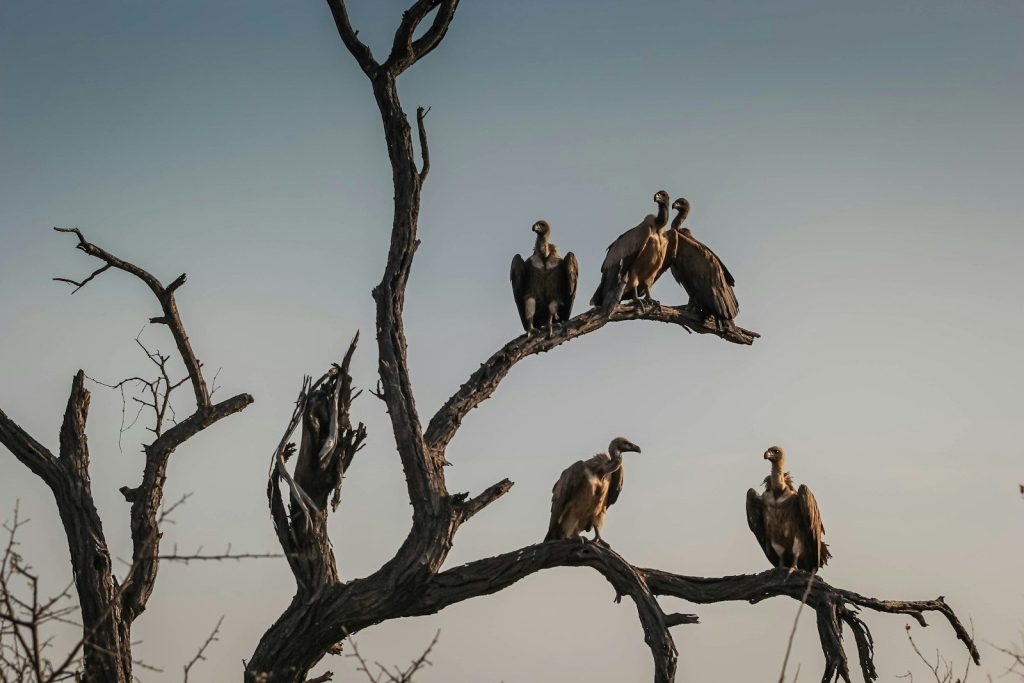
Vultures rarely attack humans, but they can create serious problems near homes. Some species peck at roofs, vehicles, and outdoor equipment.
Large gatherings of vultures may also produce foul smells and damage surrounding areas with droppings.
Starlings Arrive in Massive Numbers
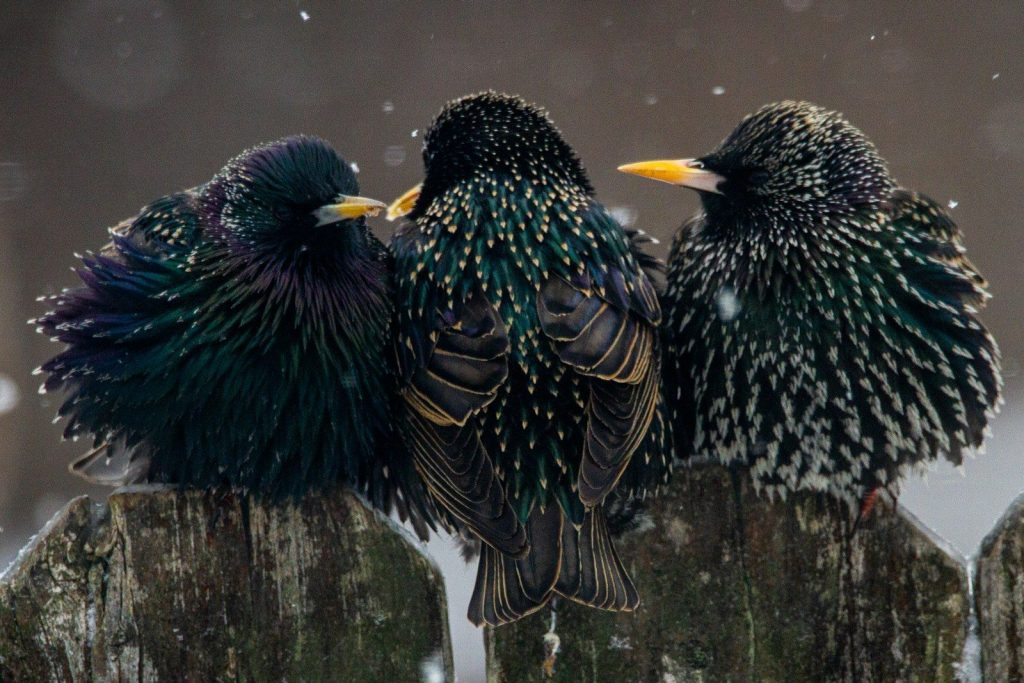
European starlings travel in huge flocks that can overwhelm yards, trees, and rooftops. Their numbers often create nonstop noise and mess.
They also compete aggressively with native bird species for nesting spaces and food sources.
Woodpeckers Can Destroy Structures
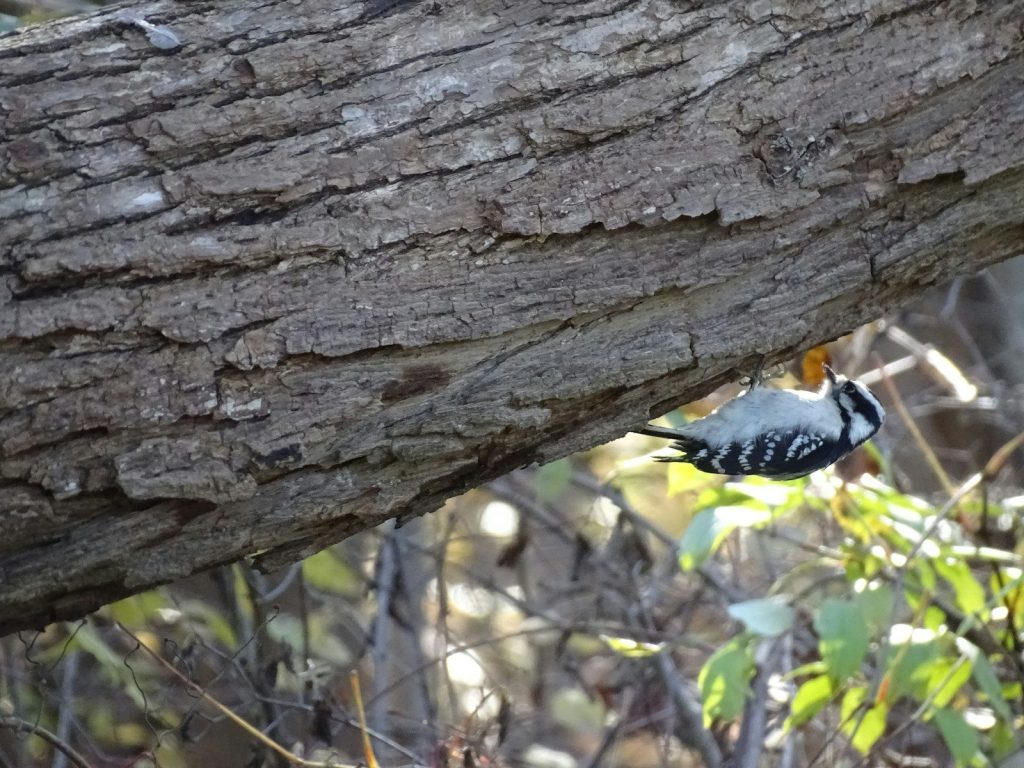
Woodpeckers hammer on trees to search for insects, but they sometimes target houses, fences, and wooden siding instead.
Repeated pecking can damage structures and create holes that lead to expensive repairs.
Seagulls Become Bold Around Humans
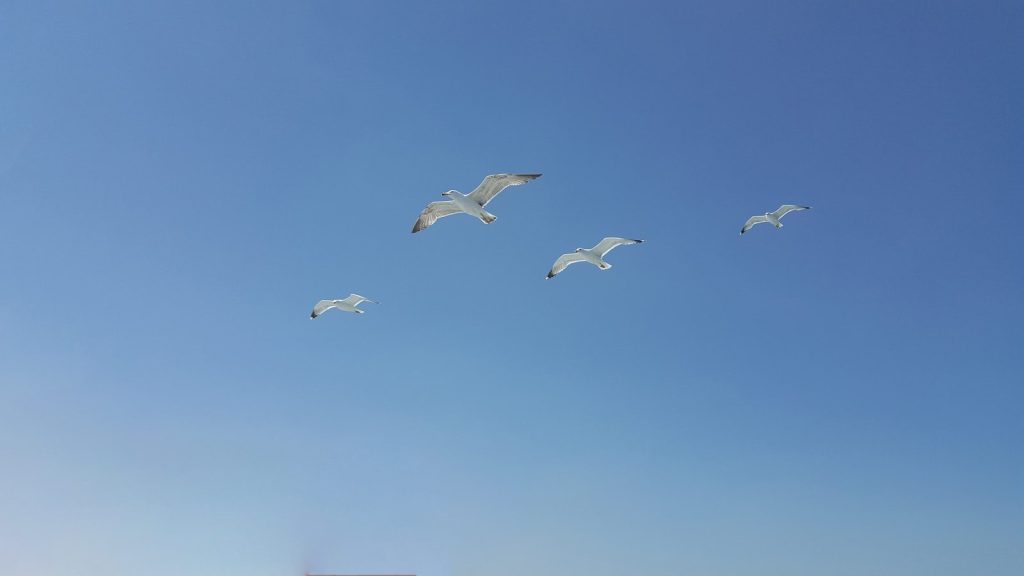
Seagulls quickly learn to associate people with food and can become aggressive in residential or coastal areas.
They often steal food directly from outdoor spaces and create loud disturbances near rooftops.
Owls Can Intimidate Backyard Wildlife
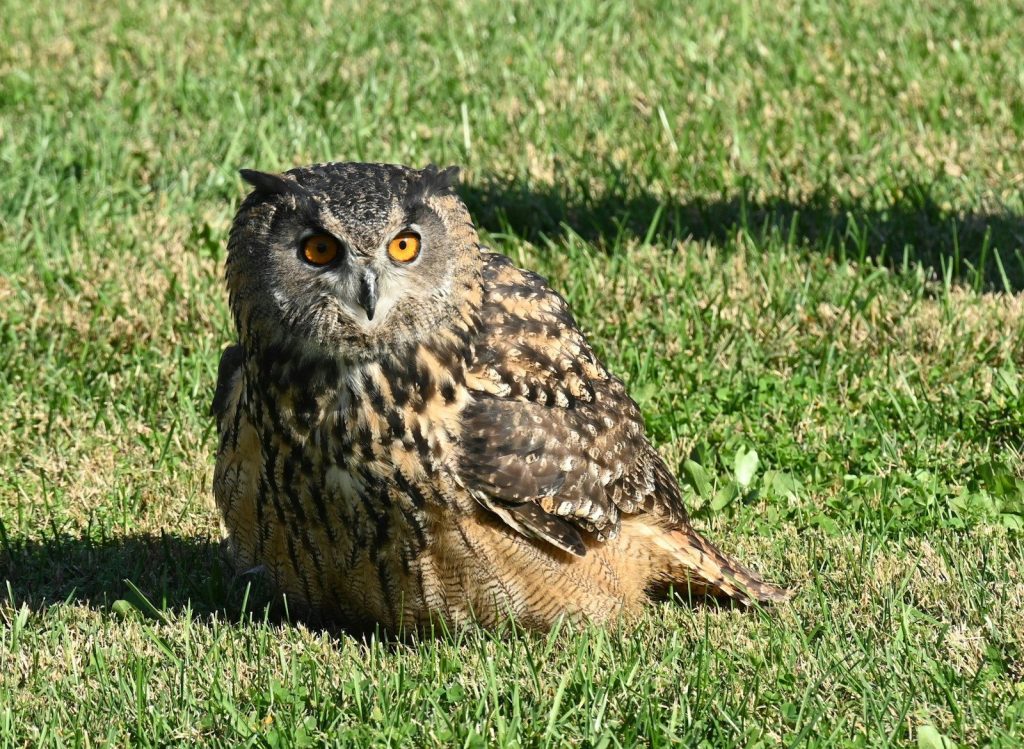
Owls are important predators, but large species can hunt small pets and backyard animals during nighttime hours.
Their silent hunting style and eerie nighttime calls can make them unsettling visitors near homes.
Why Some Birds Adapt So Well to Human Areas
Many birds thrive near humans because neighborhoods provide easy access to food, shelter, and nesting areas. Trash, gardens, pet food, and water sources all attract wildlife.
As cities continue expanding into natural habitats, encounters with aggressive or problematic birds are becoming increasingly common.