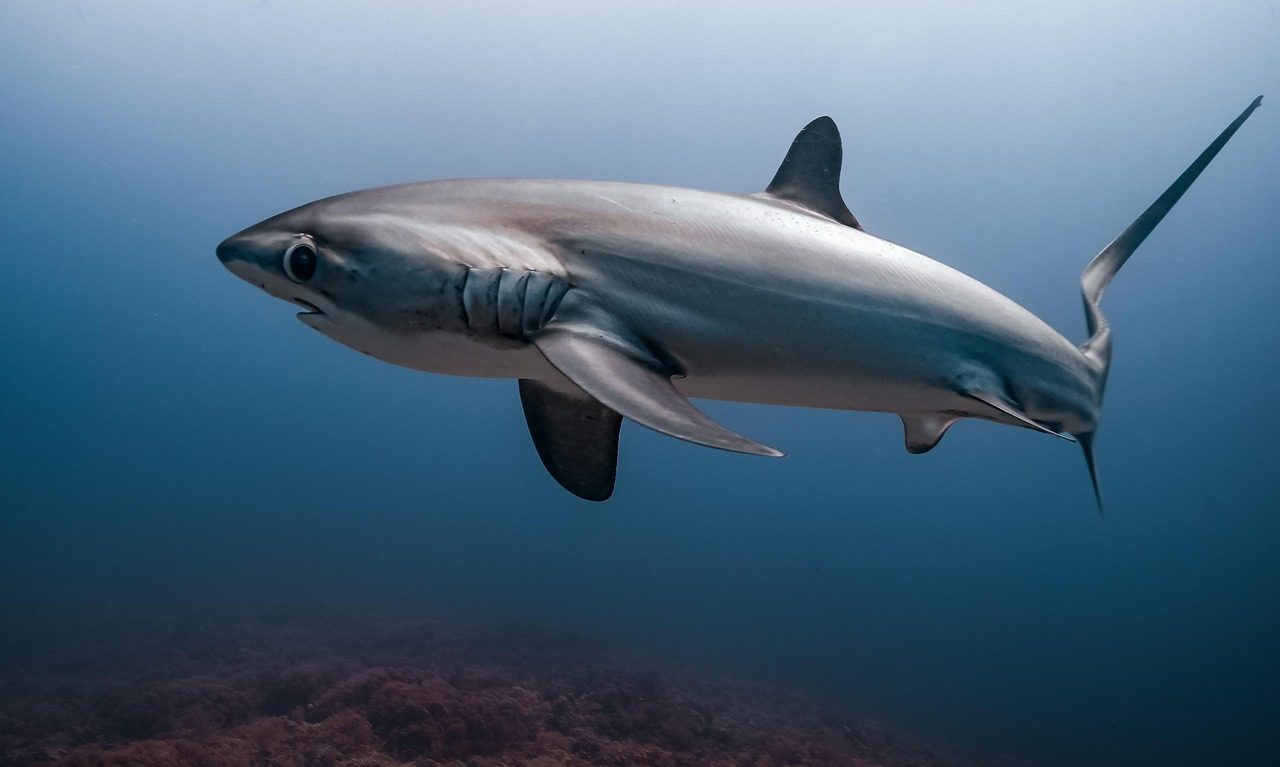
Deep beneath the icy waters of the Arctic swims one of the oldest living creatures on Earth. The Greenland shark is not just another deep-sea predator. Some of these mysterious sharks were already alive before the United States declared independence in 1776.
Scientists believe the oldest Greenland sharks may live for nearly 400 years, making them the longest-lived vertebrates ever discovered.
A Living Time Capsule of the Ocean
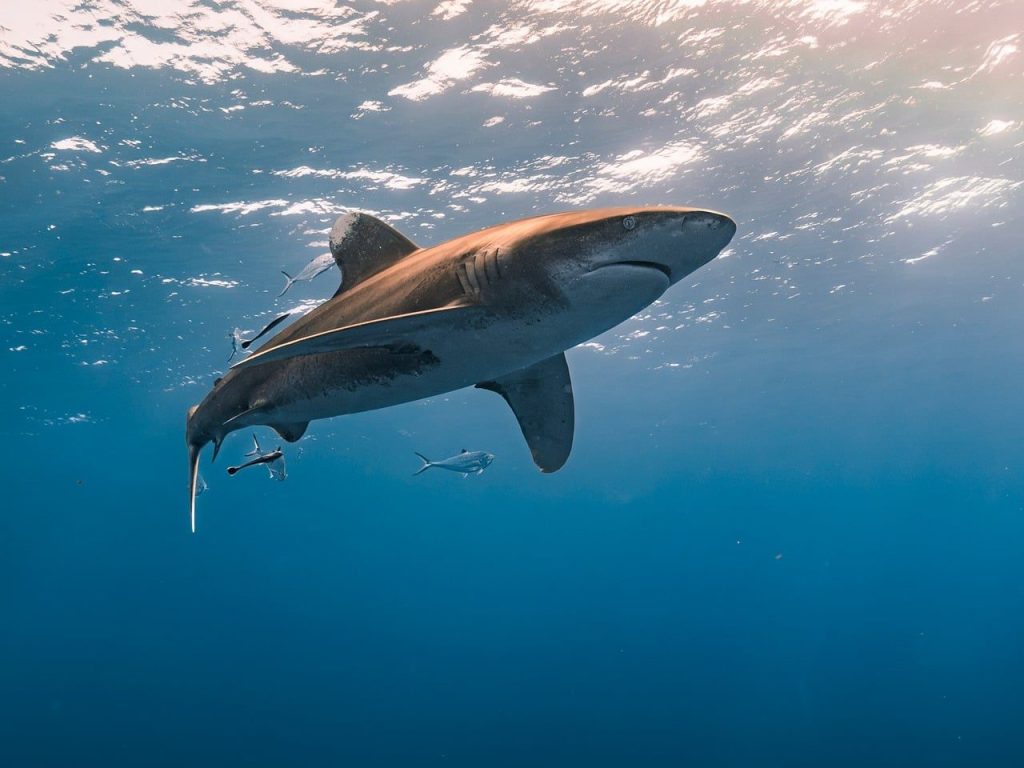
Greenland sharks move silently through the freezing waters of the North Atlantic and Arctic Oceans. They spend much of their lives in deep, dark environments where temperatures remain brutally cold year-round.
Because they can survive for centuries, researchers view them as living records of long-term changes in the Arctic ecosystem.
Scientists Used Their Eyes to Estimate Their Age
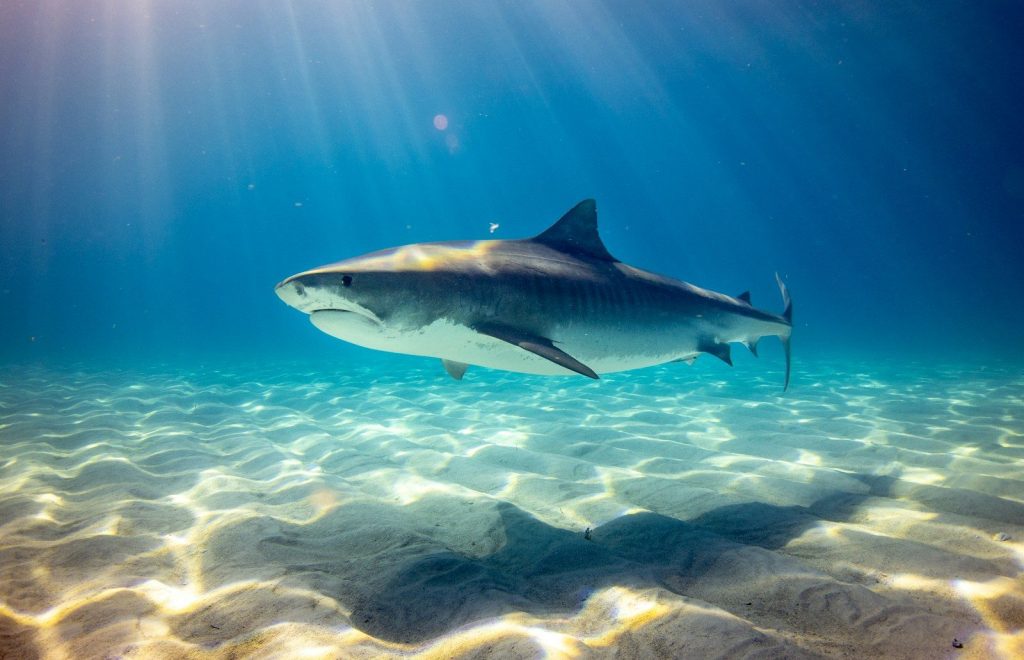
Unlike many fish, Greenland sharks do not develop hard growth rings that reveal their age. Instead, scientists used a special radiocarbon dating technique on proteins found inside the sharks’ eye lenses.
Researchers estimated that some individuals could be between 272 and 512 years old, with one famous shark estimated at nearly 400 years old.
That means this shark may have already been swimming through Arctic waters while much of the modern world had not yet formed.
They Live Life at an Incredibly Slow Pace
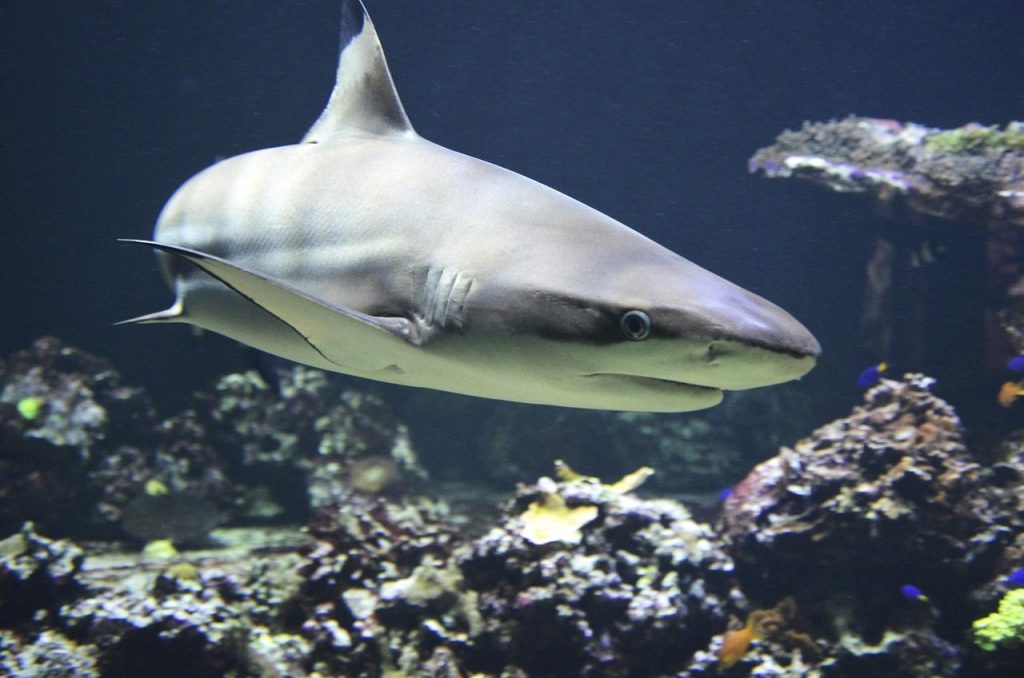
Part of the Greenland shark’s incredible longevity comes from its extremely slow metabolism.
These sharks swim at an average speed of less than one mile per hour and even their fastest movements are surprisingly slow. Their bodies conserve energy so efficiently that scientists believe they can survive on very little food for long periods.
Their slow metabolism may also reduce long-term cellular damage, helping them survive for centuries.
They Don’t Become Adults Until Around 150 Years Old
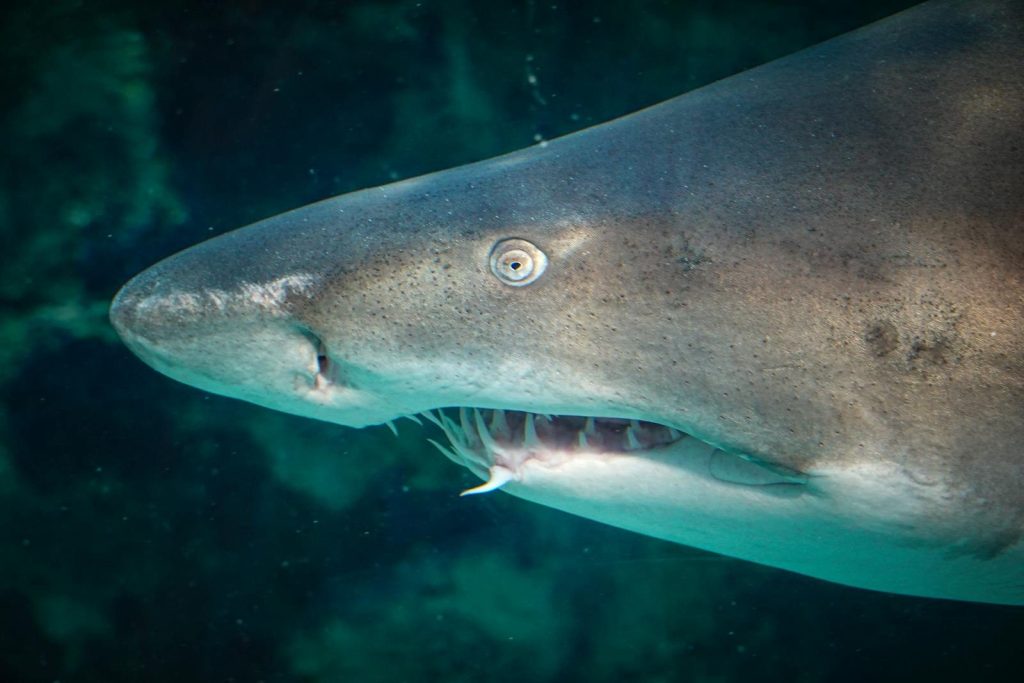
One of the most astonishing facts about Greenland sharks is how slowly they mature.
Female Greenland sharks may not reach reproductive age until they are around 150 years old. By that point, they can grow over 13 feet long.
This means some sharks alive today may not reproduce until the next century.
They Thrive in Waters Humans Cannot Survive
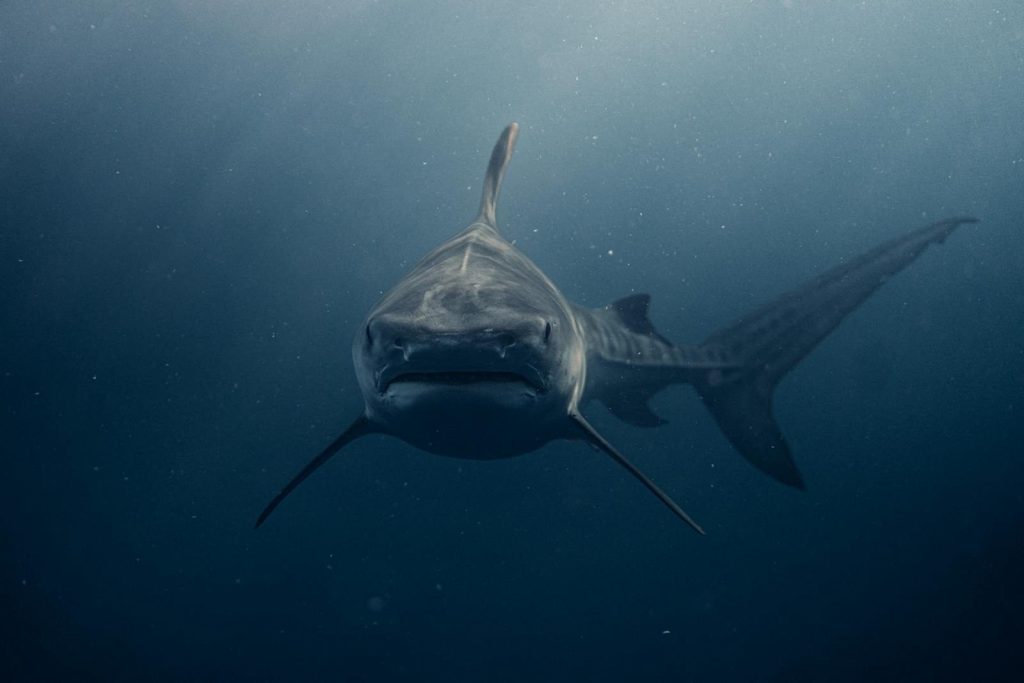
Greenland sharks are specially adapted for life in freezing Arctic waters and can dive more than 7,000 feet below the ocean’s surface.
Despite their massive size, they pose almost no danger to humans because they live in environments far too cold and deep for most people to encounter them.
Strange Creatures Live on Their Eyes
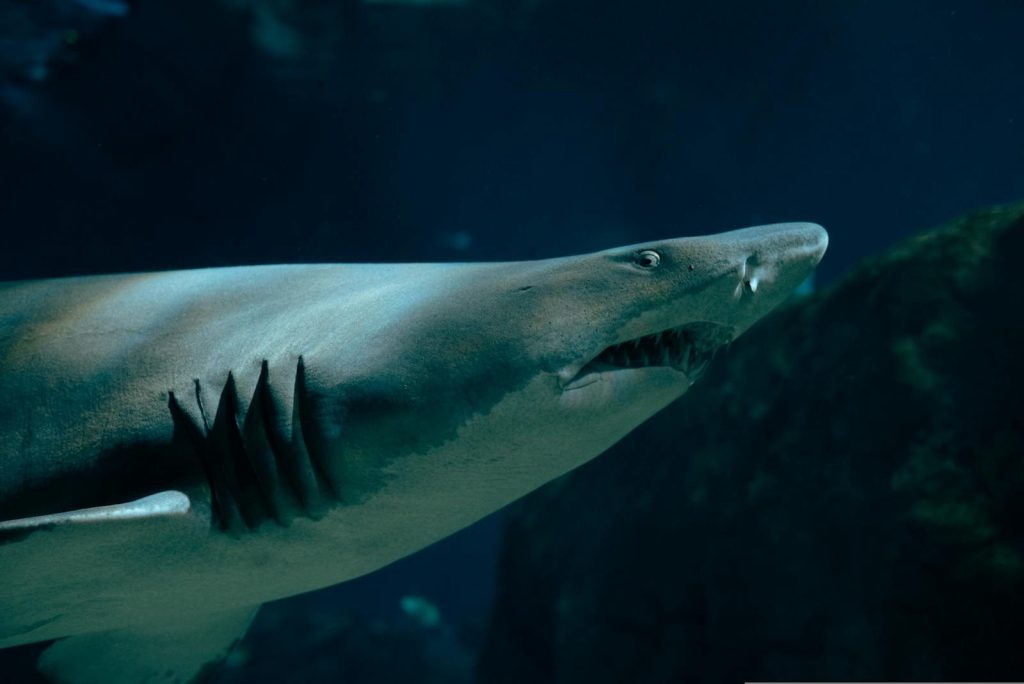
Many Greenland sharks carry tiny parasitic organisms attached to their eyes. These parasites can damage their vision, but the sharks continue to hunt successfully using their highly sensitive sense of smell.
Scientists have found evidence that Greenland sharks feed both as predators and scavengers, consuming fish, marine mammals, and even remains that sink into the deep ocean.
One of the Ocean’s Greatest Mysteries
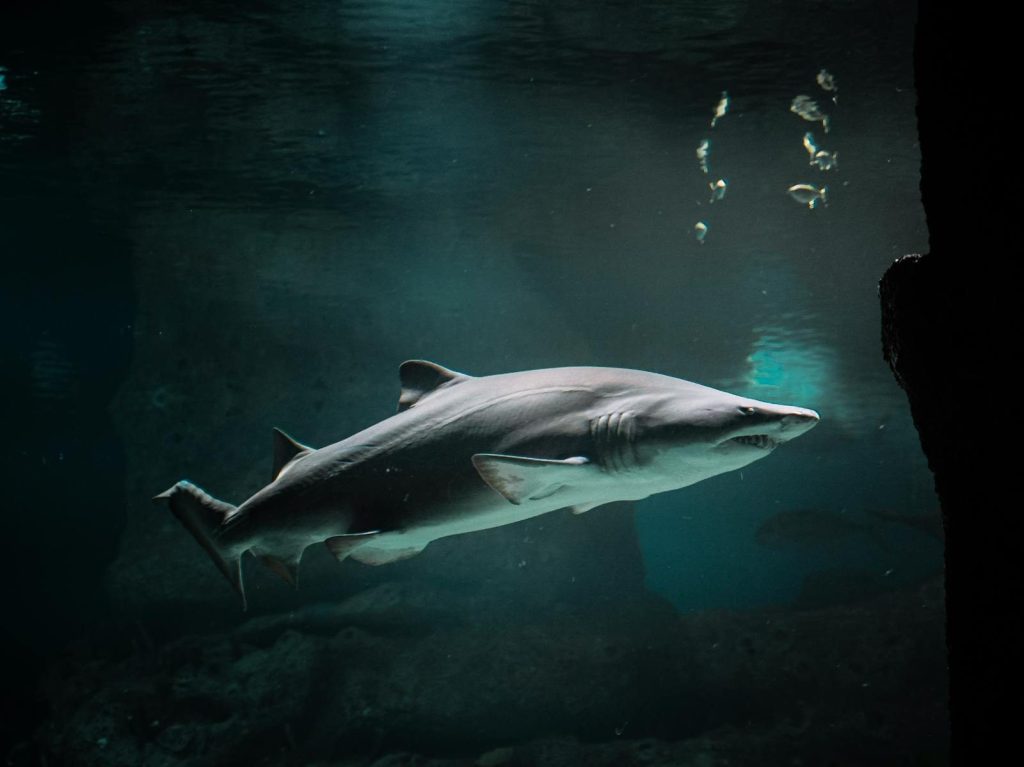
The Greenland shark remains one of the least understood large predators on Earth. Its incredible lifespan, slow growth, and deep-sea lifestyle continue to fascinate scientists studying the mysteries of the Arctic Ocean.
Long before modern nations existed, these ancient sharks were already gliding through the darkness beneath the ice.