The Living Planet Report, published by the World Wildlife Fund (WWF) and the Zoological Society of London, offers a major global assessment of wildlife health and biodiversity trends.
According to the report, global wildlife populations have declined by an average of 73% over the past 50 years. This dramatic drop highlights growing pressure on ecosystems around the world and signals that many species are struggling to survive.
What’s Driving the Decline?
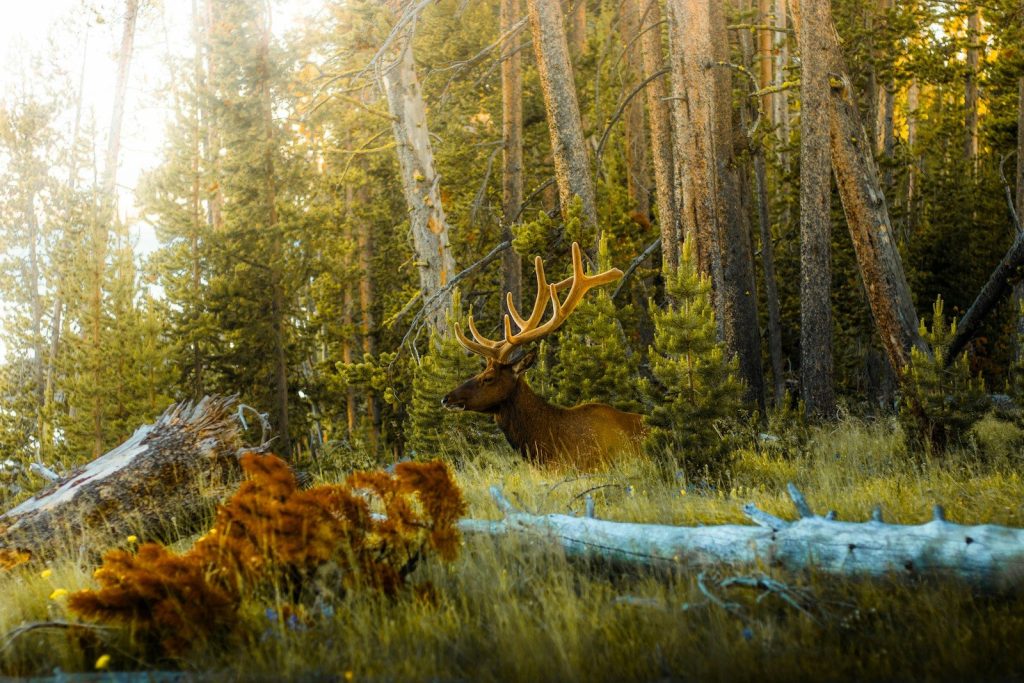
Scientists and conservation groups identify several major causes behind the decline in wildlife populations. These include habitat loss, pollution, climate change, invasive species, disease, agriculture, logging, and hunting. Together, these pressures are reshaping ecosystems faster than many species can adapt.
Habitat Loss and Fragmentation
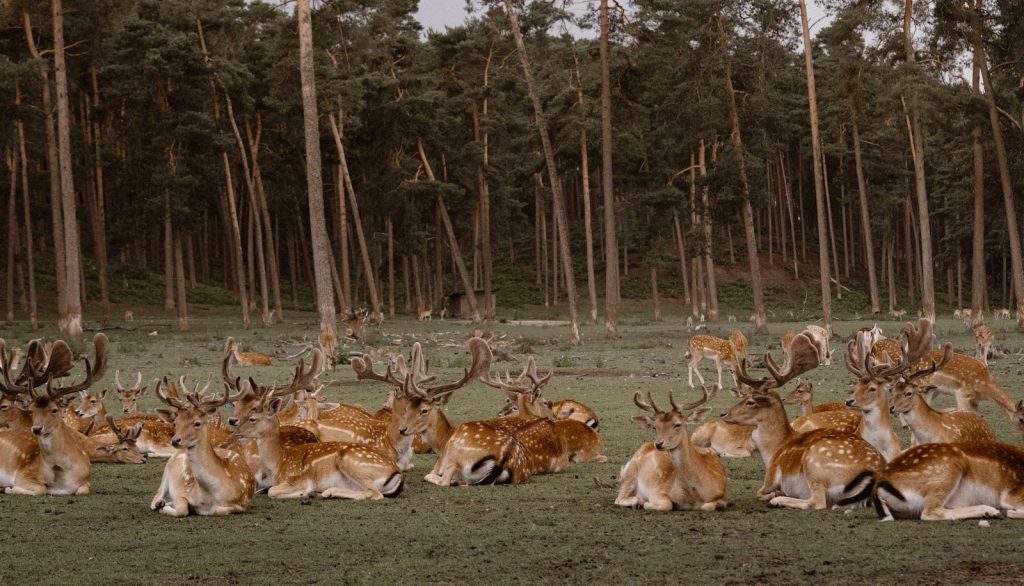
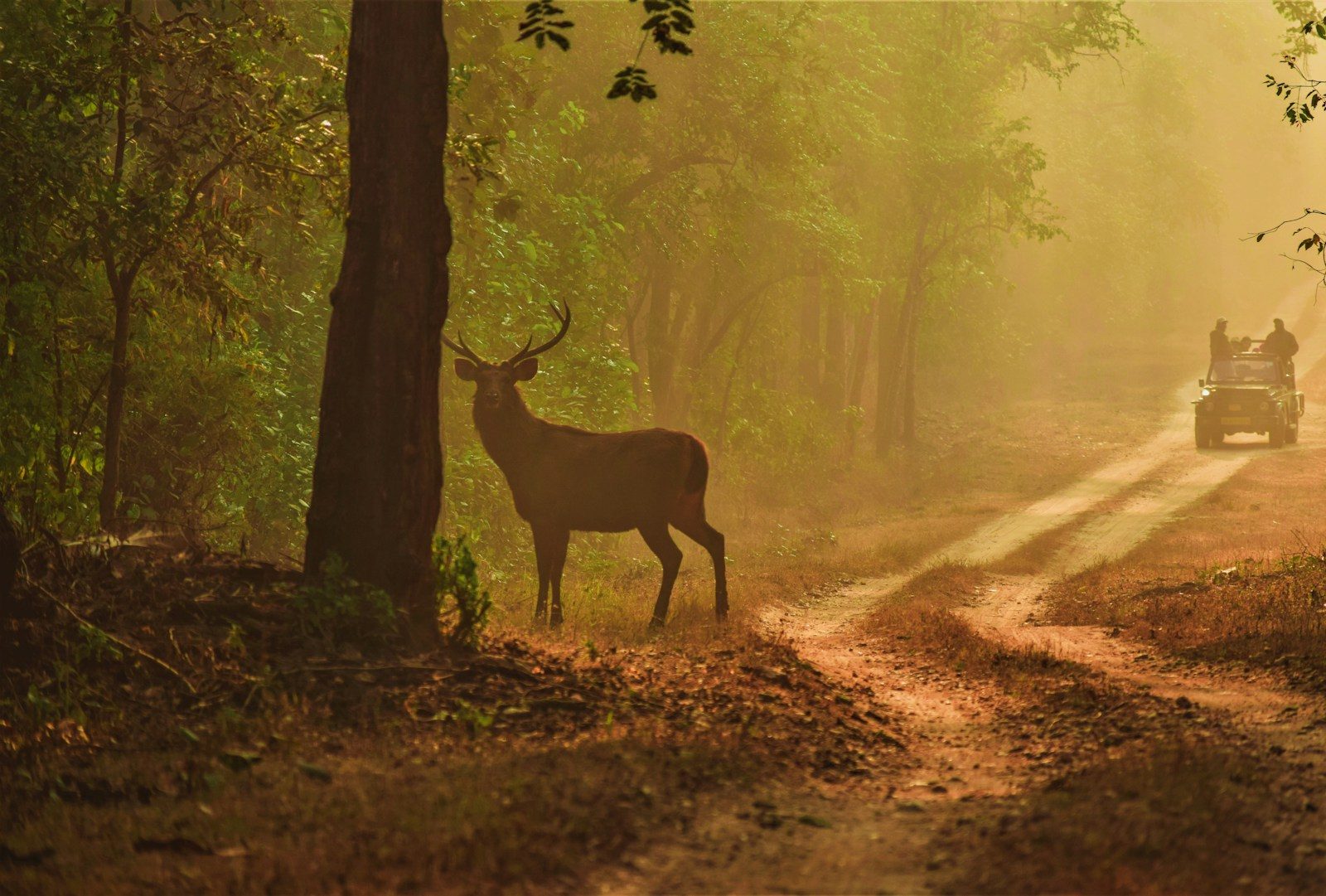
One of the biggest threats to wildlife is the destruction and fragmentation of natural habitats. Forests, wetlands, and grasslands are being cleared for farming, infrastructure, and urban expansion. In many cases, migration routes are blocked by roads, dams, and human development, making it harder for animals to survive and reproduce.
Freshwater Species Are Especially Affected
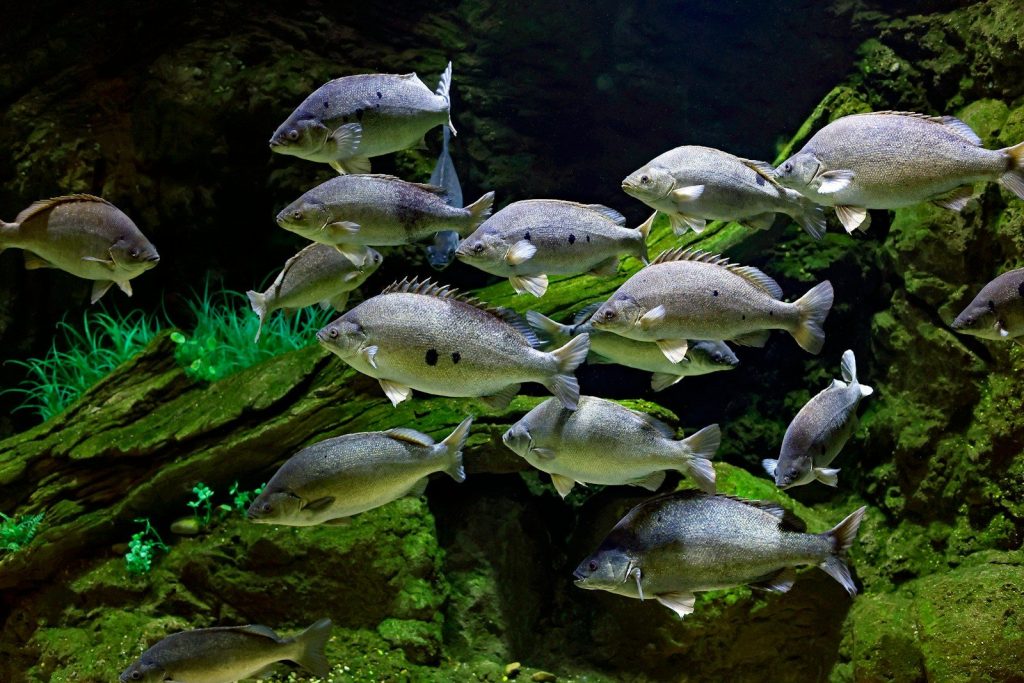
Freshwater ecosystems have seen some of the steepest declines, with populations of fish, amphibians, and other aquatic species falling sharply in recent decades. These environments are highly sensitive to pollution, water diversion, and habitat disruption.
Corals and Marine Life Under Pressure
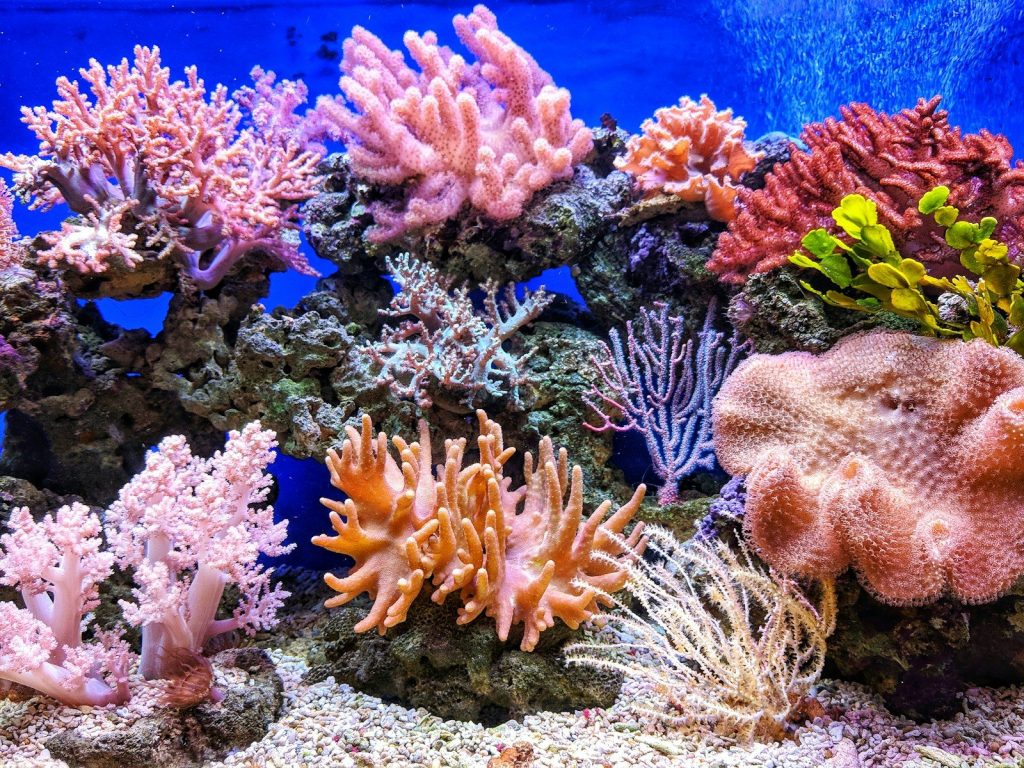
Marine ecosystems are also facing severe stress. Warm-water coral reefs have experienced significant losses due to rising ocean temperatures and climate change. Coral ecosystems are especially vulnerable because even small temperature increases can lead to large-scale bleaching and die-offs.
Declines Across Multiple Animal Groups
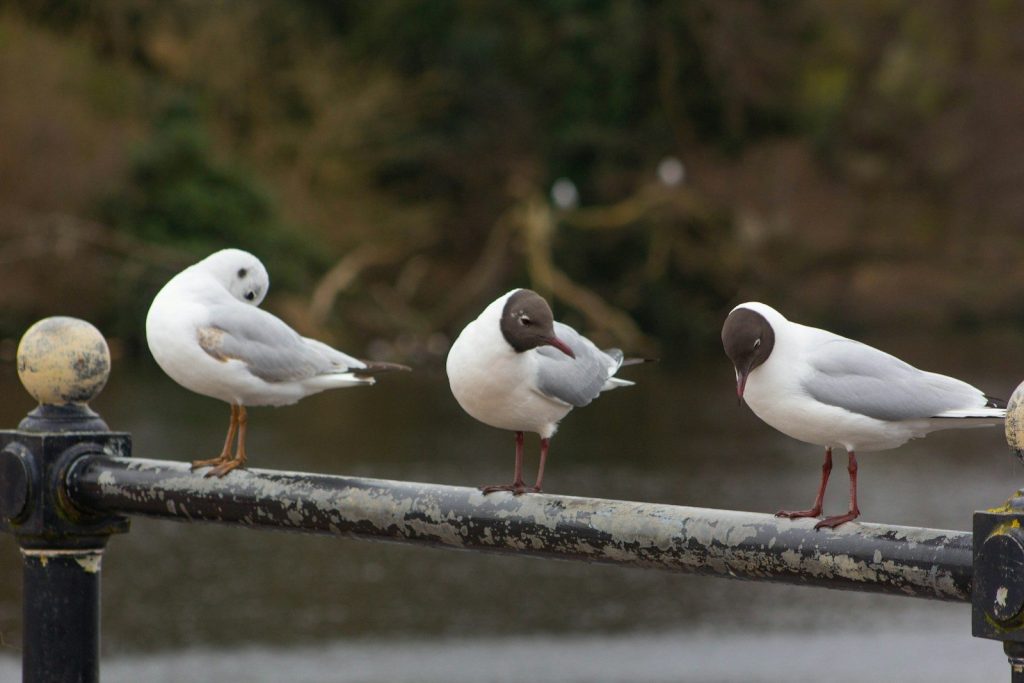
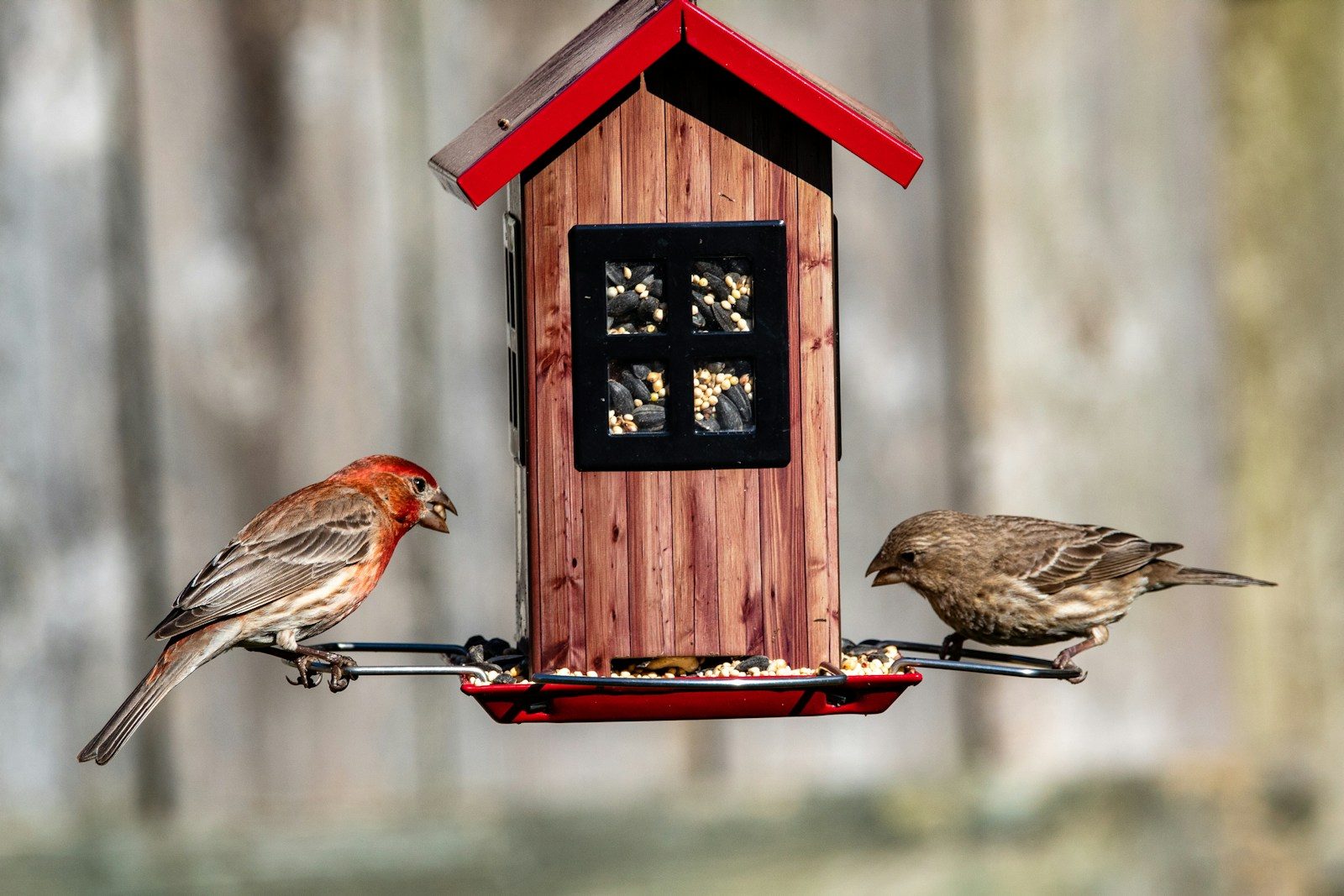
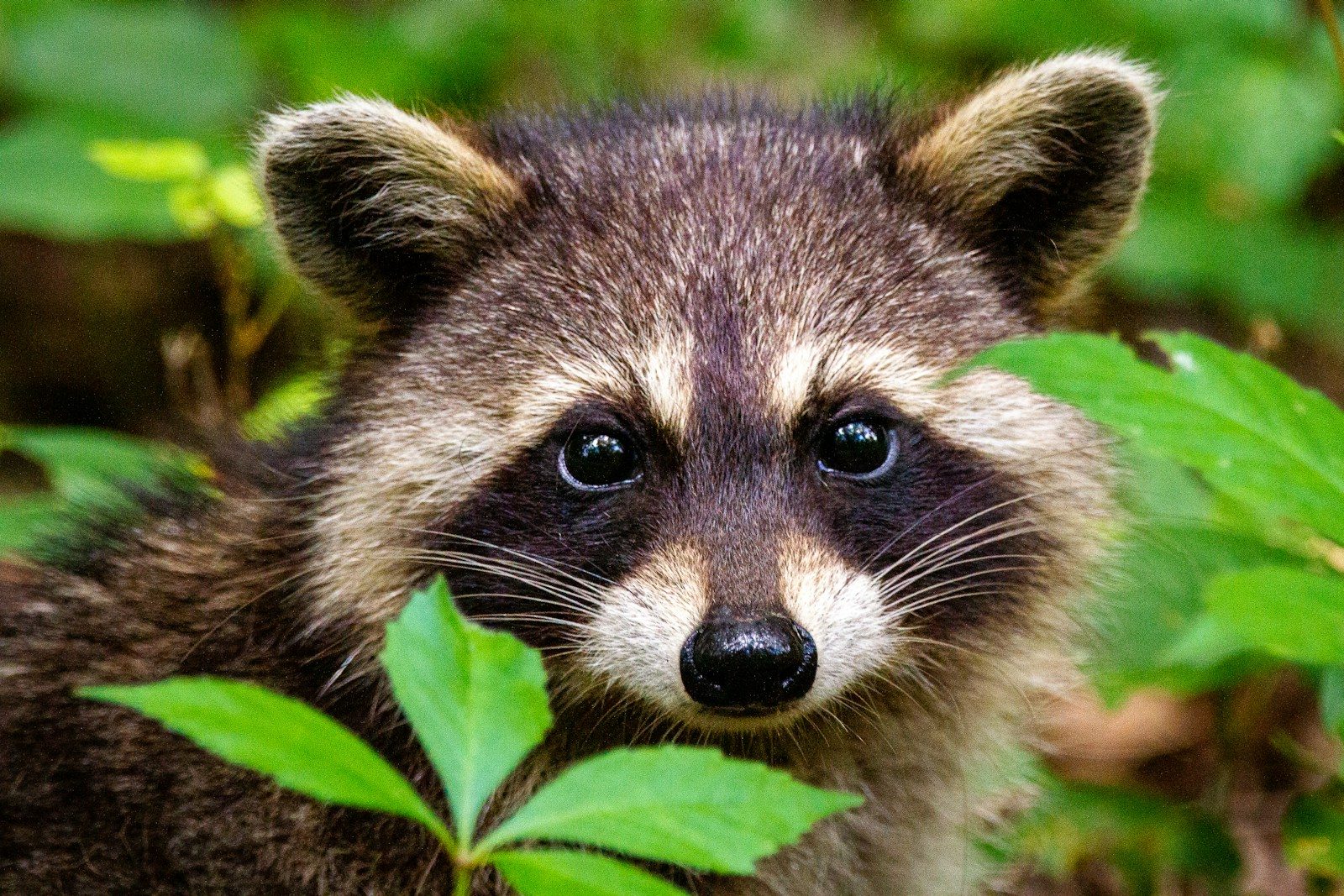
The report highlights that amphibians, birds, fish, reptiles, and mammals have all experienced major population declines. Amphibians are among the fastest-declining groups due to habitat loss, disease, and environmental changes.
Regional Differences in Decline
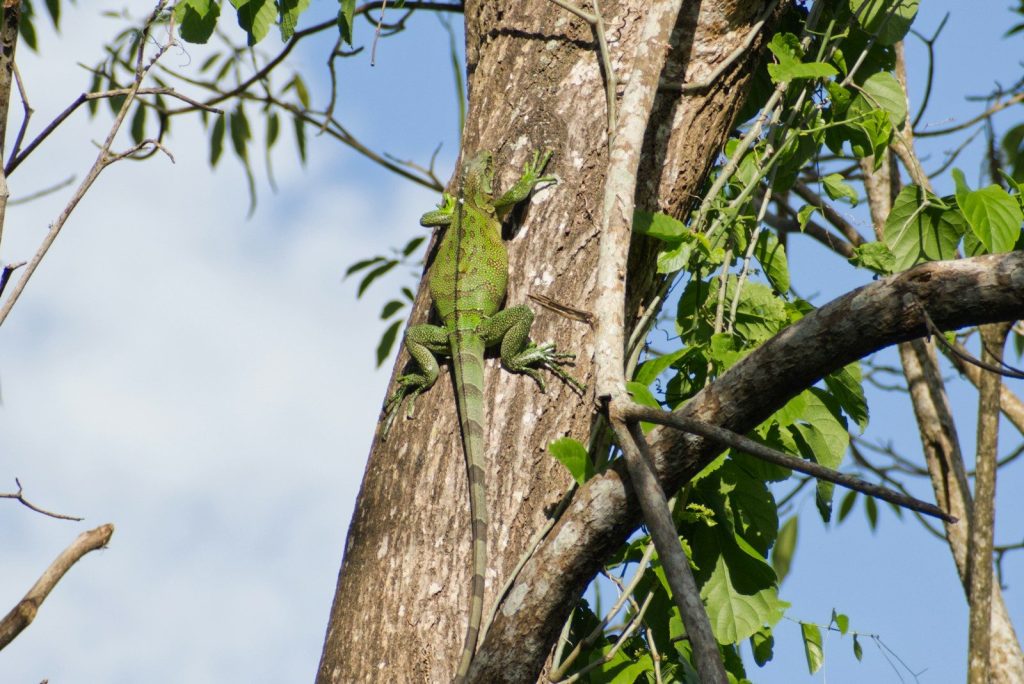
Wildlife declines are not evenly distributed across the world. Some regions, particularly parts of Latin America and the Caribbean, have experienced especially steep reductions in wildlife populations, reflecting high levels of habitat change and environmental pressure.
Is There Still Time to Act?
Despite the alarming figures, conservation experts stress that it is still possible to reverse some of these trends. Efforts focused on restoring ecosystems, protecting habitats, reducing pollution, and addressing climate change are all considered essential to stabilizing wildlife populations. A shift toward more sustainable, “nature-positive” practices is increasingly seen as necessary for long-term recovery.