Skip to content

Recent Posts

  • This Delicacy Is Driving a Rare Animal Toward Extinction
  • Unforgettable Wildlife Experiences Across British Columbia
  • Canada’s Wild Horse National Park Hidden in the Atlantic
  • Hunters Flock to These US States Every Deer Season
  • Vultures May Be Helping Florida Fight Invasive Burmese Pythons

Most Used Categories

  • Nature & Wildlife (102)
  • Risk (25)
  • Hunting (17)
  • Human Interest (15)
  • Survival (13)
  • Bees/Swarms fear (12)
  • Exotic Animals (7)
  • Suspense (6)
  • Adventure (3)
  • Gears (2)
Skip to content
  • About Us
  • Contact Us
  • Disclaimer
  • Privacy Policy
  • Terms & Conditions

Hive Hunters Tales

  • Suspense
  • Nature & Wildlife
  • Human Interest
  • Hunting
  • Bees/Swarms fear
  • Exotic Animals
  • Risk
  • Survival
  • Adventure
  • Gears
  • Home
  • Nature & Wildlife
  • 7 Differences Between Antelope and Gazelle Most People Never Notice
gazelle, horns, antelope, springbok, animal, namibia, nature, wildlife, safari, etosha, wild, national park, impala, zoo, hellabrunn, wild animals, wilderness, few, steppe, africa, gazelle, gazelle, gazelle, gazelle, gazelle, antelope, antelope, antelope, springbok, springbok, springbok, springbok, namibia, namibia, namibia, safari, safari, impala, impala, africa

7 Differences Between Antelope and Gazelle Most People Never Notice

JakeMay 31, 2026

To many people, antelopes and gazelles look almost identical. Both are fast, graceful hoofed animals that roam Africa and parts of Asia. But wildlife experts can usually spot the differences immediately. While all gazelles are technically antelopes, not every antelope is a gazelle. Their body structure, behavior, habitat, and survival strategies reveal some fascinating distinctions.

Gazelles Are Actually a Type of Antelope
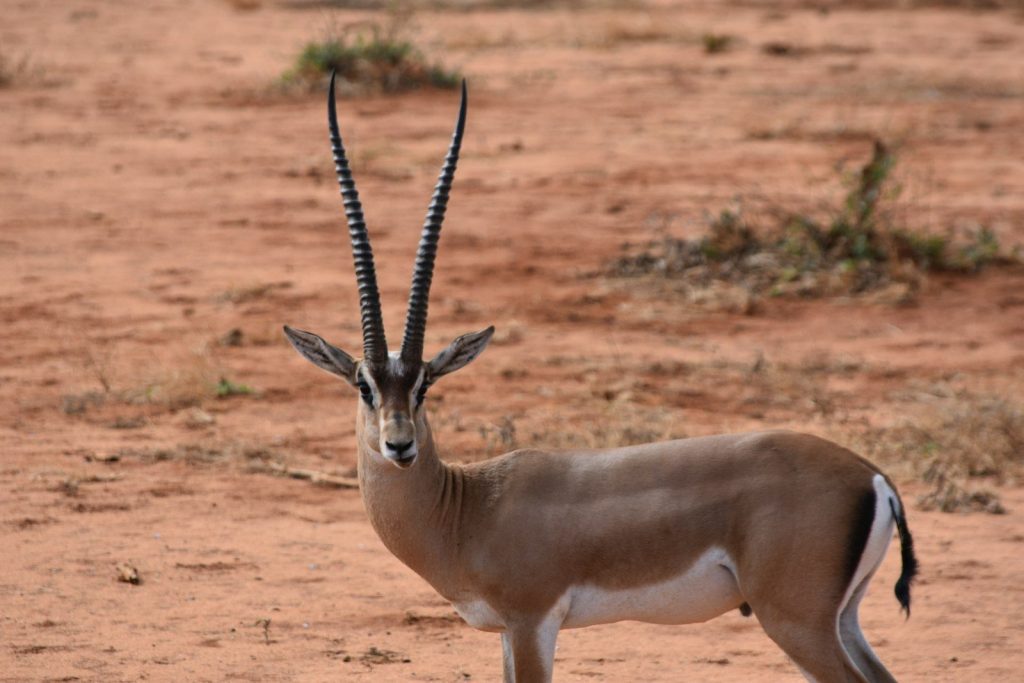
long horned animal standing on brown soil during daytime
Photo by Oliver Cox on Unsplash

One of the biggest misconceptions is that antelopes and gazelles are completely separate animals. In reality, gazelles belong to a specific subgroup within the broader antelope family. Antelope is a general term covering many species, while gazelles form a smaller, more specialized group.

Gazelles Tend to Be Smaller and Lighter
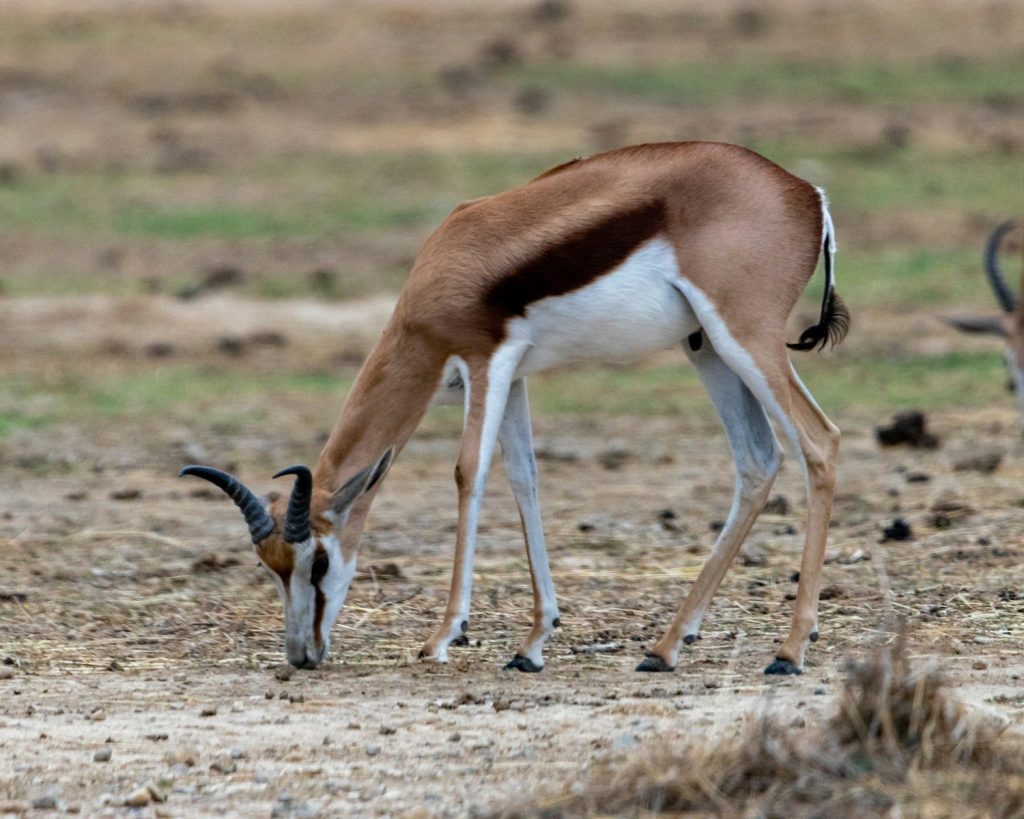
a gazelle eating grass in the middle of a field
Photo by Matthieu Rochette on Unsplash

Gazelles are usually slimmer and more lightly built than many other antelopes. Larger antelope species can be far heavier, while gazelles remain compact and agile. Their lighter bodies help them accelerate quickly and change direction when escaping predators.

Their Horns Often Look Different
a group of antelope standing on top of a lush green field
Photo by Gabriel Schumacher on Unsplash

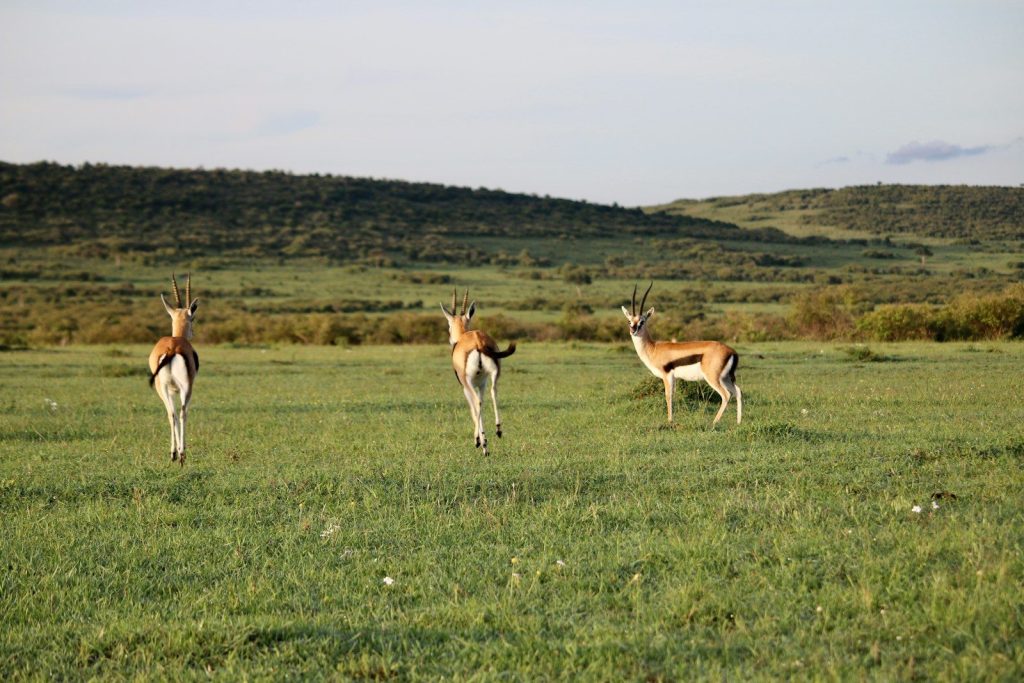
Gazelles typically have slender, ringed horns that curve gently backward. Other antelope species display a wider variety of horn shapes, including spirals, straight forms, or thicker ridged horns. Horn shape is often one of the easiest ways to distinguish species.

Gazelles Are Built for Extreme Speed
a deer in a field
Photo by Mike Angelides on Unsplash

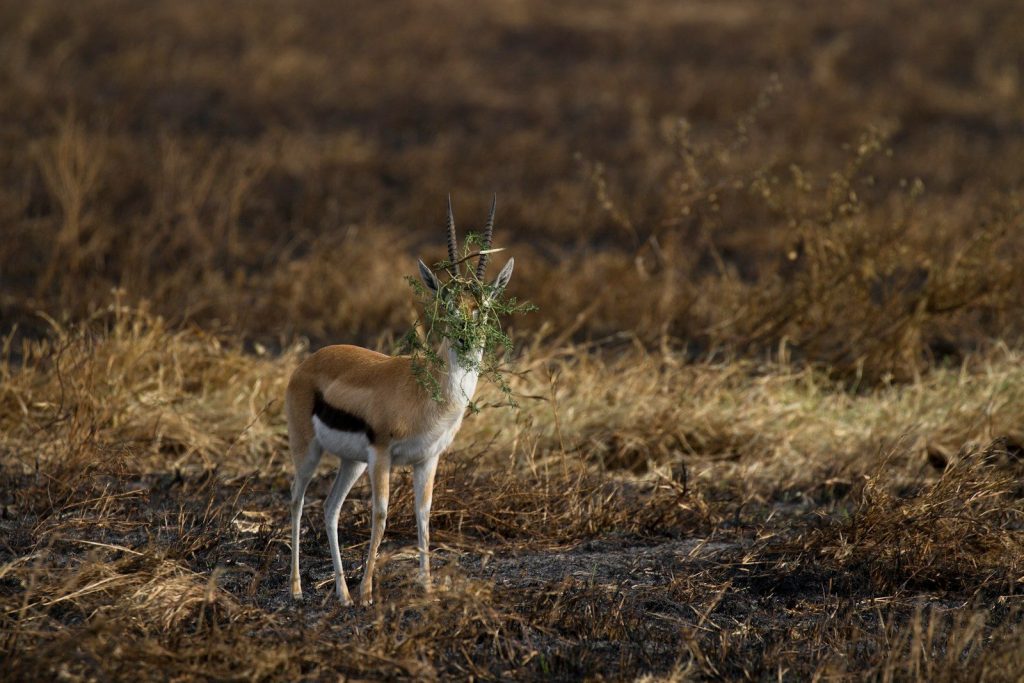
While many antelopes are fast, gazelles are especially known for their speed and agility. Some species can sprint at very high speeds across open plains. Their lightweight frame and long legs make them highly effective at escaping predators such as cheetahs and lions.

Antelopes Live in More Diverse Habitats
a couple of antelope standing on top of a lush green field
Photo by Carlos Cram on Unsplash

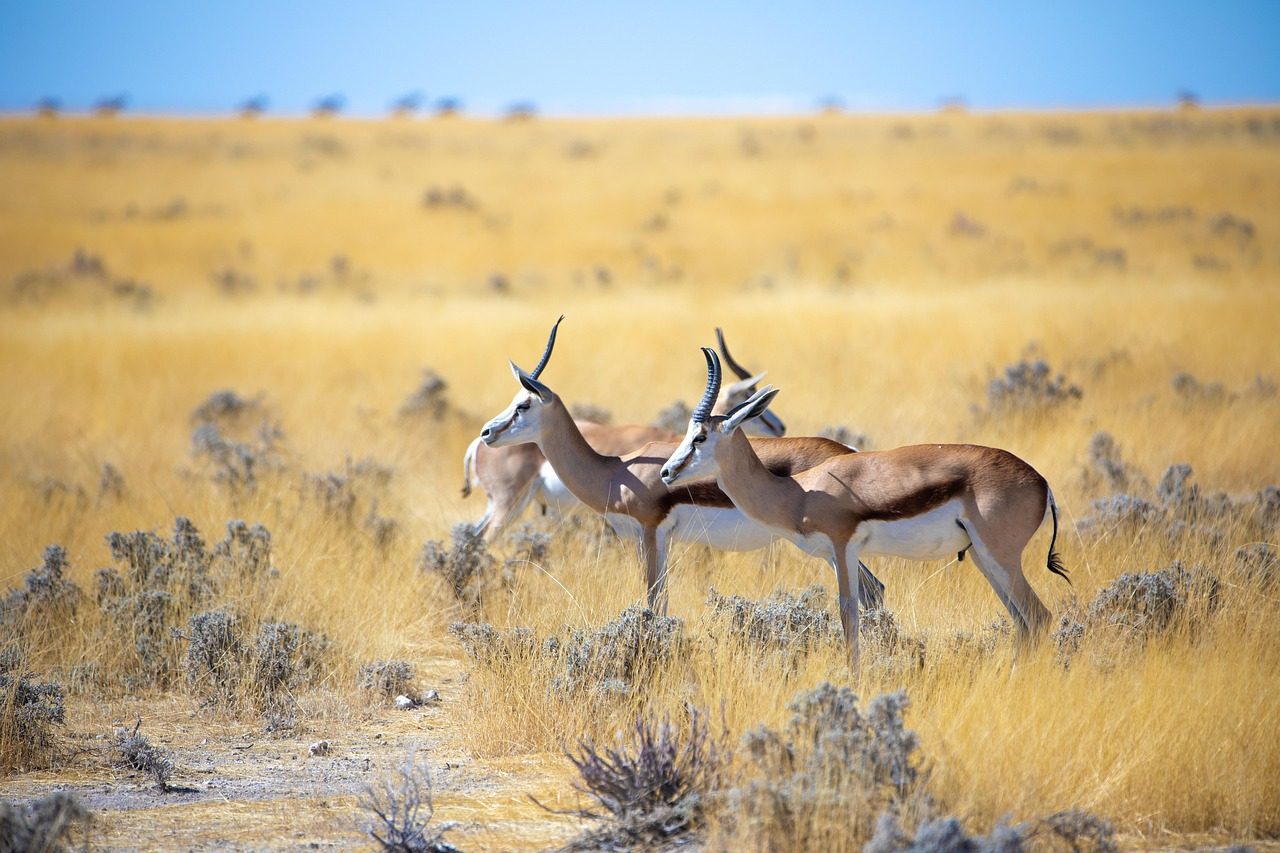
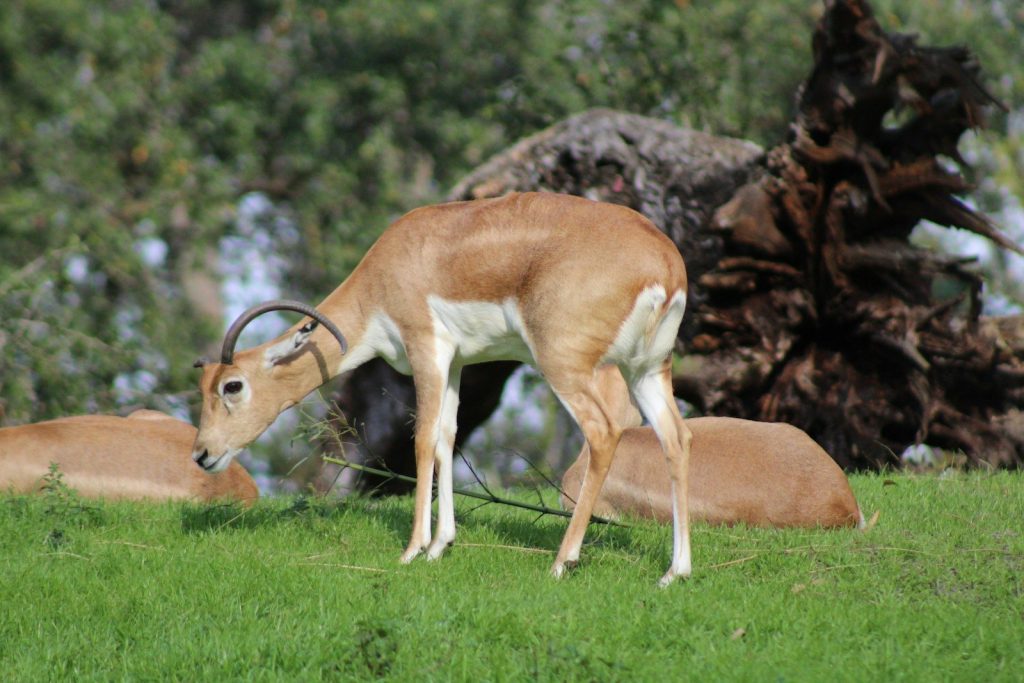
Gazelles usually prefer open grasslands and semi-desert regions where they can spot danger from far away. Antelopes as a group occupy a much wider range of environments, including forests, wetlands, mountains, and dense bushland.

Gazelles Often Have Distinct Facial Markings
gazelle, africa, animal, safari, antelope, impala, wildlife, horns, nature, springbok, wild, deer, wilderness, namibia, savannah, oryx, mother, sand, desert, poaching, gazelle, gazelle, gazelle, antelope, antelope, impala, springbok, springbok, deer, deer, deer, deer, deer
Photo by fleglsebastian7 on Pixabay

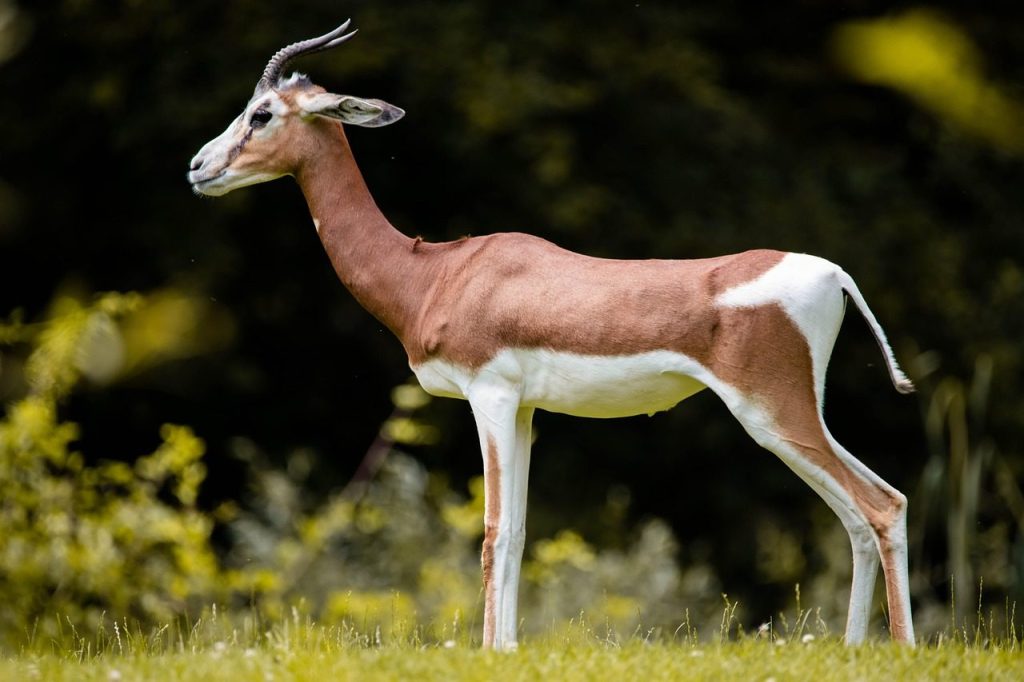
Many gazelle species feature dark stripes running from the eyes toward the nose along with bold body markings. These patterns help break up their outline and may assist with communication within herds. While some antelopes also have markings, gazelles are especially known for them.

Their Escape Behavior Is Different
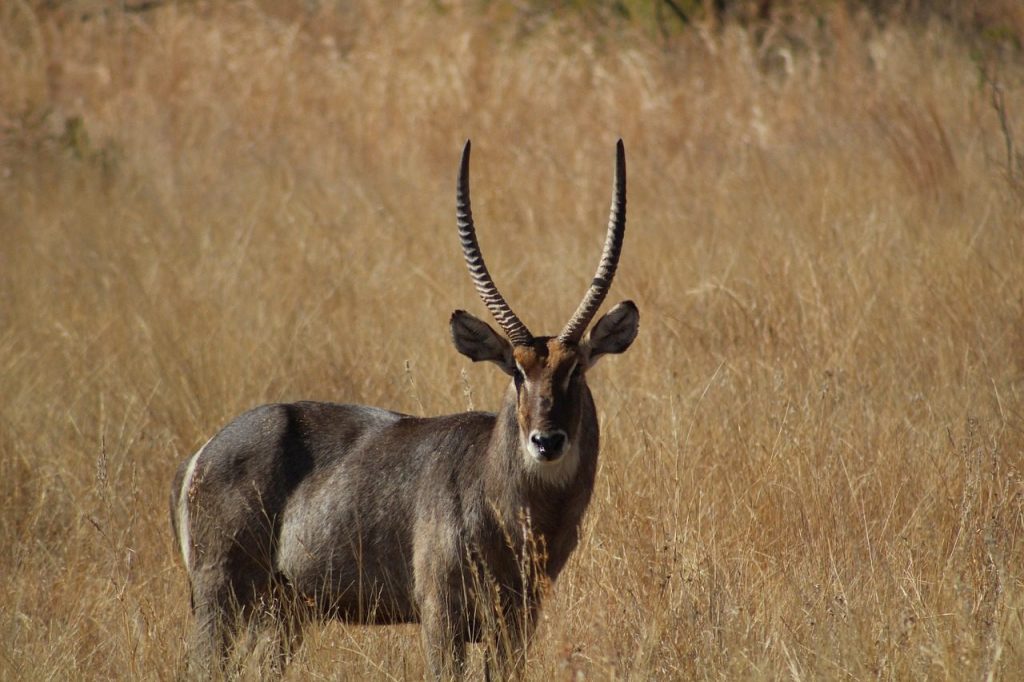
impala, safari, gazelle, wild, impala, impala, gazelle, gazelle, gazelle, gazelle, gazelle
Photo by wachtlm on Pixabay

Gazelles are known for a behavior where they leap high into the air when threatened. This movement may signal alertness and fitness to predators. Most other antelope species rely more on sprinting or herd movement rather than repeated vertical jumps.

Post navigation

Previous: 7 Creatures That Kill for “Fun” and What That Reveals About Nature
Next: Why Have Wildlife Populations Declined by 73%?

Related Posts

Pigeons surround a person's legs on a brick ground.

Unforgettable Wildlife Experiences Across British Columbia

June 3, 2026June 3, 2026 Jake
three assorted-color horses running away from a mountain

Canada’s Wild Horse National Park Hidden in the Atlantic

June 3, 2026June 3, 2026 Jake
flock of birds on green grass field during daytime

Vultures May Be Helping Florida Fight Invasive Burmese Pythons

June 3, 2026June 3, 2026 Jake

Leave a Reply Cancel reply

Your email address will not be published. Required fields are marked *

Recent Posts

  • This Delicacy Is Driving a Rare Animal Toward Extinction
  • Unforgettable Wildlife Experiences Across British Columbia
  • Canada’s Wild Horse National Park Hidden in the Atlantic
  • Hunters Flock to These US States Every Deer Season
  • Vultures May Be Helping Florida Fight Invasive Burmese Pythons
Copyright All Rights Reserved | Theme: BlockWP by Candid Themes.