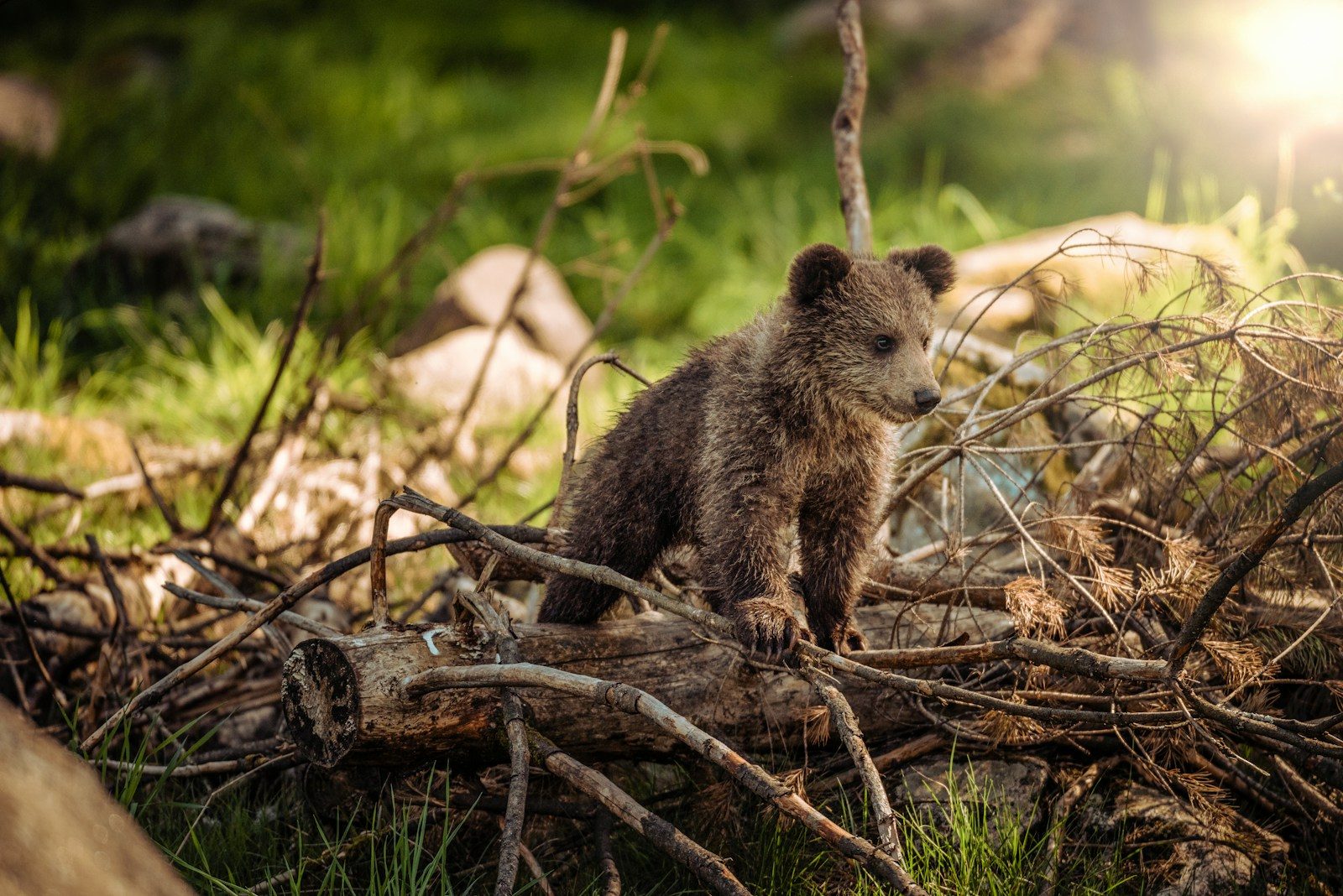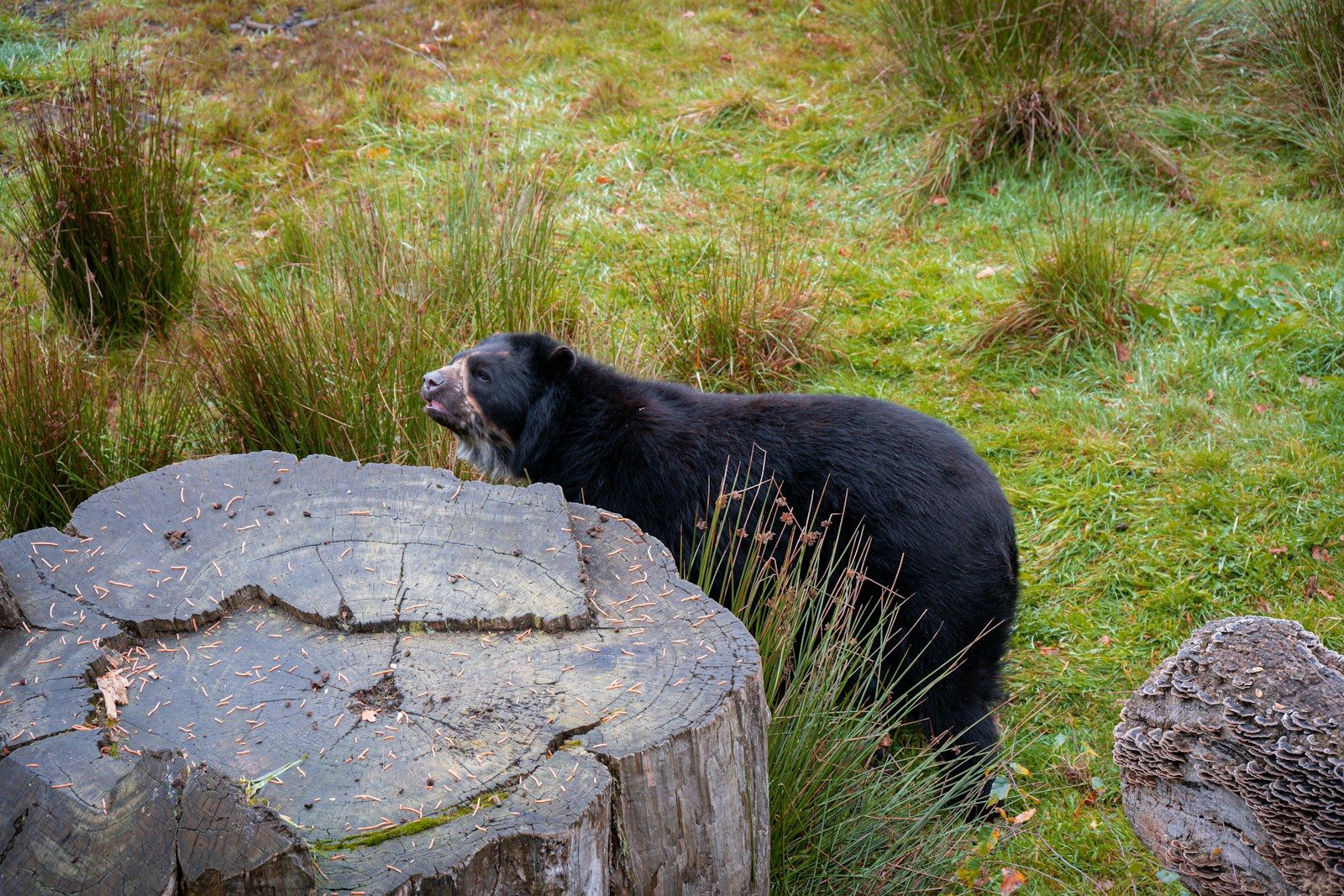
Twelve black bears from Marineland, the closed amusement park in Niagara Falls, Ontario, are on their way to a new life at a wildlife sanctuary in the United States after the park began winding down its animal operations.
The bears are being transported in pairs of trailers over a journey of more than 2,000 kilometres to the Wild Animal Sanctuary in Colorado, a large facility that is already home to nearly 1,000 rescued animals, including bears, lions, and tigers.
A New Life in a Vast Natural Habitat
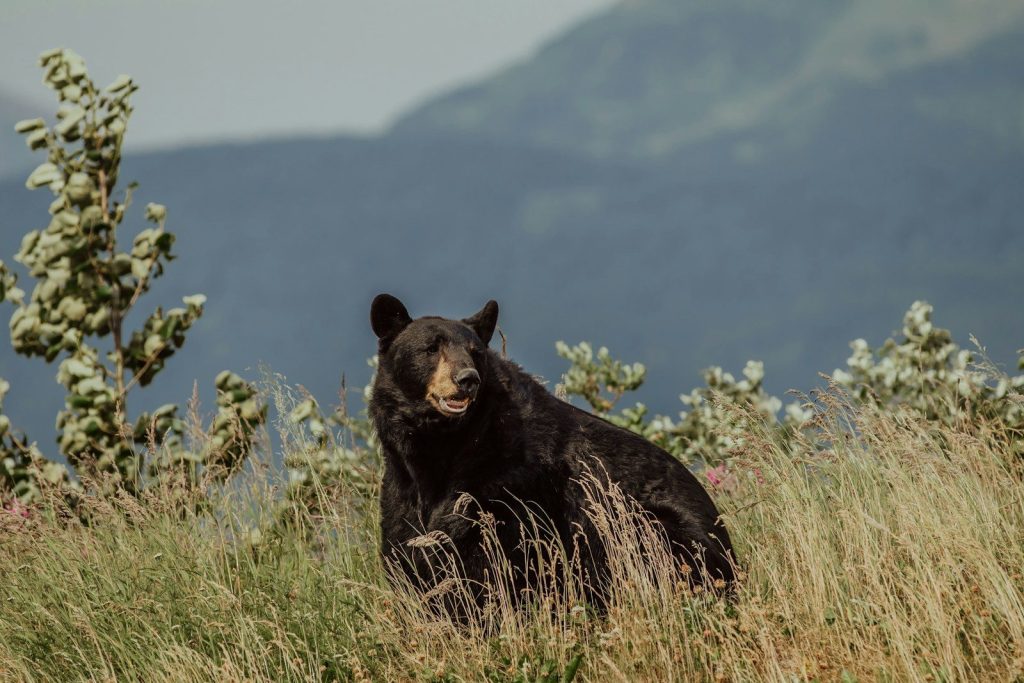
At the sanctuary, the bears will live on approximately 40 hectares of land, roughly the size of 75 football fields. The area includes forested terrain designed to mimic natural conditions as closely as possible.
Sanctuary officials say the space will allow the bears to roam freely in a safer and more natural environment compared to captivity.
“It’s almost like they’re going to live back in the wild, even though these guys never did,” said sanctuary executive director Pat Craig.
Careful Planning Behind the Transfer
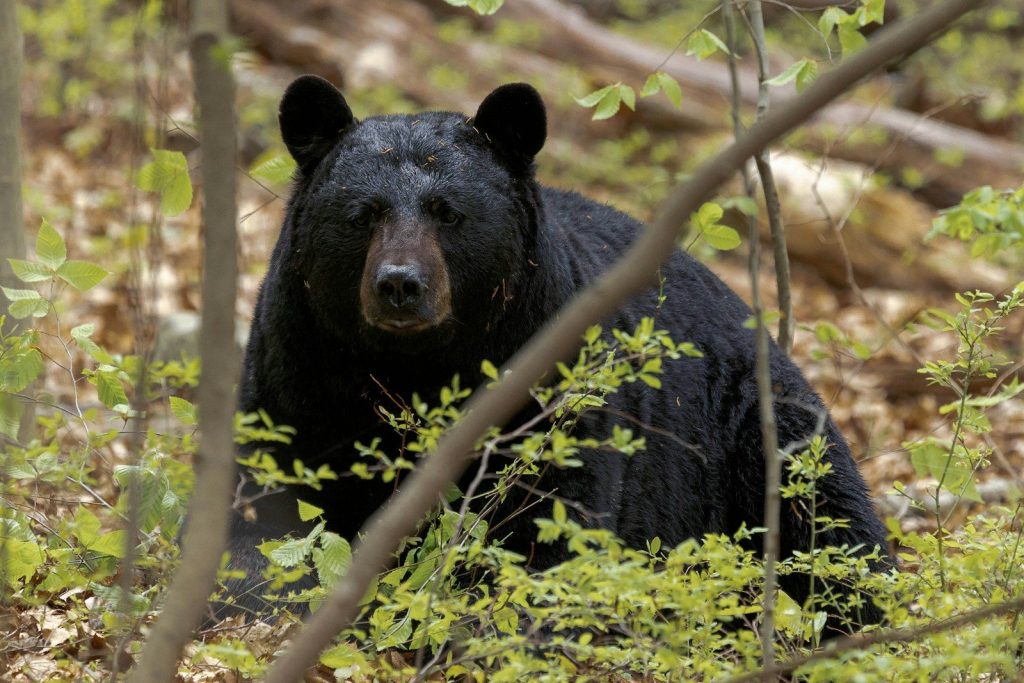
The relocation was carefully coordinated between Marineland staff and sanctuary workers. Preparation began early in the morning, and the entire loading process was completed within hours.
Officials say the move went smoothly due to extensive planning and communication between both teams.
“It is a really wonderful sanctuary facility and they have the space and resources to care for that number of bears,” said animal welfare advocate Julie Woodyer.
Marineland’s Ongoing Animal Relocation Efforts
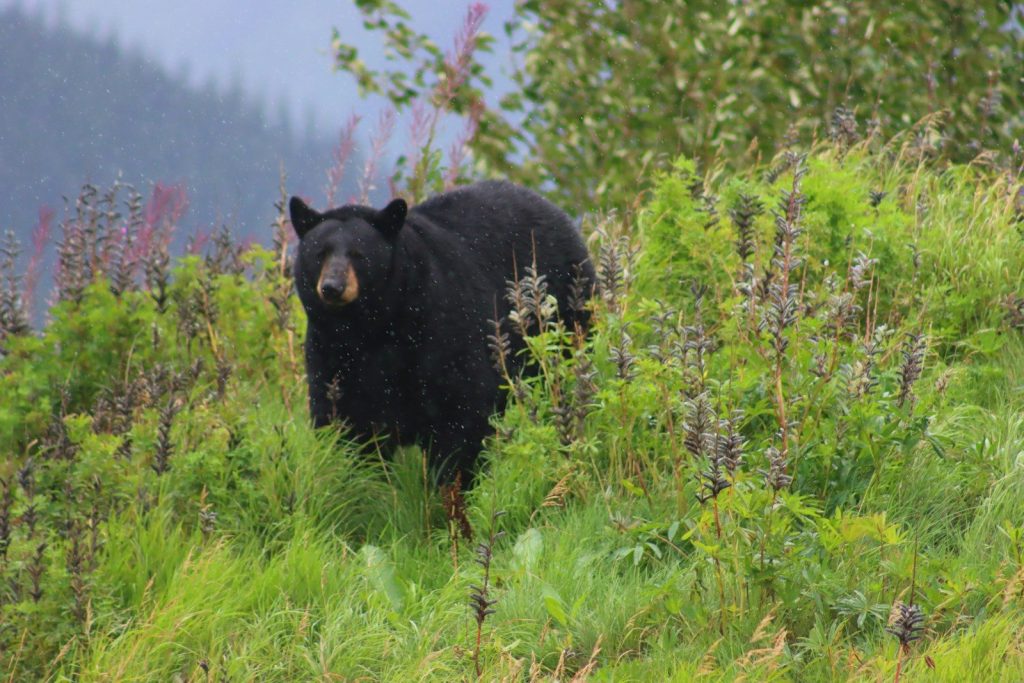
Marineland, which closed to the public in 2024 following the death of its owner, is gradually relocating its remaining animals. Along with the bears, several hundred deer still remain on site.
The park is also working to transfer 30 beluga whales and four dolphins in coordination with international facilities and animal welfare groups.
However, funding challenges have complicated long-term care, and discussions about the future of the remaining marine mammals are still ongoing.
Uncertain Future for Remaining Animals
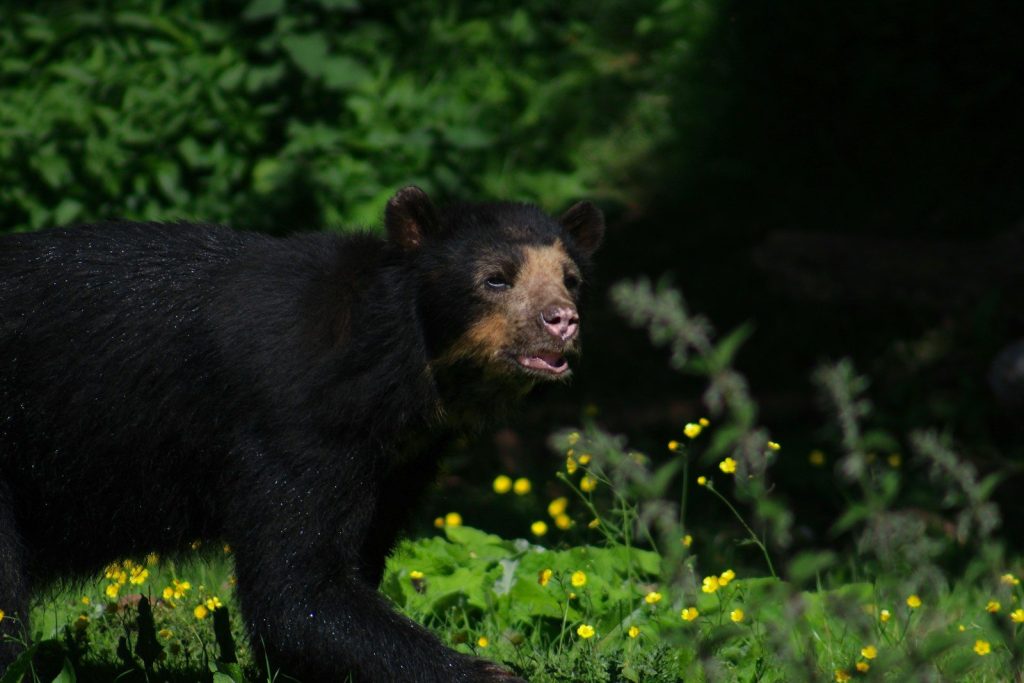
Since 2019, multiple marine mammal deaths have been reported at Marineland, raising concerns from animal welfare organizations.
While a federal ban on keeping marine mammals in captivity came into effect in Canada, existing animals were grandfathered in, allowing Marineland to continue housing them under strict conditions.
Efforts are now focused on ensuring all remaining animals are safely relocated as the park prepares for a potential sale of its property near Niagara Falls.
A Step Toward a New Chapter
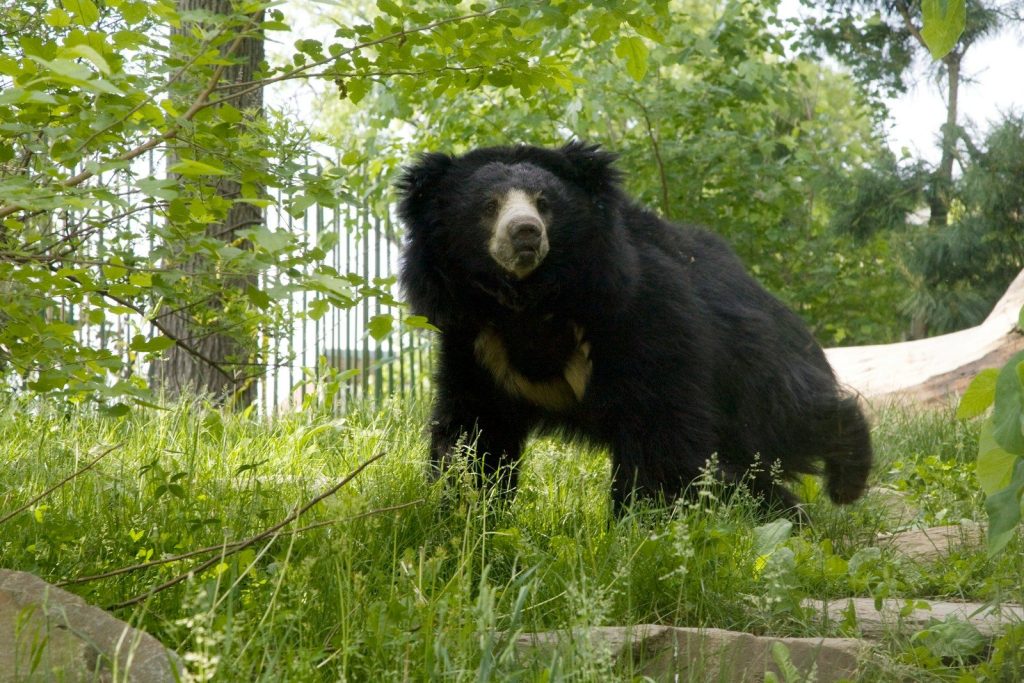
For the 12 bears now en route to Colorado, the move represents a significant change in their lives. After years in captivity, they are expected to live in a more natural environment with greater space and enrichment.
Animal welfare groups say the relocation highlights growing efforts to transition captive wildlife into sanctuary settings where they can live out the rest of their lives in improved conditions.