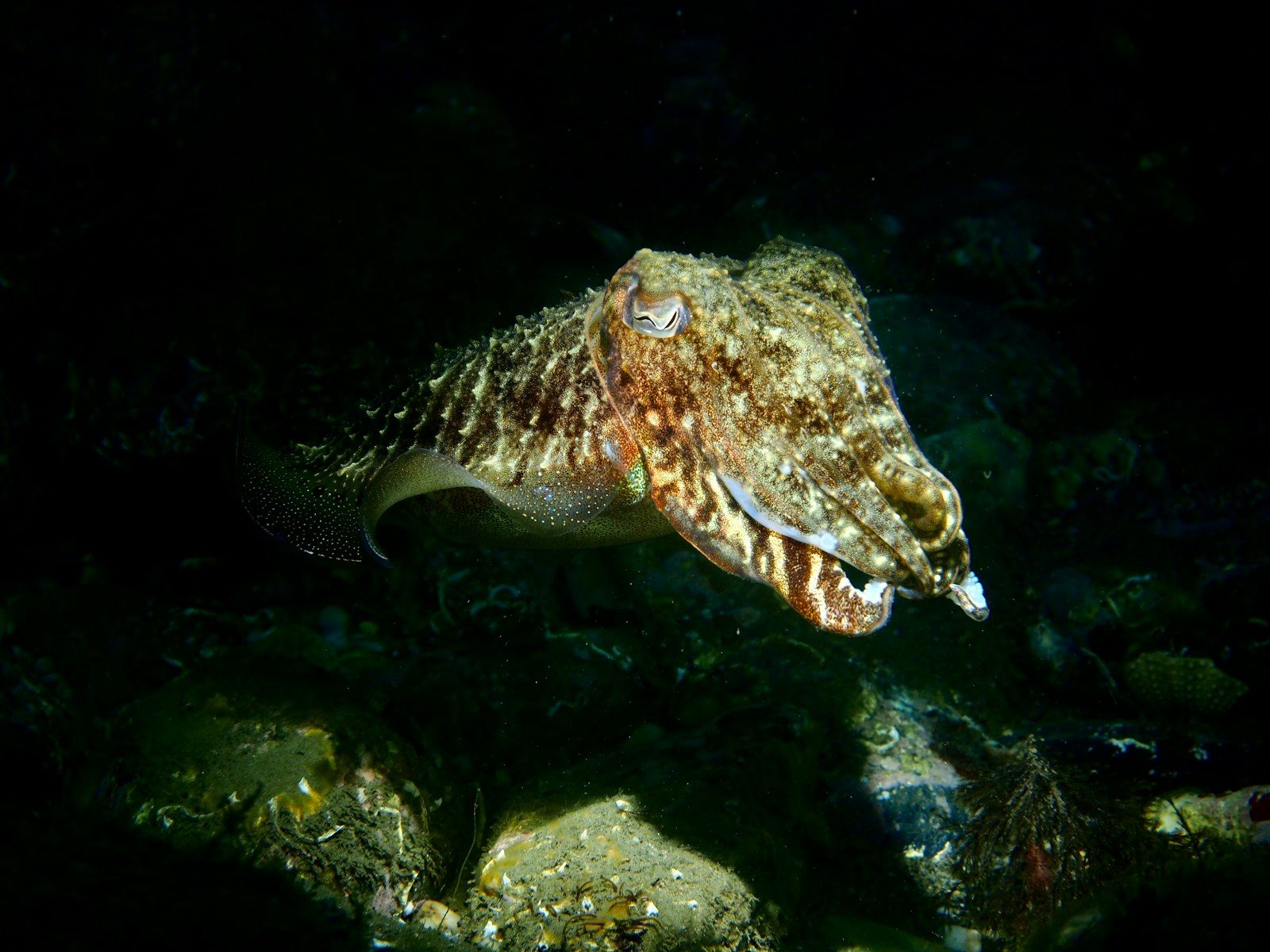
The cuttlefish is one of the ocean’s most unusual and intelligent animals, often described as a master of disguise. It can change its color, texture, and even body shape in seconds, making it nearly invisible against sand, coral, or seaweed.
Despite looking delicate, this marine predator is highly advanced, with biological traits that feel almost alien. Its combination of speed, intelligence, and camouflage makes it one of the most fascinating hunters in the ocean.
A Body Designed Like a Living Camouflage System
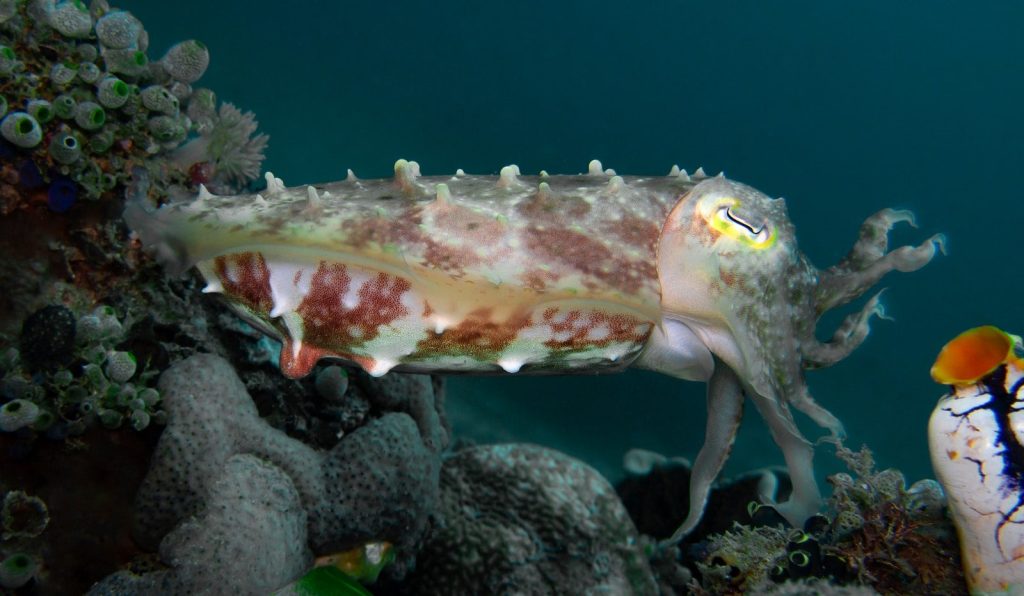
The cuttlefish can transform its skin to match nearly any background it encounters. Special cells called chromatophores expand and contract to produce rapid changes in color and pattern.
Beneath these layers, reflective cells help shift brightness and texture, creating effects that resemble moving sand, rocks, or waves. This allows the cuttlefish to vanish into its surroundings almost instantly.
Three Hearts That Keep It Alive Under Pressure
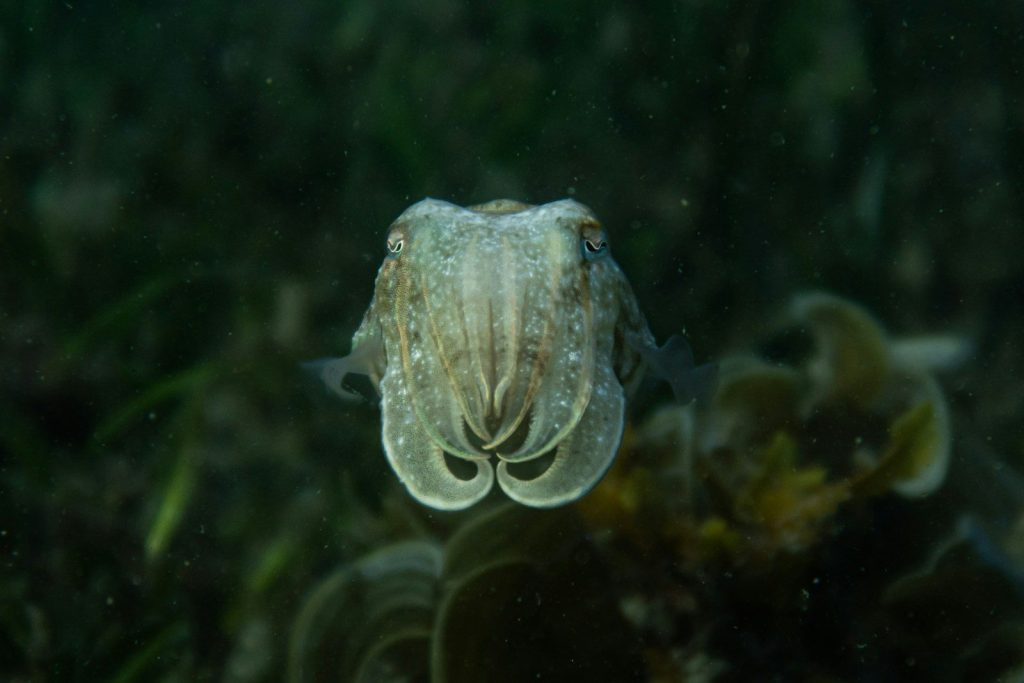
Unlike most marine animals, the cuttlefish has three hearts working together to circulate blood. Two hearts pump blood to the gills, while the third sends oxygen-rich blood to the rest of the body.
This system supports its active lifestyle and fast bursts of movement. However, when it swims quickly, its main heart temporarily stops beating, which is one reason it prefers slow, controlled motion.
Blue Blood and a Copper-Based Oxygen System
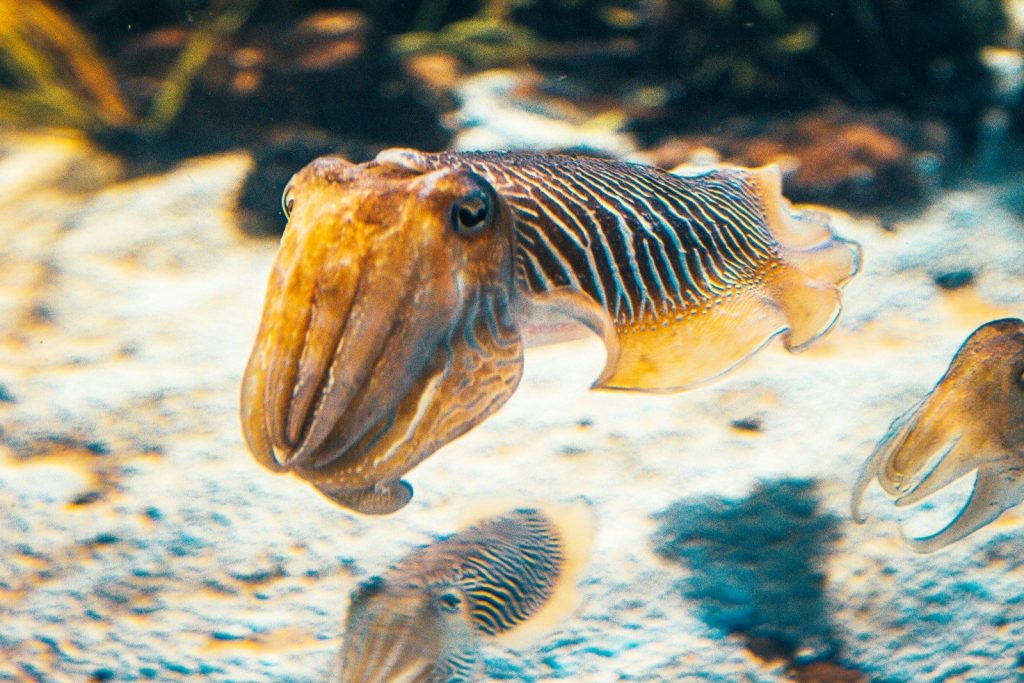
The cuttlefish has blue blood due to a copper-rich protein called hemocyanin, which carries oxygen instead of the iron-based hemoglobin found in humans.
This adaptation works efficiently in cold, low-oxygen ocean environments. It helps the cuttlefish survive in deep or murky waters where oxygen levels can fluctuate.
Eyes That See the World in a Unique Way
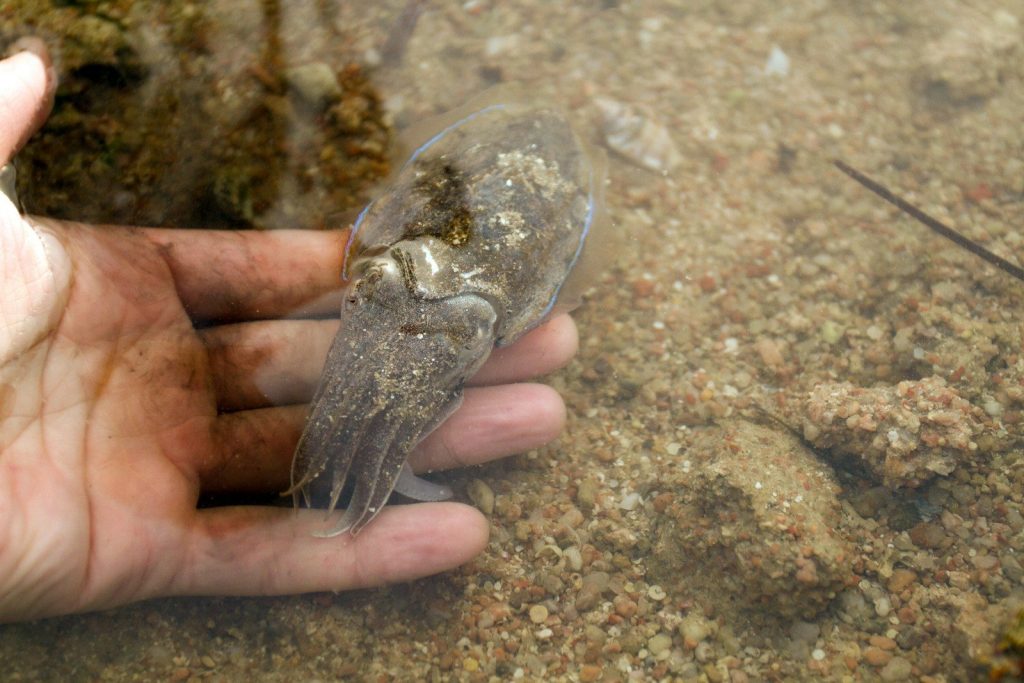
Cuttlefish have distinctive W-shaped pupils that give them exceptional control over how they perceive light and contrast. Their vision is highly developed, especially for detecting movement and changes in their environment.
Interestingly, they can see polarized light, which helps them identify transparent prey like shrimp and fish. This advanced visual system plays a key role in both hunting and camouflage.
A Shape-Shifting Hunter With Incredible Control
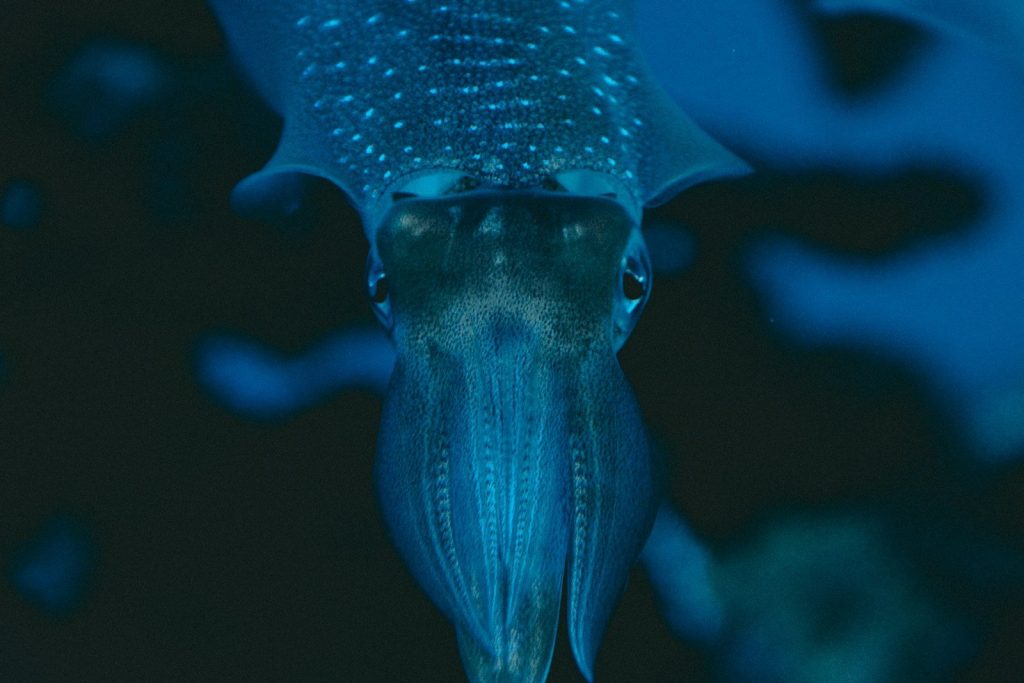
Beyond color changes, cuttlefish can alter the texture of their skin by raising or lowering small muscular structures called papillae. This allows them to mimic rocks, coral, or even sand ripples.
They also use rapid body movements and shifting patterns to confuse predators and prey. This ability makes them one of the most effective stealth hunters in the ocean.
Intelligence That Surprises Scientists
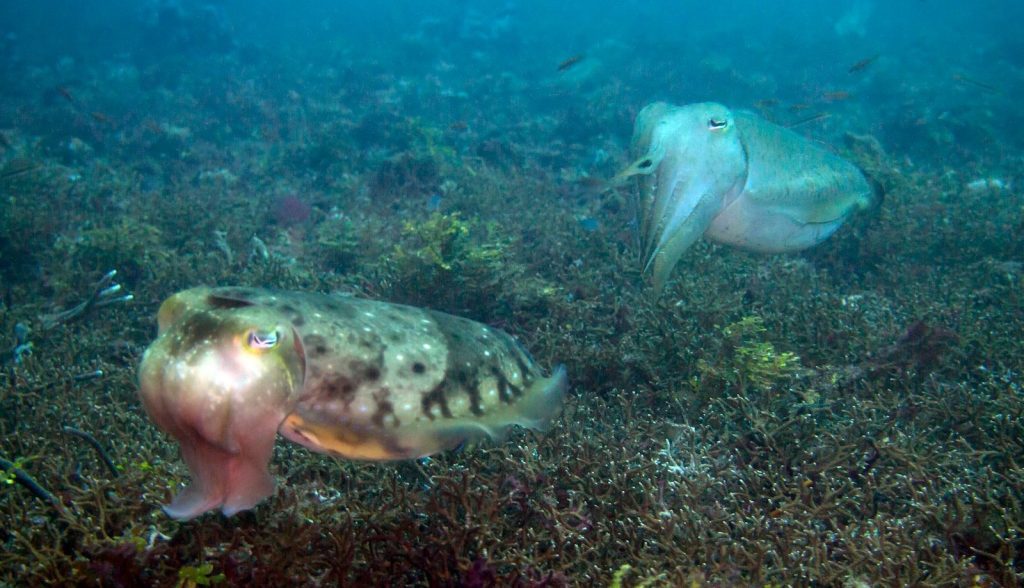
Cuttlefish are considered highly intelligent for invertebrates, showing problem-solving abilities and complex behavior. Studies suggest they can learn from experience and adapt their hunting strategies.
Some experiments show they can delay gratification, choosing better rewards later rather than immediate ones. This level of behavioral complexity is rare in marine animals.