Canada’s wild elk, also known as wapiti, are among the most iconic large mammals roaming forests, mountains, and grasslands across North America. While they are fairly well known, many of their behaviors, adaptations, and survival strategies remain surprising even to wildlife enthusiasts. These animals are far more complex and intelligent than they first appear.
Elk also play an important ecological role by shaping vegetation patterns and supporting predator populations. Their presence is often used as an indicator of ecosystem health in protected wilderness areas and national parks.
Massive but Surprisingly Agile Animals
Canadian elk are one of the largest deer species in the world, with adult males reaching impressive weights. Despite their size, they can run quickly and navigate steep, uneven terrain with ease.
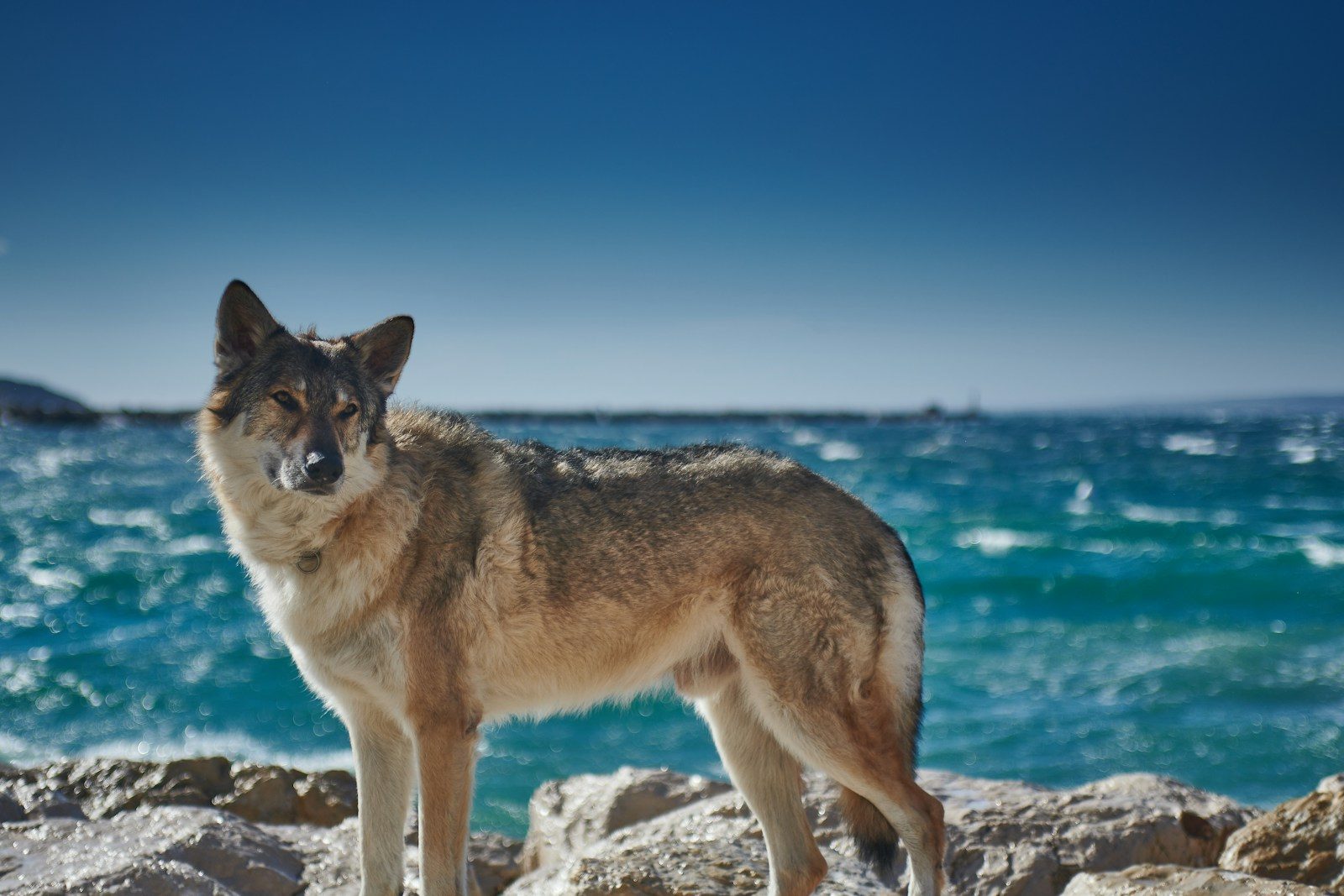
Their agility helps them escape predators such as wolves and bears. It also allows them to migrate long distances between seasonal habitats in search of food and safety.
Antlers That Regrow Every Year
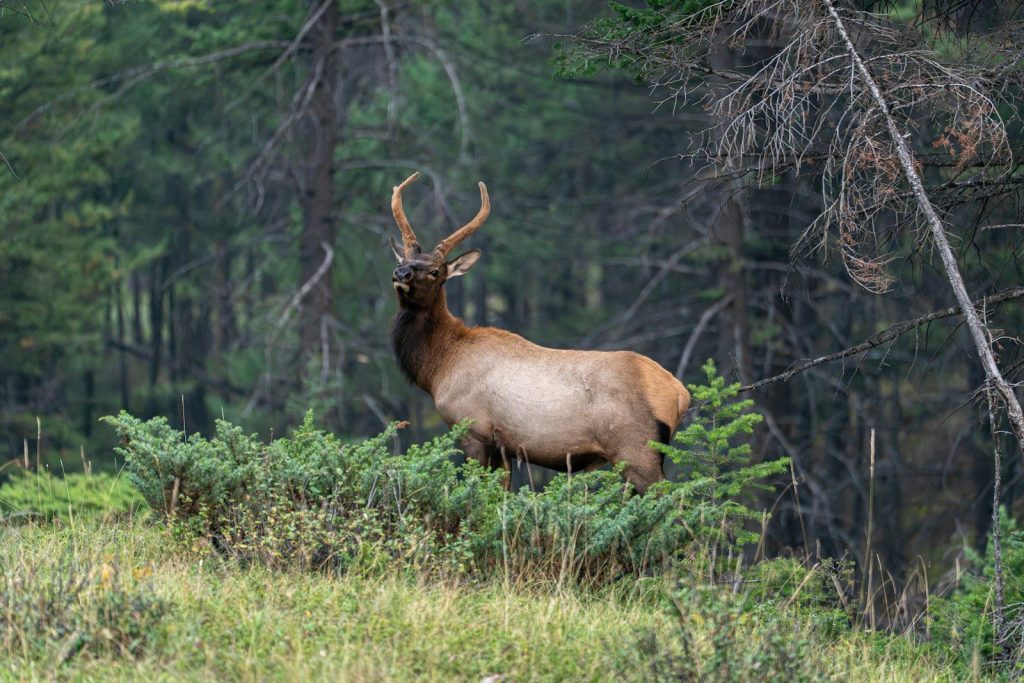
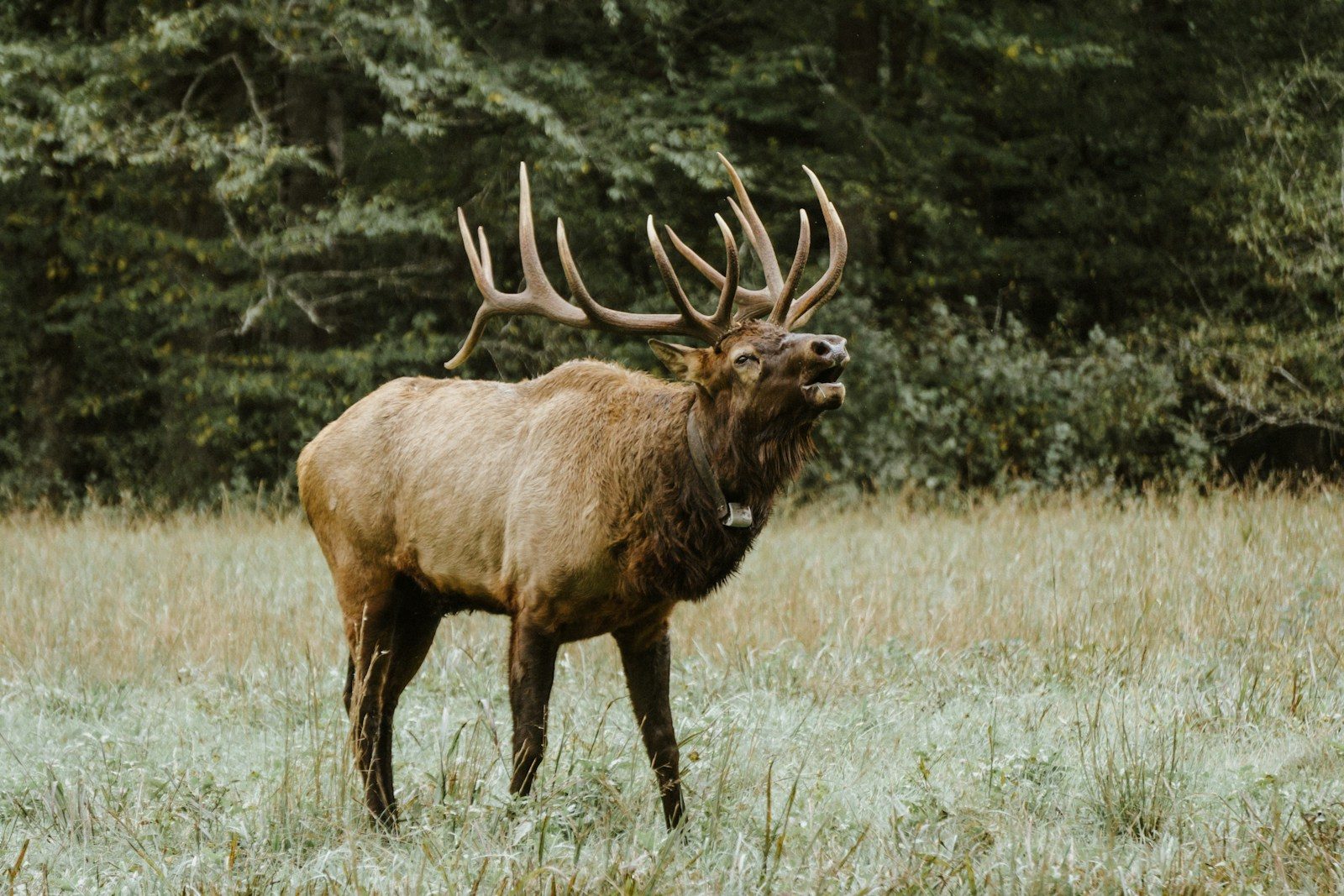
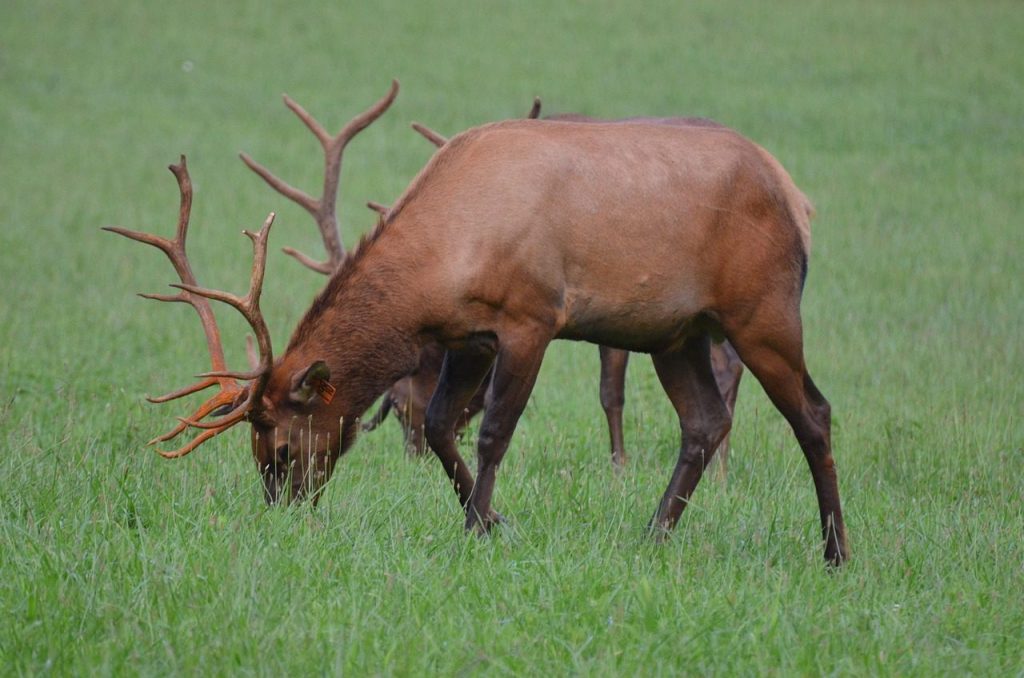
Male elk grow large antlers that are shed and regrown annually, making them one of nature’s most remarkable biological cycles. During peak growth, antlers can grow rapidly before hardening into solid bone.
These antlers are primarily used in mating competitions where bulls fight for dominance. Once the breeding season ends, the antlers fall off naturally and the cycle begins again.
Highly Social Herd Animals
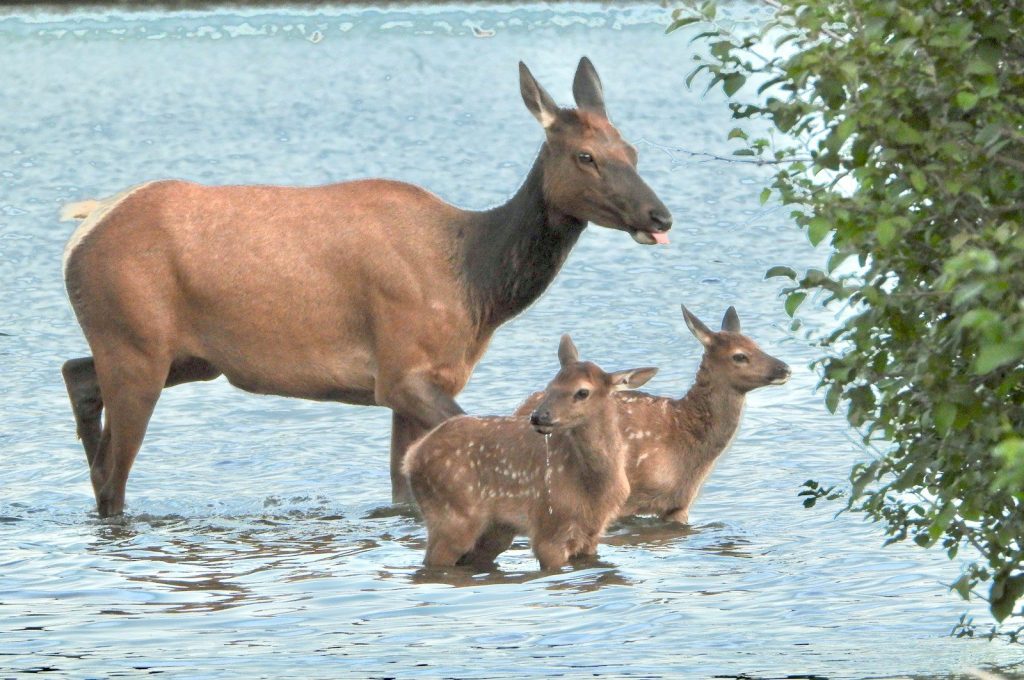
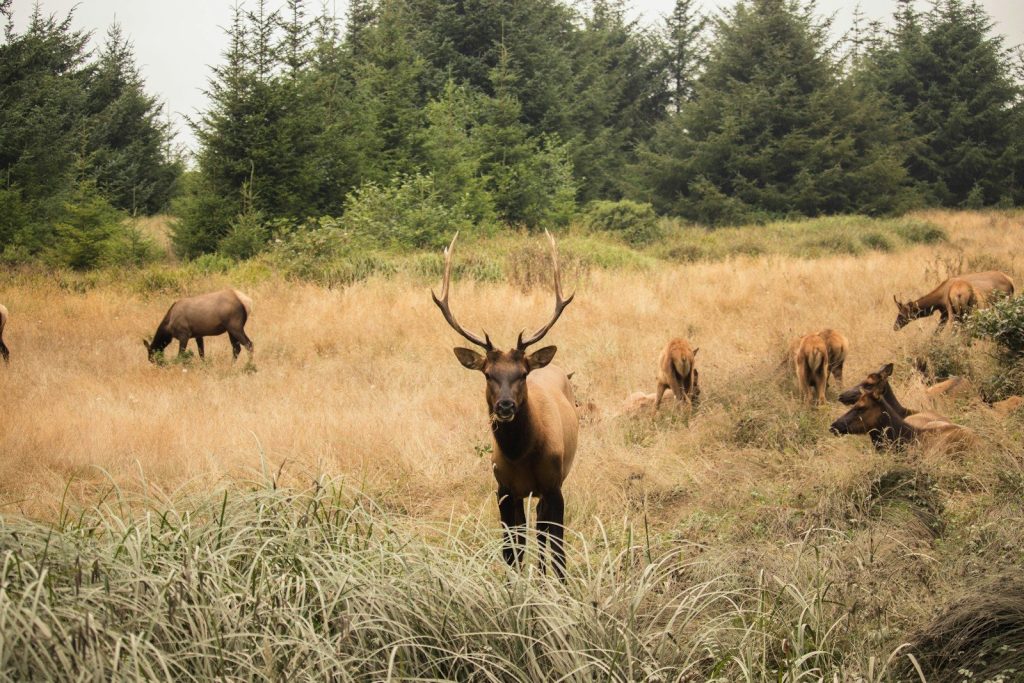
Elk are deeply social and typically live in structured herds rather than alone. Females and calves form stable groups, while males often separate outside the breeding season.
This herd structure provides protection against predators and improves survival rates. It also allows coordinated movement during migration and seasonal changes.
Powerful Communication Skills
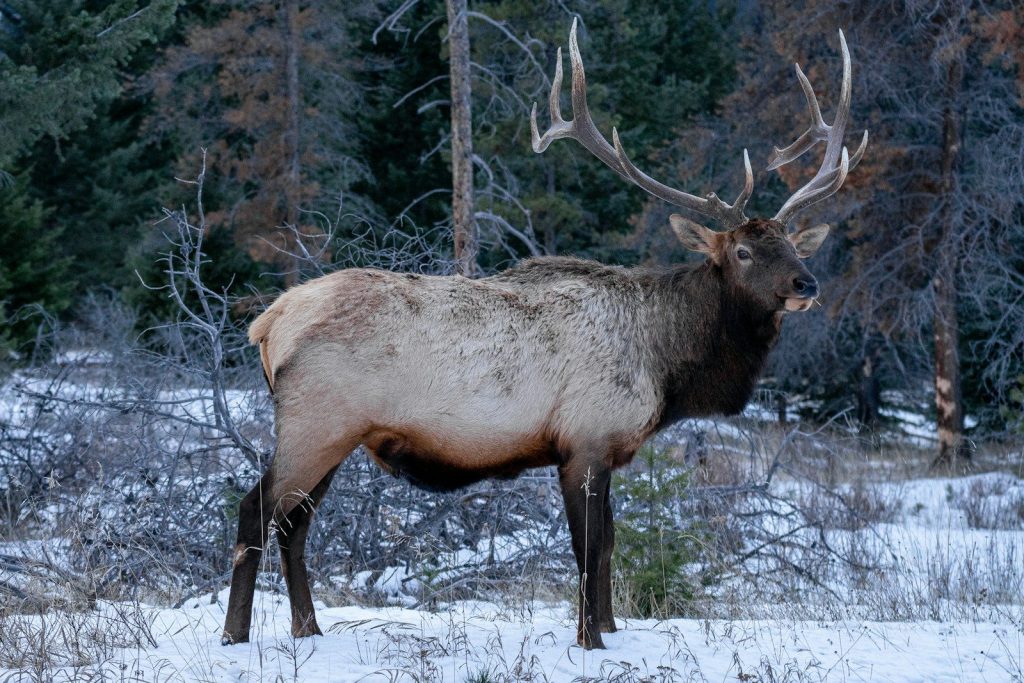
Elk are known for their vocal range, especially the dramatic bugle call made by males. This sound is used to attract mates and challenge rival bulls during mating season.
They also use grunts, barks, and other sounds to signal danger or maintain group cohesion. These vocalizations help them survive in dense forests where visibility is limited.
Seasonal Migration Patterns
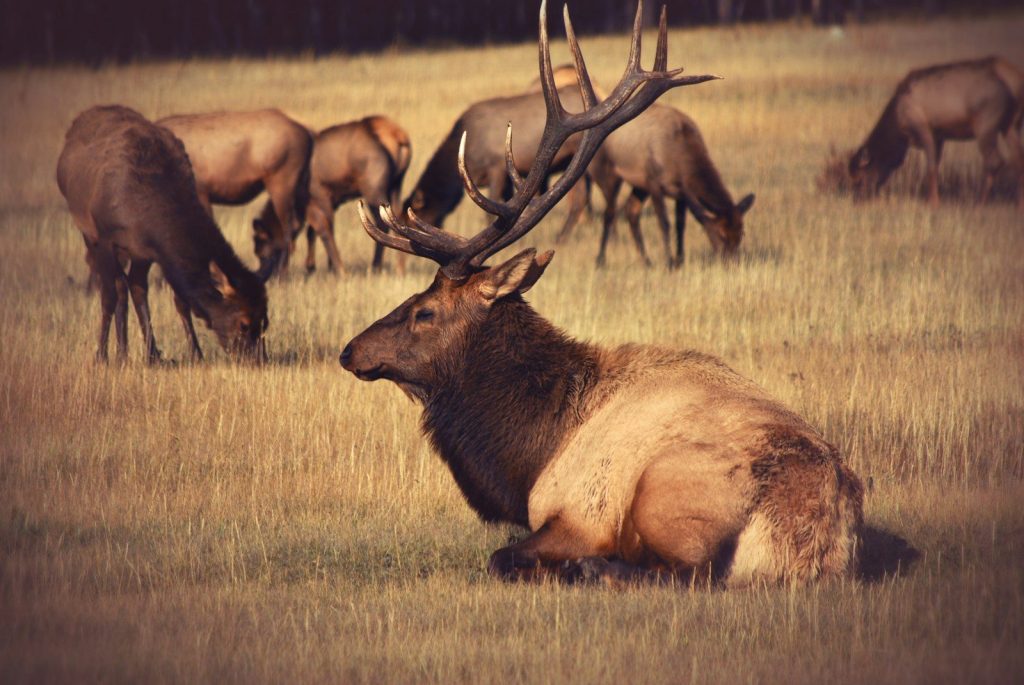
Elk often move between elevations depending on the season, traveling to higher ground in summer and lower valleys in winter. This migration helps them find food and avoid deep snow conditions.
Their movement also supports ecosystem balance by preventing overgrazing in a single area. These seasonal journeys are essential for long-term survival.
Protective Mothers and Calf Survival
Female elk give birth in secluded areas to protect their young from predators. Calves are born with spotted coats that help them blend into their surroundings.
For the first few weeks, mothers leave calves hidden while they feed nearby. This strategy reduces predator detection and increases survival chances during early life.
Key Role in Ecosystems and Food Chains
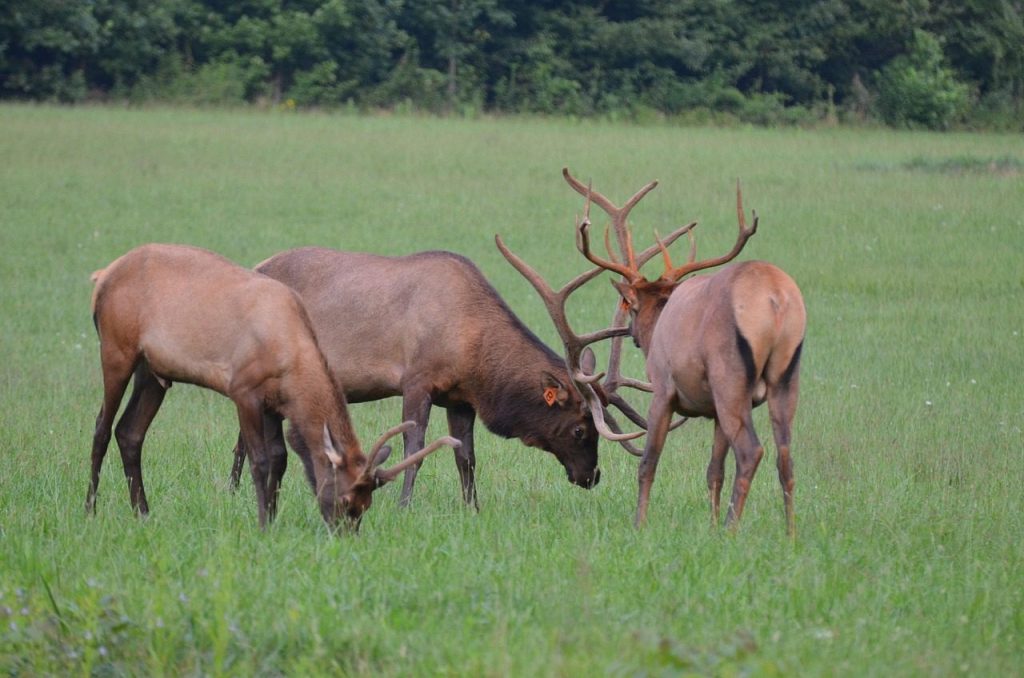
Elk help shape ecosystems by grazing on grasses, shrubs, and young trees. This browsing behavior influences plant growth and landscape structure over time.
They are also an important food source for large predators like wolves and bears. Without elk, many natural food chains in Canadian wilderness areas would be disrupted.