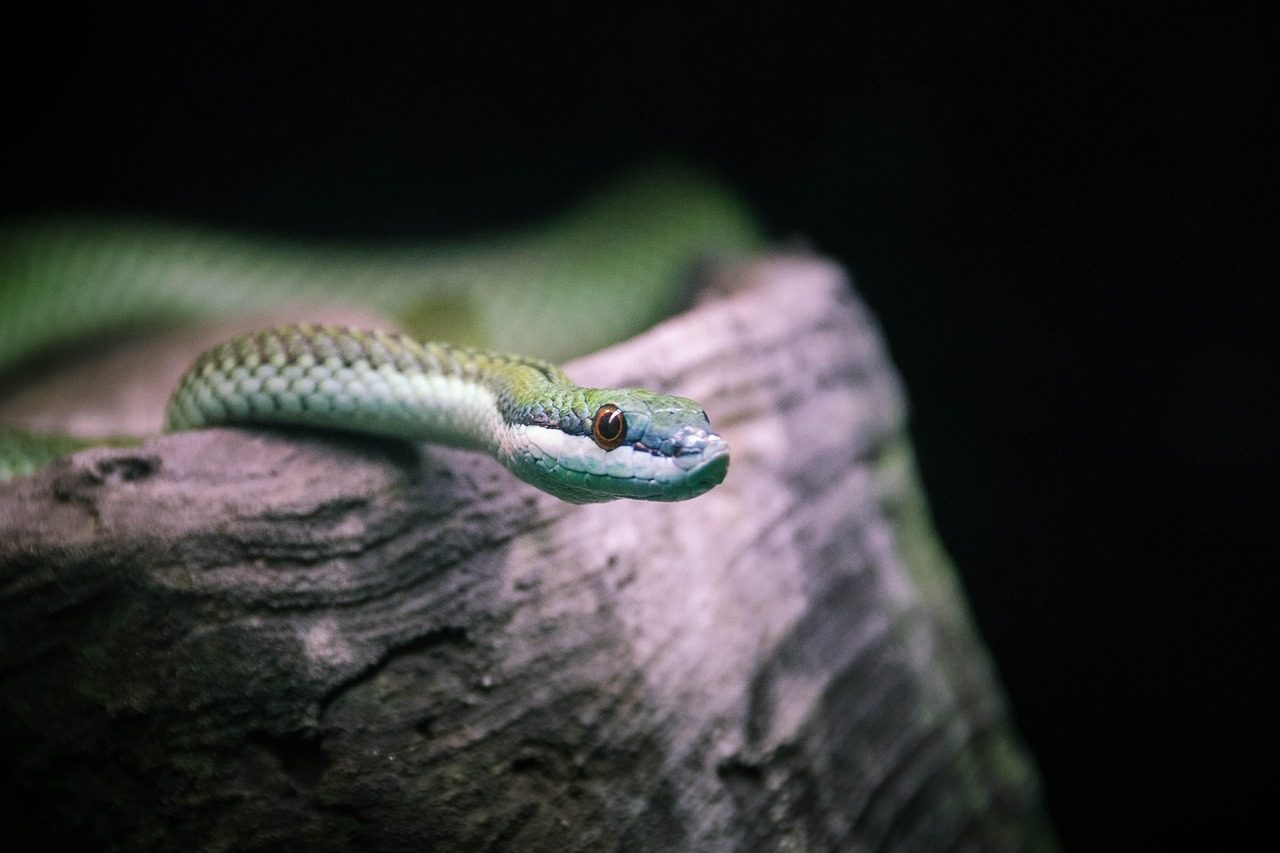
Snakes are among the most feared animals on Earth, but most species are harmless and avoid humans whenever possible. Still, a small number possess highly toxic venom capable of killing within hours or even minutes if medical treatment is delayed.
One recent story involving a sheep farmer highlighted just how dangerous some of the world’s deadliest snakes can be.
Why Some Snake Bites Become Fatal So Quickly
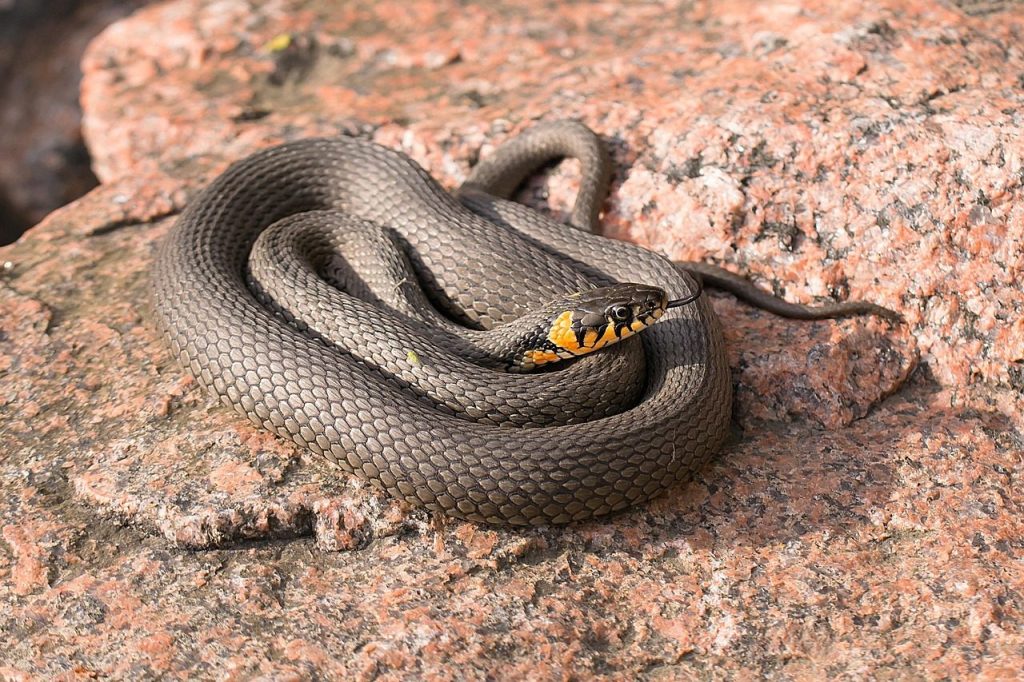
Not all venom works the same way. Some snakes attack the nervous system, while others destroy tissue, damage blood cells, or cause internal bleeding. The speed of death often depends on the snake species, the amount of venom injected, and how quickly treatment is available.
In remote farming regions, victims can sometimes be hours away from antivenom or emergency care.
Farmers and Herders Face Higher Risks
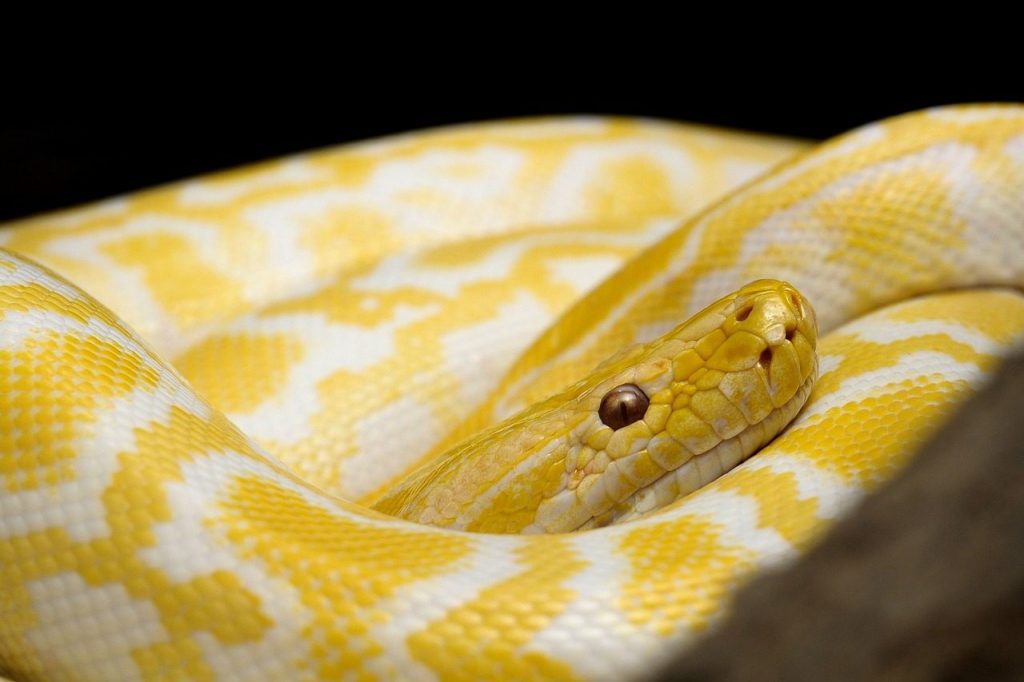
People working outdoors are far more likely to encounter venomous snakes. Farmers, shepherds, and ranch workers often walk through tall grass, rocky terrain, or animal shelters where snakes hide from heat and predators.
Many bites happen accidentally when someone steps too close or surprises the animal.
The World’s Most Dangerous Snakes
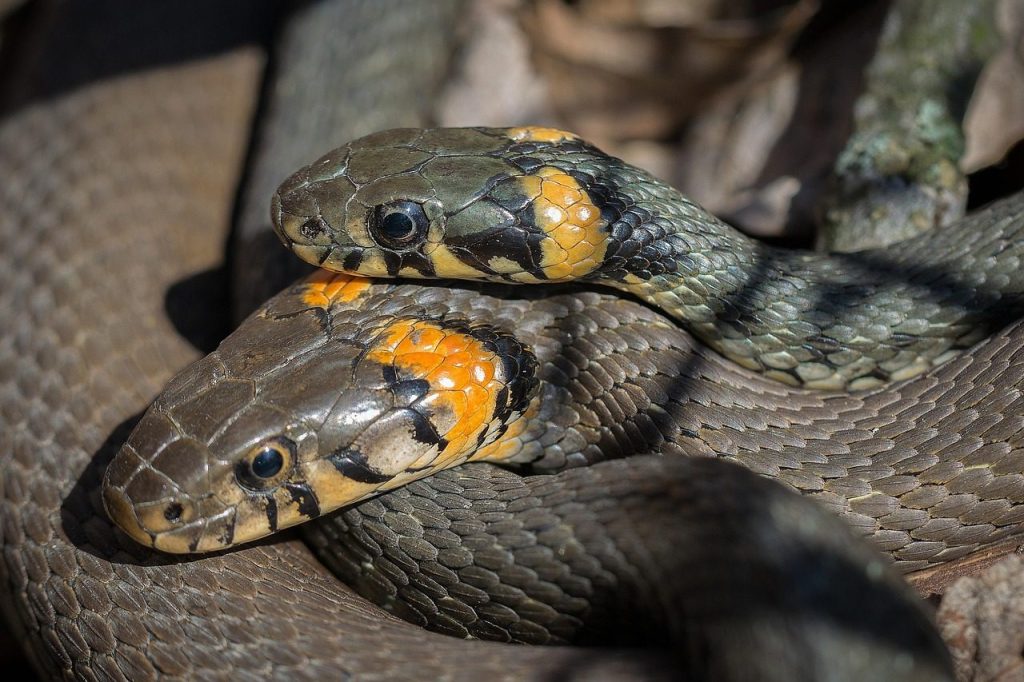
Several snake species are responsible for thousands of deaths every year. Inland taipans, black mambas, Russell’s vipers, saw-scaled vipers, cobras, and rattlesnakes are all considered highly dangerous because of their venom or the number of human encounters they cause.
Some species may not be the most toxic, but they become deadly because they frequently live near human populations.
Black Mambas Are Feared Across Africa
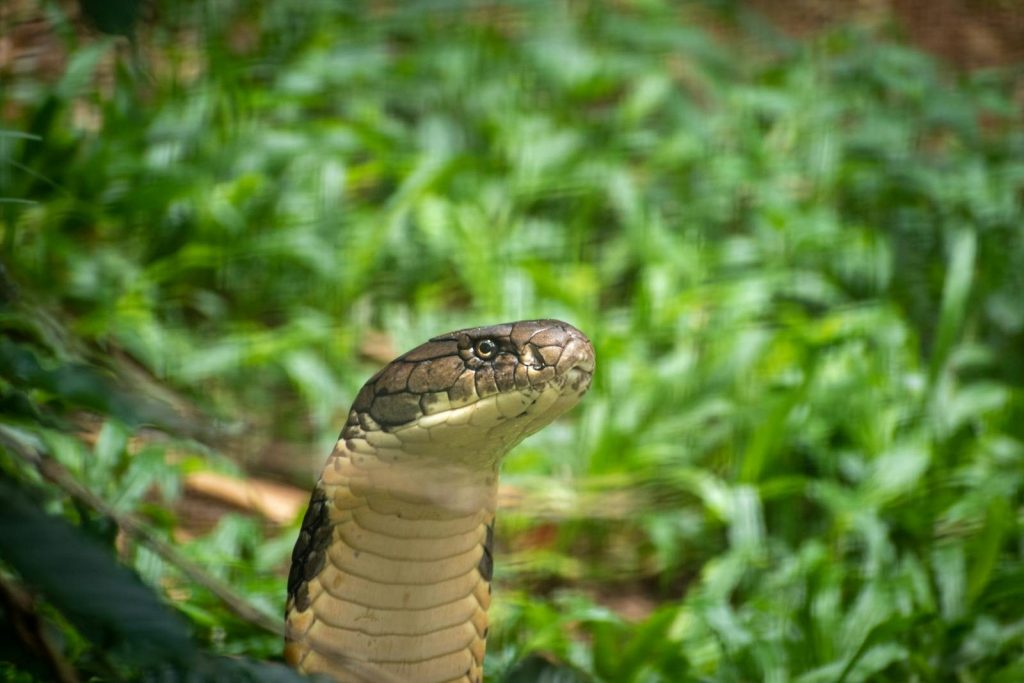
The black mamba is often considered one of the world’s most feared snakes. Found in parts of sub-Saharan Africa, it can move quickly and delivers powerful neurotoxic venom that affects breathing and the nervous system.
Without rapid treatment, black mamba bites can become fatal in a very short time.
Why Rural Areas See More Snakebite Deaths
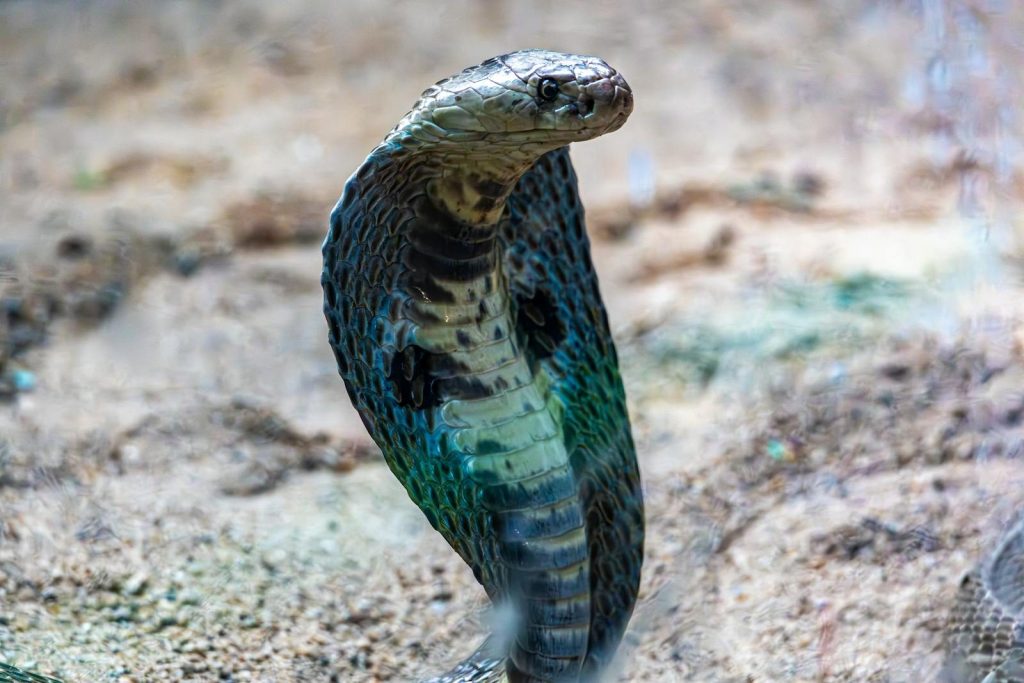
Snakebite fatalities are far more common in rural communities with limited medical access. In some regions, hospitals may lack antivenom supplies, trained staff, or fast transportation for emergency cases.
According to global health experts, thousands of people die every year simply because treatment arrives too late.
Most Snakes Actually Avoid Humans
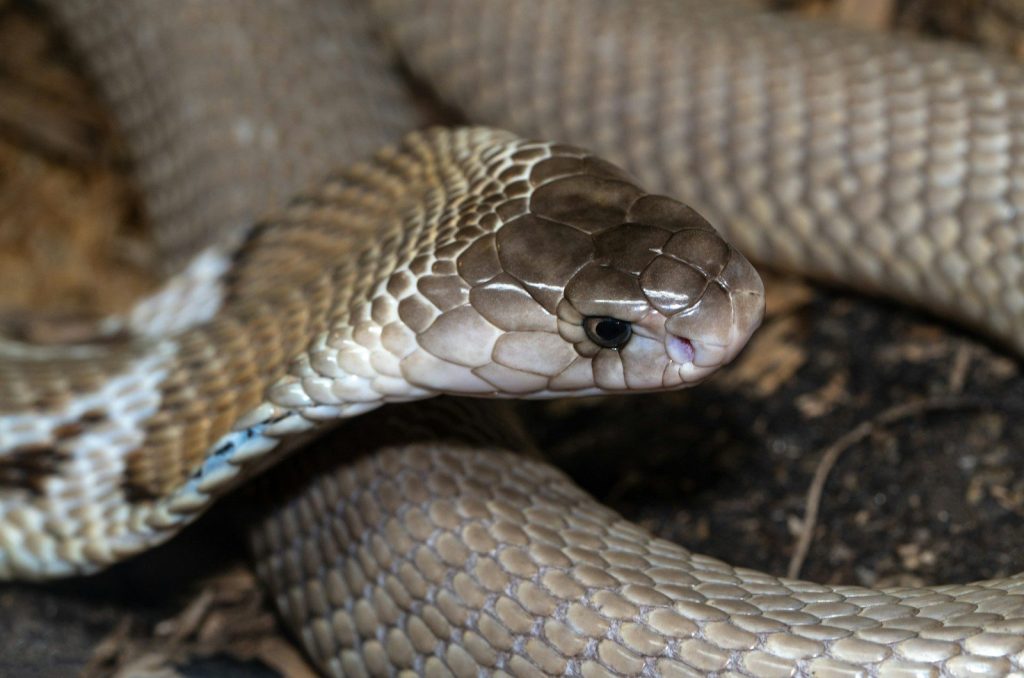
Despite their frightening reputation, snakes rarely attack people unless threatened or cornered. Many species use camouflage and prefer escaping over confrontation.
Experts say understanding snake behavior and respecting their space greatly reduces the chances of dangerous encounters.
How People Can Stay Safe Around Venomous Snakes
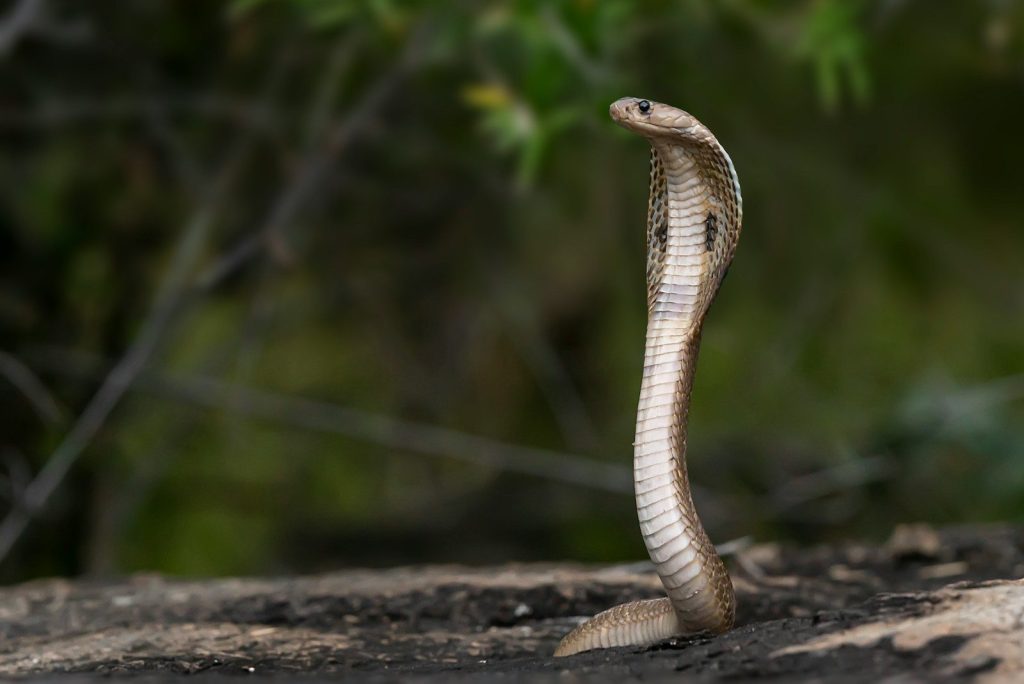
Wearing boots, carrying flashlights at night, and avoiding tall grass can help reduce snakebite risks. Wildlife experts also recommend never attempting to handle or kill a snake, since many bites happen during those situations.
Quick medical attention remains the most important factor in surviving a serious venomous bite.