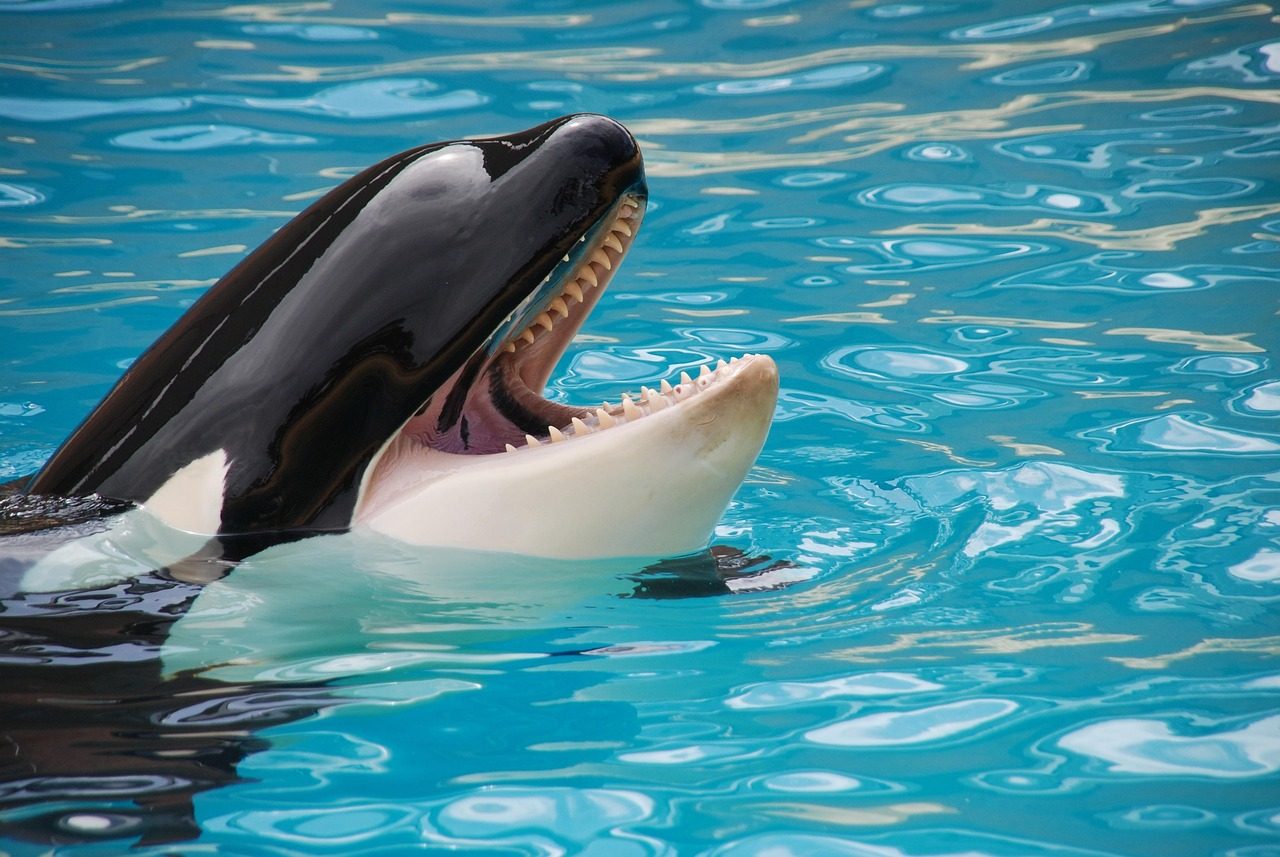
In recent years, unusual encounters between orcas and boats off the coasts of Spain and Portugal have been drawing global attention. Reports describe orcas repeatedly ramming vessels, damaging rudders, and in rare cases, even sinking boats.
These interactions are not being treated as random accidents. Instead, sailors and researchers say the behavior appears targeted, repeated, and increasingly widespread.
Orca Encounters Are Becoming More Frequent
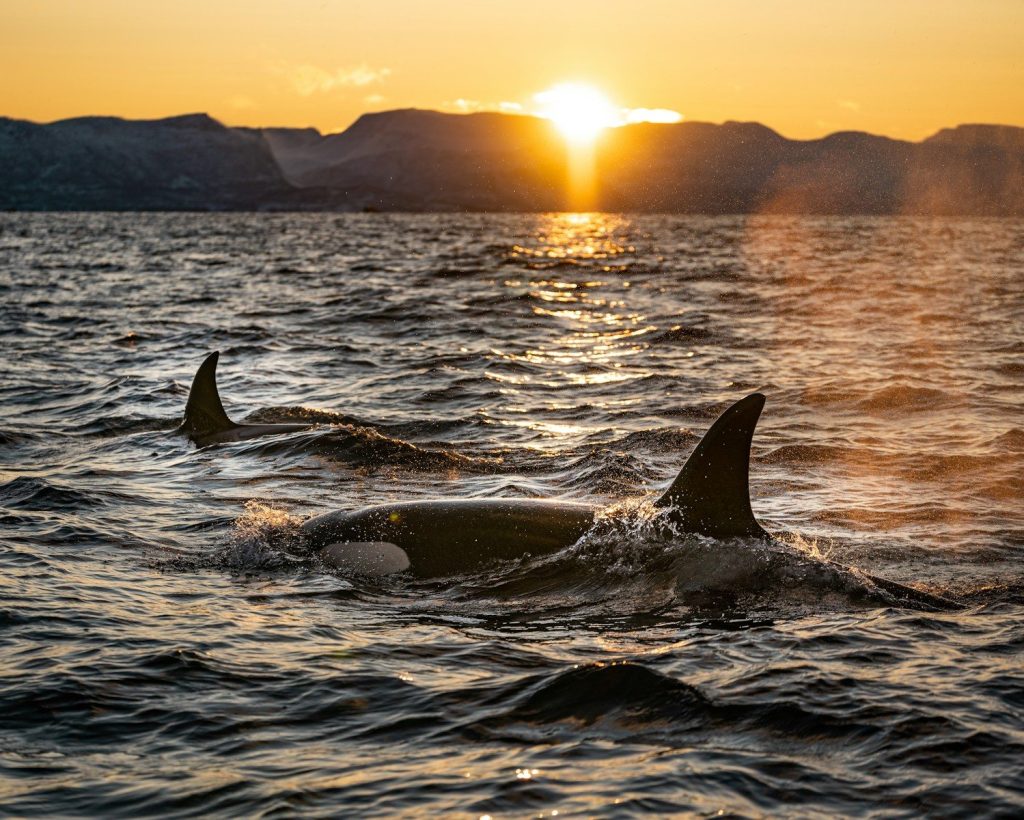
Boat crews in parts of the Iberian Peninsula have reported more frequent orca encounters over time. What once seemed like isolated incidents has now turned into a pattern of repeated interactions.
Sailors describe situations where groups of orcas approach vessels and follow them for extended periods.
Rudder Attacks Are the Main Target
In many of these incidents, orcas are specifically targeting boat rudders. Crews have reported animals striking the back of boats until the steering systems are damaged or disabled.
This behavior has caused serious safety concerns for smaller sailing vessels operating in open waters.
Some Encounters Last for Hours
Witnesses say some orca interactions can continue for long periods, sometimes lasting hours at a time. During these events, boats may be struck repeatedly while trying to move away.
In certain cases, crews report being unable to escape the pod until the animals eventually leave.
Scientists Are Still Unsure of the Cause
Researchers have not reached a clear conclusion about why this behavior is happening. Several theories are being studied, including curiosity, play behavior, or learned social behavior passed between orcas.
Other experts suggest environmental stress or changes in prey availability could be influencing their actions.
Orcas Are Highly Intelligent and Social Animals

Orcas are known for their intelligence and complex social structures. They live in pods, communicate using distinct vocal patterns, and often display coordinated hunting behavior.
Because of this intelligence, scientists believe unusual behaviors can sometimes spread within groups.
Not All Orcas Behave This Way
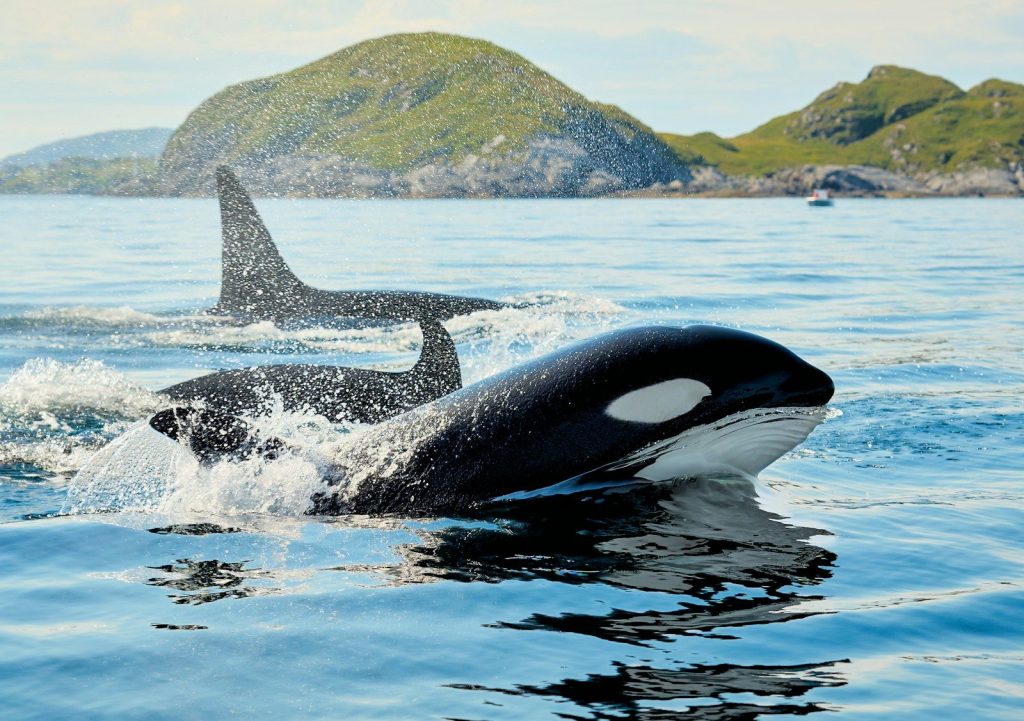
The aggressive interactions reported near Spain and Portugal involve specific orca groups rather than the global population. Most orca populations around the world do not show this type of behavior toward boats.
Researchers emphasize that orcas in other regions continue to behave normally and focus mainly on hunting marine prey.
Safety Concerns Are Growing for Sailors

As these encounters continue, maritime authorities have issued warnings for sailors navigating affected areas. Some boats have had to adjust routes or take precautions to avoid known interaction zones.
While attacks remain rare in a global sense, the rising pattern has raised concern about safety at sea and the changing behavior of marine wildlife.