Some animals have approached people while injured, trapped, or separated from safety. Their actions can appear like direct requests for help, especially when the animal remains nearby during a rescue.
Scientists cannot always know the animal’s intention. These verified encounters show distress leading to assistance without claiming that every animal understood humans would solve the problem.
Intent Is Hard to Prove

An entangled animal may approach because it is exhausted, confused, curious, or unable to escape in another direction. Remaining calm during a rescue can look like cooperation, but human observers should avoid assigning detailed thoughts without evidence. What matters is whether trained help reduces harm.
A Dolphin Approaches a Diver
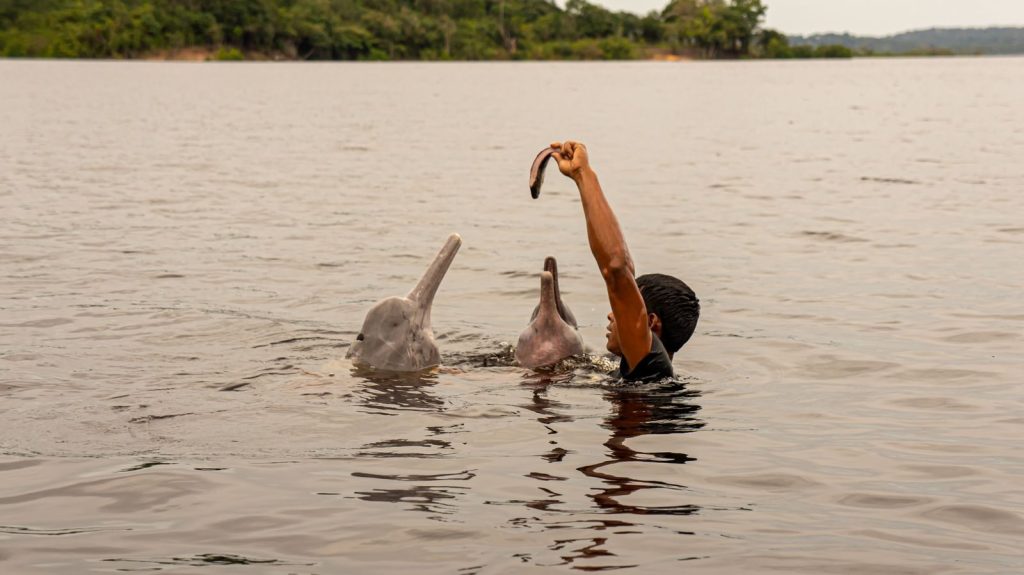
In 2013, a bottlenose dolphin approached diver Keller Laros near Kona, Hawaii. Fishing line was wrapped around the animal’s body and embedded near a pectoral fin. The dolphin stayed close while Laros carefully cut the line and removed a hook before it swam away.
A Dolphin Reaches Shore
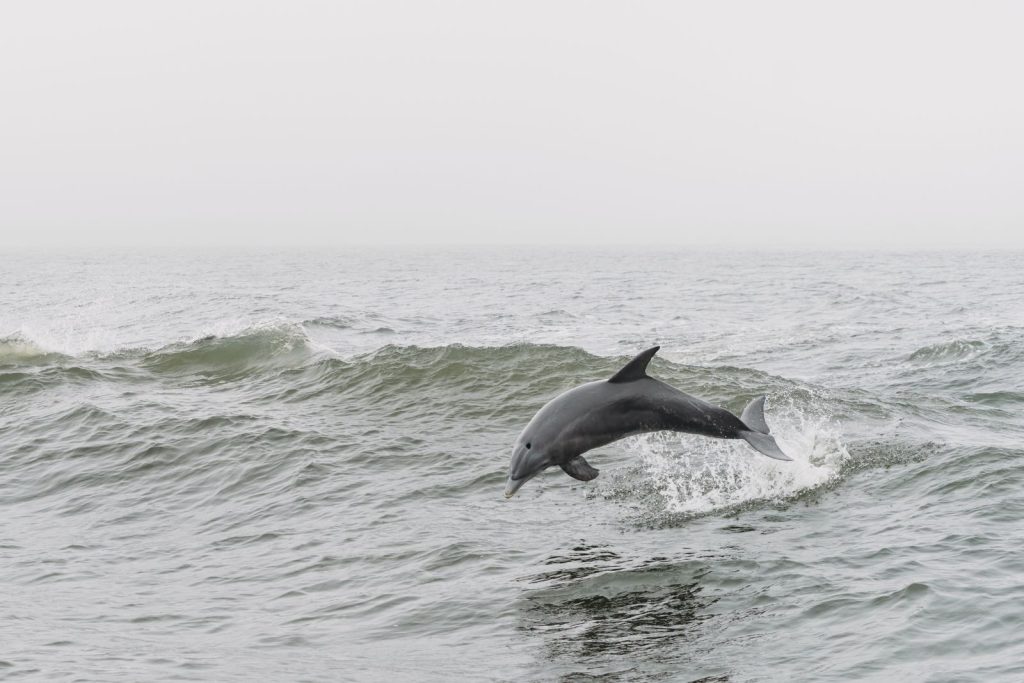
In El Buzo, Spain, people noticed a dolphin near the shoreline with fishing line wrapped around its rostrum. The animal remained within reach as rescuers removed the obstruction. Once freed, it was returned to deeper water rather than being kept or treated as a tame visitor.
Boats Surround an Injured Dolphin
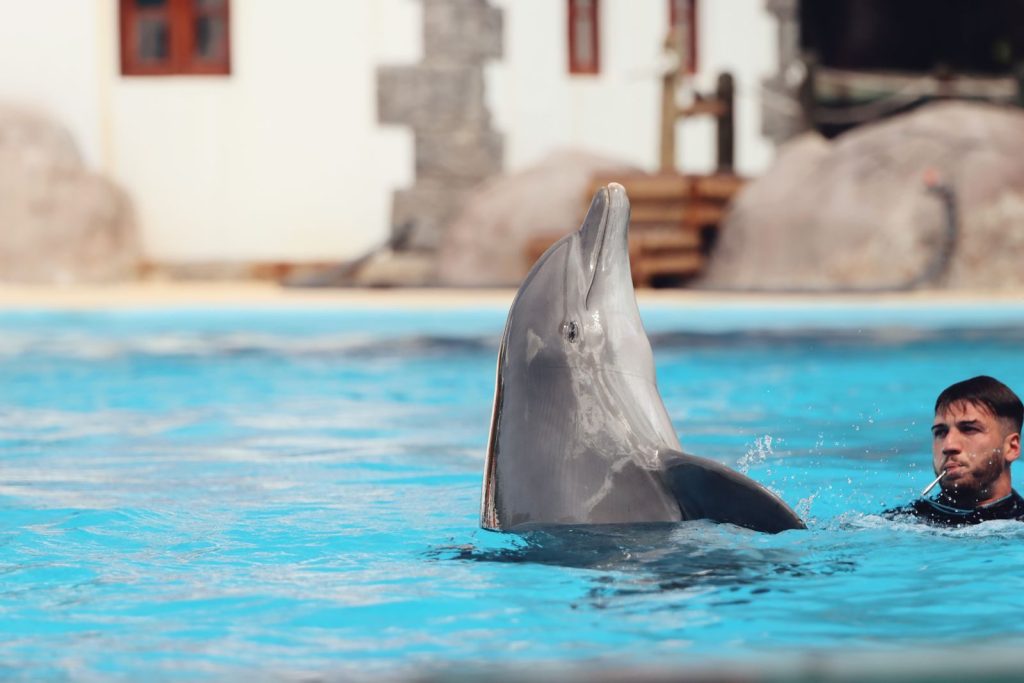
A young Florida dolphin had fishing line deeply embedded around its tail. The complex rescue involved eight boats and 48 people. Specialists temporarily restrained the animal, removed the line, treated the injury, and released it after it swam strongly away from the team.
Honeyguides Recruit People

Greater honeyguides provide a clearer example of purposeful cooperation. In parts of Africa, wild birds call to humans and lead them toward bees’ nests. People open the nest and collect honey, while the bird gains access to wax and other remains it could not easily reach alone.
A Dog Leads a Stranger

In Pittsburgh, a loose dog reportedly led a passer-by to two people lying unconscious inside a home. The man called emergency services, and both individuals were taken to hospital. The dog’s repeated movement between the person and the house appeared to guide attention toward the emergency.
An Elephant Approaches Help
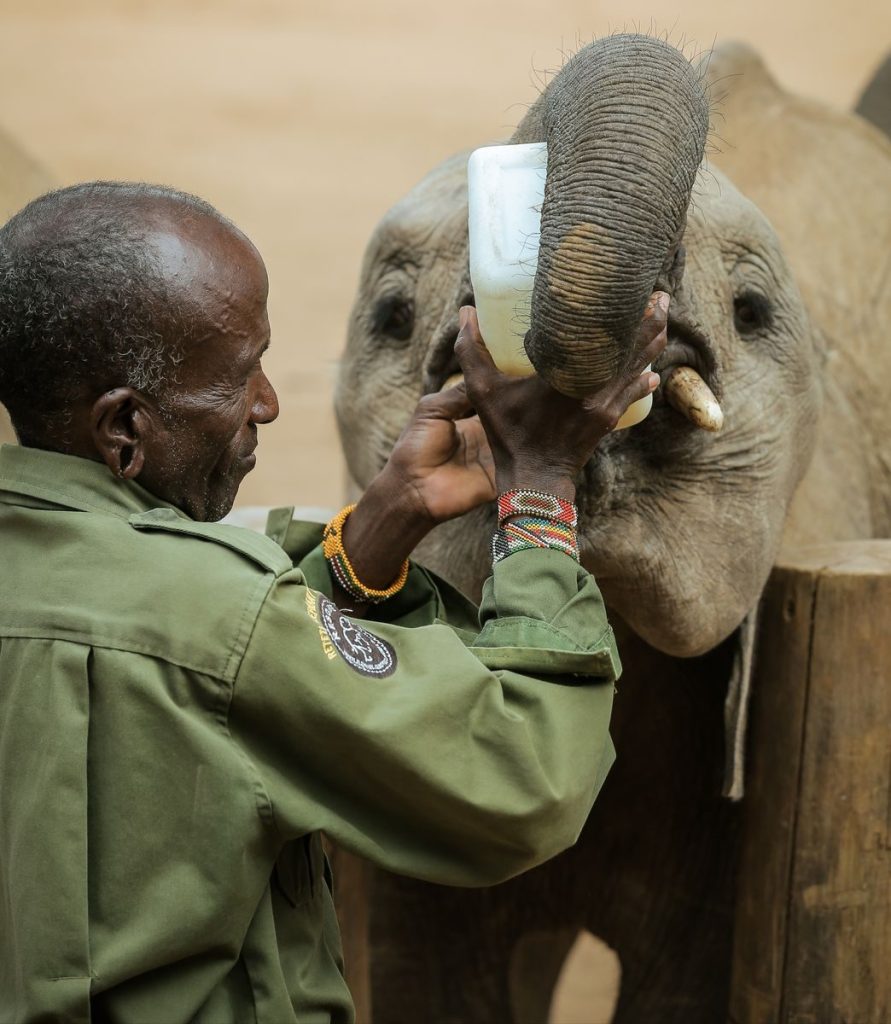
A distressed lone elephant identified as E-5 approached a trained camp elephant during a rescue operation in India. The calmer animal helped officials manage the situation and relocate E-5. The encounter suggested that familiar social signals can sometimes succeed where direct human pressure may increase stress.
Help Without Chasing
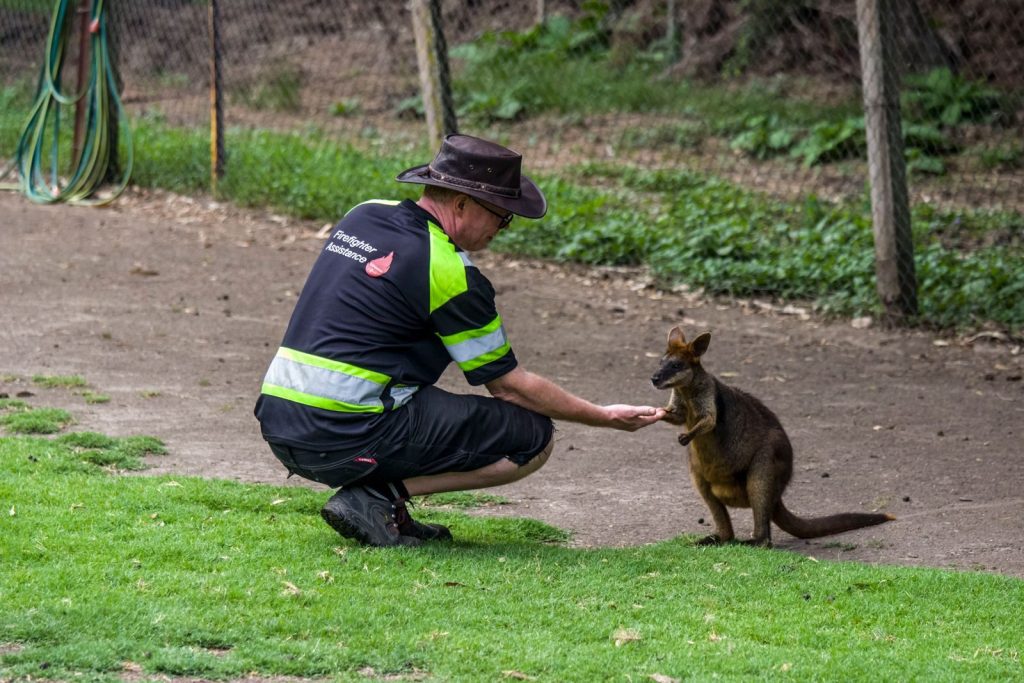
People who find distressed wildlife should contact trained rescuers rather than chase, capture, feed, or touch the animal. Even an injured dolphin, deer, bird, or bear can react defensively. Kindness often means creating space and allowing qualified teams to choose the safest intervention.
Featured Image: Photo by Gundula Vogel on Pexels